


Does a Home Elevator Increase Property Value? A 2026 ROI Analysis
Discover how a home elevator impacts property value in 2026. Explore our comprehensive ROI analysis for luxury villas and residential lifts to make informed investment decisions.
- Does a Home Elevator Increase Property Value?
- How Much Value Can a Home Elevator Add?
- Home Elevator ROI Formula and Example Scenarios
- When a Home Elevator Has the Strongest ROI
- When a Home Elevator May Not Increase Resale Value
- Integrating Mobility and Design in Modern Villas
- Design, Installation and Maintenance Factors That Affect Value
- Home Elevator vs Stair Lift: Which Adds More Property Value?
- How SOLKER Helps Protect Long-Term Property Value
- Conclusion: Making a Smart Investment for the Future
- FAQ
Yes, a well-designed home elevator can increase property value and improve resale appeal, especially in luxury villas, multi-story homes, aging-in-place properties and markets where buyers value accessibility. However, the ROI is not automatic. The final impact depends on the home’s price range, installation cost, design integration, local buyer demand, maintenance condition and whether the elevator feels like a permanent architectural upgrade rather than an afterthought.
For homeowners comparing a residential lift as an investment, the better question is not only “does a home elevator increase property value?” but also “under what conditions does the investment make financial sense?” A professionally installed elevator can expand the buyer pool, support multi-generational living and reduce the future need to move. A poorly positioned or visibly outdated lift, by contrast, may create concern about maintenance, space loss or repair costs.
Last reviewed: July 2026. This guide is intended for planning and educational use. Actual home elevator ROI varies by country, city, property type, buyer profile, installation quality and local real estate market conditions.
Does a Home Elevator Increase Property Value?
The luxury real estate landscape is constantly evolving, and buyers today are looking for amenities that offer both immediate convenience and long-term security. One of the most common questions homeowners ask when considering major renovations is how these upgrades will impact their overall financial standing. Specifically, many wonder about the correlation between high-end accessibility features and their home's market price.
In recent years, vertical mobility has shifted from a rare extravagance to an expected feature in many multi-story custom homes. As we look at the housing trends this year, it is clear that buyers prioritize properties that allow for aging in place, meaning homes equipped to handle the mobility changes that come with time. This demographic shift significantly influences how appraisers, real estate agents and buyers evaluate premium homes.
Consequently, understanding the property value implications of such installations is critical for anyone looking to make a smart, future-proof investment. It is no longer just about the immediate aesthetic appeal; it is about strategic financial planning, lifestyle continuity and long-term marketability.
To truly grasp the financial dynamics at play, we must look at the specific factors driving the market. A detailed home elevator ROI analysis should not rely on one fixed percentage. Homes with integrated mobility systems may sell faster and may command a stronger premium in the right market, but the result depends heavily on local buyer demand and how naturally the elevator fits the home.
When a family is searching for a forever home, the presence of a pre-installed vertical transport system removes a significant barrier to entry, expanding the pool of potential buyers to include multi-generational families, older adults and buyers who want to avoid future construction hassles. This increased demand can translate into a stronger negotiating position for the seller when the elevator is professionally installed, attractive and well maintained.
How Much Value Can a Home Elevator Add?
When evaluating architectural upgrades, it is essential to separate the emotional appeal from the hard numbers. Let us dive into the specifics of a standard home elevator ROI assessment. Some industry estimates suggest that a well-integrated residential lift may support a measurable increase in perceived home value, particularly in luxury real estate markets and multi-level estates where accessibility is highly valued.
However, a single percentage such as 10%, 15% or 25% should not be treated as a guaranteed result. A home elevator may help a premium villa stand out in a competitive market, but the actual resale impact depends on the neighborhood, home value, quality of the installation, elevator style, usable space preserved, maintenance records and whether local buyers view accessibility as a premium feature.
If you own a premium villa, even a modest percentage improvement in buyer perception can represent meaningful value because the home price is already high. The key factor here is that the installation must be done professionally and seamlessly integrated into the home's existing floor plan. Appraisers and buyers look for features that enhance the permanent structure of the house, not features that create uncertainty about future repair or maintenance.
A poorly placed or outdated lift might not yield the desired return, but a modern, space-efficient system can contribute positively to the overall property value when it improves access, supports aging in place and strengthens the home’s luxury positioning.

Home Elevator ROI Formula and Example Scenarios
Furthermore, calculating this return requires looking beyond the immediate resale price. You must also consider the cost savings associated with not having to move when stairs become difficult to navigate. The transaction costs of selling a home, buying a new one and moving can be substantial. By investing in your current residence, you preserve your community ties and avoid the stress of relocation, while also improving the usability of the home.
A practical home elevator ROI calculation should include both resale value and lifestyle value. For planning purposes, homeowners can use the following model:
Home Elevator ROI = Estimated resale value improvement + avoided relocation cost + usability value - elevator project cost - long-term maintenance cost
This formula is not meant to produce a universal number. It helps homeowners compare scenarios more realistically. A standard suburban home, a high-end villa and an aging-in-place forever home may all produce different outcomes even if the elevator equipment cost is similar.
| Scenario | Typical Property Context | ROI Potential | Why the Result Differs |
|---|---|---|---|
| Standard multi-story home | Mid-range property where buyers may be price-sensitive | Market-dependent | The elevator improves access, but the cost may represent a larger share of total home value. |
| High-end multi-story villa | Luxury property where buyers expect convenience and premium design | Stronger potential | The elevator can support accessibility, design differentiation and long-term marketability. |
| Aging-in-place forever home | Owner plans to remain in the home for many years | Value extends beyond resale | ROI includes avoided relocation, improved daily use and future-proofing the home. |
| Retrofit with poor placement | Existing home where the elevator disrupts layout or removes valuable space | Lower potential | Buyers may see the installation as a compromise rather than a premium improvement. |
For those interested in a deeper dive into how premium designs and customizations further amplify these financial benefits, you can review the related article on luxury elevator design and resale appeal. The key is to treat ROI as a combination of financial return, market appeal and long-term usability rather than a fixed guaranteed percentage.
When a Home Elevator Has the Strongest ROI
A home elevator usually has the strongest ROI when it solves a clear problem and improves how the home functions for a specific buyer group. In luxury villas, the elevator may strengthen the home’s premium positioning. In aging-in-place homes, it may prevent future relocation. In multi-generational households, it may make upper floors usable for more family members. In all of these cases, the elevator creates value because it expands the practical appeal of the home.
The strongest ROI conditions usually include a multi-story layout, a higher property value, a buyer market that values accessibility, a professional installation, attractive cabin design, reliable maintenance history and minimal loss of usable living space. A home elevator can also be more valuable when the home is located in a market where buyers expect modern amenities and long-term comfort.
Another important factor is timing. Installing a residential elevator during a new build or major renovation can reduce disruption and make the system feel intentional. Retrofitting later can still be valuable, but the design must be handled carefully so that the elevator does not look visually disconnected from the rest of the property.
When a Home Elevator May Not Increase Resale Value
A home elevator does not automatically increase resale value in every property. If the home price is relatively low and the elevator project cost is high, the financial return may be weaker. If the installation removes too much usable space, disrupts the floor plan or looks like a medical device instead of an architectural feature, buyers may treat it as a limitation rather than an upgrade.
ROI can also be reduced when the elevator is poorly maintained, difficult to service locally or installed without clear documentation. Buyers may worry about repair costs if they cannot identify the equipment model, service provider, warranty status or maintenance history. For this reason, the long-term ownership record can be almost as important as the original installation quality.
Market demand also matters. In some locations, buyers may strongly value aging-in-place design and multi-generational living. In other markets, buyers may care more about outdoor space, parking, schools or renovation style. A home elevator is most likely to support value when it matches the expectations of the target buyer group.
Integrating Mobility and Design in Modern Villas
The financial benefits of adding mobility systems are heavily reliant on how well the technology blends with your home's interior design. A high-yielding addition should never look like an afterthought; it must feel like a natural extension of the architecture. Today's market offers options that allow homeowners to customize everything from the cabin materials to the lighting and flooring.
A beautifully designed luxury residential lift can serve as a focal point in a grand foyer or blend quietly within modern, minimalist walls. When potential buyers walk into a home and see a sleek, quiet and elegantly finished lift, their perception of the home's exclusivity can increase. This emotional response is one factor that may support stronger real estate negotiations.
Buyers are not just purchasing a functional tool; they are buying into a sophisticated lifestyle. When the elevator improves convenience without compromising design, it can support the perceived value of the property during a resale conversation.

Achieving this seamless integration requires partnering with manufacturers who understand both engineering and premium aesthetics. For example, Dongguan Solker Elevator Technology Co., Ltd. specializes in engineering residential lift systems that cater specifically to high-end villas, ensuring smooth operation combined with customizable, elegant cabin designs.
Choosing a manufacturer that prioritizes both safety and architectural harmony helps ensure that the installation enhances your living space rather than disrupting it. Modern traction and hydraulic systems can reduce the need for a bulky machine room in certain configurations, helping preserve valuable square footage while adding a functional upgrade.
By focusing on craftsmanship, space planning and design consistency, homeowners can make the elevator feel like a permanent value-supporting part of the estate rather than a later mechanical addition.
Design, Installation and Maintenance Factors That Affect Value
Several practical details influence whether a residential elevator supports long-term home value. The first is placement. An elevator should connect the right floors, avoid awkward circulation and preserve major living areas where possible. If the elevator blocks natural light, interrupts room flow or feels inconvenient to use, its financial value may be weaker.
The second factor is appearance. Materials, lighting, doors, wall panels and cabin style should coordinate with the home’s architecture. A luxury villa benefits most when the elevator looks like part of the original design language. A generic or outdated cabin can reduce the premium effect even if the equipment functions well.
The third factor is serviceability. A buyer may appreciate the elevator more if maintenance records, warranty information, technical documents and service contacts are available. Good documentation reduces uncertainty and makes the elevator feel like a managed asset instead of a hidden liability.
Finally, local code compliance and installation quality matter. A residential lift should be specified, installed and maintained according to the requirements of the project location. Proper documentation, professional commissioning and reliable after-sales support help protect both daily performance and future buyer confidence.
Home Elevator vs Stair Lift: Which Adds More Property Value?
A stair lift and a home elevator can both improve accessibility, but they usually affect property value differently. A stair lift is often viewed as a practical mobility aid for an immediate need. It can be cost-effective and useful, but it may not carry the same design or resale premium as a professionally integrated residential elevator.
A home elevator is more likely to be perceived as a permanent architectural upgrade, especially in a multi-story villa or luxury home. It can serve more users, move people and goods between floors more comfortably, and support long-term multi-generational living. However, it also requires a larger project budget and more careful planning.
For homeowners focused only on short-term mobility, a stair lift may be sufficient. For homeowners focused on long-term property positioning, aging in place and premium resale appeal, a well-designed residential elevator usually has stronger value potential.
How SOLKER Helps Protect Long-Term Property Value
Understanding the direct correlation between premium accessibility features and total property value empowers you to make confident, forward-looking decisions about your home's architecture and long-term financial health. Dongguan Solker Elevator Technology Co., Ltd. focuses on customizable residential lift systems designed for villas and high-end homes where engineering, safety and visual integration all matter.
For property owners, the goal is not simply to install vertical mobility equipment. The goal is to add a system that fits the building, supports the owner’s lifestyle, looks appropriate for the home and remains serviceable over time. That is why project planning, cabin customization, installation coordination and after-sales support should all be reviewed before making a purchase decision.
Homeowners who are comparing models, cabin finishes and installation approaches can explore SOLKER’s custom villa elevator solutions or request a project-specific consultation before finalizing a residential elevator plan.
Conclusion: Making a Smart Investment for the Future
In summary, the decision to upgrade your home with a vertical mobility system is significant, but the financial case depends on more than one headline ROI percentage. A strong home elevator ROI is achievable when the installation is treated as a strategic architectural enhancement rather than a simple mechanical add-on.
By prioritizing high-quality materials, professional installation, aesthetic harmony and long-term maintenance planning, homeowners can improve daily living while strengthening the market appeal of their property. The value is strongest when the elevator supports the way future buyers want to live: comfortably, safely and without needing disruptive renovations later.
Whether you are planning to sell in the near future or simply preparing your forever home for the decades to come, a premium lift system can be a meaningful property upgrade when it is designed, installed and maintained correctly. It transforms how you interact with your living space, makes every floor more accessible and may help position the home more competitively in a buyer market that values accessibility and long-term comfort.
FAQ
Does a home elevator increase property value?
A home elevator can increase property value and resale appeal when it is professionally installed, visually integrated into the home and useful to the target buyer group. The strongest results usually appear in luxury villas, multi-story homes, aging-in-place properties and markets where buyers value accessibility.
How much value does a home elevator add?
There is no universal percentage. Some homes may see a stronger perceived value increase, while others may receive more lifestyle value than direct resale return. The result depends on home price, installation cost, buyer demand, design quality, maintenance condition and local real estate trends.
Is a home elevator a good investment?
A home elevator can be a good investment when it improves daily use, supports aging in place, expands the buyer pool and fits the home’s architecture. It is less likely to be a strong financial investment if the installation cost is too high relative to the property value or if the elevator disrupts the floor plan.
What is the ROI of a residential elevator?
Residential elevator ROI should include estimated resale value improvement, avoided relocation cost, usability value, installation cost and maintenance cost. A realistic ROI analysis should not rely only on a fixed resale percentage because every property and market is different.
When does a home elevator have the strongest resale impact?
The strongest resale impact usually appears in high-end multi-story homes, luxury villas, aging-in-place properties, multi-generational households and neighborhoods where buyers value long-term accessibility. The elevator should look intentional, be easy to use and have clear maintenance documentation.
When might a home elevator not increase property value?
A home elevator may not increase value if it removes too much living space, looks outdated, is poorly maintained, has unclear service support or is installed in a market where buyers do not value accessibility. It may also deliver weaker ROI when the project cost is too high compared with the home’s total value.
Does a home elevator make a house easier to sell?
It can make a house easier to sell when buyers see it as a premium convenience, an aging-in-place feature or a multi-generational living advantage. It may also reduce buyer hesitation by removing the need for future disruptive construction.
Does elevator design affect resale value?
Yes. Design has a major influence on perceived value. A cabin that matches the home’s interior, uses appropriate materials and feels like part of the architecture is more likely to support resale appeal than a generic or awkwardly placed lift.
Is a home elevator better than a stair lift for property value?
A stair lift is usually a practical accessibility aid, while a home elevator is more likely to be viewed as a permanent architectural upgrade. For resale value and luxury positioning, a professionally integrated home elevator generally has stronger potential, but it also requires a larger budget.
How much should I spend on a home elevator?
The budget should match the property value, design goals, installation complexity and long-term use plan. Spending too little may create a system that feels out of place, while overspending on a low-value property may weaken ROI. A project-specific quotation is the best starting point.
Do appraisers count a home elevator as added value?
An appraiser may consider a home elevator as a permanent improvement when it is professionally installed, code-compliant and relevant to the local market. However, the exact valuation effect depends on comparable properties, buyer demand and overall home condition.
What documents should I keep after installing a home elevator?
Keep model specifications, installation records, warranty documents, maintenance logs, inspection records and service contact information. Clear documentation helps future buyers understand that the elevator is a maintained asset rather than a hidden repair risk.


Product
How to install an elevator and what is the warranty?
We have overseas technicians who are at your service 24 hours a day, 365 days a year.
How long is the production date required?
Under normal circumstances, the production time is 35 to 45 days.
Customize
Can I choose specific materials or colors for the cabin?
Yes. We offer a wide range of premium materials and finishes — from stone to wood to glass.
How long does a custom order take to deliver?
On average, production takes 30–45 days after confirmation, depending on your configuration.
Can the elevator design be matched to my home's architecture?
Absolutely. Our designers tailor each cabin to complement your interior layout and style.
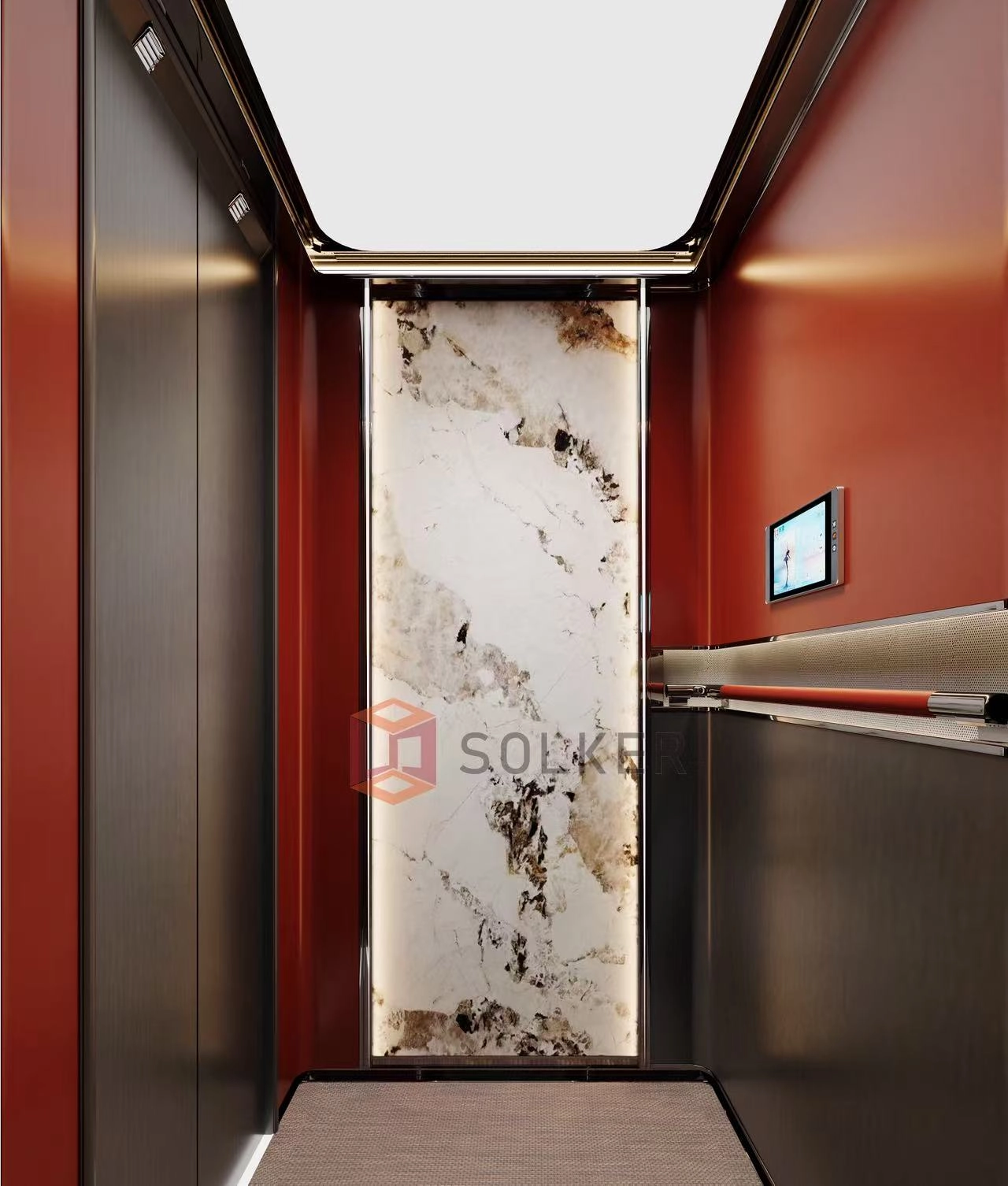
The SOLKER Model-Q3 villa elevator features a Bordeaux Red cabin interior, harmonizing the natural texture of Pandora stone with linen-textured elegant grey stainless steel, accented by refined metal trims. SOLKER's exclusive fully curved seamless integrated forming technology delivers a fluid, joint-free cabin that enhances both safety and aesthetics. Equipped with a built-in HD smart display, every ride becomes a premium experience where technology and artistry converge.

The Model A is a home villa elevator in the Italian minimalist style. It features the most advanced elevator technology and has comprehensive safety protection measures. It is the most reliable guarantee for your passage in villa homes.

The Model-Mini is a home villa elevator in the Italian minimalist style. It features the most advanced elevator technology and has comprehensive safety protection measures. It is the most reliable guarantee for your passage in villa homes
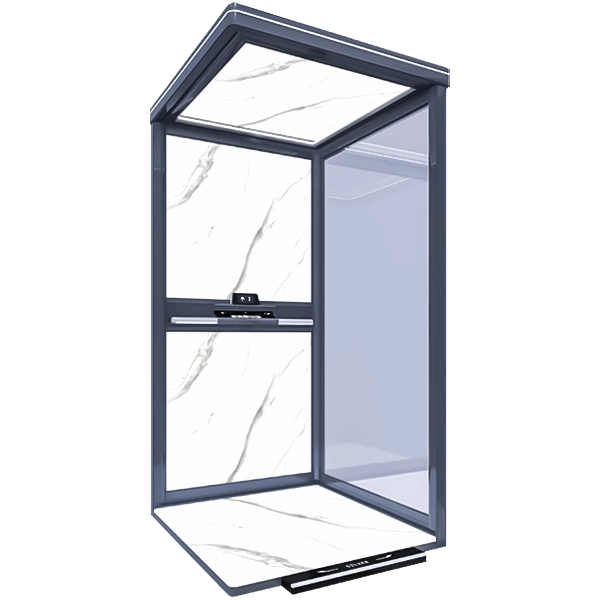
The Model-S is a home villa elevator in the Italian minimalist style. It features the most advanced elevator technology and has comprehensive safety protection measures. It is the most reliable guarantee for your passage in villa homes.
Looking for custom villa lifts manufacturing solutions?
We provide full-service OEM & ODM solutions—from concept to delivery.
Design, prototyping, production, and shipping—all in one place.
Fill out the form below for a free quote or consultation.
👉 Contact us today to start an exclusive customized partnership.
📦 Get product catalogs and wholesale prices.
🔧 Submit your design requirements for 1-to-1 exclusive matchmaking.
🌍 Become our global distribution partner.
Rest assured that your privacy is important to us, and all information provided will be handled with the utmost confidentiality.
Let's get in touch
Email: lin@solkerelevator.com
Tel: +86 133 1668 7566
Address: Floor 1, Building D, Nanxin Industry International, Nancheng District, Dongguan, China.
 Taiwan, China
 No. 21, Lane 38, 206 Yingtai Road, Yingge District, New Taipei City
 +886 0975-299-830
 United Arab Emirates
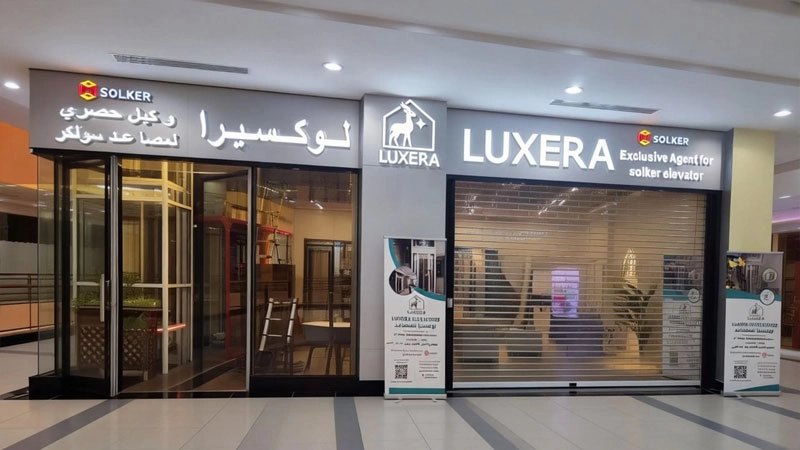
Capital Mall, Abu Dhabi, United Arab Emirates, 3rd floor, Luxera elevator +971 52 541 4685 Ceo@maharacare.com
 Melbourne, Australia
 19/12 Natalia Av, Oakleigh South, VIC 3167
+61 1300 771 86 sales@goldenhomelifts.com.au
Sydney, Australia
U28/323 Chisholm Road, Auburn, NSW 2144
+61 1300 771 86 sales@goldenhomelifts.com.au
SOLKER
SOLKER