


Home Elevator Cleaning & Care: A Practical Guide to a Cleaner, Safer, Longer-Lasting Lift
Cleanliness in a home elevator is not just about appearance. Dust, hair, and cleaning-product residue can quietly degrade finishes, clog door tracks, accelerate wear on moving parts, and even create safety risks such as sluggish door operation or failed sensors. This guide sets out a practical, household-safe approach to routine care—organized by material, by area, and by what should be left to a professional—so you can keep your lift clean without damaging it.
A home elevator is different from a public one: it sits inside your house, is touched daily by family members, yet rarely receives dedicated care. Many people either wipe everything down with a soaking wet cloth or attack stains with heavy-duty cleaners during spring cleaning, only to find scratched panels, unresponsive buttons, and door tracks that feel worse than before. The problem is rarely a lack of cleaning—it is a mismatch between method, material, and location.
1. Identify the material before you touch it
An elevator cabin is rarely a single surface. Stainless steel, glass, sintered stone, film-faced panels, and anodized aluminum each behave differently, and the wrong cleaner or cloth can cause irreversible damage.
Stainless steel comes in mirror and brushed finishes. Mirror surfaces scratch easily and should be wiped gently with a microfiber cloth; brushed surfaces must be wiped in one direction along the grain—circular motions leave visible swirl marks. Plain water or a neutral cleaner is sufficient, and the cloth should be wrung to a semi-dry state so water does not seep behind the panels.
Glass and mirror panels clean best with a glass cleaner and a squeegee: wipe first, then draw off the liquid to minimize streaks. Avoid anything containing abrasive particles—a single wipe can leave fine scratches that cannot be polished out.
Sintered stone is hard and dense; a wrung-out damp soft cloth handles daily marks. On textured flooring, work a soft brush gently into the grooves, and avoid steel wool or strong acids and alkalis. Film-faced surfaces do not tolerate aggressive rubbing, and alcohol or acetone-based solvents can cause bubbling or discoloration.
2. Work by area—sequence matters more than effort
Cabin floors and panels are the most visible surfaces. Sweep or vacuum the floor daily; a absorbent mat at the entrance helps in busy households. Wipe panels and handrails weekly, and give door panels and frames a fuller clean monthly—more frequent treatment is unnecessary. One easily overlooked rule: clear the floor of grit first, then wipe the panels. A cloth carrying sand particles across a finished surface acts like sandpaper.
Door sills and tracks deserve regular attention. Dust, hair, and debris in the sill groove can make doors stiff at best and trigger a protective shutdown at worst. Vacuum or dry-wipe the sill groove rather than pushing debris deeper with a wet cloth. Wipe the light curtain (the sensor strips beside the door) weekly with a dry cloth; a film of dust or grease can compromise sensing.-26
Control panels and buttons should be wiped only with a dry or barely damp cloth. Liquid entering button gaps can cause a single button to fail or create electrical problems. Spray cleaning product onto the cloth, never directly onto the panel. For touchscreens, use a dedicated screen cloth; even paper towels can leave micro-scratches.
3. What to avoid
Strong acids, strong alkalis, and chlorine-based cleaners are among the most damaging agents for elevator finishes. Chlorine attacks the passive layer on stainless steel and can lead to rust spots over time, while acidic cleaners may corrode metal parts or damage electrical components. A neutral cleaner, such as dilute soapy water, is a safer default.
Steel wool, the abrasive side of scouring pads, and stiff brushes can leave extensive scratches on mirror stainless steel or glass in a single use, often beyond recovery.
Direct flushing or liberal pouring of water is equally inadvisable. Panel gaps, sills, and control panels are not designed for wet washing; moisture intrusion can cause short circuits, corrosion, or finish blistering. Dry surfaces after cleaning and ventilate the cabin, especially in humid seasons.
One more easily missed point: do not spray perfume or air freshener inside the cabin. The chemical constituents can slowly attack metal and film-faced surfaces, with damage that only becomes visible after repeated exposure.
4. Cleaning handles the surface; maintenance handles what lies beneath
Routine cleaning preserves appearance and basic hygiene, but guide-rail lubrication, door-operator belt tension, wire-rope condition, safety-gear operation, and electrical connection tightness are safety- and longevity-critical items that fall outside the scope of household care—and should not be managed by guesswork. The common industry rhythm for home elevators is quarterly routine service plus an annual deep inspection; households with heavy use or a damp, semi-exposed installation may benefit from routine service every two months.-9
The door system is among the most frequent sources of home-elevator faults. Smooth operation, sensor sensitivity, and door-gap dimensions require proper tools and experience—they cannot be resolved by repeatedly wiping the track. Likewise, guide rails require the specified rail oil or grease; substituting engine oil can attract dust, congeal, and actually accelerate wear.
A short checklist to keep near the lift
Daily: clear the cabin floor; listen for unusual noises or vibration.
Weekly: dry-wipe buttons and light curtain; remove visible debris from sills.
Monthly: clean panels, doors, and handrails according to material; check tracks for build-up.
Quarterly/as scheduled: book professional service for lubrication, door system, and safety components.
Get the cleaning right, and the lift keeps its finish for longer. Keep up professional maintenance, and it stays genuinely safe beneath the surface. Each has its role—and together they are how a home elevator gets looked after properly.
FAQ
What cleaner should I use for routine home elevator cabin cleaning, and what should I watch out for with different materials?
Use plain water or a neutral cleaner (such as dilute soapy water) for routine cleaning, and wring the cloth to a semi-dry state before wiping. For mirror stainless steel, wipe gently with a microfiber cloth; for brushed stainless steel, wipe in one direction along the grain. Avoid abrasive products on glass and mirrors. Sintered stone can be cleaned with a wrung-out damp soft cloth. Do not use alcohol or acetone-based solvents on film-faced surfaces. Avoid strong acids, strong alkalis, and chlorine-based cleaners, as they can corrode finishes or metal components.
How should I clean the door sill, door track, and light curtain, and how often?
Clean the door sill and track regularly with a vacuum or dry cloth to remove dust, hair, and debris. Do not use a wet cloth to push dirt deeper into the groove. Wipe the light curtain (the sensor strips beside the door) weekly with a dry cloth, since dust or grease can compromise sensing. Always clear the floor and sill of grit before wiping panels, so sand particles are not dragged across finished surfaces and cause scratches.
Can routine cleaning replace professional maintenance? How often should a home elevator be serviced?
No. Routine cleaning mainly preserves appearance and basic hygiene, but safety- and longevity-critical items—such as guide-rail lubrication, door-operator belt tension, wire-rope condition, safety-gear operation, and electrical connection tightness—require professional tools and experience. A common schedule for home elevators is quarterly routine service plus an annual deep inspection. For households with heavy use or damp, semi-exposed installations, routine service can be shortened to every two months.
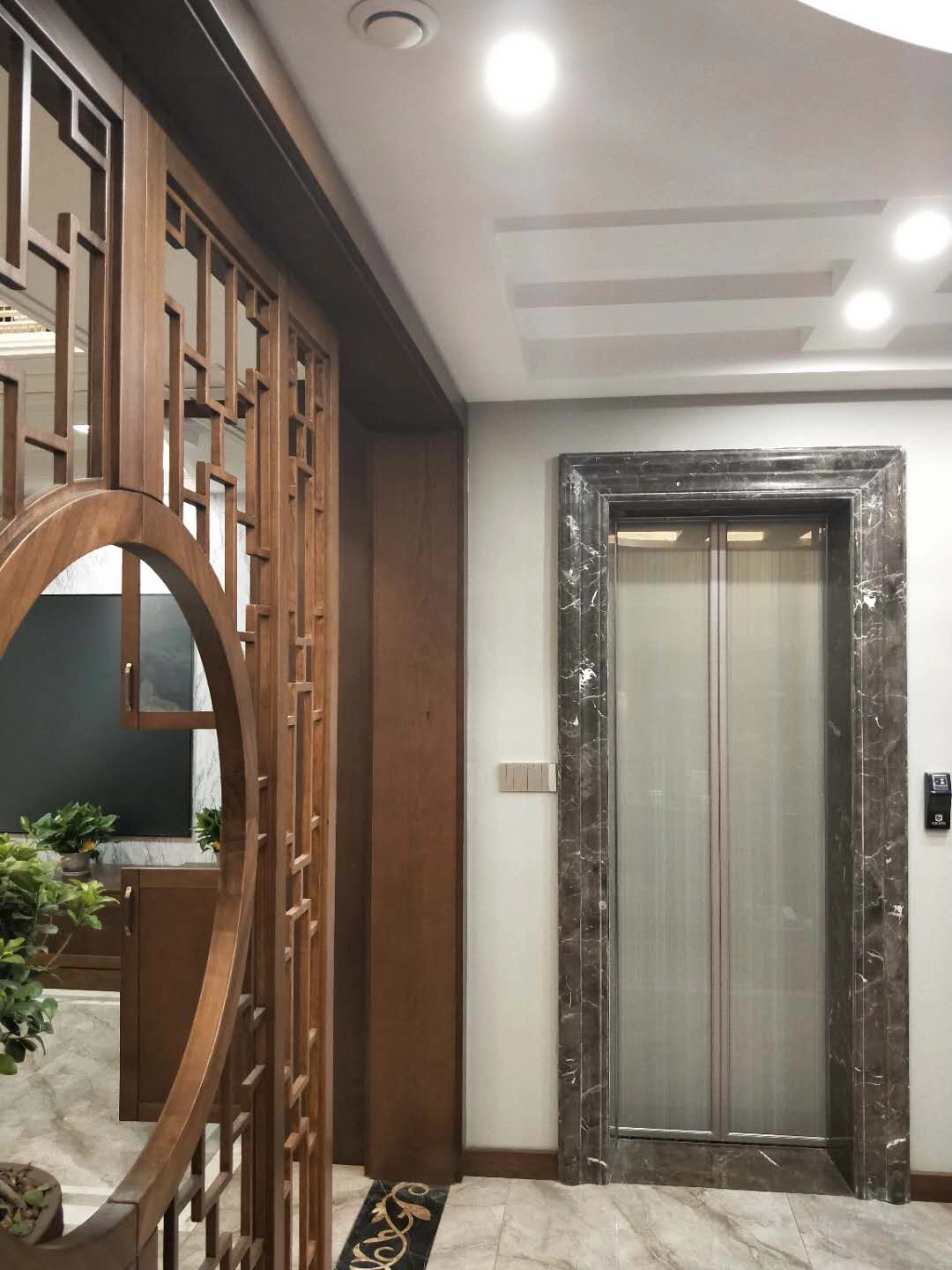
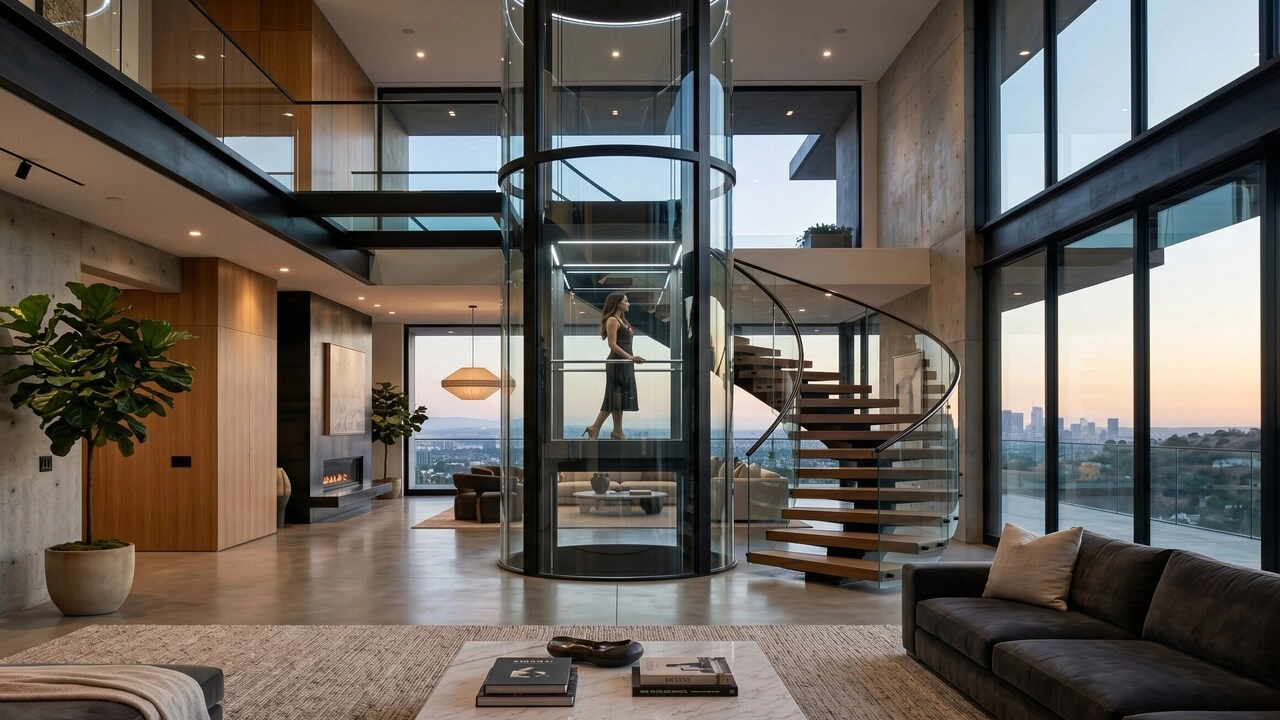
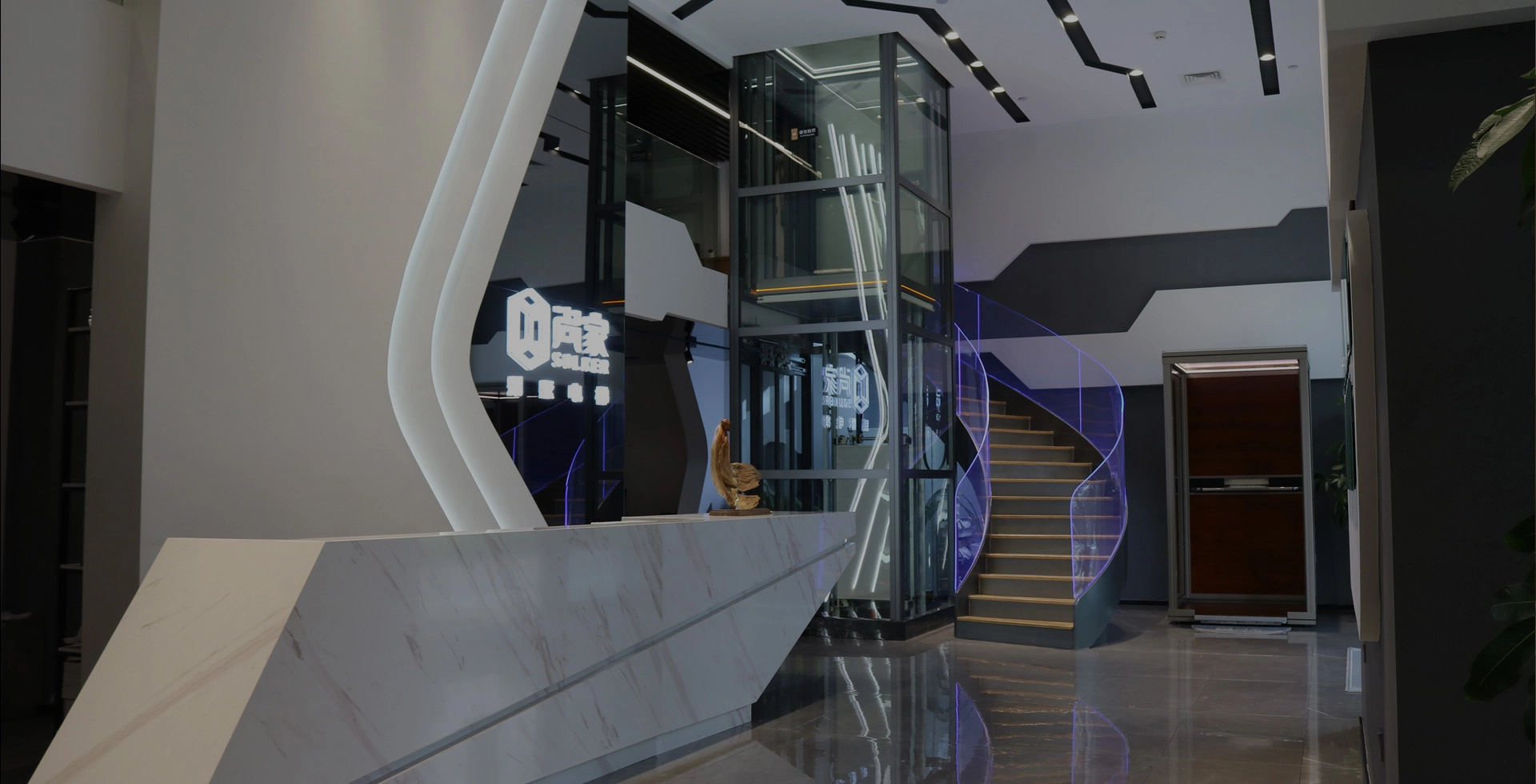
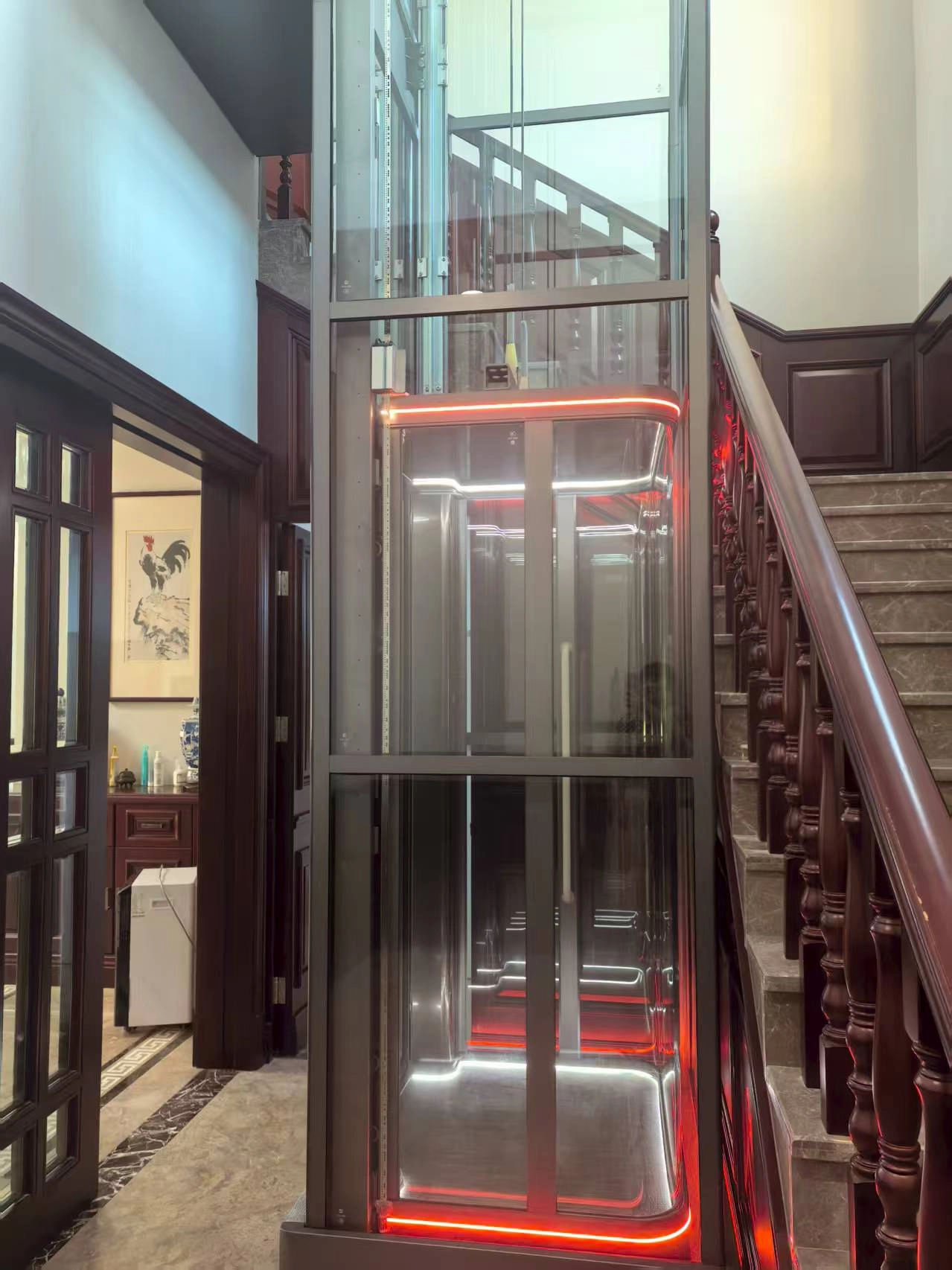
What parts of the elevator can be customized?
You can personalize wall panels, flooring, lighting, control panels, handrails, and door finishes.
How long does a custom order take to deliver?
On average, production takes 30–45 days after confirmation, depending on your configuration.
Can the elevator design be matched to my home's architecture?
Absolutely. Our designers tailor each cabin to complement your interior layout and style.
Can I choose specific materials or colors for the cabin?
Yes. We offer a wide range of premium materials and finishes — from stone to wood to glass.
How long is the production date required?
Under normal circumstances, the production time is 35 to 45 days.
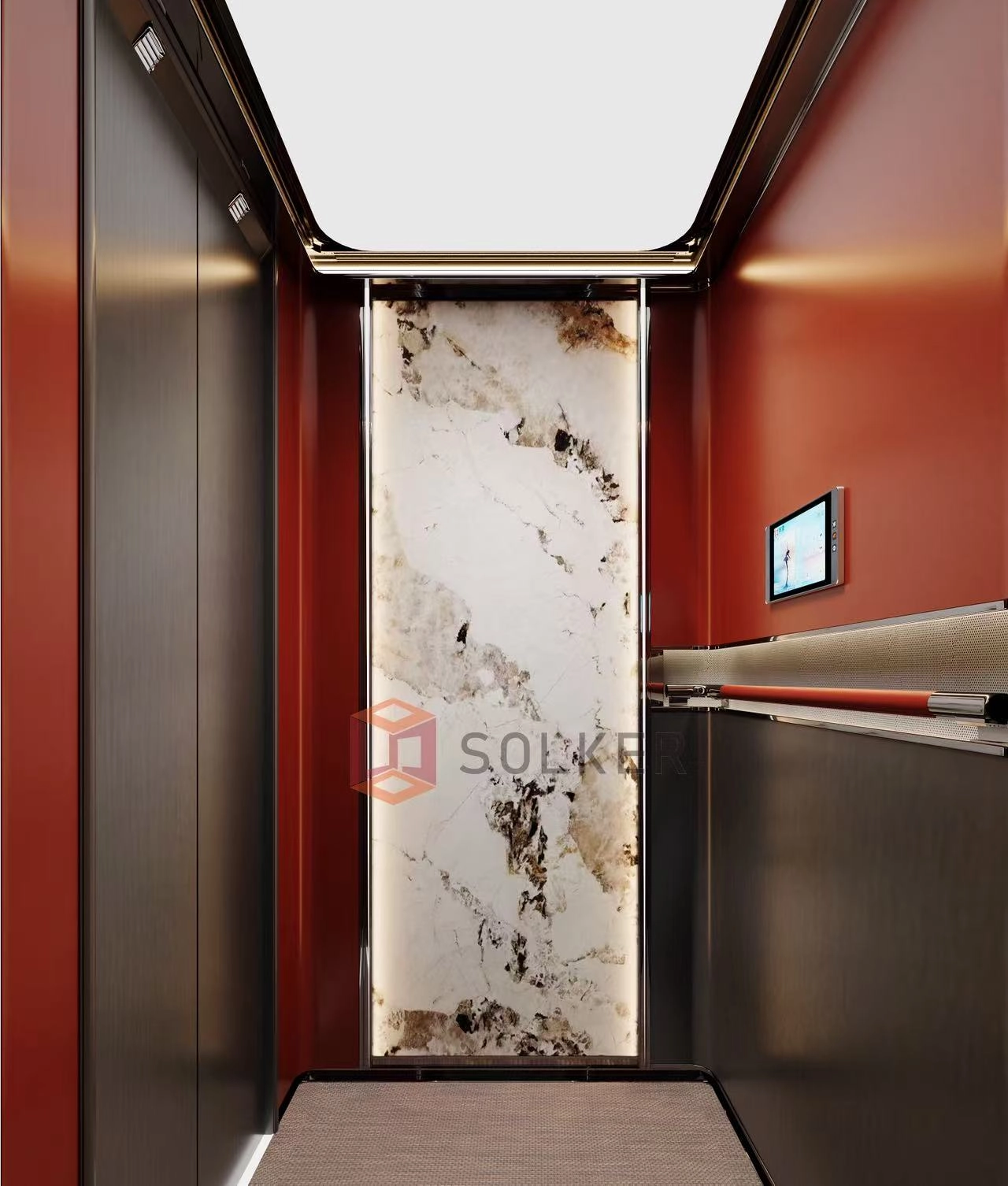
The SOLKER Model-Q3 villa elevator features a Bordeaux Red cabin interior, harmonizing the natural texture of Pandora stone with linen-textured elegant grey stainless steel, accented by refined metal trims. SOLKER's exclusive fully curved seamless integrated forming technology delivers a fluid, joint-free cabin that enhances both safety and aesthetics. Equipped with a built-in HD smart display, every ride becomes a premium experience where technology and artistry converge.
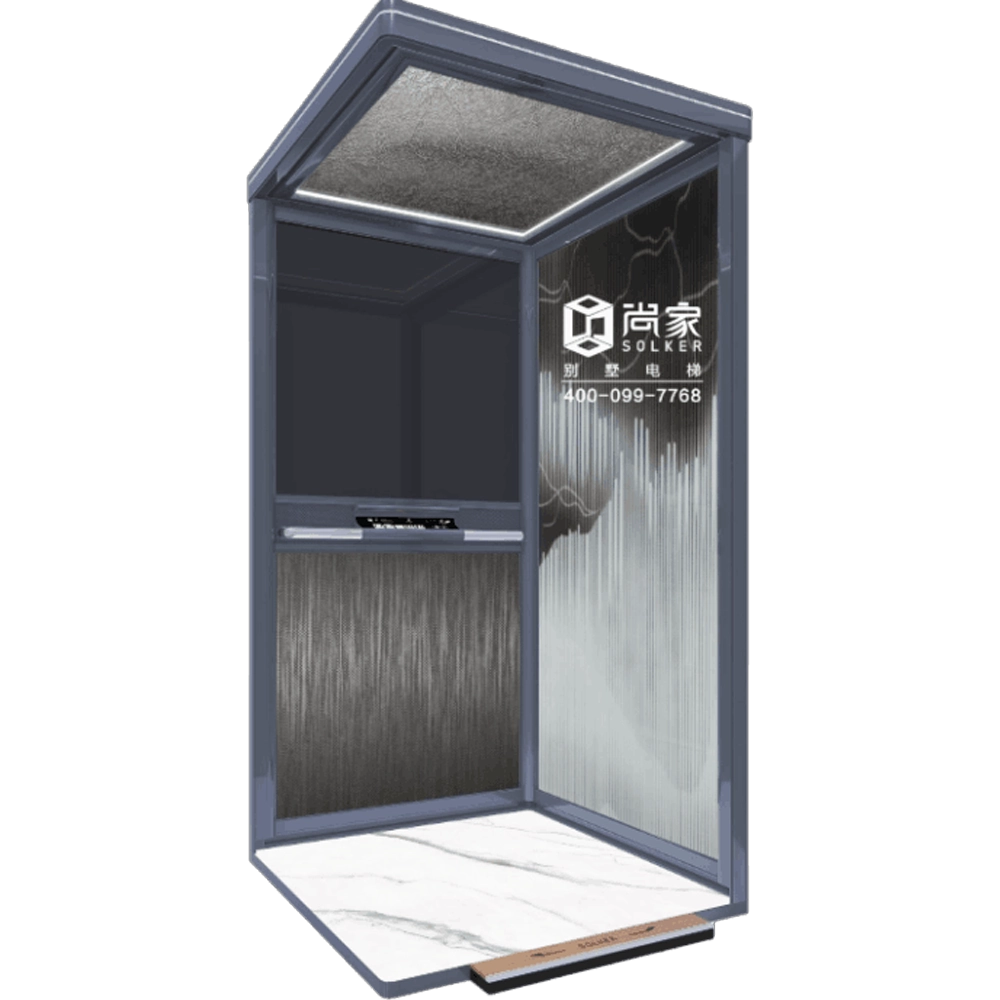
The Model A is a home villa elevator in the Italian minimalist style. It features the most advanced elevator technology and has comprehensive safety protection measures. It is the most reliable guarantee for your passage in villa homes.
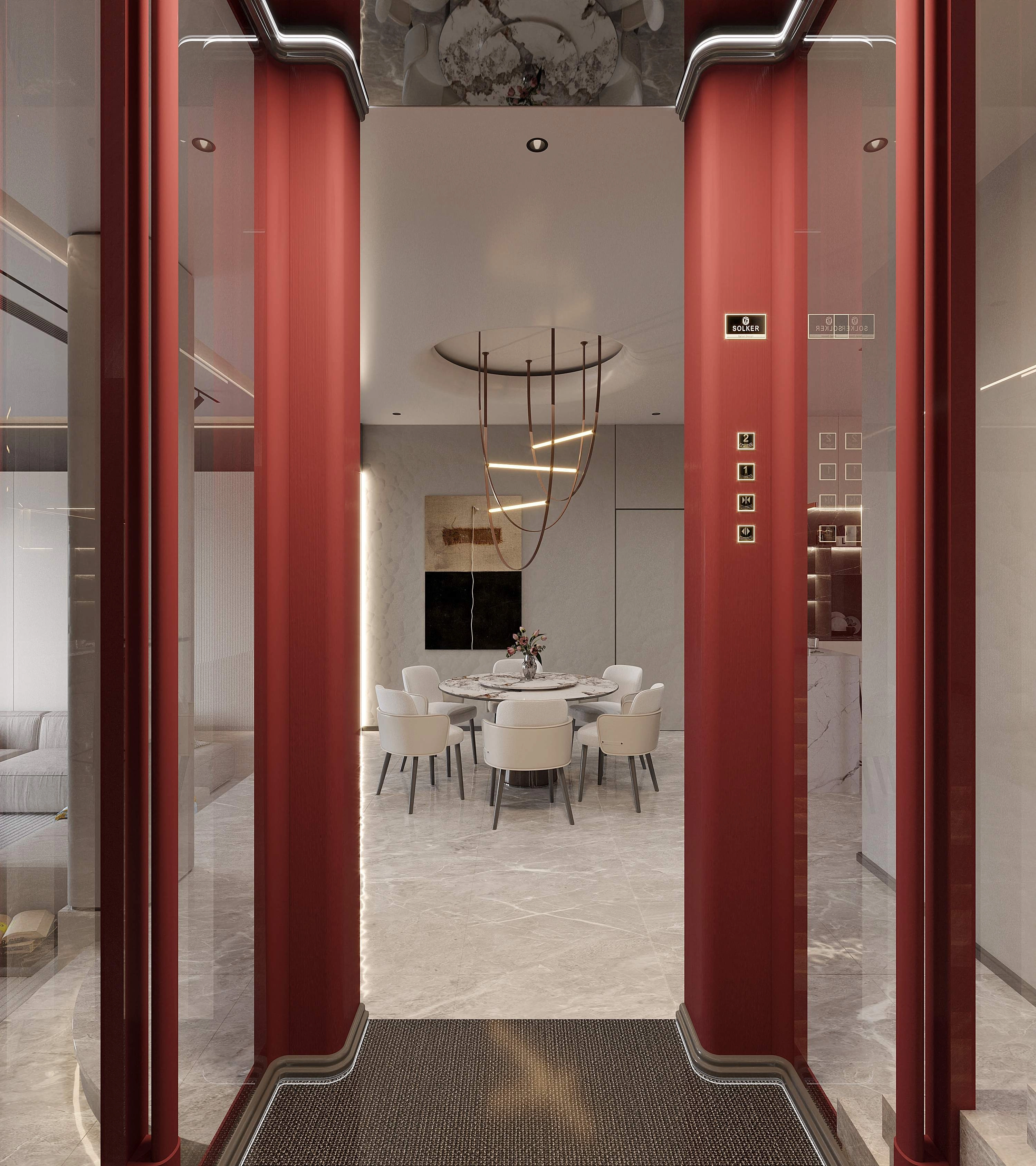
The Model-Mini is a home villa elevator in the Italian minimalist style. It features the most advanced elevator technology and has comprehensive safety protection measures. It is the most reliable guarantee for your passage in villa homes
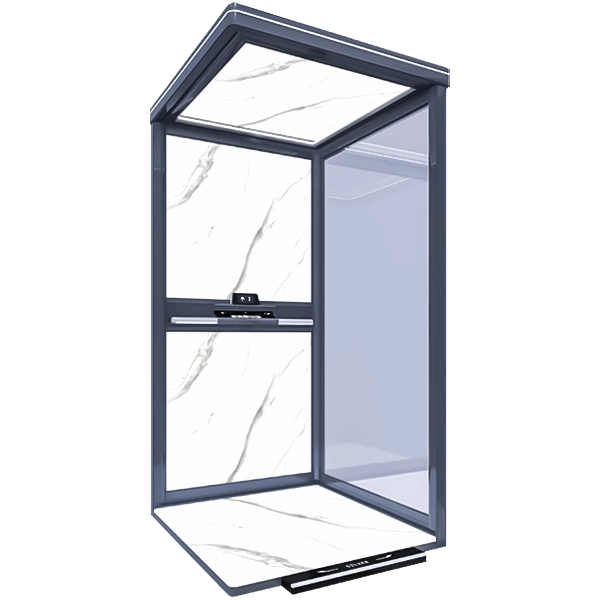
The Model-S is a home villa elevator in the Italian minimalist style. It features the most advanced elevator technology and has comprehensive safety protection measures. It is the most reliable guarantee for your passage in villa homes.
Looking for custom villa lifts manufacturing solutions?
We provide full-service OEM & ODM solutions—from concept to delivery.
Design, prototyping, production, and shipping—all in one place.
Fill out the form below for a free quote or consultation.
👉 Contact us today to start an exclusive customized partnership.
📦 Get product catalogs and wholesale prices.
🔧 Submit your design requirements for 1-to-1 exclusive matchmaking.
🌍 Become our global distribution partner.
Rest assured that your privacy is important to us, and all information provided will be handled with the utmost confidentiality.
Let's get in touch
Email: lin@solkerelevator.com
Tel: +86 133 1668 7566
Address: Floor 1, Building D, Nanxin Industry International, Nancheng District, Dongguan, China.
 Taiwan, China
 No. 21, Lane 38, 206 Yingtai Road, Yingge District, New Taipei City
 +886 0975-299-830
 United Arab Emirates
Capital Mall, Abu Dhabi, United Arab Emirates, 3rd floor, Luxera elevator +971 52 541 4685 Ceo@maharacare.com
 Melbourne, Australia
 19/12 Natalia Av, Oakleigh South, VIC 3167
+61 1300 771 86 sales@goldenhomelifts.com.au
Sydney, Australia
U28/323 Chisholm Road, Auburn, NSW 2144
+61 1300 771 86 sales@goldenhomelifts.com.au
SOLKER
SOLKER