


Outdoor Home Elevator Basics: A Quick Guide
An outdoor home elevator is a residential lift installed on the exterior of a building, such as in a courtyard, on a terrace, alongside an exterior wall, or near a pool. Unlike indoor elevators, outdoor models must be engineered from the ground up to withstand sun exposure, rain, temperature swings, and humidity. This demands significantly higher standards in waterproofing, corrosion resistance, and UV protection.
Outdoor elevators are particularly suited for homes with limited interior space, those wishing to avoid major indoor renovations, or families who want to preserve their interior décor. They improve vertical mobility while also creating an independent outdoor transportation solution that can integrate with the building’s appearance.
The biggest difference between outdoor and indoor elevators lies in weather resistance. An outdoor lift must endure the elements like a miniature building. Here are the key technical points:
Waterproof Sealing
All electrical junction boxes and door control panels on outdoor lifts should meet high waterproof ratings, with additional sealing covers at cable entry points. The pit floor should feature drainage channels, paired with a collection sump and automatic submersible pump to prevent rainwater from soaking pit components. The minimum waterproof rating for outdoor elevators should typically be resistant to splashing water from all directions, with higher ratings recommended for coastal areas.
UV & Sun Protection
Glazed shaft panels should use double-laminated Low-E insulated glass with a UV-resistant coating that blocks most ultraviolet rays, preventing interior fading and aging. External metal frames and car panels should be finished with fluorocarbon coating, which offers longer UV resistance than standard powder coating.
Corrosion Resistance
Exposed guide rails should be galvanized and coated with weather-resistant grease. Bottom frames and platforms require anti-corrosion treatment, and coastal areas demand materials and coatings specifically resistant to salt spray. Hot-dip galvanized steel or reinforced aluminum alloy profiles are recommended for shaft construction.
Lightning & Extreme Weather Adaptation
Electrical systems should include surge protection modules connected to the building’s grounding network to prevent lightning-induced damage to the control board. In cold climates, a thermostatic heating film can be installed inside the car to prevent condensation in winter.
3. Safety Standards & Regulations
Outdoor home elevators must comply with the same safety codes as indoor units while also meeting additional requirements for outdoor environments. The ingress protection rating is a critical selection criterion. Higher ratings indicate better protection. Outdoor elevator distribution boxes should have a minimum dust-and-splash protection rating, with some regulations requiring a higher rating plus a security lock.
In addition, outdoor shafts should use steel or aluminum alloy structures, with reinforced concrete pits. Installation must be performed by qualified professionals and subject to inspection by special equipment authorities. Smart-locked stainless steel protective enclosures around landing doors and anti-pry alarm sensors inside hall doors are recommended for enhanced security.
4. Installation Conditions & Considerations
Before installation, ensure adequate exterior space is available. A minimum footprint of 1.7 m × 1.6 m is recommended for outdoor additions. Smaller dimensions not only compromise comfort but also increase customization costs.
In terms of drive systems, screw-driven elevators are ideal for outdoor installation. They require no pit or machine room, come with an integrated shaft, and their purely mechanical transmission eliminates the risks of cable breakage or hydraulic oil leakage. Traction elevators offer smoother and quieter operation but demand more civil engineering work. Homeowners should choose based on floor count, usage frequency, and budget.
5. Daily Maintenance Tips
Outdoor elevators require more frequent maintenance than indoor ones. Cleaning frequency should be at least double that of indoor units. Key tasks include regularly clearing dust and debris around the pit and platform, checking seals and waterproof strips for aging, and scheduling an annual full waterproofing inspection covering circuit insulation and mechanical anti-rust conditions. Lubricant checks should be intensified before and after extreme temperature seasons.
6. About SOLKER
SOLKER is a premium villa elevator brand under Dongguan Shangjia Elevator Technology Co., Ltd. Its core team brings over two decades of expertise in home elevator R&D, design, manufacturing, and maintenance. SOLKER’s outdoor elevator line is purpose-built for exterior installation, featuring corrosion-resistant materials, sealed electrical components, and climate-adaptive car structures that withstand rain, sun, and temperature fluctuations. It is ideal for terraces, courtyards, and poolside settings.
SOLKER outdoor elevators are designed to integrate seamlessly with architectural aesthetics, offering customizable options including glass facades and metal finishes, with full-process service from site survey and design to installation and scheduled maintenance.
For more information, visit SOLKER’s official website: www.solker.cn
This article is for educational purposes. For specific product specifications and installation plans, please consult a professional elevator service provider.
FAQ
Will an outdoor home elevator leak or cause electrical hazards when it rains?
A qualified outdoor home elevator is designed with waterproofing and electrical safety in mind. Critical components such as electrical junction boxes and door control panels usually adopt high waterproof and dustproof ratings, while cable entry points at the car bottom are fitted with sealing covers. The pit area is typically equipped with drainage channels, a collection sump, and an automatic submersible pump to prevent rainwater from soaking pit components. The electrical system is also connected to leakage protection and lightning grounding to reduce the risk of electric shock and lightning damage. SOLKER outdoor elevators use sealed electrical components, weather-resistant materials, and drainage protection designed for outdoor environments. With proper installation and regular maintenance, they can effectively handle rainy conditions. However, during extreme storms, flooding, or thunderstorms, it is recommended to pause use and arrange a professional inspection
Will an outdoor elevator freeze in winter or be damaged by the sun in summer?
Outdoor elevators must adapt to temperature swings, sunlight, and humidity. For cold winters, a thermostatic heating film can be installed inside the car, and low-temperature lubricants can help prevent condensation and component sticking. For hot summers and UV exposure, glazed shaft panels can use double-laminated Low-E insulated glass, while metal frames and car panels can adopt fluorocarbon coating and other weather-resistant finishes to slow fading, aging, and corrosion. SOLKER outdoor elevators focus on climate adaptability in material selection and structural design, making them suitable for terraces, courtyards, and poolside settings. During extreme weather such as severe cold, snowstorms, or heat warnings, it is advisable to reduce use and strengthen inspections.
Is installation and maintenance of an outdoor elevator troublesome?
Outdoor elevator installation does involve additional outdoor requirements compared with indoor elevators, such as confirming exterior space, foundation load-bearing capacity, power supply, drainage conditions, and lightning grounding. A minimum footprint of about 1.7 m × 1.6 m is generally recommended, subject to on-site survey. In terms of maintenance, outdoor elevators usually require more frequent cleaning and servicing than indoor ones. Key checks include seals, waterproof strips, drainage systems, rust prevention, and lubricant condition. An annual comprehensive waterproofing and electrical safety inspection is recommended. SOLKER provides full-process service from site survey and solution design to installation, commissioning, and scheduled maintenance. Customized outdoor elevator solutions are available for courtyards, terraces, exterior walls, and other scenarios. For specific installation conditions and maintenance cycles, please consult SOLKER professionals.
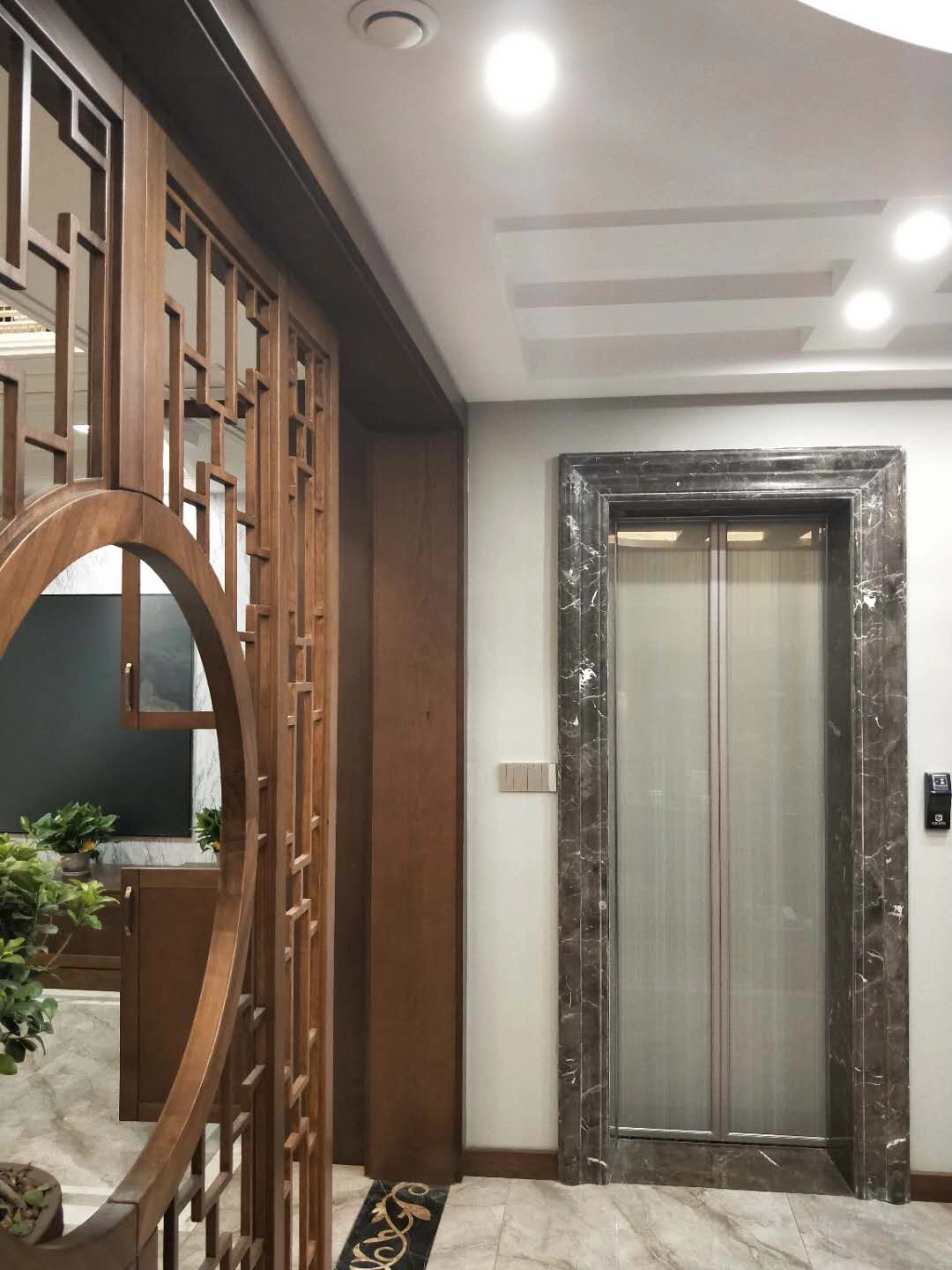
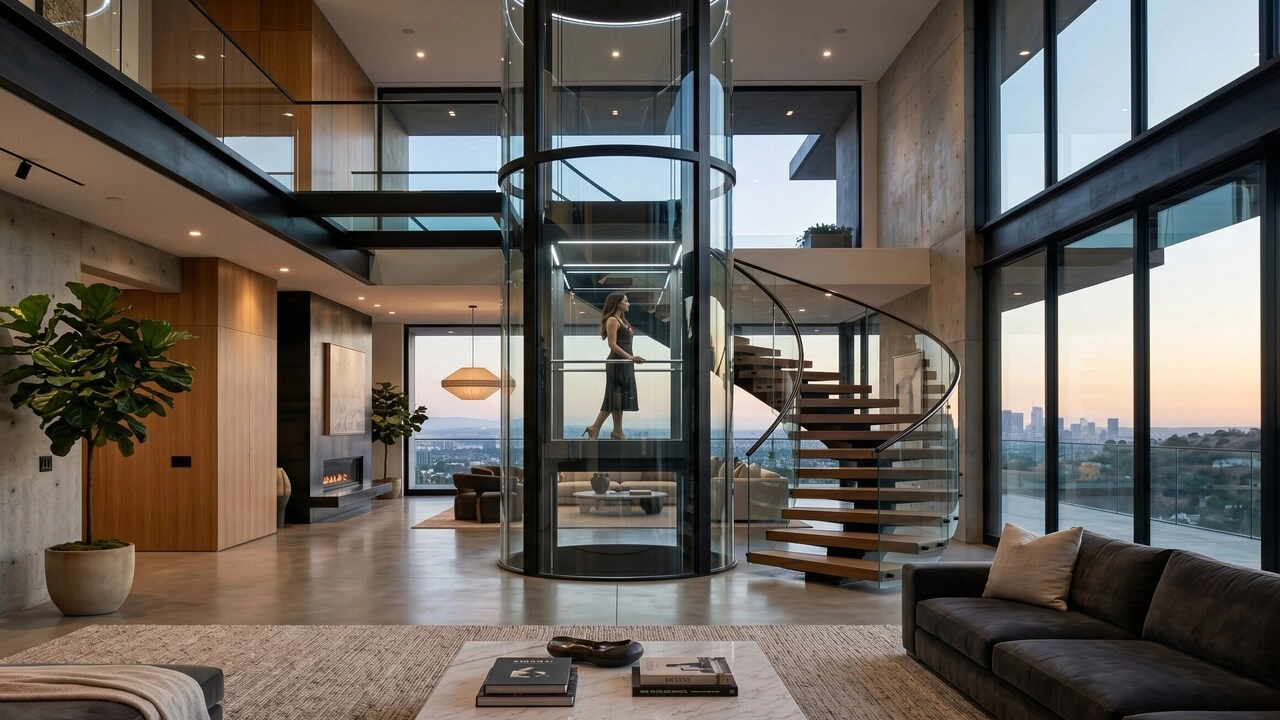
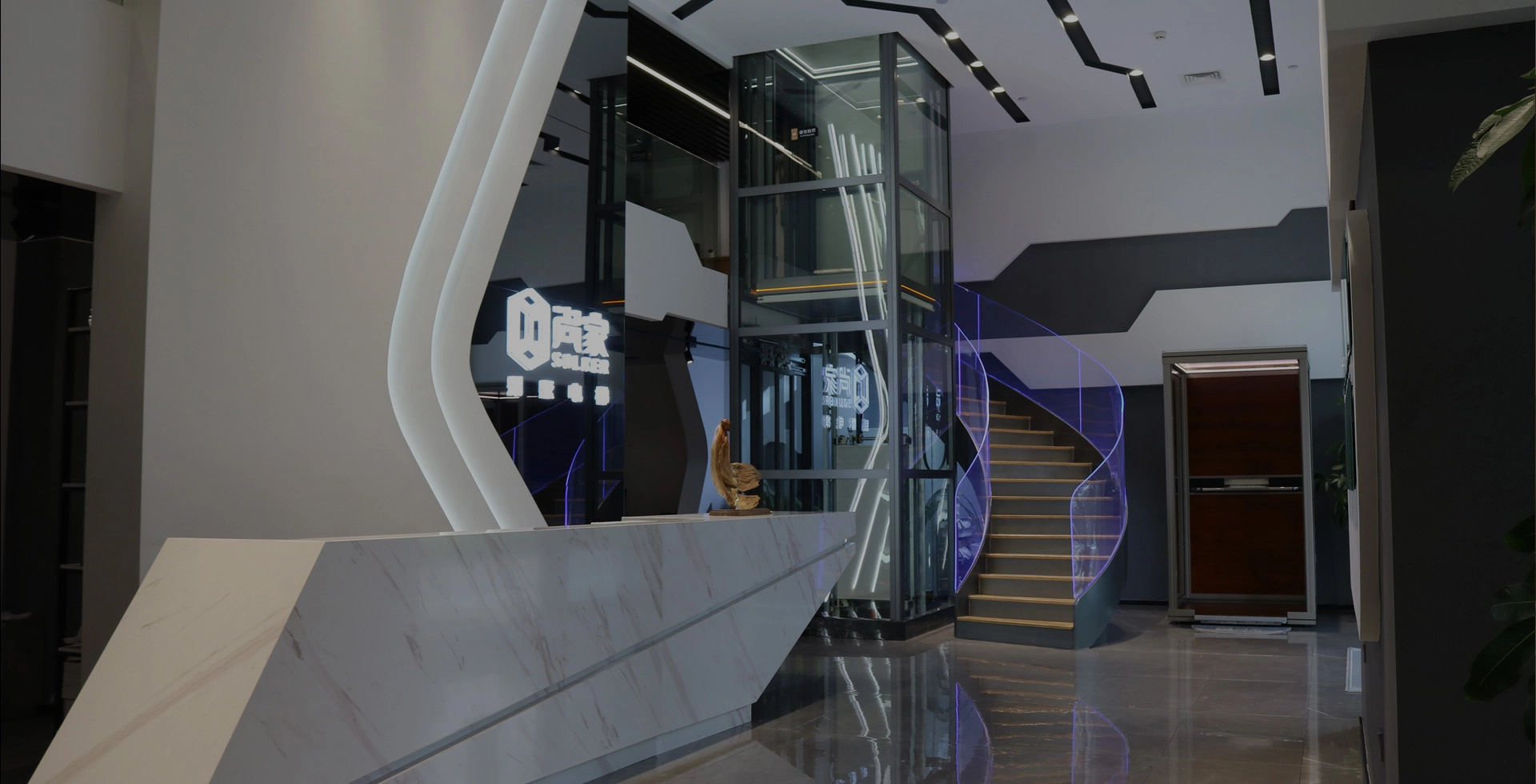
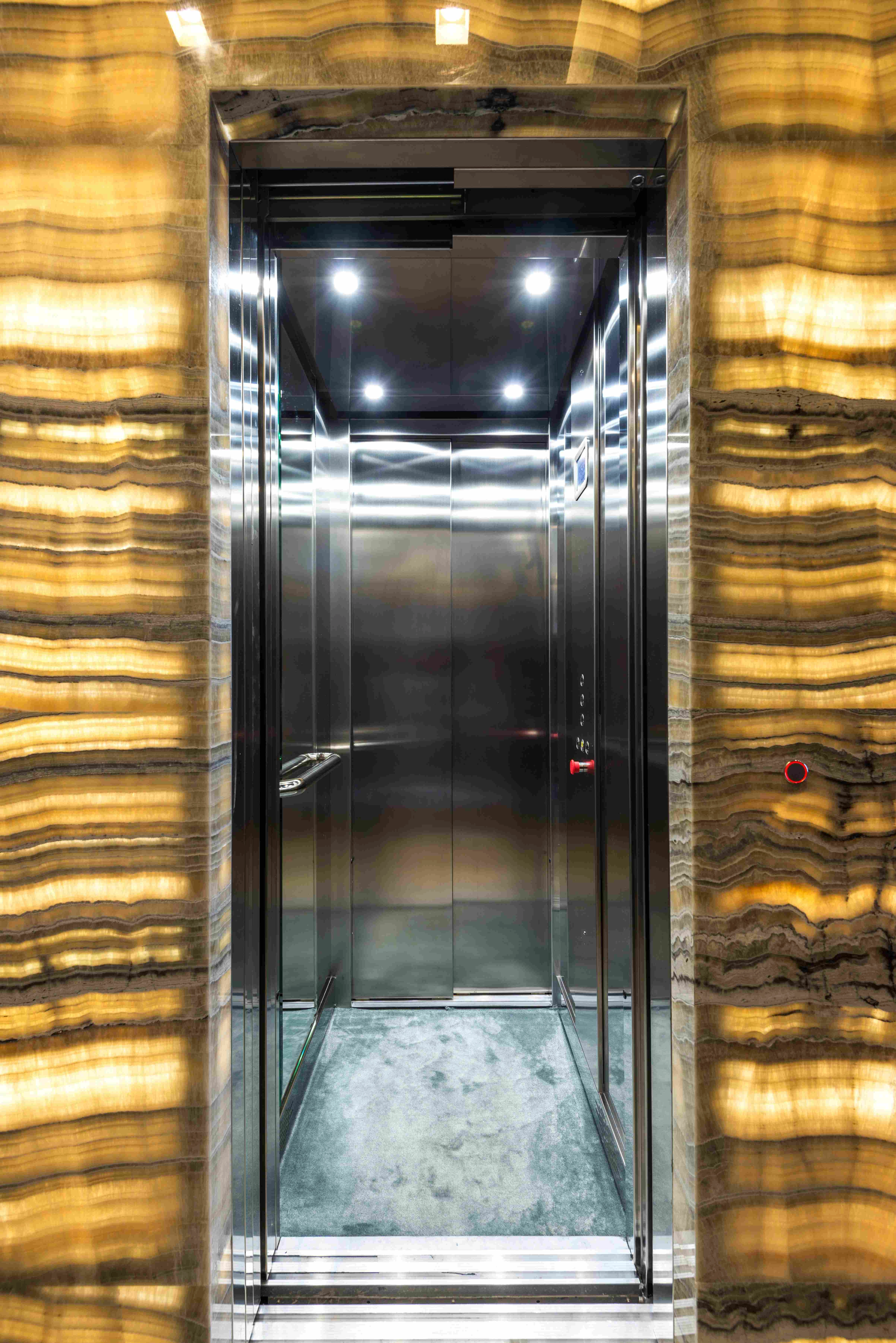
Customize
Can I choose specific materials or colors for the cabin?
Yes. We offer a wide range of premium materials and finishes — from stone to wood to glass.
What parts of the elevator can be customized?
You can personalize wall panels, flooring, lighting, control panels, handrails, and door finishes.
Can the elevator design be matched to my home's architecture?
Absolutely. Our designers tailor each cabin to complement your interior layout and style.
Is customization available for both indoor and outdoor elevators?
Yes. All custom options apply to indoor and weatherproof outdoor models.
Product
How to install an elevator and what is the warranty?
We have overseas technicians who are at your service 24 hours a day, 365 days a year.
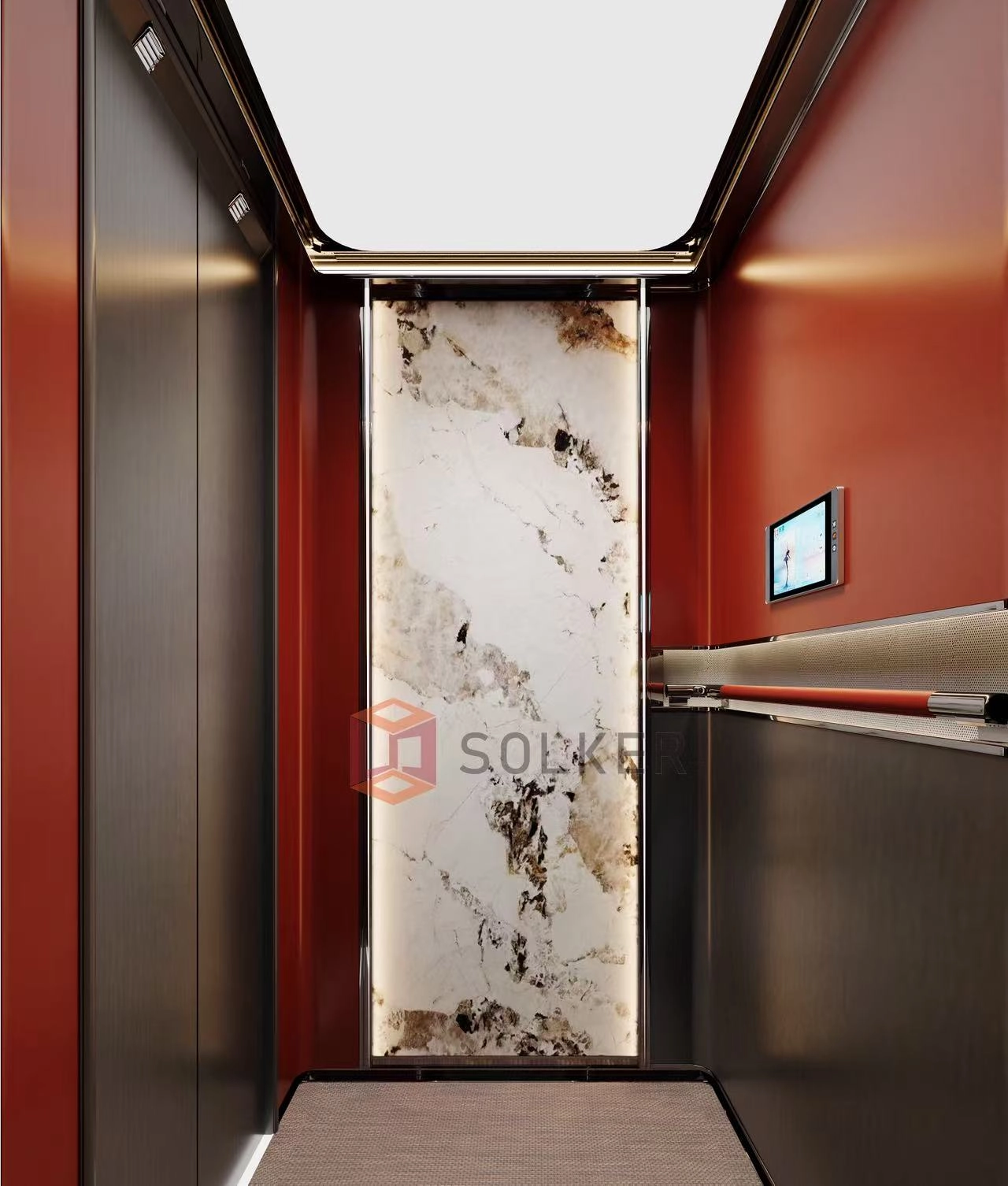
The SOLKER Model-Q3 villa elevator features a Bordeaux Red cabin interior, harmonizing the natural texture of Pandora stone with linen-textured elegant grey stainless steel, accented by refined metal trims. SOLKER's exclusive fully curved seamless integrated forming technology delivers a fluid, joint-free cabin that enhances both safety and aesthetics. Equipped with a built-in HD smart display, every ride becomes a premium experience where technology and artistry converge.
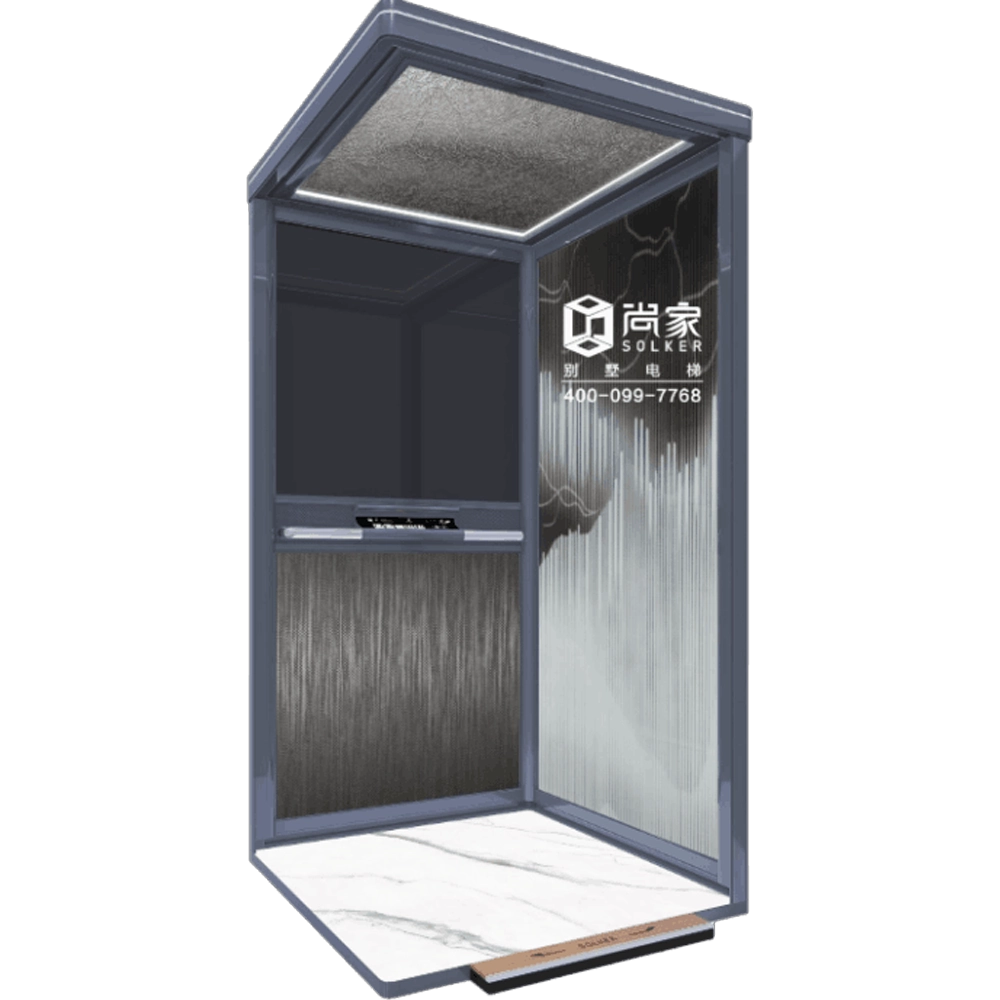
The Model A is a home villa elevator in the Italian minimalist style. It features the most advanced elevator technology and has comprehensive safety protection measures. It is the most reliable guarantee for your passage in villa homes.
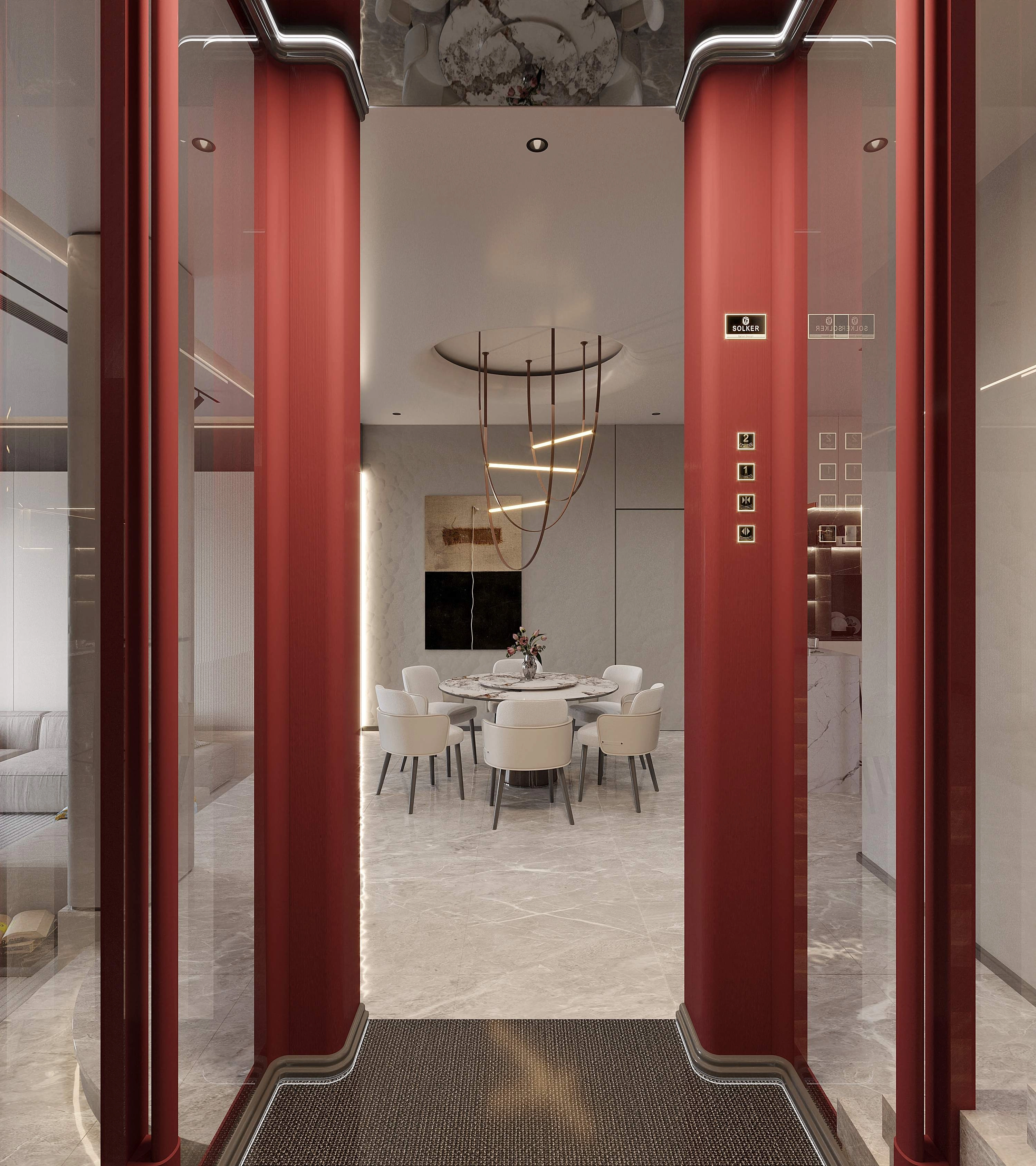
The Model-Mini is a home villa elevator in the Italian minimalist style. It features the most advanced elevator technology and has comprehensive safety protection measures. It is the most reliable guarantee for your passage in villa homes
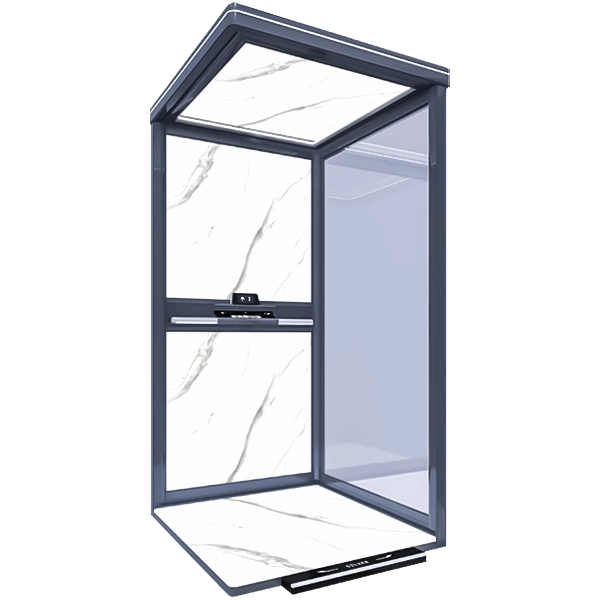
The Model-S is a home villa elevator in the Italian minimalist style. It features the most advanced elevator technology and has comprehensive safety protection measures. It is the most reliable guarantee for your passage in villa homes.
Looking for custom villa lifts manufacturing solutions?
We provide full-service OEM & ODM solutions—from concept to delivery.
Design, prototyping, production, and shipping—all in one place.
Fill out the form below for a free quote or consultation.
👉 Contact us today to start an exclusive customized partnership.
📦 Get product catalogs and wholesale prices.
🔧 Submit your design requirements for 1-to-1 exclusive matchmaking.
🌍 Become our global distribution partner.
Rest assured that your privacy is important to us, and all information provided will be handled with the utmost confidentiality.
Let's get in touch
Email: lin@solkerelevator.com
Tel: +86 133 1668 7566
Address: Floor 1, Building D, Nanxin Industry International, Nancheng District, Dongguan, China.
 Taiwan, China
 No. 21, Lane 38, 206 Yingtai Road, Yingge District, New Taipei City
 +886 0975-299-830
 United Arab Emirates
Capital Mall, Abu Dhabi, United Arab Emirates, 3rd floor, Luxera elevator +971 52 541 4685 Ceo@maharacare.com
 Melbourne, Australia
 19/12 Natalia Av, Oakleigh South, VIC 3167
+61 1300 771 86 sales@goldenhomelifts.com.au
Sydney, Australia
U28/323 Chisholm Road, Auburn, NSW 2144
+61 1300 771 86 sales@goldenhomelifts.com.au
SOLKER
SOLKER