


Screw Drive vs. Forced Drive Home Elevators: No Perfect Drive, Only the Right Fit
Screw drive and forced-drive elevators often appear on the same shortlist when a project is described as “space-constrained.” Both can be installed where a conventional traction elevator struggles, but they solve the space problem in fundamentally different ways—and they extract fundamentally different prices for that solution. This article does not pick a winner. It puts the working principles, genuine strengths, and real limitations side by side, so the trade-offs are visible before you commit. No elevator is perfect. At SOLKER, however, we can tailor a solution to your specific building conditions and daily habits—closer to the “right” answer than any off-the-shelf category can be on its own.
- 1. Two “space-constrained solutions,” two different logics
- 2. Screw drive: standout safety and spatial adaptability, at the cost of speed and height
- 3. Forced drive: shaft efficiency is the headline, long-term reliability is the caveat
- 4. The trade-offs at a glance
- 5. There is no perfect elevator—but SOLKER can make the fit far closer
- FAQ
1. Two “space-constrained solutions,” two different logics
A screw drive elevator is almost brutally mechanical: a motor rotates a nut along a screw, and the threaded engagement directly raises or lowers the car platform. There is no steel rope, no counterweight, and no friction-based traction process.-2
A forced-drive elevator (also called a positive-drive elevator) is essentially a traction variant stripped of its counterweight. A permanent-magnet synchronous gearless machine drives a steel-rope drum coaxially, hauling the car upward directly. The logic is “positive lift,” with nothing on the other side of the pulley to share the load.-12
One relies on thread self-locking; the other relies on a drum pulling a rope. That single difference dictates where each technology excels—and where it pays for its advantages.
2. Screw drive: standout safety and spatial adaptability, at the cost of speed and height
Strengths
The defining strength of a screw drive elevator is how little it demands from the building. Most models require no pit excavation, and the top-headroom requirement is far lower than that of a conventional elevator—some units can be installed with less than 2,500 mm of overhead clearance. For renovated homes, narrow stairwell voids, duplexes, and stacked villas where major civil works are off the table, a screw drive is often the only viable option, not merely the best one.-7-19
Its safety logic is equally distinctive. The threaded engagement between nut and screw is inherently self-locking: in a power failure, the car does not slide down, and the risk of free-fall is eliminated at the mechanical level. This is passive safety—it does not depend on the coordinated triggering of overspeed governors, safety gears, or other active devices.-2
Mechanical simplicity also translates into maintenance simplicity. The primary moving parts are the screw and the nut. There are no steel ropes to inspect for wear, no guide rails to lubricate, and no hydraulic oil to replace. The routine maintenance points are notably fewer.-7
Limitations
The price is equally clear. Speed is the first hard constraint. Residential screw drive elevators typically run at 0.15–0.3 m/s; one floor takes roughly ten to twenty seconds, and the efficiency gap widens with travel distance. For homes of three floors or more, or for households with frequent daily use, the difference in pace is difficult to ignore.-2
The mechanical engagement produces a persistent, low-frequency noise and a degree of vibration during travel—more noticeable in a quiet house than the operation of traction-based systems. Travel height is also limited by screw length, which is why screw solutions concentrate in the two-to-four-floor range and are not intended for long runs.-3-7
Finally, the precision machining required for the screw pushes up equipment cost. Screw drive elevators generally sit at a higher price point than conventional traction packages, a factor that must be weighed against budget sensitivity.-15
3. Forced drive: shaft efficiency is the headline, long-term reliability is the caveat
Strengths
Forced drive has essentially one core selling point, but it is a hard one: without a counterweight, almost the entire shaft footprint becomes usable car space. A conventional traction elevator must reserve room for the counterweight and its guide rails, yielding a shaft utilization rate of around 56%. A forced-drive system can reach roughly 61%, and the advantage becomes especially pronounced in extremely small shafts. When shaft width or area is already fixed and the goal is the largest possible car, forced drive is a pragmatic way to extract every available millimeter.-11-19
The structure is also simpler, with fewer components than a conventional traction elevator and a lower installation complexity. For projects where top headroom and pit depth are constrained but not quite extreme enough to mandate a screw drive, forced drive offers an intermediate option.-12
Limitations
The weaknesses of forced drive show up on the long-term ledger. Because there is no counterweight to share the load, the machine must lift the full weight of the car directly. The required motor power is significantly higher, and energy consumption is typically two to three times that of a conventional traction elevator, sometimes more. The electricity cost difference compounds over years of daily use.-11
The “positive haul” also takes a heavy toll on the steel rope and drum grooves. The rope runs at an angle from the drum to the sheave, continuously rubbing against the groove. Wear accelerates, and inspection and replacement cycles must be correspondingly frequent. Mechanical components under sustained high load are also more prone to fatigue, and the long-term maintenance frequency and cost trend higher than those of conventional traction systems.-11-19
Noise and ride smoothness are not strengths either. The drum machine must sit close to the shaft, making motor and gearbox noise more apparent in a quiet home. Without the balancing effect of a counterweight, start-stop and travel smoothness also lag behind conventional traction systems. On the safety side, forced drive depends on rope suspension; stretching or abnormal behavior in a single rope directly affects car attitude, making rope inspection a non-negotiable ongoing commitment.-11-15
4. The trade-offs at a glance
| Dimension | Screw drive | Forced drive |
|---|---|---|
| Drive logic | Nut rotates along screw; mechanical self-locking lift | Drum winds steel rope; no counterweight |
| Spatial fit | No/ shallow pit, very low headroom requirement; footprint as small as ~1 m² | High shaft utilization (~61%); suits very small shafts |
| Safety logic | Passive mechanical self-lock; no slide on power loss | Rope- and drum-dependent; wear inspection essential |
| Speed | 0.15–0.3 m/s; deliberately slow | Typically ~0.3 m/s; not a speed-oriented solution either |
| Noise | Mechanical engagement noise, low and persistent | Drum/gearbox noise, usually more pronounced |
| Energy | Low motor power | No counterweight; notably high consumption |
| Maintenance | Simple structure, few consumables | Rope and groove wear; higher inspection frequency |
| Cost tendency | Higher equipment cost | Mid-range equipment cost, higher lifetime cost |
| Best suited to | 2–4 floors, renovation, zero pit, safety-first | Extremely small shafts, space-critical retrofits |
5. There is no perfect elevator—but SOLKER can make the fit far closer
A screw drive elevator is not “the better elevator,” and a forced-drive elevator is not “the worse one.” They are engineering compromises made under different constraints. Screw drive trades speed and cost for extreme spatial adaptability and passive safety. Forced drive trades long-term energy and reliability for maximum shaft area. The selection question is not which technology is more “advanced,” but which set of trade-offs sits closest to the acceptable balance given your building, your usage pattern, your budget structure, and your long-term expectations.
What SOLKER does is push that balance one step closer to your side, precisely because the perfect option does not exist. We do not lead with a one-size-fits-all recommendation. We start from measured site data—shaft dimensions, pit depth, headroom clearance, load-bearing conditions, household composition, and daily frequency of use—and match the drive format, car size, door configuration, interior finishes, and control logic accordingly. Whether it is fine-tuning the speed-to-space ratio of a screw solution or squeezing the last available centimeter out of an exceptionally tight shaft with a forced-drive approach, SOLKER provides a complete customization chain from survey and design through installation and after-sales service, rather than asking you to choose from a menu of standard products.
If you are caught between the two, or if your building conditions make every standard category feel like a stretch, the most useful thing you can do is share the actual numbers. A better elevator is not selected from a category. It is defined around your conditions.
FAQ
Which is more suitable for a renovated home or a small-shaft retrofit—screw drive or forced drive?
There is no simple “better” answer; it depends on the site constraints. If the project has zero or very shallow pit depth, very low headroom, a tiny footprint, two to four floors, elderly or child users, and safety as the priority, a screw drive elevator is usually the better fit. It demands little civil work, and the nut-screw mechanical engagement is self-locking, so the car will not slide down during a power failure. If the shaft area is already fixed and you want the largest possible car, while pit and headroom conditions are constrained but not extreme, a forced-drive elevator can be a pragmatic “space-extraction” option thanks to its counterweight-free design and high shaft utilization rate of roughly 61%. The final decision should be based on measured shaft dimensions, pit depth, headroom clearance, load-bearing conditions, and usage frequency. No elevator is perfect, but SOLKER can tailor a better-matched solution to your actual building conditions.
Are the energy and maintenance costs of forced-drive elevators really higher? Why?
Generally, yes. A forced-drive elevator has no counterweight to balance the car weight, so the machine must directly overcome the full weight of the car. This requires higher motor power, and energy consumption is commonly two to three times that of a conventional traction elevator, sometimes more. On maintenance, the positive hauling action causes continuous friction between the steel rope and the drum grooves. Wear is faster than in conventional traction systems, so rope inspection and replacement are more frequent. Mechanical components under sustained high load also face higher fatigue risk, pushing long-term maintenance frequency and cost upward. If usage is very low and travel is short, the gap narrows—but the high-load logic of “no counterweight” does not change. Forced drive is therefore better suited to projects with extreme space constraints where long-term cost is traded for shaft utilization.
Which is safer during a power failure, and which is easier to maintain day to day?
In terms of power-failure safety logic, screw drive has a natural advantage: the mechanical engagement between nut and screw is self-locking, so the car will not slide down when power is lost. This is passive safety and does not rely on the coordinated action of overspeed governors or safety gears. A forced-drive elevator depends on steel-rope suspension and the drum system; during a power failure it relies on the brake, and routine inspection of rope stretch, wear, and groove condition is essential. In terms of day-to-day maintenance, screw drive has a simpler structure—the main moving parts are the screw and nut—with no steel-rope wear, guide-rail lubrication, or hydraulic oil replacement, so there are fewer maintenance points. Forced drive suffers faster rope and groove wear and requires more frequent inspection. That said, no elevator is completely maintenance-free; regular servicing remains the safety baseline. SOLKER can customize both the drive solution and the maintenance plan based on your usage frequency and site conditions.
Customize
Is customization available for both indoor and outdoor elevators?
Yes. All custom options apply to indoor and weatherproof outdoor models.
Do I need architectural drawings to start customization?
Not required initially. We can start with basic dimensions or photos and assist with full planning.
Can the elevator design be matched to my home's architecture?
Absolutely. Our designers tailor each cabin to complement your interior layout and style.
Can I choose specific materials or colors for the cabin?
Yes. We offer a wide range of premium materials and finishes — from stone to wood to glass.
Product
How long is the production date required?
Under normal circumstances, the production time is 35 to 45 days.
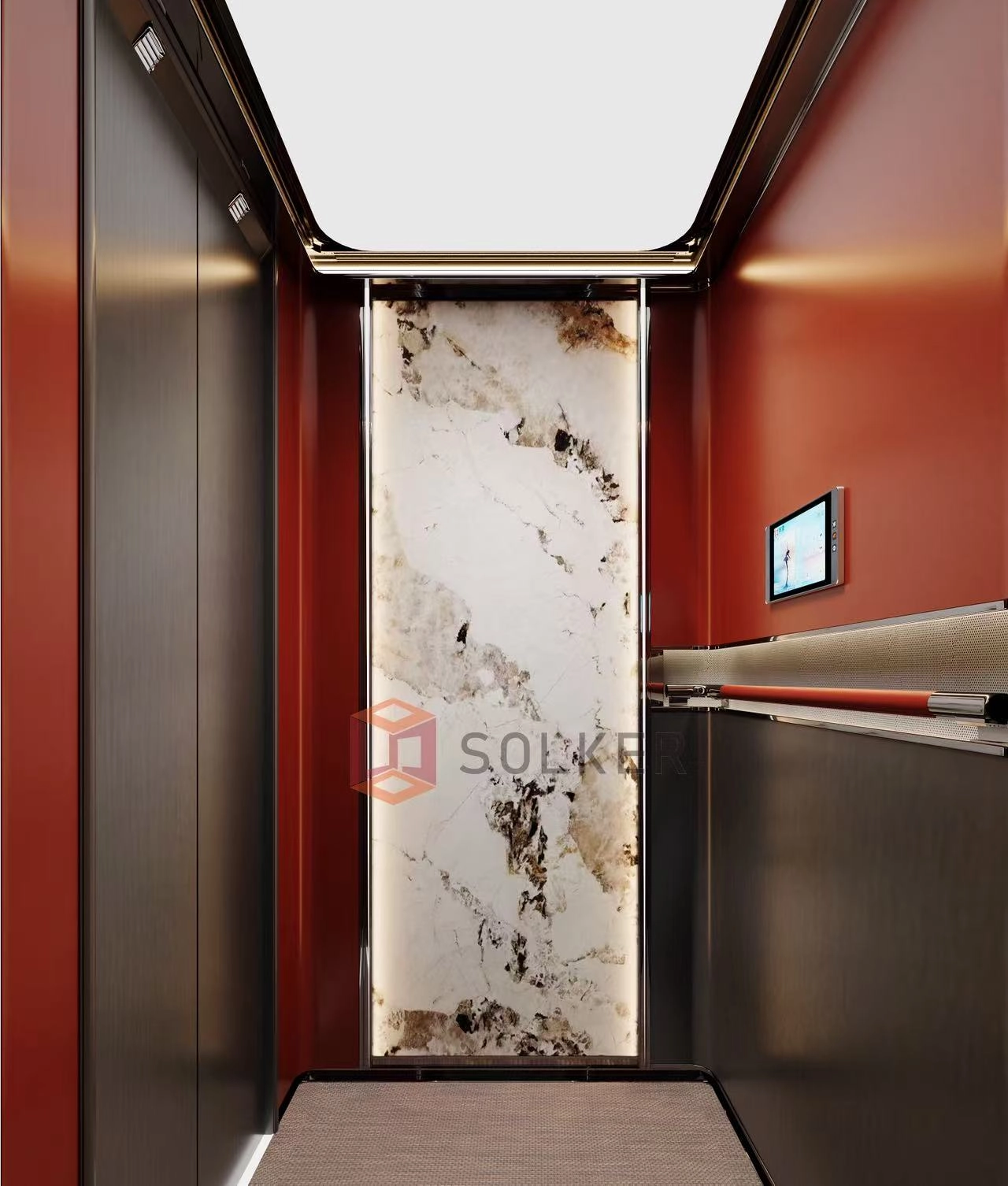
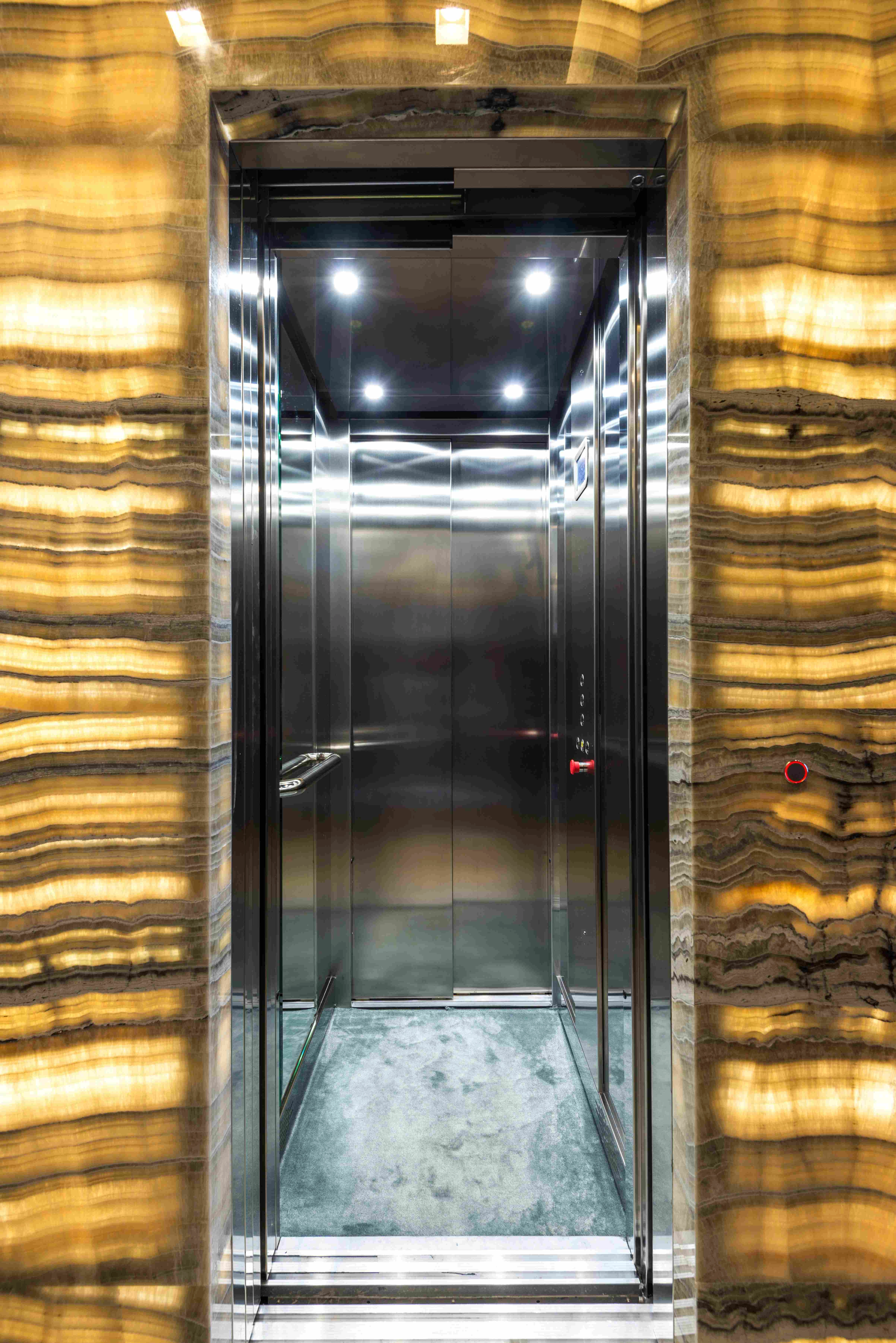
The SOLKER Model-Q3 villa elevator features a Bordeaux Red cabin interior, harmonizing the natural texture of Pandora stone with linen-textured elegant grey stainless steel, accented by refined metal trims. SOLKER's exclusive fully curved seamless integrated forming technology delivers a fluid, joint-free cabin that enhances both safety and aesthetics. Equipped with a built-in HD smart display, every ride becomes a premium experience where technology and artistry converge.
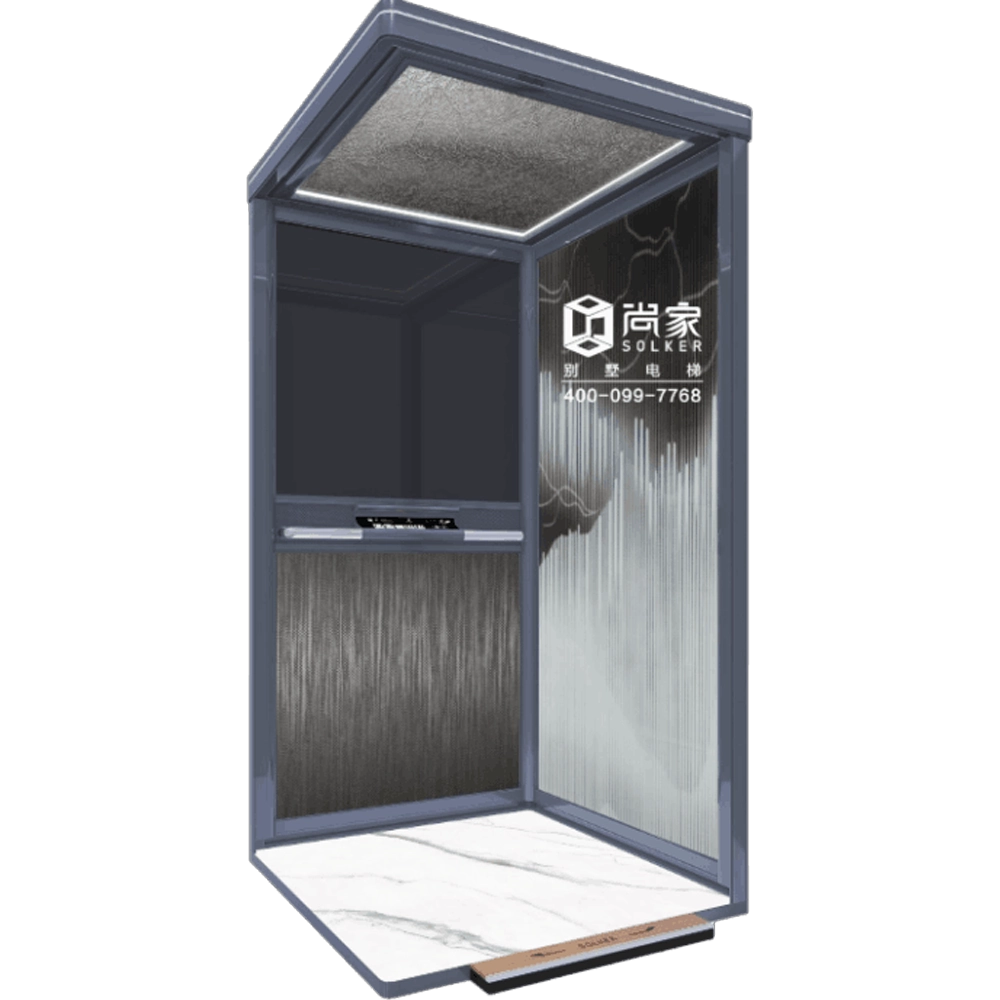
The Model A is a home villa elevator in the Italian minimalist style. It features the most advanced elevator technology and has comprehensive safety protection measures. It is the most reliable guarantee for your passage in villa homes.
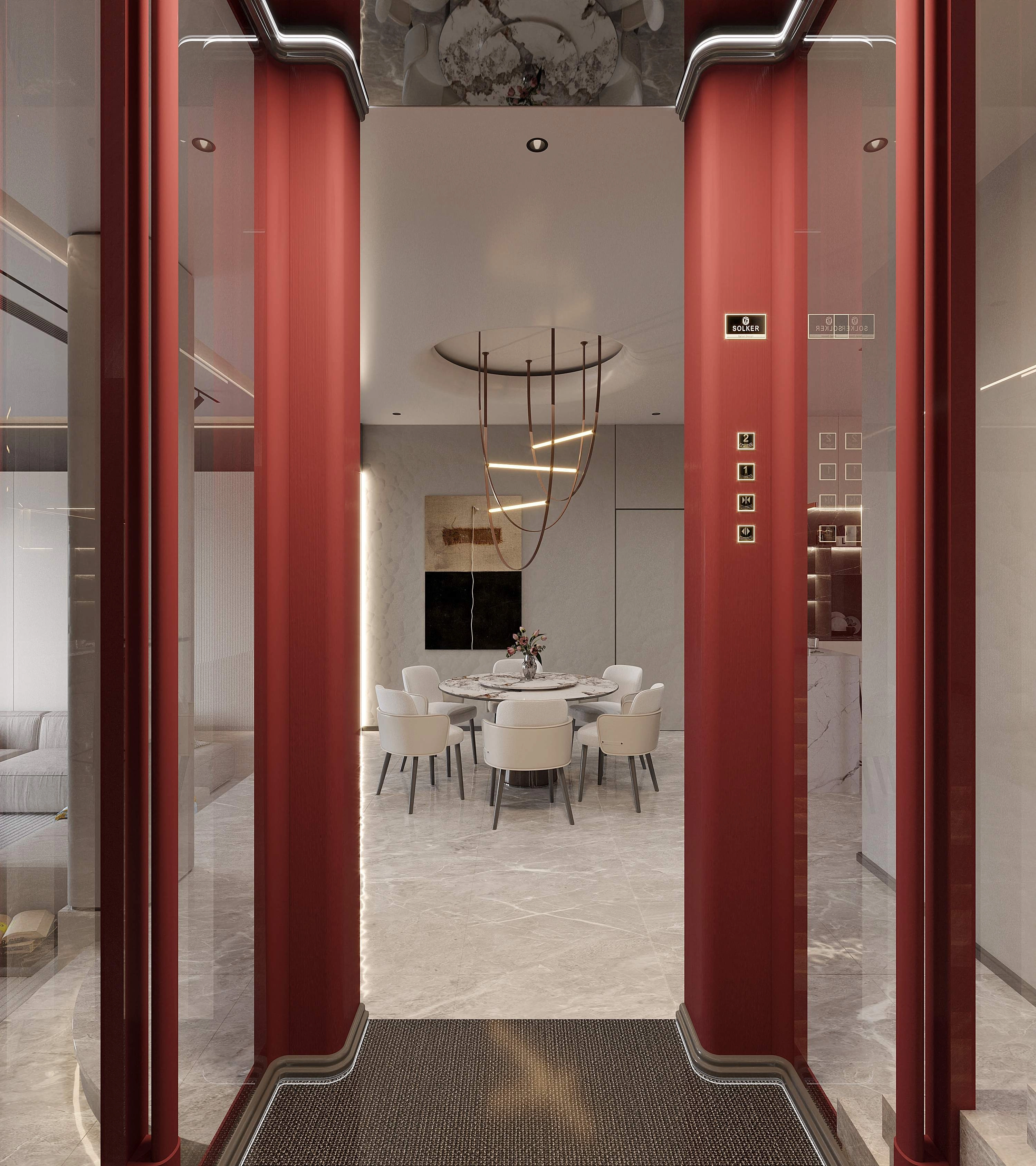
The Model-Mini is a home villa elevator in the Italian minimalist style. It features the most advanced elevator technology and has comprehensive safety protection measures. It is the most reliable guarantee for your passage in villa homes
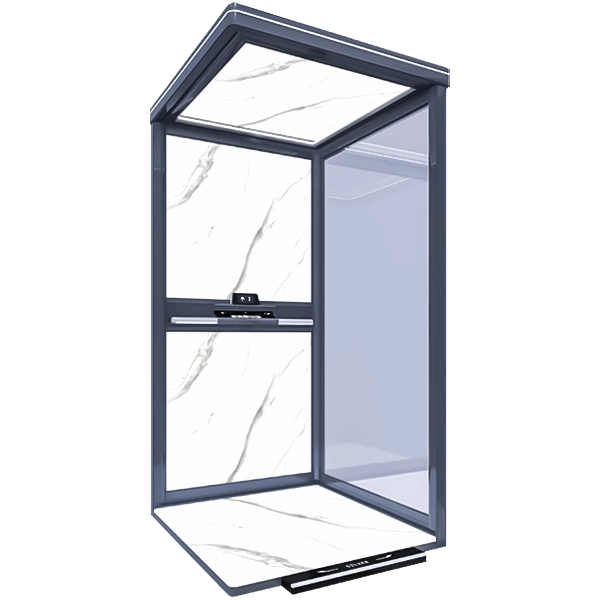
The Model-S is a home villa elevator in the Italian minimalist style. It features the most advanced elevator technology and has comprehensive safety protection measures. It is the most reliable guarantee for your passage in villa homes.
Looking for custom villa lifts manufacturing solutions?
We provide full-service OEM & ODM solutions—from concept to delivery.
Design, prototyping, production, and shipping—all in one place.
Fill out the form below for a free quote or consultation.
👉 Contact us today to start an exclusive customized partnership.
📦 Get product catalogs and wholesale prices.
🔧 Submit your design requirements for 1-to-1 exclusive matchmaking.
🌍 Become our global distribution partner.
Rest assured that your privacy is important to us, and all information provided will be handled with the utmost confidentiality.
Let's get in touch
Email: lin@solkerelevator.com
Tel: +86 133 1668 7566
Address: Floor 1, Building D, Nanxin Industry International, Nancheng District, Dongguan, China.
 Taiwan, China
 No. 21, Lane 38, 206 Yingtai Road, Yingge District, New Taipei City
 +886 0975-299-830
 United Arab Emirates
Capital Mall, Abu Dhabi, United Arab Emirates, 3rd floor, Luxera elevator +971 52 541 4685 Ceo@maharacare.com
 Melbourne, Australia
 19/12 Natalia Av, Oakleigh South, VIC 3167
+61 1300 771 86 sales@goldenhomelifts.com.au
Sydney, Australia
U28/323 Chisholm Road, Auburn, NSW 2144
+61 1300 771 86 sales@goldenhomelifts.com.au
SOLKER
SOLKER