


Understand These Three Elevator Parameters Before Buying: Structure, Safety Configuration, Load and Speed
When buying an elevator, price and appearance are not enough. Three core parameters largely determine safety, user experience, and civil-engineering requirements: elevator structure, safety configuration, and load and speed. Understanding them in advance makes sales discussions more transparent and helps you avoid vague promises.
1. Elevator Structure: Traction, Screw-Driven, and Positive/Forced Drive
The structure affects shaft requirements, travel height, ride comfort, and maintenance.
-
Traction elevator: Driven by a traction machine with ropes/belts and counterweight. It is a mature technology with smooth operation and is common in residential and commercial projects, but it has certain requirements for the shaft, overhead height, and pit depth.
-
Screw-driven elevator: Uses a screw and nut mechanism. It is compact and relatively flexible for small shafts and low-rise homes, but speed is usually lower, and noise and maintenance should be checked.
-
Positive/forced drive elevator: The exact term varies by manufacturer. It usually uses a forced driving method such as winding or chain drive. Confirm the applicable travel height, load, noise, maintenance cycle, and civil-engineering requirements with the supplier.
Tip: Do not just ask “which type is best.” Ask “which type fits my shaft, floor height, pit depth, and travel height?” Require structure details, civil requirements, and project cases.
2. Safety Configuration: Check Whether Key Devices Are Standard and Put Them in the Contract
Do not rely on oral promises. Check the actual devices and whether they are standard:
-
Basic safety components such as safety gear, overspeed governor, door lock, and buffers;
-
Light curtain/door protection, overload protection, emergency landing/ARD for power failure;
-
Five-way intercom or emergency call, emergency stop, child lock/misoperation protection;
-
Type test certificates, inspection reports, and installation acceptance documents.
Tip: Put the safety configuration list, brand/model, whether optional, and warranty period into the contract to avoid low-price quotes with later add-on charges.
3. Load and Speed: Not the Bigger the Better—Match Real Needs
Load determines passenger capacity and whether large items can be carried; speed affects waiting time and ride experience.
-
Residential elevators commonly have a load of about 250–400 kg and relatively low speed. Confirm according to floors, shaft, and manufacturer parameters.
-
Commercial passenger elevators commonly have loads of 630–1600 kg and speeds of 1.0–2.5 m/s, depending on building use and traffic.
-
Load and speed should match shaft size, travel height, door type, and expected number of users.
Tip: Ask clearly about rated load, rated speed, maximum travel height, and expected daily usage. Do not pay extra for unnecessary high speed or high load, and do not choose an undersized configuration that affects daily use.
FAQ
Should I choose a traction, screw-driven, or positive/forced drive elevator for home use?
There is no absolute “best” structure. The right choice depends on shaft conditions, civil-engineering requirements, travel height, budget, and maintenance. Traction elevators are mature and smooth-running but have certain requirements for the shaft, overhead height, and pit depth. Screw-driven elevators are compact and suitable for small shafts and low-rise homes, but speed is usually lower, and noise and maintenance should be carefully checked. The term “positive/forced drive” varies by manufacturer, so confirm the applicable travel height, load, noise, maintenance cycle, and civil requirements. Ask the salesperson to propose a solution based on your actual shaft, floor height, pit depth, and travel height—not just push one structure type.
The salesperson says “all safety configurations are included.” How can I verify this and avoid extra charges later?
Do not rely on oral promises. Ask for a written configuration list stating brand, model, quantity, and whether each item is standard or optional. Check basic safety components such as safety gear, overspeed governor, door lock, and buffers, as well as light curtain/door protection, overload protection, emergency landing/ARD for power failure, five-way intercom or emergency call, emergency stop, and child lock/misoperation protection. Also review type test certificates, inspection reports, and installation acceptance documents. Finally, put the safety configuration list, quotation details, and warranty period into the contract to avoid extra charges after signing a low-price deal.
Are higher load and speed always better?
No. Load and speed should match the actual number of users, whether large items need to be carried, shaft size, travel height, and daily usage frequency. Residential elevators commonly have a load of about 250–400 kg and relatively low speed. Commercial passenger elevators commonly have loads of about 630–1600 kg and speeds of 1.0–2.5 m/s, depending on building use and traffic. Before buying, confirm rated load, rated speed, maximum travel height, and expected daily usage. Do not pay extra for unnecessary high speed or load, and do not choose an undersized configuration that affects daily use. Final parameters should be based on manufacturer specifications and local regulations.
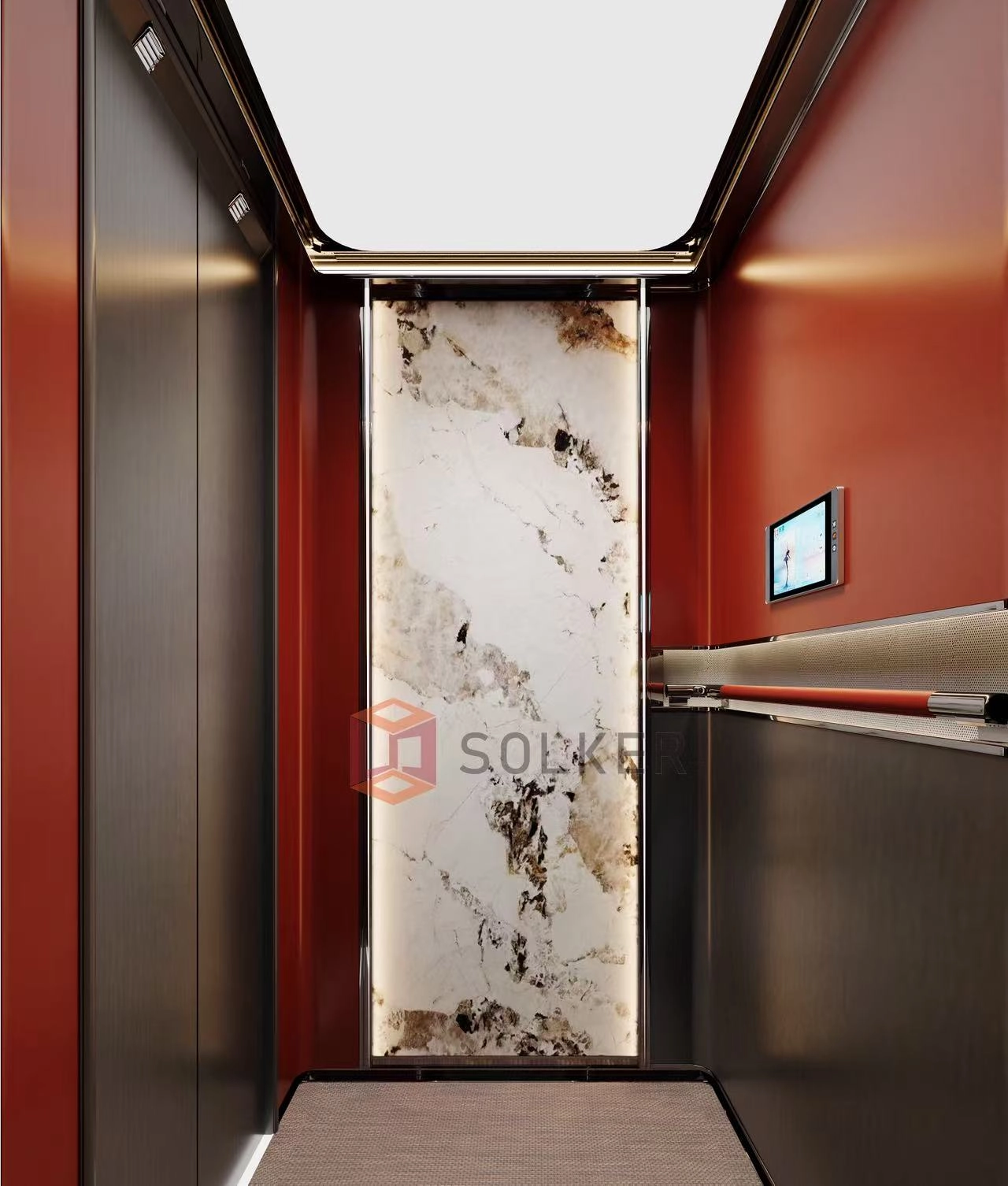
High-end and grand enclosed elevator car Model-Q3
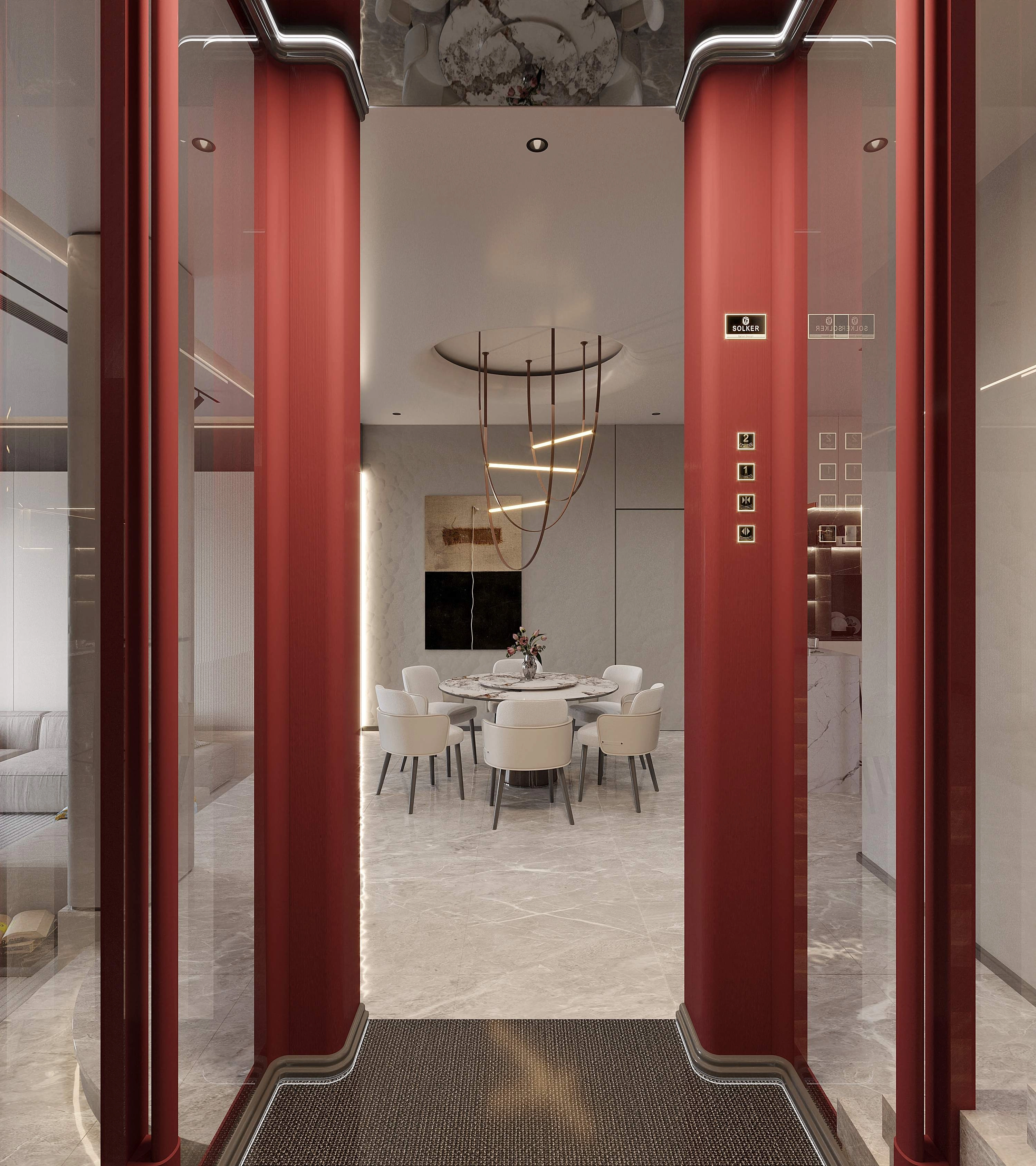
High-end and elegant villa home elevator Model-A
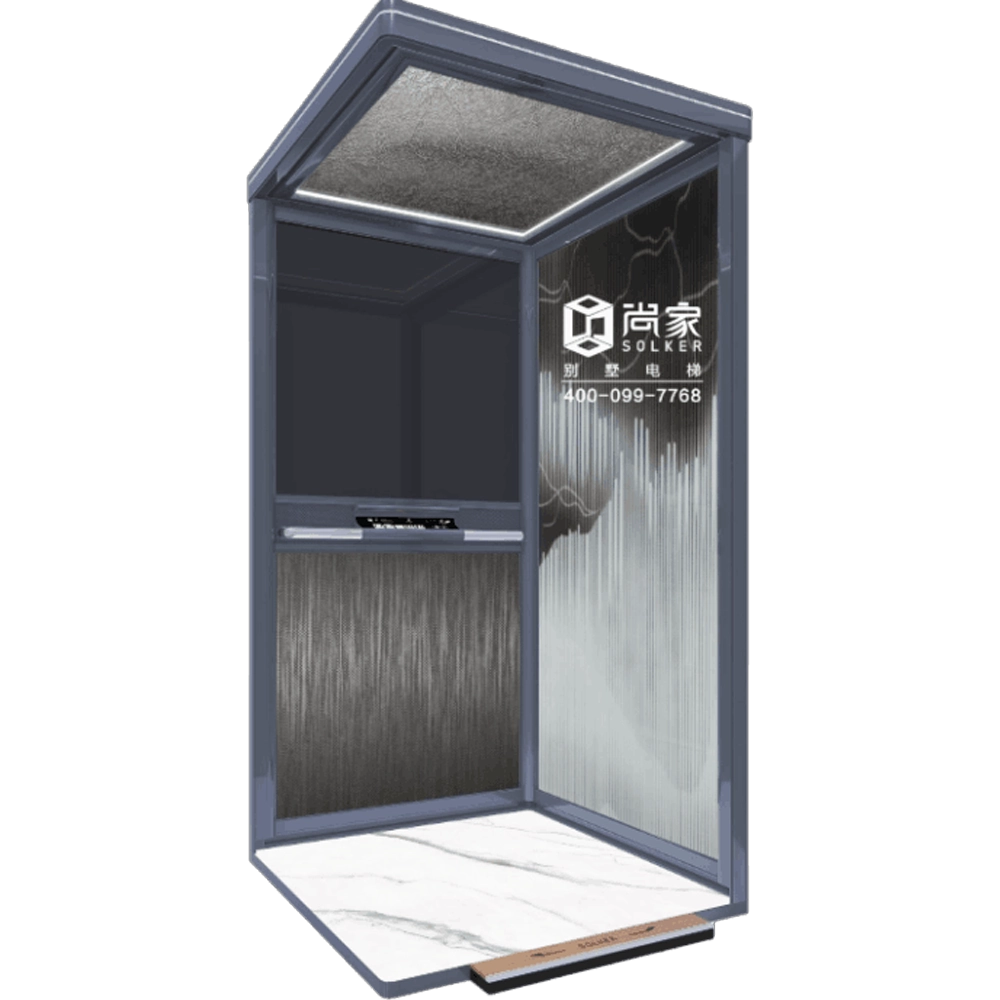
Simple and elegant villa home elevator Model-mini
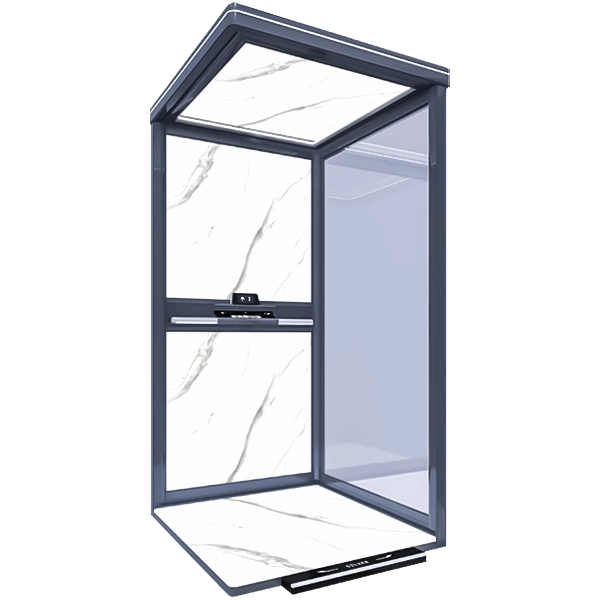
Minimalist design high-end and elegant villa home elevator Model-S
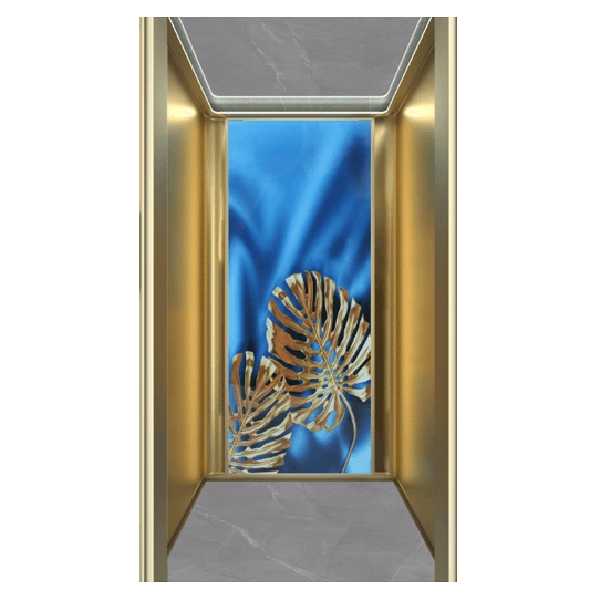
Minimalist design high-end and elegant villa home elevator Model-Q
High-end and grand enclosed elevator car Model-Q3
The SOLKER Model-Q3 villa elevator features a Bordeaux Red cabin interior, harmonizing the natural texture of Pandora stone with linen-textured elegant grey stainless steel, accented by refined metal trims. SOLKER's exclusive fully curved seamless integrated forming technology delivers a fluid, joint-free cabin that enhances both safety and aesthetics. Equipped with a built-in HD smart display, every ride becomes a premium experience where technology and artistry converge.
High-end and elegant villa home elevator Model-A
The Model A is a home villa elevator in the Italian minimalist style. It features the most advanced elevator technology and has comprehensive safety protection measures. It is the most reliable guarantee for your passage in villa homes.
Simple and elegant villa home elevator Model-mini
The Model-Mini is a home villa elevator in the Italian minimalist style. It features the most advanced elevator technology and has comprehensive safety protection measures. It is the most reliable guarantee for your passage in villa homes
Minimalist design high-end and elegant villa home elevator Model-S
The Model-S is a home villa elevator in the Italian minimalist style. It features the most advanced elevator technology and has comprehensive safety protection measures. It is the most reliable guarantee for your passage in villa homes.
Let's get in touch
Email: lin@solkerelevator.com
Tel: +86 133 1668 7566
Address: Floor 1, Building D, Nanxin Industry International, Nancheng District, Dongguan, China.
 Taiwan, China
 No. 21, Lane 38, 206 Yingtai Road, Yingge District, New Taipei City
 +886 0975-299-830
 United Arab Emirates
Capital Mall, Abu Dhabi, United Arab Emirates, 3rd floor, Luxera elevator +971 52 541 4685 Ceo@maharacare.com
 Melbourne, Australia
 19/12 Natalia Av, Oakleigh South, VIC 3167
+61 1300 771 86 sales@goldenhomelifts.com.au
Sydney, Australia
U28/323 Chisholm Road, Auburn, NSW 2144
+61 1300 771 86 sales@goldenhomelifts.com.au
SOLKER
SOLKER