


Buying Guide: Choosing a Small Home Elevator for Luxury Villas
- Why a Compact Elevator Makes Sense in Luxury Villas
- Preserving architectural intent and luxury aesthetics
- Space optimization and flexible placement
- Enhancing accessibility and property value
- Key Technical and Design Considerations
- Load capacity, cabin size and travel height
- Pit depth, headroom and MRL options
- Design finishes, cabin materials and user experience
- Safety, Standards and Installation Practices
- Regulations and standards to verify
- Essential safety systems for homes
- Installation timeline, warranty and maintenance
- Cost Factors, Comparison and Choosing a Reliable Supplier
- Understanding total cost of ownership
- Comparing models — practical feature table
- Selecting a supplier and evaluating references
- Model-Q: Italian Minimalist Design Meets Advanced Residential Lift Technology
- Why Model-Q is suited for luxury villas
- Customization, finishes and integration
- After-sales and lifecycle support
- Practical Checklist Before Purchase
- Site survey items to confirm
- Questions to ask your supplier
- FAQ (Frequently Asked Questions)
- Q: How much space does a small home elevator require?
- Q: Are small home elevators safe for children and elderly?
- Q: Can I install an elevator in an existing villa without major renovation?
- Q: What maintenance is required and how often?
- Q: How do I choose between a glass panoramic lift and a more discreet minimalist elevator?
- Conclusion & Next Steps
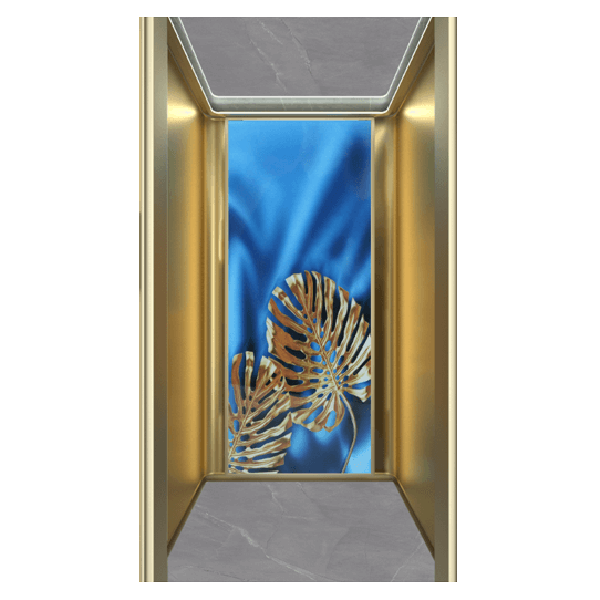
Choosing a small home elevator for a luxury villa requires balancing design harmony, tight spatial constraints, and uncompromising safety. This guide gives actionable, expert advice on selecting compact residential elevators—also called small home elevators or compact lifts—covering important technical specs (load capacity, travel height, pit depth, machine-room-less options), design choices, regulatory compliance and lifecycle costs. It also highlights the Model-Q, a high-end Italian minimalist villa home elevator, as an example of how modern technology and refined aesthetics come together to meet villa owners' expectations. After reviewing a comprehensive buying guide for choosing a small home elevator for luxury villas, most buyers naturally move on to evaluate the top features to look for in a minimalist villa home elevator Model-Q to see how theory translates into real specifications.
Why a Compact Elevator Makes Sense in Luxury Villas
Preserving architectural intent and luxury aesthetics
Luxury villas emphasize clean lines, generous light and carefully curated materials. A small home elevator can be integrated as a subtle vertical circulation element or as a design focal point (glass panoramic shaft), without dominating living spaces. Modern compact lifts offer minimalist cabins and frameless glass panels that preserve sightlines and natural light. Choosing a visually coherent elevator—such as the Italian minimalist Model-Q—helps maintain the villa's design integrity while adding functionality.
Space optimization and flexible placement
Small home elevators are engineered for limited machine-room footprint and shallow pit or even shaftless installation, enabling placement in tight cores, between stair runs, or as retrofit solutions in existing villas. Machine-room-less (MRL) systems reduce ceiling and mechanical room requirements, which is valuable in luxury renovations where preserving finished spaces is essential.
Enhancing accessibility and property value
Installing a residential elevator increases accessibility for multigenerational households and can meaningfully raise resale value in high-end markets. Prospective buyers often expect elevators in multi-level high-end homes for comfort and future-proofing. A compact elevator that blends seamlessly with interiors—while meeting recognized safety codes—provides both lifestyle and financial benefits.
Key Technical and Design Considerations
Load capacity, cabin size and travel height
Small home elevators typically offer load capacities from 250 kg to 400 kg (one to four passengers depending on space). Decide based on typical users (wheelchair users require larger cabins). Travel height (floor-to-floor distance and total rise) dictates motor and control selection. A practical checklist: required internal cabin dimensions, maximum door clear width, and rated load. These parameters influence choice between compact residential lifts and full-size villa elevators.
Pit depth, headroom and MRL options
Traditional elevators require a pit and a machine room with specific headroom. Modern MRL small home elevators reduce or eliminate the machine room, lowering architectural impact. For retrofits, shaftless or self-supporting systems minimize excavation; confirm pit depth and headroom requirements with suppliers early to avoid costly structural changes.
Design finishes, cabin materials and user experience
Luxury villas demand High Quality materials and refined details: wood veneers, brushed metal, leather-wrapped handrails, low-reflection glass and lighting strategies (indirect LED, spotlights). The Model-Q emphasizes Italian minimalist design, using clean surfaces and High Quality materials to match high-end interiors. Consider noise level (dB ratings), ride smoothness (drive type), and control interface ergonomics for a truly High Quality experience.
Safety, Standards and Installation Practices
Regulations and standards to verify
Ensure the elevator meets recognized safety standards. In North America, ASME A17.1/CSA B44 are primary safety codes; see ASME information here: ASME A17.1. For general background on elevator technology and safety features, the Wikipedia elevator entry provides a useful overview. Compliance ensures reliable braking systems, door safety (infrared sensors), emergency lowering and interlocks.
Essential safety systems for homes
Key safety elements include overspeed governors, emergency brakes, redundant controls, battery-operated emergency lowering, two-way communication or phone, fire-rated doors where required, and childproof controls. For villas in seismic regions, ask about seismic protection and restraint features. Check the supplier's documentation and third-party certifications before purchase.
Installation timeline, warranty and maintenance
Installation time for a small home elevator can range from a few days (for modular shaftless systems) to several weeks (for custom shafts and finishes). Confirm lead time, on-site preparation requirements, and warranty terms (typically 12–36 months). Also verify available maintenance plans—annual preventive maintenance reduces downtime and extends service life. Request a clear service SLA with response times and parts availability.
Cost Factors, Comparison and Choosing a Reliable Supplier
Understanding total cost of ownership
Elevator cost is not only the purchase price. Consider: manufacturing cost, transportation, civil works (pit, shaft, structural modifications), electrical upgrades, installation, commissioning, ongoing maintenance and energy consumption. Small home elevators with regenerative drives may offer lower operating costs. Get a detailed, line-item quotation to assess the total investment.
Comparing models — practical feature table
Below is a comparison of typical small home elevator types and the Model-Q to help you evaluate pros and cons quickly.
| Feature | Typical Compact Residential Lift | Panoramic Glass Small Lift | Model-Q (Minimalist High-End) |
|---|---|---|---|
| Load Capacity | 250–320 kg | 250–400 kg | 300–350 kg (configurable) |
| Installation Type | MRL or machine room | Glass shaft, usually machine-room-less | Italian MRL design; shaft or shaftless options |
| Typical Pit & Headroom | Shallow pit possible; 2.5–3.5 m headroom | Similar, more headroom for transparency | Optimized for minimal pit; flexible headroom specs |
| Design Focus | Function-first | Visual impact | Minimalist, high-end finishes to match villas |
| Safety & Standards | ASME/EN compliance typical | ASME/EN with glazing safety | Advanced safety package; meets international codes |
| Price Range (installed) | $12,000–$30,000 | $25,000–$60,000 | High-end market; competitive within luxury segment |
Selecting a supplier and evaluating references
Work with suppliers who have villa and residential experience, documented installations and strong after-sales support. Ask for on-site references, check case studies, and if possible, visit a completed installation. Verify the supplier’s compliance certifications and enquire about spare parts inventory and response times. A reputable manufacturer will provide detailed CAD drawings, structural load assumptions and an itemized installation scope.
Model-Q: Italian Minimalist Design Meets Advanced Residential Lift Technology
The Model-Q is a home villa elevator in the Italian minimalist style. It features the most advanced elevator technology and has comprehensive safety protection measures. It is the most reliable guarantee for your passage in villa homes.
Why Model-Q is suited for luxury villas
Model-Q was conceived for owners who prioritize form and function equally. With a restrained palette and carefully considered proportions, it integrates into bespoke interiors. Technically, it offers machine-room-less variants, low-vibration traction drives, and advanced safety interlocks—combining a luxurious ride with discreet presence.
Customization, finishes and integration
The Model-Q supports multiple finish options (matte metals, lacquered panels, High Quality wood veneers and low-reflectivity glass). Lighting schemes and control panels can be tailored to match interior motifs. Because it's engineered for modular installation, Model-Q is suitable for new builds and renovations, providing clear documentation for architects and contractors.
After-sales and lifecycle support
For luxury properties, prompt, high-quality service is critical. Ensure a maintenance contract that includes scheduled preventive visits, priority response, and original parts. Ask for extended warranty options and digital monitoring features to enable predictive maintenance—reducing downtime and preserving value.
Practical Checklist Before Purchase
Site survey items to confirm
- Measured floor-to-floor heights and total travel.
- Available pit depth and ceiling headroom at top landing.
- Structural support and floor loading capacity at shaft area.
- Electrical service availability (voltage, dedicated circuit) and backup power needs.
- Fire and egress implications with local building codes.
Questions to ask your supplier
- Which safety standards and certifications does the elevator meet?
- What is the exact installation scope and who is responsible for civil work?
- What is the lead time, installation duration and commissioning timeline?
- What are warranty terms, maintenance plans and expected parts lifecycle?
- Can the elevator be adapted for mobility devices (wider doors, ADA-compliant controls)?
FAQ (Frequently Asked Questions)
Q: How much space does a small home elevator require?
A: Compact models can fit into small shafts or use shaftless MRL designs. Typical internal cabin dimensions start near 900 mm x 800 mm for a single-user cabin; larger cabins for wheelchair access require wider footprints. Plan pit and headroom measurements during early design to avoid surprises.
Q: Are small home elevators safe for children and elderly?
A: Yes, when properly specified and installed. Modern residential elevators include door sensors, interlocks, emergency lowering, and lockable controls to prevent accidental use. For families with young children, consider additional child-safety locks and supervision policies.
Q: Can I install an elevator in an existing villa without major renovation?
A: Often yes—shaftless or self-supporting MRL solutions are specifically designed for retrofit projects. However, structural analysis and minimal civil adjustments (pit or landing modifications) may still be required. A professional site survey will determine feasibility.
Q: What maintenance is required and how often?
A: Annual preventive maintenance is common, with more frequent checks in high-use scenarios. Maintenance covers safety switches, door mechanisms, brake checks, and control electronics. A factory-authorized maintenance plan ensures compliance with warranty and safety standards.
Q: How do I choose between a glass panoramic lift and a more discreet minimalist elevator?
A: It depends on design intent. A glass panoramic lift creates visual drama and preserves sightlines when placed in atria. A minimalist elevator like Model-Q blends quietly into interiors. Consider privacy, sun exposure (for glazing), and integration with HVAC when choosing.
Conclusion & Next Steps
Selecting the right small home elevator for a luxury villa requires careful attention to design compatibility, technical specifications and safety standards. Prioritize accurate site surveys, insist on certified compliance (e.g., ASME standards), and evaluate total cost of ownership including installation and maintenance. For owners seeking an elegant, reliable solution, the Model-Q represents a compelling option that merges Italian minimalist design with advanced residential elevator technology.
If you would like a personalized consultation, site survey or to view detailed specifications and finishes for Model-Q, please contact our sales team or view the Model-Q product page. Our consultants can provide CAD drawings, structural requirements, a detailed quote and maintenance package options.
References: General elevator overview and terminology: Wikipedia - Elevator. Safety codes and standards reference: ASME A17.1.
Residential Elevator Installation: Step-by-Step Process
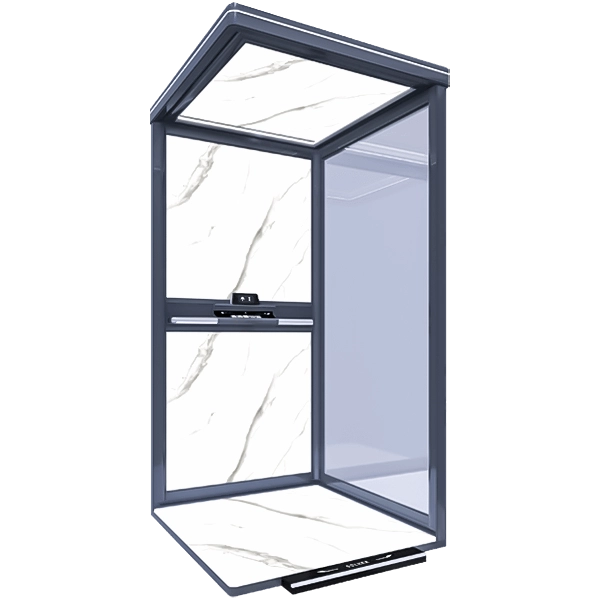
Common Installation Questions for Villa Home Elevators
How to Finance an In-Home Elevator: Loans and Options
Eco-Friendly In-Home Elevators 2026: Energy Efficient Models
Customize
Can I customize the elevator to match my home style?
Absolutely. We offer multiple cabin styles, materials, and finishes to suit modern, classic, or minimalist interiors.
Is customization available for both indoor and outdoor elevators?
Yes. All custom options apply to indoor and weatherproof outdoor models.
How does the customization process work?
Our design team will guide you through the steps: style selection, material choice, and 3D visualization before confirmation.
Can the elevator design be matched to my home's architecture?
Absolutely. Our designers tailor each cabin to complement your interior layout and style.
Product
Can it be customized as required?
Yes.
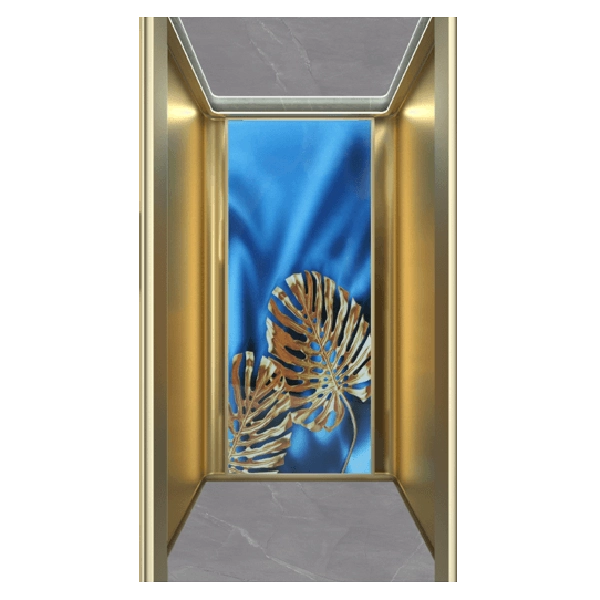
Minimalist design high-end and elegant villa home elevator Model-Q
The Model-Q is a home villa elevator in the Italian minimalist style. It features the most advanced elevator technology and has comprehensive safety protection measures. It is the most reliable guarantee for your passage in villa homes.
Minimalist design high-end and elegant villa home elevator Model-S
The Model-S is a home villa elevator in the Italian minimalist style. It features the most advanced elevator technology and has comprehensive safety protection measures. It is the most reliable guarantee for your passage in villa homes.
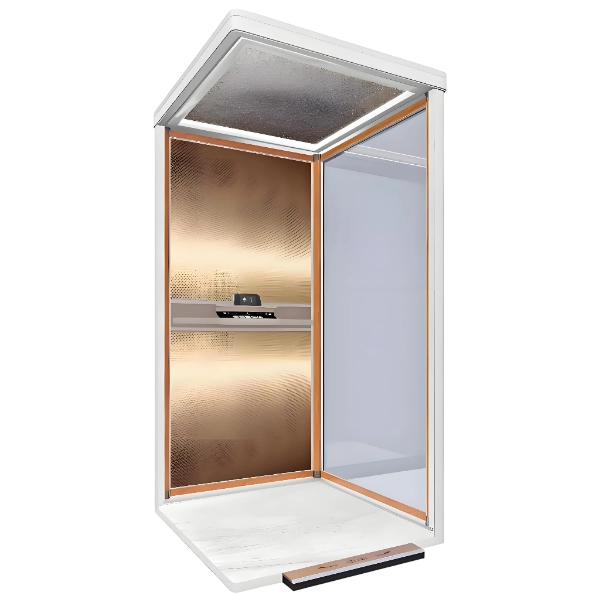
High-end and elegant villa home elevator Model-A
The Model A is a home villa elevator in the Italian minimalist style. It features the most advanced elevator technology and has comprehensive safety protection measures. It is the most reliable guarantee for your passage in villa homes.
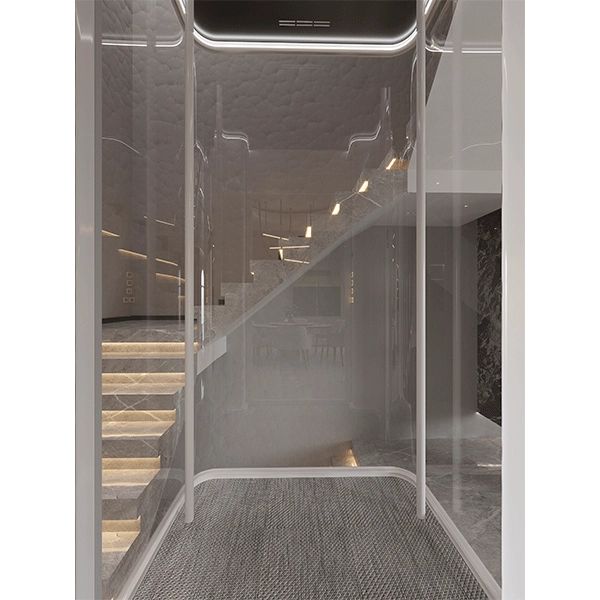
Simple and elegant villa home elevator Model-mini
The Model-Mini is a home villa elevator in the Italian minimalist style. It features the most advanced elevator technology and has comprehensive safety protection measures. It is the most reliable guarantee for your passage in villa homes
Let's get in touch
Email: lin@solkerelevator.com
Tel: +86 133 1668 7566
Address: Floor 1, Building D, Nanxin Industry International, Nancheng District, Dongguan, China.
 Taiwan, China
 No. 21, Lane 38, 206 Yingtai Road, Yingge District, New Taipei City
 +886 0975-299-830
 United Arab Emirates
Capital Mall, Abu Dhabi, United Arab Emirates, 3rd floor, Luxera elevator +971 52 541 4685 Ceo@maharacare.com
 Melbourne, Australia
 19/12 Natalia Av, Oakleigh South, VIC 3167
+61 1300 771 86 sales@goldenhomelifts.com.au
Sydney, Australia
U28/323 Chisholm Road, Auburn, NSW 2144
+61 1300 771 86 sales@goldenhomelifts.com.au
SOLKER
SOLKER