


How to Choose Between Cabin Sizes for Small Home Elevators
- How to Choose Between Cabin Sizes for Small Home Elevators
- Why cabin size matters for your small home elevator
- Key factors to consider when selecting cabin dimensions for a small home elevator
- Measure the site: how shaft, doors, and floors limit your choices for a small home elevator
- Common small home elevator cabin sizes and when to choose each
- How weight capacity and cabin area interact for practical use of a small home elevator
- Accessibility, codes, and long-term resale considerations
- Aesthetics, finishes and how cabin size influences villa design choices
- Cost implications: how cabin size affects price and installation complexity
- Step-by-step decision process to select the right cabin size for your small home elevator
- Real-world examples: common scenarios and recommended cabin size
- Why Villa Elevator’s Model-S is a strong choice for villa homes choosing cabin sizes
- Maintenance, lifecycle and performance considerations tied to cabin choice
- FAQ — Frequently asked questions about choosing cabin sizes for small home elevators
- Contact us / See the Model-S
- Authoritative references and further reading
- Brand advantages — why choose our villa home elevator solutions
- Final recommendations
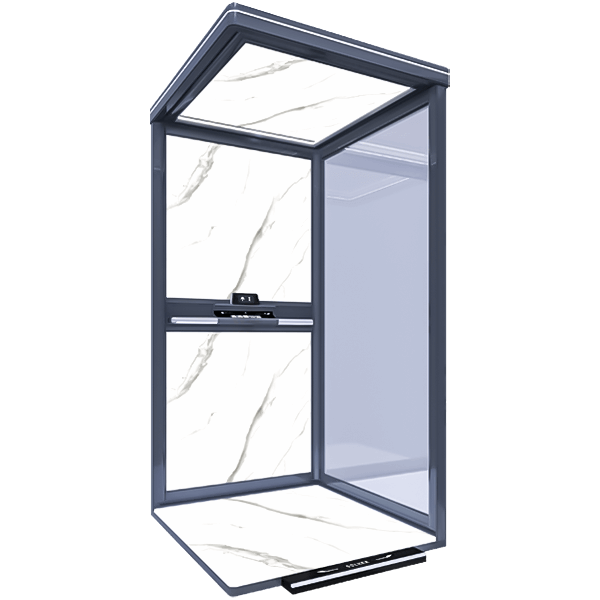
How to Choose Between Cabin Sizes for Small Home Elevators
Why cabin size matters for your small home elevator
Choosing the right cabin size for a small home elevator is more than aesthetics — it directly affects safety, usability, accessibility, cost, and how well the elevator integrates into your villa. A cabin that is too small can feel cramped and limit the items and people you can transport; a cabin that is too large may require a bigger shaft, more structural work and higher cost. For villa owners who value design and everyday convenience, the cabin size decision must balance daily use, guest comfort, and long-term value.
Key factors to consider when selecting cabin dimensions for a small home elevator
Before comparing sizes, evaluate the primary factors that determine the appropriate cabin for your home elevator:
- Usage profile: How often will it be used, and by whom? Frequent use by older adults or wheelchair users requires more space.
- Clearances and shaft space: Available floor-to-floor height and footprint constrain cabin options.
- Load/capacity needs: Will you need to move furniture, groceries, or a wheelchair?
- Code and accessibility requirements: Local building codes or accessibility guidelines may set minimum dimensions.
- Budget and construction impact: Larger cabins typically increase shaft size, structural modifications, and cost.
- Design priorities: For villas, style and finish (for example, Italian minimalist) matter — choose a cabin that showcases the home’s aesthetic.
Measure the site: how shaft, doors, and floors limit your choices for a small home elevator
Accurate measurement is the first practical step. Measure the available footprint on each served floor and the clear height between floors. Pay attention to:
- Pit requirement: Some elevators require a pit below ground level; limited pit depth restricts options.
- Overhead clearance: The total machinery height above the top floor can limit travel and cabin height.
- Door swing and landing clearance: Hallways, stair proximity and door swing areas can restrict door types and effective cabin width.
Work with a qualified installer early — they will help match possible cabin sizes to the actual shaft parameters and advise on structural implications.
Common small home elevator cabin sizes and when to choose each
The term small home elevator covers a range of cabin footprints. Below is a comparison of typical cabin sizes, approximate capacities, and typical use cases. These are representative industry ranges — your installer will confirm available options for your project.
| Cabin Type | Typical Interior Dimensions (W × D, mm) | Typical Rated Capacity (kg / persons) | Best For | Pros / Cons |
|---|---|---|---|---|
| Compact 2-person | 700–800 × 900–1,000 | 160–250 kg / 2 persons | Very tight footprints, primarily adult pedestrian use | Lowest cost, smallest shaft; not suitable for wheelchairs or moving bulky items |
| Standard 3-person | 800–1,000 × 1,000–1,200 | 250–320 kg / 3 persons | Most small homes and villas with moderate space | Good balance of space and cost; can handle groceries and small furniture |
| Comfort 4-person | 900–1,100 × 1,200–1,400 | 320–400 kg / 4 persons | Families, frequent guests, occasional wheelchair users (folding) | More comfortable; larger shaft and higher cost |
| Accessible / Wheelchair-capable | 1,000–1,200 × 1,300–1,500+ | 400–500 kg+ | Full-time wheelchair users or strict accessibility compliance | Requires larger shaft; required for true wheelchair access |
How weight capacity and cabin area interact for practical use of a small home elevator
Cabin area and rated capacity are both crucial. Capacity (kg) defines how much weight the elevator can carry safely. Cabin area determines what can physically fit (e.g., a wheelchair and a helper, or a sofa corner). Keep in mind:
- Large items may exceed footprint even if under weight limit.
- Rated capacity lowers with steeper shaft/installation constraints in some drive systems.
- Always plan for the heaviest realistic load you will transport, not just daily use.
Accessibility, codes, and long-term resale considerations
Accessibility standards differ by country and local jurisdictions. In the U.S., ADA provides guidance for public spaces, while home elevators follow local building codes and manufacturer recommendations. For long-term resale and to accommodate aging-in-place, consider at least a 3-person/comfort cabin or a wheelchair-capable layout. Consulting local building officials and your installer ensures compliance with:
- Door width minimums
- Control height and reach ranges
- Emergency communication and backup power requirements
Aesthetics, finishes and how cabin size influences villa design choices
In villa environments, cabin design contributes to the home's interior aesthetic. A compact cabin reduces visible bulk, while a larger cabin provides opportunity for luxury finishes (glass walls, marble thresholds, integrated lighting). The Minimalist design high-end and elegant villa home elevator Model-S pairs compact Italian minimalist proportions with High Quality finishes, allowing owners to choose a cabin size that balances elegance with usable space. The Model-S integrates advanced safety and technology while maintaining a refined footprint ideal for luxury villas.
Cost implications: how cabin size affects price and installation complexity
Larger cabins generally increase:
- Shaft excavation and construction cost
- Material and finish cost for cabin interior
- Installation time and machinery size
Smaller cabins reduce these costs but may require custom storage solutions to accommodate household needs. Request detailed quotes for each size option — ask suppliers to break out shaft construction, elevator equipment, finishes, and optional control packages separately so you can compare total installed costs.
Step-by-step decision process to select the right cabin size for your small home elevator
Follow a structured approach to choose confidently:
- Define use cases: List who will use the elevator and what you need to carry (mobility aids, furniture).
- Measure site constraints: Obtain accurate shaft, pit, and overhead measurements from a builder or architect.
- Check codes: Consult local building department for minimum requirements and permits.
- Shortlist cabin sizes: Use the table above to choose 2–3 candidate sizes that fit your footprint and needs.
- Request mockups or internal layout drawings: Prefer suppliers who provide scaled cabin drawings showing maneuvering space.
- Compare total installed cost and lifecycle factors: Include maintenance plans and energy consumption.
- Prioritize accessibility where resale or aging-in-place is likely: Opt for slightly larger cabins if in doubt.
Real-world examples: common scenarios and recommended cabin size
Scenario-based guidance helps translate theory into real choices:
- Couple with no mobility limitations, tight shaft: Choose a compact 2-person cabin (700–900×900–1000 mm).
- Family home with occasional large items: Choose a standard 3-person cabin (800–1000×1000–1200 mm) for versatility.
- Villa with frequent guests and aging occupants: Choose a comfort 4-person or accessible cabin (900–1200×1200–1500 mm) for long-term comfort and resale.
Why Villa Elevator’s Model-S is a strong choice for villa homes choosing cabin sizes
The Minimalist design high-end and elegant villa home elevator Model-S is a home villa elevator in the Italian minimalist style. It features the most advanced elevator technology and has comprehensive safety protection measures. It is the most reliable guarantee for your passage in villa homes.
How Model-S fits cabin-size decisions:
- Flexible cabin options: Model-S can be configured in compact, standard and comfort cabin footprints to match footprint and accessibility needs.
- High-end finishes in smaller footprints: The minimalist design allows a luxury aesthetic without requiring a very large cabin, ideal for villas where interior harmony matters.
- Comprehensive safety and tech: Advanced drive systems and safety measures mean you get modern performance even in smaller cabins.
Maintenance, lifecycle and performance considerations tied to cabin choice
Cabin size has downstream effects on maintenance and usability:
- Larger cabins typically have higher ongoing energy use and more interior finish area to maintain.
- Smaller cabins may experience higher utilization stress when frequently loaded to capacity; ensure the selected system has appropriate duty ratings.
- Choose manufacturers offering robust maintenance plans and clear support for safety systems, emergency lowering, and remote diagnostics.
FAQ — Frequently asked questions about choosing cabin sizes for small home elevators
Q: What cabin size is minimum for wheelchair access?
A: A true wheelchair-accessible cabin usually starts at roughly 1,000–1,200 mm wide by 1,300–1,500 mm deep and a rated capacity of 400 kg or greater. Local accessibility codes should be checked for precise requirements.
Q: Can a small home elevator fit furniture like a mattress or sofa?
A: It depends on both footprint and door size. Standard 3-person or comfort 4-person cabins are better suited for moving small to medium furniture; larger items may still need stair or temporary disassembly.
Q: Will a smaller cabin save much money?
A: Yes — smaller cabins generally reduce shaft size, structural work and material costs. However, total savings depend on site-specific construction complexity and chosen finishes.
Q: How do I know if my shaft height is enough?
A: Your installer will verify pit depth and overhead clearance. Different drive systems (hydraulic, traction, machine-room-less) have varying overhead and pit needs that affect cabin height and travel.
Q: Can I upgrade cabin size later?
A: Upsizing later is difficult and often requires significant structural changes. Decide conservatively: if there’s any chance you’ll need more space, opt for a slightly larger cabin up front.
Contact us / See the Model-S
If you are considering a small home elevator for your villa, contact our sales team to discuss site measurements and see configuration options. Explore the Minimalist design high-end and elegant villa home elevator Model-S, request cabin layout drawings, and get a tailored quote to match your space and lifestyle. A small home elevator is a significant investment, and knowing about warranty and support is essential before making a purchase. In our article, we explain the key factors to verify with the manufacturer, ensuring you get the best protection and long-term service.
Authoritative references and further reading
- Elevator — Wikipedia: https://en.wikipedia.org/wiki/Elevator
- Home elevator — Wikipedia: https://en.wikipedia.org/wiki/Home_elevator
- U.S. Access Board / ADA guidelines: https://www.ada.gov
- European lift standards (CEN): https://www.cencenelec.eu
Brand advantages — why choose our villa home elevator solutions
Villa Elevator brings specialized experience in designing and installing elevators tailored for luxury homes. Key advantages:
- Design-first approach: Products such as Model-S blend Italian minimalist aesthetics with functional cabin sizes suited to villa interiors.
- Flexible configurations: Multiple cabin sizes and finish options reduce the need for structural compromise.
- Safety and technology: Modern drive systems, redundant safety features, and comprehensive protective measures ensure reliable daily operation.
- End-to-end service: From site survey and local code guidance to installation and maintenance, we support each step for peace of mind.
Final recommendations
Start the process with a clear statement of use cases and an on-site measurement. When in doubt, prioritize a cabin that will meet accessibility needs and resale value rather than the smallest possible footprint. For villa owners who want a luxury look without sacrificing safety and convenience, the Minimalist design high-end and elegant villa home elevator Model-S provides flexible cabin sizing, modern technology and a refined aesthetic suited to upscale homes.
Top Design Ideas for Luxury Villa Elevators
In-Home Elevator Safety Inspections and Certification
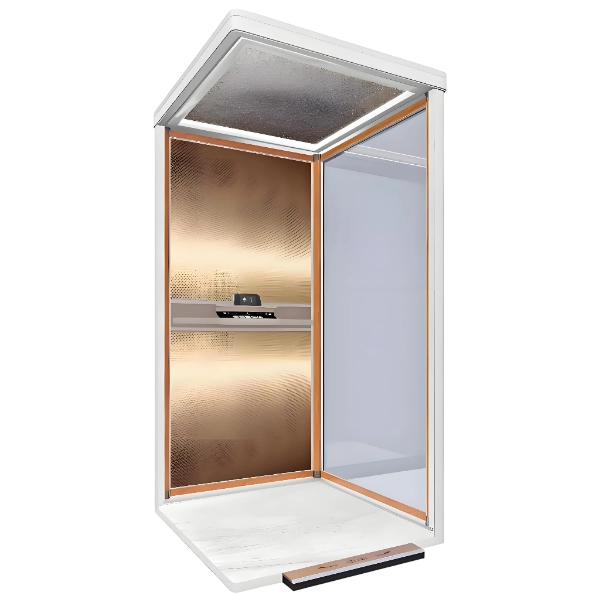
Design Integration: Incorporating Model-A into Luxury Villas
Where to Buy stainless steel villa elevator in Saudi Arabia
Customize
Is customization available for both indoor and outdoor elevators?
Yes. All custom options apply to indoor and weatherproof outdoor models.
What parts of the elevator can be customized?
You can personalize wall panels, flooring, lighting, control panels, handrails, and door finishes.
Product
How to install an elevator and what is the warranty?
We have overseas technicians who are at your service 24 hours a day, 365 days a year.
How long is the production date required?
Under normal circumstances, the production time is 35 to 45 days.
Can it be customized as required?
Yes.
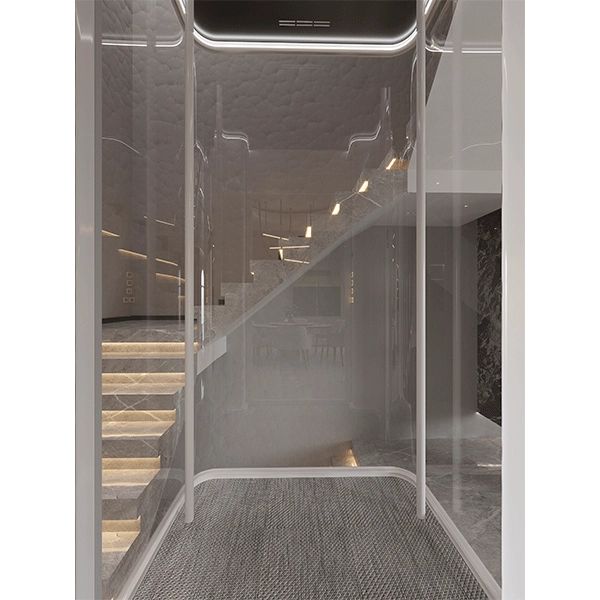
Simple and elegant villa home elevator Model-mini
The Model-Mini is a home villa elevator in the Italian minimalist style. It features the most advanced elevator technology and has comprehensive safety protection measures. It is the most reliable guarantee for your passage in villa homes
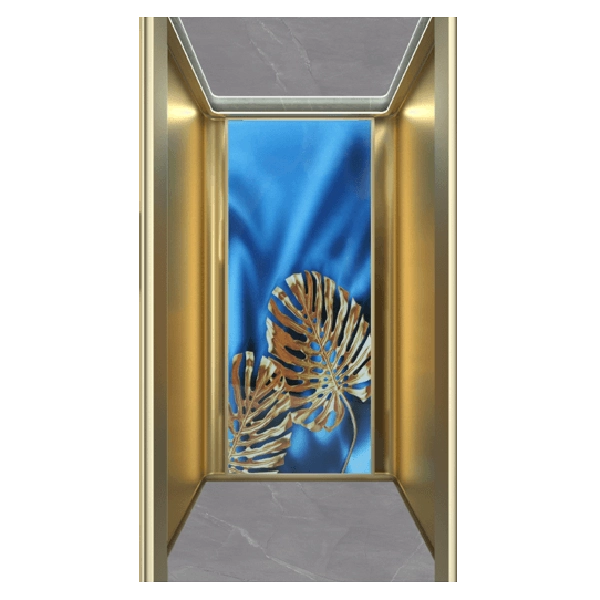
Minimalist design high-end and elegant villa home elevator Model-Q
The Model-Q is a home villa elevator in the Italian minimalist style. It features the most advanced elevator technology and has comprehensive safety protection measures. It is the most reliable guarantee for your passage in villa homes.
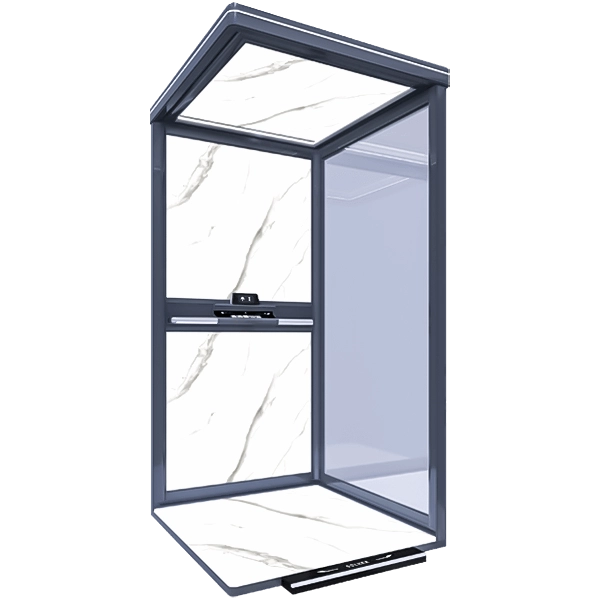
Minimalist design high-end and elegant villa home elevator Model-S
The Model-S is a home villa elevator in the Italian minimalist style. It features the most advanced elevator technology and has comprehensive safety protection measures. It is the most reliable guarantee for your passage in villa homes.
High-end and elegant villa home elevator Model-A
The Model A is a home villa elevator in the Italian minimalist style. It features the most advanced elevator technology and has comprehensive safety protection measures. It is the most reliable guarantee for your passage in villa homes.
Let's get in touch
Email: lin@solkerelevator.com
Tel: +86 133 1668 7566
Address: Floor 1, Building D, Nanxin Industry International, Nancheng District, Dongguan, China.
 Taiwan, China
 No. 21, Lane 38, 206 Yingtai Road, Yingge District, New Taipei City
 +886 0975-299-830
 United Arab Emirates
Capital Mall, Abu Dhabi, United Arab Emirates, 3rd floor, Luxera elevator +971 52 541 4685 Ceo@maharacare.com
 Melbourne, Australia
 19/12 Natalia Av, Oakleigh South, VIC 3167
+61 1300 771 86 sales@goldenhomelifts.com.au
Sydney, Australia
U28/323 Chisholm Road, Auburn, NSW 2144
+61 1300 771 86 sales@goldenhomelifts.com.au
SOLKER
SOLKER