


Compliance and Safety Standards for Small Villa Elevators
- Compliance and Safety Standards for Small Villa Elevators: What Villa Owners Need to Know
- Introduction to the small home elevator and its safety priorities
- Product highlight: Minimalist design high-end and elegant villa home elevator Model-Q
- Key regulatory frameworks for small home elevators (embed keyword: small home elevator)
- Practical approach for villa owners
- Design and structural safety considerations for villa installations
- Electrical, control systems, and safety devices (keyword: small home elevator)
- Emergency, rescue procedures and user safety measures
- Maintenance, testing and inspection regimes for longevity and compliance
- Maintenance cost and downtime comparison table
- Accessibility and user-centered safety features (embed keyword: small home elevator)
- Why choose the Minimalist design high-end and elegant villa home elevator Model-Q for your villa?
- Practical checklist before purchase and installation (keyword: small home elevator)
- Frequently Asked Questions (FAQ) about safety and compliance for small villa elevators
- Q1: What standards should I expect a small home elevator to comply with?
- Q2: How often must a small home elevator be inspected?
- Q3: Are home elevators safe during a power outage?
- Q4: Can Model-Q be adapted for users with mobility impairments?
- Q5: What maintenance contract should I sign?
- Contact & next steps — view Model-Q and ensure compliant installation
- Authoritative references
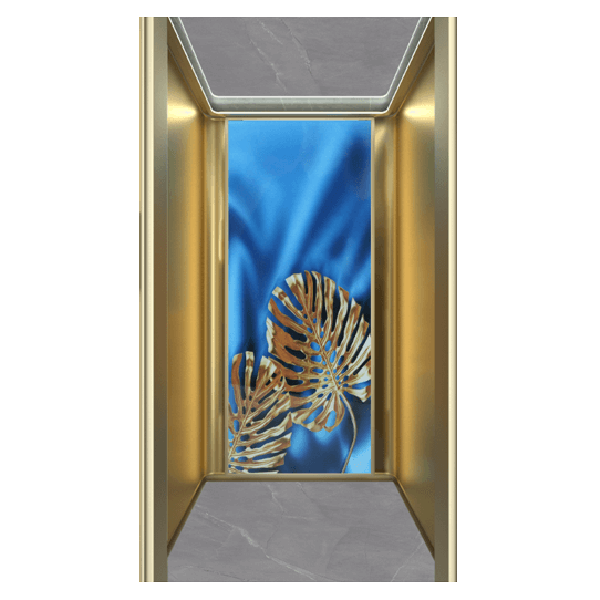
Compliance and Safety Standards for Small Villa Elevators: What Villa Owners Need to Know
Introduction to the small home elevator and its safety priorities
Installing a small home elevator in a villa is an investment in comfort, accessibility, and property value. But beyond aesthetics and convenience, safety and regulatory compliance are the core determinants of a successful installation. This article explains the essential compliance frameworks, design and installation safety measures, operational procedures, and inspection regimes that protect residents and ensure a long service life for small home elevator systems. We also introduce the Minimalist design high-end and elegant villa home elevator Model-Q as an example of a product engineered with comprehensive safety protections.
Product highlight: Minimalist design high-end and elegant villa home elevator Model-Q
The Model-Q is a home villa elevator in the Italian minimalist style. It features the most advanced elevator technology and has comprehensive safety protection measures. It is the most reliable guarantee for your passage in villa homes.
Key regulatory frameworks for small home elevators (embed keyword: small home elevator)
Regulation of elevators varies by region but typically references a small set of internationally recognized codes and national standards. For villa owners and specifiers of a small home elevator, the standards most commonly encountered are:
- ASME A17.1 / ASME A18.1 (United States): ASME A17.1 covers elevators across the U.S. ASME A18.1 specifically addresses residential elevators, limited-use/limited-application elevators, and platform lifts in some jurisdictions. Compliance ensures basic mechanical, electrical, and safeguarding protections.
- EN 81 series (European Union): EN 81-20 and EN 81-50 are the principal safety rules for construction and testing of lifts. EN 81-41 addresses special lifts including those for persons with impaired mobility. National adoption or equivalents apply in EU member states.
- International Building Codes and local building regulations: Many jurisdictions require that elevator installations comply with local building permit requirements, fire and egress rules, and electrical codes (for example, the IBC and local electrical codes).
- Accessibility regulations (e.g., ADA in the U.S.): Where applicable, accessibility standards may require specific features such as button heights, tactile indicators, auditory signals, and door clearances.
Practical approach for villa owners
When selecting a small home elevator for a villa, specify compliance with the local applicable standard (ASME A18.1 or ASME A17.1 in the U.S.; EN 81 series in Europe) and request documentation from the manufacturer demonstrating conformity testing, CE marking if applicable, and a copy of factory test reports.
Design and structural safety considerations for villa installations
Design and structural considerations ensure the small home elevator integrates safely within the villa without compromising structural integrity.
- Shaft and pit design: Even small home elevators require adequate pit depth and shaft clearances for safe operation and maintenance access. Pit and headroom must meet the chosen standard and local building code requirements.
- Load and capacity rating: Select a car size and rated load appropriate to the villa’s occupants and expected use. Overloading is a common risk—clear signage and safety cut-offs mitigate this.
- Anchoring and rigging: The elevator guide rails and machine must be anchored to structural elements designed to carry dynamic loads; poor anchoring can cause misalignment and excessive wear.
- Fire and egress planning: Elevator location relative to stairwells, smoke barriers, and emergency egress should be reviewed by the project engineer and local authorities having jurisdiction (AHJ).
Electrical, control systems, and safety devices (keyword: small home elevator)
Electrical systems are the backbone of safe elevator operation. The following systems and devices are typical requirements and best practices:
- Emergency braking systems: Redundant brakes or safety gears are required to arrest uncontrolled descent. Many modern villa elevators use a combination of electromagnetic brakes and mechanical safety gears.
- Overspeed protection and governors: Devices that detect overspeed and engage safety systems are standard under most codes.
- Door interlocks and sensors: Doors must be interlocked so the elevator cannot move with doors open. Infrared or light curtain sensors reduce the risk of entrapment for small home elevator doors with limited clearances.
- Power failure mitigation: Battery-backed emergency lowering or designated rescue modes allow the car to be brought to the nearest landing in a power outage.
- Electrical isolation and compliance: Wiring and protection must comply with national electrical codes. Isolation switches and lockout/tagout points are required for safe maintenance.
Emergency, rescue procedures and user safety measures
Effective emergency planning reduces risk and ensures occupant confidence in the small home elevator. Practical measures include:
- Clear rescue protocol: Provide homeowners and maintenance teams with step-by-step rescue procedures approved by the AHJ. Trained technicians should perform rescues unless occupants are in immediate danger and instructed otherwise.
- Reliable communication: A two-way emergency phone or alarm button must be installed in the car; remote monitoring can add an extra layer of safety.
- Illumination and signage: Emergency lighting inside the car and at landings, together with visible instructions, improves safety during incidents.
- Regular drills and occupant awareness: Educate residents and frequent visitors on what to do if an elevator stops or alarms activate. Assign a primary contact and an alternate for emergencies.
Maintenance, testing and inspection regimes for longevity and compliance
Consistent maintenance is one of the strongest predictors of safe, reliable elevator operation. For a small home elevator, a typical maintenance and inspection program includes:
- Routine preventive maintenance: Scheduled monthly or quarterly inspections by qualified technicians to check brakes, ropes or belts, door mechanisms, and electrical systems.
- Annual thorough inspection: Full functional tests, safety device checks, lubrication, and wear assessments. Many regions require a certified annual inspection documented with a compliance certificate.
- Record keeping: Maintain a logbook with maintenance activities, incident reports, and inspection certificates—critical for warranty, resale value, and regulatory compliance.
Maintenance cost and downtime comparison table
| Service | Frequency | Typical Downtime | Purpose |
|---|---|---|---|
| Basic safety check | Monthly | 1–2 hours | Verify brakes, doors, alarms, visual inspection |
| Comprehensive maintenance | Quarterly | 2–6 hours | Electrical tests, lubrication, adjustments |
| Annual certified inspection | Annually | 4–8 hours | Full functional and safety-device testing for compliance |
Accessibility and user-centered safety features (embed keyword: small home elevator)
Small home elevators in villas must balance compact design with accessibility and safety for all potential users. Key considerations include:
- Controls and reachability: Buttons and emergency controls should be positioned for wheelchair users and those with limited reach, following local accessibility guidance.
- Visual and tactile indicators: Braille labeling, raised tactile markings, and clear LED displays improve usability for visually impaired users.
- Smooth acceleration and deceleration: Drive systems tuned for slow, smooth motion reduce the risk of falls and discomfort, particularly for elderly users.
Why choose the Minimalist design high-end and elegant villa home elevator Model-Q for your villa?
When selecting a small home elevator, villa owners should weigh safety certifications, quality of components, manufacturer support, and design integration. The Minimalist design high-end and elegant villa home elevator Model-Q is engineered to meet these priorities:
- Compliance-first design: Model-Q is designed to meet or exceed common regional safety standards; documentation and test records are provided to support local permitting.
- Comprehensive safety package: Built-in overspeed detection, redundant braking, door safety sensors, and emergency power options reduce operational risk.
- Elegant, compact footprint: Italian minimalist styling integrates into high-end villas without sacrificing required clearances or service access.
- After-sales support: Factory-trained service technicians, preventive maintenance programs, and documented inspection workflows ensure compliance over the lifetime of the product.
Practical checklist before purchase and installation (keyword: small home elevator)
Use this checklist to reduce delays and ensure compliance:
- Confirm the authoritative code applicable to your location (ASME, EN, local building code).
- Request manufacturer compliance documentation and test certificates for Model-Q or chosen elevator.
- Engage a licensed structural engineer to verify shaft, pit, and anchoring requirements.
- Plan electrical supply, emergency power options, and communication links in advance.
- Schedule installation with an AHJ-approved contractor; secure permits before work begins.
- Arrange an annual certified inspection and a preventive maintenance contract.
Frequently Asked Questions (FAQ) about safety and compliance for small villa elevators
Q1: What standards should I expect a small home elevator to comply with?
A1: Expect compliance with regional elevator codes—ASME A17.1/A18.1 in many U.S. jurisdictions, EN 81 series in Europe, and local building codes. Always ask your supplier for test certificates and AHJ acceptance documentation.
Q2: How often must a small home elevator be inspected?
A2: Routine checks are typically monthly or quarterly, and a full certified inspection is usually required annually. Local regulations determine exact frequencies—follow AHJ requirements and your maintenance contract.
Q3: Are home elevators safe during a power outage?
A3: Modern small home elevators often include emergency power features such as battery backup to lower the car to the nearest landing. Confirm the rescue mode capabilities and battery runtime with the manufacturer.
Q4: Can Model-Q be adapted for users with mobility impairments?
A4: Yes. Model-Q’s design can include accessibility features such as lowered control panels, tactile and audible signals, and enough door width for many mobility devices. Confirm the specific configuration with your supplier to meet local accessibility requirements.
Q5: What maintenance contract should I sign?
A5: A preventive maintenance contract covering scheduled visits, emergency response times, and parts coverage is recommended. Ensure the contract documents response times and whether the technician is factory-trained on Model-Q systems.
Contact & next steps — view Model-Q and ensure compliant installation
With safety and compliance addressed, designers can focus on the integration of Model-Q into high-end villa architecture without compromising regulatory requirements.To discuss compliance for your villa project or to view technical documentation for the Minimalist design high-end and elegant villa home elevator Model-Q, contact our sales and technical team. We provide detailed compliance packets, site survey services, and turnkey installation support to meet AHJ requirements.
Contact: sales@villaelevator.com | View product: https://www.villaelevator.com/model-q
Authoritative references
The regulatory and technical information in this article references the following authoritative sources:
- ASME A17.1 and related elevator codes — ASME: https://www.asme.org
- EN 81 series and lift safety standards — CEN (European Committee for Standardization): https://www.cencenelec.eu
- Elevator (Lift) general overview — Wikipedia: https://en.wikipedia.org/wiki/Elevator
- ASME A17.1 (Wikipedia summary): https://en.wikipedia.org/wiki/ASME_A17.1
- International Building Code (IBC) and model codes — International Code Council: https://www.iccsafe.org
- Americans with Disabilities Act (ADA) accessibility guidelines — U.S. Department of Justice: https://www.ada.gov
Notes: Always confirm the specific, current standards and requirements with your local authority having jurisdiction (AHJ) and obtain written evidence of compliance from manufacturers and installers prior to final acceptance of any small home elevator installation.
Where to Buy best villa elevator in Saudi Arabia
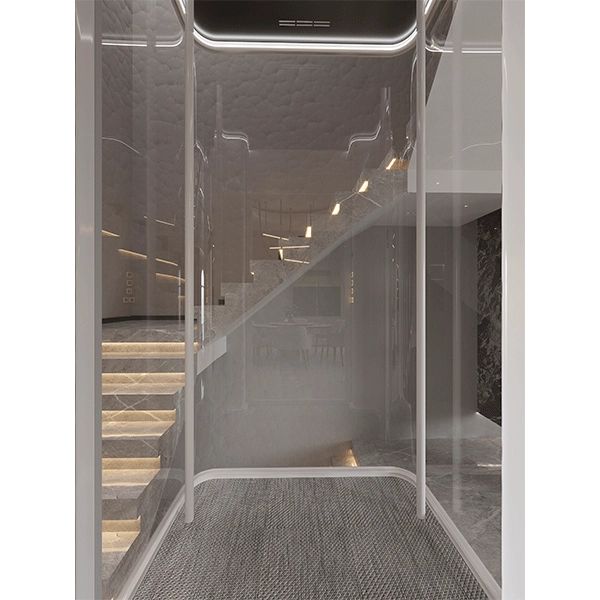
Safety Features to Look for in Villa Outdoor Home Elevators
Custom outdoor home lift Manufacturers and Suppliers
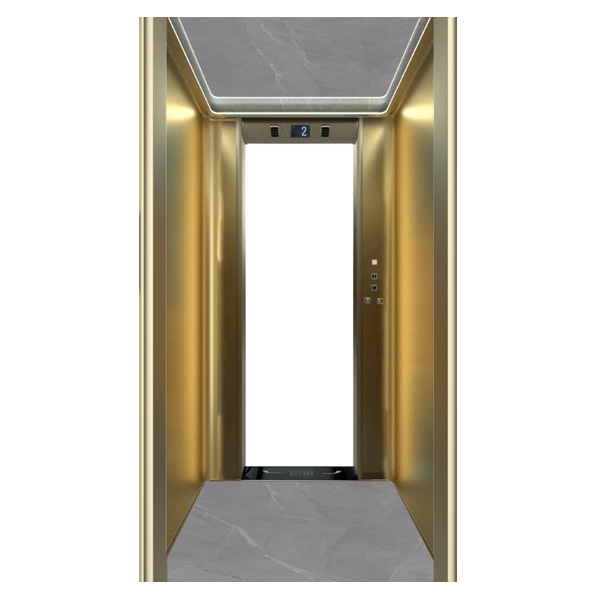
Supplier Selection Checklist for High-End Villa Elevators
Customize
Do I need architectural drawings to start customization?
Not required initially. We can start with basic dimensions or photos and assist with full planning.
How does the customization process work?
Our design team will guide you through the steps: style selection, material choice, and 3D visualization before confirmation.
Can the elevator design be matched to my home's architecture?
Absolutely. Our designers tailor each cabin to complement your interior layout and style.
Product
How to install an elevator and what is the warranty?
We have overseas technicians who are at your service 24 hours a day, 365 days a year.
Can it be customized as required?
Yes.
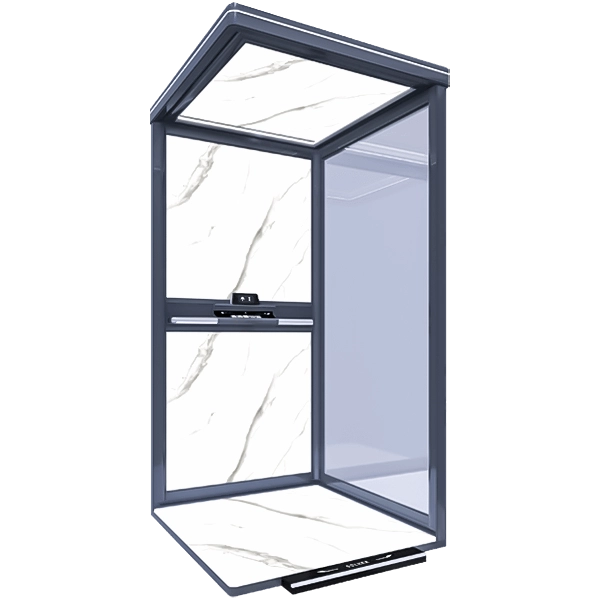
Minimalist design high-end and elegant villa home elevator Model-S
The Model-S is a home villa elevator in the Italian minimalist style. It features the most advanced elevator technology and has comprehensive safety protection measures. It is the most reliable guarantee for your passage in villa homes.
Simple and elegant villa home elevator Model-mini
The Model-Mini is a home villa elevator in the Italian minimalist style. It features the most advanced elevator technology and has comprehensive safety protection measures. It is the most reliable guarantee for your passage in villa homes
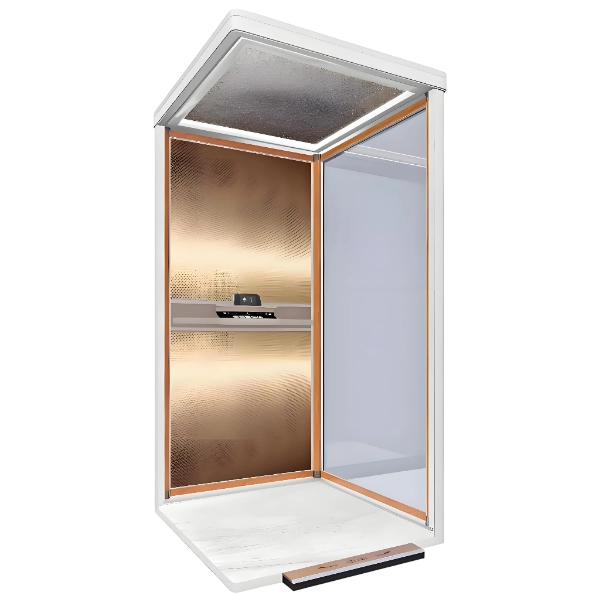
High-end and elegant villa home elevator Model-A
The Model A is a home villa elevator in the Italian minimalist style. It features the most advanced elevator technology and has comprehensive safety protection measures. It is the most reliable guarantee for your passage in villa homes.
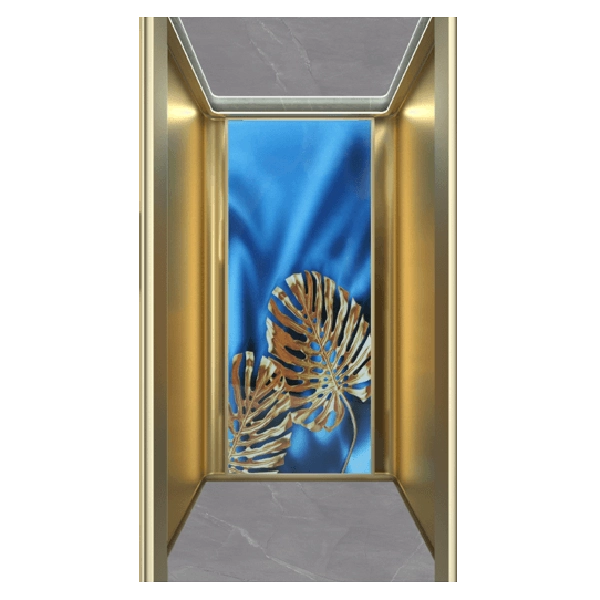
Minimalist design high-end and elegant villa home elevator Model-Q
The Model-Q is a home villa elevator in the Italian minimalist style. It features the most advanced elevator technology and has comprehensive safety protection measures. It is the most reliable guarantee for your passage in villa homes.
Let's get in touch
Email: lin@solkerelevator.com
Tel: +86 133 1668 7566
Address: Floor 1, Building D, Nanxin Industry International, Nancheng District, Dongguan, China.
 Taiwan, China
 No. 21, Lane 38, 206 Yingtai Road, Yingge District, New Taipei City
 +886 0975-299-830
 United Arab Emirates
Capital Mall, Abu Dhabi, United Arab Emirates, 3rd floor, Luxera elevator +971 52 541 4685 Ceo@maharacare.com
 Melbourne, Australia
 19/12 Natalia Av, Oakleigh South, VIC 3167
+61 1300 771 86 sales@goldenhomelifts.com.au
Sydney, Australia
U28/323 Chisholm Road, Auburn, NSW 2144
+61 1300 771 86 sales@goldenhomelifts.com.au
SOLKER
SOLKER