


Top 10 energy-efficient outdoor home elevator technologies
- Why energy efficiency is essential for outdoor home elevators
- Environmental impact and greenhouse gas reduction
- Cost savings and lifecycle considerations
- Safety, standards and local codes
- Top 10 energy-efficient technologies for outdoor home elevators (1–3)
- 1. Regenerative drive systems
- 2. High-efficiency gearless motors
- 3. Variable Frequency Drives (VFD) with smart profiles
- Top 10 energy-efficient technologies for outdoor home elevators (4–7)
- 4. Energy-aware standby and sleep modes
- 5. LED lighting and low-power cabin systems
- 6. Thermal insulation and sealed cabins for outdoor exposure
- 7. Battery backup with smart energy management
- Top 10 energy-efficient technologies for outdoor home elevators (8–10) and selection guidance
- 8. IoT smart controls and predictive maintenance
- 9. Low-friction guide systems and materials
- 10. Photovoltaic integration and microgeneration
- How to choose among technologies for an outdoor home elevator
- Implementation and maintenance best practices for outdoor home elevator efficiency
- Installation site planning and weatherproofing
- Commissioning and tuning controls
- Regular inspection and predictive servicing
- Case example: Model-S—Minimalist Italian villa elevator optimized for outdoor use
- Why Model-S is suitable for outdoor home elevator needs
- FAQ — Frequently asked questions
- Q1: Can an outdoor home elevator really save energy compared to a basic model?
- Q2: Is regenerative energy safe for villa electrical systems?
- Q3: How does an outdoor elevator cope with rain, snow or salt air?
- Q4: Are battery backups necessary for energy-efficient outdoor elevators?
- Q5: What standards should I check when buying an outdoor home elevator?
- Q6: How do I measure energy savings after installation?
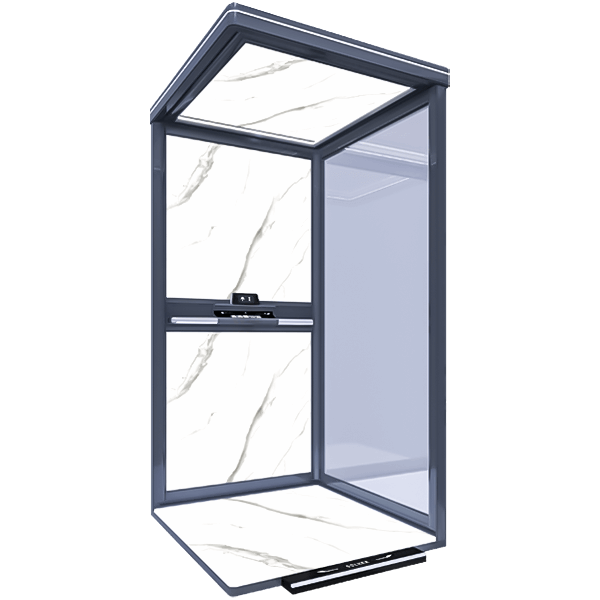
The shift toward sustainable luxury in residential architecture means outdoor home elevator choices must balance performance, weather resistance, and energy efficiency. This article reviews the top 10 energy-efficient technologies for outdoor home elevators, explains why each matters for villa applications, and shows how design choices—from regenerative drives to thermal insulation and smart standby modes—reduce energy use and lifecycle cost. We also highlight how the Minimalist design high-end and elegant villa home elevator Model-S fits into an energy-aware villa setting.
Why energy efficiency is essential for outdoor home elevators
Environmental impact and greenhouse gas reduction
Outdoor home elevators often operate in low-traffic residential settings but their cumulative energy consumption can be significant over time, especially in luxury villas with frequent use and multiple stops. Choosing energy-efficient technologies reduces electricity demand and associated CO2 emissions. International standards like Wikipedia's overview of elevators provide context for the evolution of efficiency measures, while the ISO 25745 series addresses energy performance of lifts and offers measurement frameworks for comparing systems (ISO 25745).
Cost savings and lifecycle considerations
Lower energy consumption translates directly into lower operating costs. Efficient drives, LED lighting and standby control schemes reduce monthly energy bills. When selecting an outdoor home elevator, consider not only upfront cost but lifecycle cost: energy use, maintenance intervals, and component longevity. Manufacturers such as KONE and OTIS publish product pages with efficiency technologies (e.g., gearless motors, regenerative drives) that illustrate real-world savings (KONE, OTIS ReGen).
Safety, standards and local codes
Outdoor installations must meet both elevator safety codes and weatherproofing guidelines. In the U.S. and many regions, the ASME A17.1/CSA B44 codes govern residential and commercial elevator safety; these standards intersect with energy and operational controls (ASME A17.1). Complying with recognized standards ensures that energy-saving features do not compromise passenger safety.
Top 10 energy-efficient technologies for outdoor home elevators (1–3)
1. Regenerative drive systems
Regenerative drives convert the elevator's kinetic energy (during braking or down travel with load) back into electrical energy that can be returned to the building grid or used by the elevator system. For outdoor home elevator installations with frequent bi-directional trips, regenerative systems can reduce net energy consumption by 20–60% depending on usage patterns. Practical considerations: ensure the villa electrical system can accept regenerated power or use intermediate energy storage (batteries or supercapacitors) for local reuse.
2. High-efficiency gearless motors
Modern gearless permanent-magnet synchronous motors (PMSM) have higher mechanical and electrical efficiency than older geared traction machines. They run cooler, have lower maintenance requirements, and are ideal for low-to-medium travel distances typical of villa elevators. Gearless designs also pair well with compact outdoor shafts or glass enclosures, maintaining the minimalist aesthetic while saving energy.
3. Variable Frequency Drives (VFD) with smart profiles
VFDs enable precise control of acceleration, deceleration and cruising speed, reducing wasteful starts and stops. Advanced VFD controllers include occupant-adaptive algorithms (e.g., adaptive leveling, soft starts) that optimize energy use based on traffic patterns. For outdoor elevators with intermittent traffic, VFDs reduce stress on mechanical components and improve ride comfort while cutting energy consumption.
Top 10 energy-efficient technologies for outdoor home elevators (4–7)
4. Energy-aware standby and sleep modes
Standby modes reduce idle power consumption by switching off non-essential systems (cabin lighting, ventilation fans, displays) when the elevator is inactive. Smart occupancy sensors and programmable schedules prevent unnecessary wake-ups. For outdoor home elevators exposed to temperature variations, the control algorithm must balance energy savings with readiness and safety (e.g., climate control inside the cabin to prevent frost or condensation).
5. LED lighting and low-power cabin systems
LED fixtures and efficient control of lighting intensity (dimming or presence-sensing) cut cabin lighting energy use dramatically. Low-power HVAC units (if installed) with zoned control are preferable to continuous ventilation fans, especially for small villa elevator cabins that need only intermittent climate control.
6. Thermal insulation and sealed cabins for outdoor exposure
Outdoor home elevators must resist temperature swings and moisture. A well-sealed and insulated cabin reduces the demand on any heating or cooling systems and prevents condensation that could lead to corrosion or control faults. Insulated glass and door seals designed for outdoor conditions prolong component life and reduce energy needed for climate control.
7. Battery backup with smart energy management
Battery backup systems ensure safe evacuation and limited operation during grid outages. Modern battery systems (lithium-ion or modular lead-acid) with smart power management can also act as short-term local energy storage for regenerated electricity, smoothing peaks and enabling greater onsite reuse of recovered energy in villas without grid feedback capability.
Top 10 energy-efficient technologies for outdoor home elevators (8–10) and selection guidance
8. IoT smart controls and predictive maintenance
IoT-enabled controllers monitor usage patterns, identify energy-saving opportunities, and predict maintenance needs before failures occur. Predictive maintenance reduces unplanned downtime and keeps the elevator operating at optimal efficiency. For outdoor elevators, weather and usage telemetry helps schedule preventive actions (e.g., seal replacement before the rainy season).
9. Low-friction guide systems and materials
Reducing mechanical friction—through advanced guide shoes, low-friction coatings, and precision guide rails—lowers drive torque requirements, translating to energy savings. Outdoor installations benefit from corrosion-resistant coatings that maintain low friction across seasons, further preserving efficiency over the long term.
10. Photovoltaic integration and microgeneration
In sunny villa sites, integrating photovoltaic (PV) panels to supply elevator control circuits, lighting, or contribute to regenerative energy storage can offset grid consumption. When combined with batteries and a smart inverter, PV helps create a resilient, low-carbon solution for remote outdoor home elevator installations. System design must account for seasonal generation variability and battery sizing to meet expected elevator loads.
How to choose among technologies for an outdoor home elevator
Selection depends on travel height, usage frequency, local climate, and whether the villa has grid feedback capability. For short-travel outdoor elevators (typical villa applications) a combination of gearless PMSM with a regenerative drive, LED lighting, sealed cabin and smart standby controls often delivers the best balance of performance and ROI. If the villa is off-grid or experiences frequent outages, prioritize battery-backed regenerative systems and PV integration.
| Technology | Typical energy savings | Best for | Notes |
|---|---|---|---|
| Regenerative drives | 20–60% | Bi-directional frequent use | Requires grid acceptance or local storage |
| Gearless PMSM motors | 10–30% | Low-to-medium travel, luxury cabins | Lower maintenance, quieter operation |
| VFD with smart profiles | 5–25% | Intermittent use, variable loads | Improves comfort and reduces mechanical stress |
| LED & low-power cabin systems | 30–80% (lighting portion) | All cabins | Simple, high-impact upgrade |
| Battery backup + local storage | Depends on configuration | Areas with outages or no grid feedback | Enables reuse of regenerated energy |
Implementation and maintenance best practices for outdoor home elevator efficiency
Installation site planning and weatherproofing
Select corrosion-resistant finishes, stainless fasteners, and drainage solutions for pit and rooftop areas. The shaft and cabin should use materials rated for local UV exposure, wind loads and humidity to minimize thermal bridging and moisture intrusion that can increase energy needs and maintenance.
Commissioning and tuning controls
Proper commissioning ensures VFD profiles, regenerative limits and standby thresholds are tuned to the villa's real usage. Work with qualified elevator technicians who document energy baselines at handover so improvements can be quantified and verified against standards like ISO 25745.
Regular inspection and predictive servicing
Scheduled inspections preserve efficiency—lubrication, guide rail alignment, and seal integrity directly affect energy use. IoT-assisted predictive maintenance reduces service visits and prevents efficiency losses that occur when components degrade.
Case example: Model-S—Minimalist Italian villa elevator optimized for outdoor use
The Model-S is a home villa elevator in the Italian minimalist style. It features the most advanced elevator technology and has comprehensive safety protection measures. It is the most reliable guarantee for your passage in villa homes.
The Model-S pairs the aesthetic of an Italian minimalist villa elevator with practical energy-saving technologies: a gearless PMSM drive, optional regenerative unit, sealed cabin with high-performance thermal insulation, LED lighting and smart standby modes. For villas requiring outdoor installations, Model-S offers corrosion-resistant finishes and optional battery-backed power to ensure safe, energy-efficient operation even during outages.
Why Model-S is suitable for outdoor home elevator needs
Model-S integrates multiple technologies discussed above to achieve low lifecycle energy use while maintaining high reliability. Its compact gearless motor reduces mechanical losses. The sealed cabin and door systems minimize climate conditioning needs. Combined with IoT-enabled control, Model-S offers owners measurable reductions in operational energy without compromising safety or aesthetics.
FAQ — Frequently asked questions
Q1: Can an outdoor home elevator really save energy compared to a basic model?
A: Yes. Upgrading to technologies like regenerative drives, gearless motors and smart standby can cut net energy use substantially. Savings depend on usage patterns and installation specifics; typical ranges are shown in the comparison table above.
Q2: Is regenerative energy safe for villa electrical systems?
A: Regenerative systems are safe when installed per electrical codes and when the building electrical system can accept returned power or when local storage is provided. A qualified electrician and elevator installer will size and configure the system appropriately to meet local regulations.
Q3: How does an outdoor elevator cope with rain, snow or salt air?
A: Outdoor elevators require weatherproof finishes, drainage, sealed cabins and corrosion-resistant components. Regular maintenance and properly specified materials (stainless steel, sealed electronics) ensure longevity in harsh climates.
Q4: Are battery backups necessary for energy-efficient outdoor elevators?
A: Battery backups are highly recommended for safety during power outages and can enable better use of regenerative energy in installations where the grid does not accept feedback. They add resilience and may improve overall energy economics when combined with PV.
Q5: What standards should I check when buying an outdoor home elevator?
A: Check compliance with relevant safety and energy standards such as ASME A17.1/CSA B44 for safety and ISO 25745 for energy performance measurement. Also verify local building codes and electrical regulations.
Q6: How do I measure energy savings after installation?
A: Use an energy baseline measured at commissioning and compare to monitored consumption over months/years. IoT and metering solutions can provide per-trip energy data and report savings attributable to regenerative feedback, standby reductions, and component upgrades.
If you want to compare options or see how Model-S performs in your villa, contact our sales and engineering team for a personalized energy assessment and quotation. View product details and request a demo: Minimalist design high-end and elegant villa home elevator Model-S or contact us to speak with a specialist.
Authoritative references and further reading: Elevator — Wikipedia, ISO 25745 — Energy performance of lifts, ASME A17.1, OTIS ReGen, KONE gearless elevators.
Where to Buy villa elevator for home in Saudi Arabia
Custom home lift Manufacturers and Suppliers
Where to Buy best villa elevator in Saudi Arabia
Tips for buy elevators for villas
Product
How long is the production date required?
Under normal circumstances, the production time is 35 to 45 days.
Can it be customized as required?
Yes.
Customize
Is customization available for both indoor and outdoor elevators?
Yes. All custom options apply to indoor and weatherproof outdoor models.
Can I customize the elevator to match my home style?
Absolutely. We offer multiple cabin styles, materials, and finishes to suit modern, classic, or minimalist interiors.
Do I need architectural drawings to start customization?
Not required initially. We can start with basic dimensions or photos and assist with full planning.
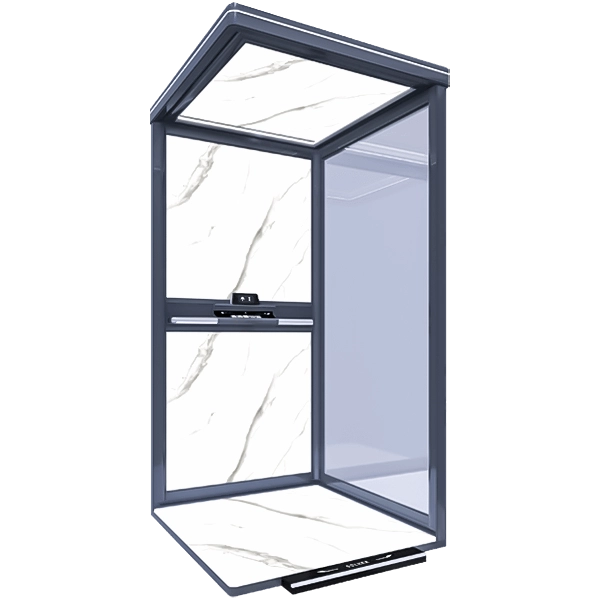
Minimalist design high-end and elegant villa home elevator Model-S
The Model-S is a home villa elevator in the Italian minimalist style. It features the most advanced elevator technology and has comprehensive safety protection measures. It is the most reliable guarantee for your passage in villa homes.
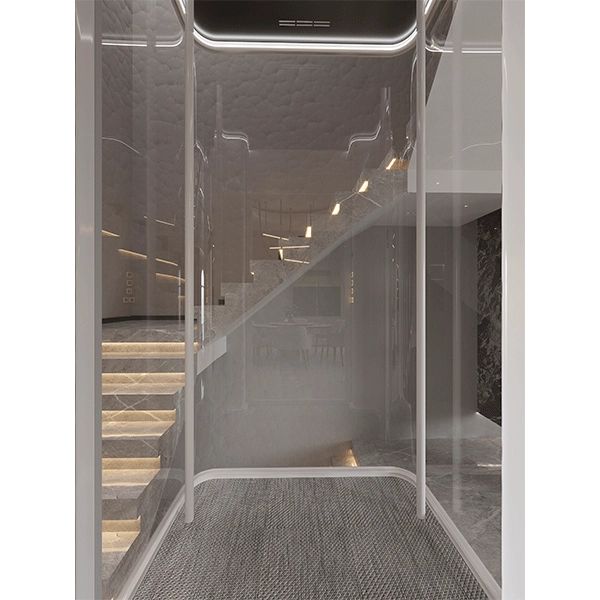
Simple and elegant villa home elevator Model-mini
The Model-Mini is a home villa elevator in the Italian minimalist style. It features the most advanced elevator technology and has comprehensive safety protection measures. It is the most reliable guarantee for your passage in villa homes
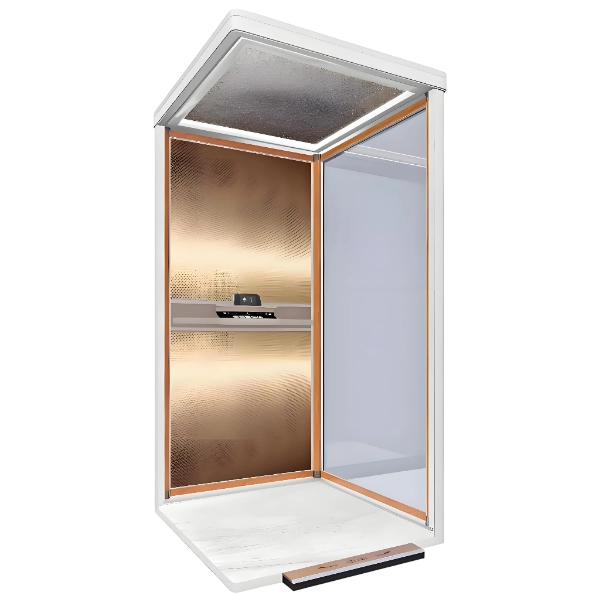
High-end and elegant villa home elevator Model-A
The Model A is a home villa elevator in the Italian minimalist style. It features the most advanced elevator technology and has comprehensive safety protection measures. It is the most reliable guarantee for your passage in villa homes.
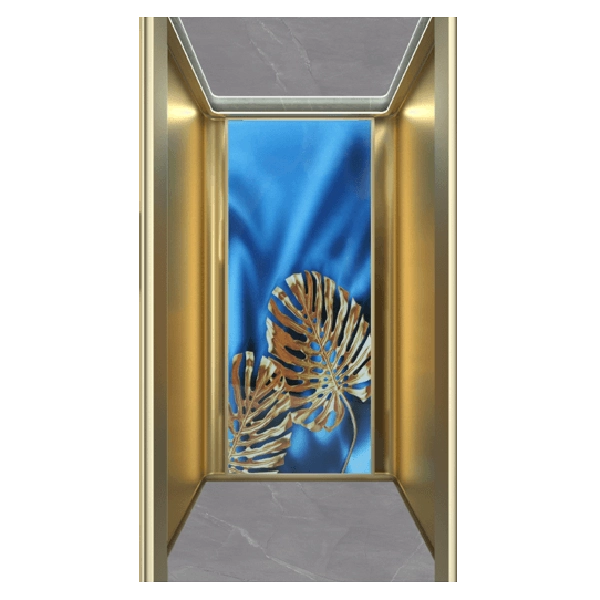
Minimalist design high-end and elegant villa home elevator Model-Q
The Model-Q is a home villa elevator in the Italian minimalist style. It features the most advanced elevator technology and has comprehensive safety protection measures. It is the most reliable guarantee for your passage in villa homes.
Let's get in touch
Email: lin@solkerelevator.com
Tel: +86 133 1668 7566
Address: Floor 1, Building D, Nanxin Industry International, Nancheng District, Dongguan, China.
 Taiwan, China
 No. 21, Lane 38, 206 Yingtai Road, Yingge District, New Taipei City
 +886 0975-299-830
 United Arab Emirates
Capital Mall, Abu Dhabi, United Arab Emirates, 3rd floor, Luxera elevator +971 52 541 4685 Ceo@maharacare.com
 Melbourne, Australia
 19/12 Natalia Av, Oakleigh South, VIC 3167
+61 1300 771 86 sales@goldenhomelifts.com.au
Sydney, Australia
U28/323 Chisholm Road, Auburn, NSW 2144
+61 1300 771 86 sales@goldenhomelifts.com.au
SOLKER
SOLKER