


Choosing an Outdoor Home Elevator: Key Factors to Consider
- Choosing an Outdoor Home Elevator: Key Factors to Consider
- Why an outdoor home elevator can transform your villa
- Safety & standards: Compliance required for every outdoor home elevator
- Weatherproofing, materials and corrosion resistance for outdoor use
- Installation site planning and structural considerations for an outdoor home elevator
- Mechanical options: hydraulic, traction, screw-driven and shaftless solutions
- Capacity, cabin size and accessibility features
- Aesthetics, integration and how design affects value
- Maintenance, lifecycle cost and service agreements for outdoor home elevator
- Cost breakdown, financing and return on investment
- Choosing the right supplier and warranty terms
- Why the Model-mini is a strong choice for villa outdoor installations
- Frequently Asked Questions (FAQ) about outdoor home elevator selection
- Q: Can an outdoor home elevator be installed without a pit or machine room?
- Q: How long does installation typically take for an outdoor home elevator?
- Q: What maintenance should I expect for an outdoor elevator?
- Q: Are outdoor home elevators energy-efficient?
- Q: Do outdoor home elevators require special permits?
- Contact / View Product
- Authority and references

Choosing an Outdoor Home Elevator: Key Factors to Consider
Why an outdoor home elevator can transform your villa
Installing an outdoor home elevator is an increasingly popular way to enhance accessibility, add convenience, and increase the value of high-end homes and villas. An outdoor home elevator provides a reliable, dignified alternative to ramps or stair lifts—especially where space, terrain or architectural style make interior solutions impractical. This guide explains the key factors homeowners and specifiers should evaluate when selecting an outdoor home elevator, with practical advice to ensure a safe, durable, and visually integrated solution. Beyond functionality, visual impact plays a major role in luxury villa projects. To see how thoughtful design adds value, how the Model-mini villa home elevator enhances curb appeal highlights its architectural and aesthetic advantages.
Safety & standards: Compliance required for every outdoor home elevator
Safety is the first and non-negotiable factor when choosing an outdoor home elevator. Elevators are regulated products: different regions reference standards such as ASME A17.1/CSA B44 (North America) or EN 81 (Europe). An outdoor home elevator must meet applicable local and national codes for emergency communication, safety brakes, door interlocks, and load capacity. Ask vendors for third-party certification, test reports, and compliance documentation.
Key safety items to request from suppliers:
- Certificate of compliance with local elevator codes (e.g., ASME A17.1 / EN 81 variants)
- Emergency lowering and back-up power for power outages
- Redundant braking systems and overspeed protection
- Weather-rated safety doors and interlocks for external exposures
- Accessible controls and emergency communication per ADA or local accessibility laws
Weatherproofing, materials and corrosion resistance for outdoor use
Outdoor exposure demands careful material and finish selection. The elevator structure, car, doors, guide rails and mechanical components must resist rain, humidity, salt (coastal locations), UV, and temperature cycles. Look for:
- Marine-grade stainless steel or powder-coated aluminum for shafts and cabins
- Sealed motors, IP-rated electrical enclosures (IP65 or higher where required)
- Tempered or laminated glazing with UV protective coatings for panoramic cabs
- Drainage strategies and gasketing around doors to prevent water ingress
Manufacturers should provide environmental ratings and corrosion-resistance test data. The right finish and protective coatings significantly reduce lifetime maintenance and preserve appearance.
Installation site planning and structural considerations for an outdoor home elevator
Site evaluation is essential before ordering. Outdoor home elevator installation affects foundations, drainage, and landscape. Common site considerations:
- Foundation: some outdoor shafts require concrete footings; shaftless or shafted options may have different foundation needs
- Proximity to electrical supply and potential need for dedicated circuits or backup power
- Drainage and waterproofing to avoid water pooling around machine components
- Access for installers and future maintenance vehicles
- Local planning permissions, sightline and building code approvals
Early involvement of a structural engineer or experienced installer prevents costly on-site surprises and ensures that foundations and mounting arrangements meet manufacturer requirements.
Mechanical options: hydraulic, traction, screw-driven and shaftless solutions
Outdoor home elevators are available in several drive types. Each has pros and cons depending on site, budget, and usage intensity.
Comparison table: common drive systems for outdoor home elevators
| Drive Type | Pros | Cons | Best for |
|---|---|---|---|
| Hydraulic | Smooth ride, high load capacity, quiet | Requires oil reservoir & possible pit; maintenance of fluid systems | Low-rise outdoor installations (2–6 stops) with higher loads |
| Traction (machine-room-less) | Energy-efficient, compact machine-room-less options | More complex machinery; sensitive to moisture if not properly sealed | Mid-height installations where efficiency matters |
| Screw-driven / Cable-driven shaftless | Requires small foundation, aesthetic flexibility, simpler maintenance | Lower speed and capacity limits; noise depends on design | Villas and residential settings with limited structural impact |
| Pneumatic (vacuum) | No pit or machine room; transparent look; minimal footprint | Usually limited to low lift heights and small capacities | Light residential use and design-forward installations |
Discuss expected traffic (daily trips), weight requirements, and intended speed with vendors to select the right drive type. For outdoor installations, sealed components and weatherproofing are decisive.
Capacity, cabin size and accessibility features
Define the required cabin size based on users’ needs: wheelchair users, caregivers with equipment, or luggage and groceries. Typical residential capacities range from 300 kg (2–3 persons) to 630 kg for larger needs. Accessibility considerations include:
- Controls at accessible heights and with tactile markings
- Wide door clearances and level thresholds
- Visual and audible arrival indicators
- Emergency communication that functions outdoors
Regulatory standards—such as ADA in the U.S.—may specify minimum dimensions and control heights for public-access installations. For private homes, design for future-proofing: choose slightly larger cabins if budget allows.
Aesthetics, integration and how design affects value
Outdoor elevators should complement the villa’s architecture. Design options include frameless glass for minimal visual impact, powder-coated metal in custom colors, or classic finishes that echo traditional detailing. An elegant solution can increase property value and curb appeal, but balance aesthetics with functional needs (sun shading, privacy, and glare control).
Example: the Simple and elegant villa home elevator Model-mini is designed in an Italian minimalist style to blend discreetly with high-end villas while employing advanced elevator technologies to guarantee safe and reliable passage. The product introduction provided by the manufacturer is included below:
The Model-Mini is a home villa elevator in the Italian minimalist style. It features the most advanced elevator technology and has comprehensive safety protection measures. It is the most reliable guarantee for your passage in villa homes
Maintenance, lifecycle cost and service agreements for outdoor home elevator
Lifetime ownership cost is driven less by purchase price and more by maintenance, repair, and electricity. Outdoor elevators may require more regular inspections due to exposure. Ask suppliers about:
- Recommended preventive maintenance schedule and typical parts replacement timelines
- Availability of local certified technicians and spare parts
- Service contract tiers (response times, included parts, and annual inspections)
- Warranty coverage for outdoor-rated components and finishes
A well-structured maintenance agreement reduces downtime and preserves safety. Request historical uptime data or references from existing outdoor installations.
Cost breakdown, financing and return on investment
Costs vary widely depending on drive type, materials, customization, and site preparation. Roughly speaking, expect:
- Equipment and manufacture: 40–60% of total
- Site works (foundation, structural modifications): 20–35%
- Installation and commissioning: 10–20%
- Permitting and inspections: 2–5%
Consider ROI not only in direct resale value but also in increased accessibility, lifestyle benefits, and reduced physical strain for occupants. Many suppliers offer financing options or phased payment plans—compare total cost of ownership including maintenance contracts.
Choosing the right supplier and warranty terms
Select a supplier with proven outdoor elevator experience, local installation partners, and transparent warranty terms. Evaluate vendors on:
- Project portfolio with outdoor installations
- Third-party certifications and code compliance documentation
- Clear warranty coverage for mechanical, electrical, and finish items with defined response times
- Strong local service network and spare parts availability
Ask for references and visit a working installation if possible. A reliable supplier will also provide a detailed site survey and tailored proposal.
Why the Model-mini is a strong choice for villa outdoor installations
The Simple and elegant villa home elevator Model-mini is engineered for residential villas where design and reliability matter equally. Its Italian minimalist aesthetic makes it suitable for upscale outdoor environments while integrating advanced safety systems and environmental protections required for exterior use. Key selling points:
- Designed for villa environments—minimalist lines, unobtrusive presence
- Advanced safety systems consistent with residential code requirements
- Weather-conscious engineering and material choices to minimize corrosion and maintenance
- Compact footprint suitable for limited site space
When comparing outdoor home elevator suppliers, the Model-mini stands out as a solution that balances aesthetic discretion with technical robustness.
Frequently Asked Questions (FAQ) about outdoor home elevator selection
Q: Can an outdoor home elevator be installed without a pit or machine room?
A: Yes—shaftless or certain screw-driven and pneumatic designs can be installed with minimal foundation work and no machine room. However, some drive types (e.g., traditional hydraulic) may require a pit or a small machine room. Site constraints and your chosen product determine the requirements.
Q: How long does installation typically take for an outdoor home elevator?
A: Installation can range from 1–6 weeks depending on site preparation, foundation works, and system complexity. A standard modular outdoor elevator often installs faster than a fully custom shafted system. Early site surveys and permit approvals reduce delays.
Q: What maintenance should I expect for an outdoor elevator?
A: Expect periodic inspections (quarterly or bi-annual), annual safety tests, and occasional part replacements (brakes, seals, electronics). Outdoor systems require attention to seals, drainage, and corrosion-prone parts. A service contract with defined response times is recommended.
Q: Are outdoor home elevators energy-efficient?
A: Modern traction and machine-room-less elevators are highly energy-efficient; regenerative drives can feed power back to the grid. Drive selection and duty cycle (frequency of use) affect overall energy consumption. Weatherproofing helps reduce auxiliary loads such as heating for cold climates.
Q: Do outdoor home elevators require special permits?
A: Yes—most jurisdictions require building permits, electrical permits, and inspections for elevators. Accessibility, safety, and local zoning rules can affect design and placement. Always confirm local permitting requirements early in the planning process.
Contact / View Product
To evaluate whether the Model-mini or another outdoor home elevator fits your villa, request a site assessment and proposal. Contact our sales team to schedule a consultation or view product specifications and real installations. or (replace bracket links with your contact URL).
Authority and references
Authoritative resources consulted for safety, standards, and installation best practices:
- Elevator (Wikipedia) — https://en.wikipedia.org/wiki/Elevator
- ASME A17.1/CSA B44 Safety Codes (American Society of Mechanical Engineers) — https://www.asme.org/codes-standards
- EN 81 — Safety rules for the construction and installation of lifts (European Committee for Standardization) — https://standards.cen.eu/
- ADA Standards for Accessible Design (U.S. Department of Justice) — https://www.ada.gov/2010ADAstandards_index.htm
For personalized guidance, contact our technical team to arrange a site visit and discuss the Simple and elegant villa home elevator Model-mini specification aligned with your local codes.
Where to Buy customized villa elevator in Saudi Arabia
Where to Buy high grade villa elevator in Saudi Arabia
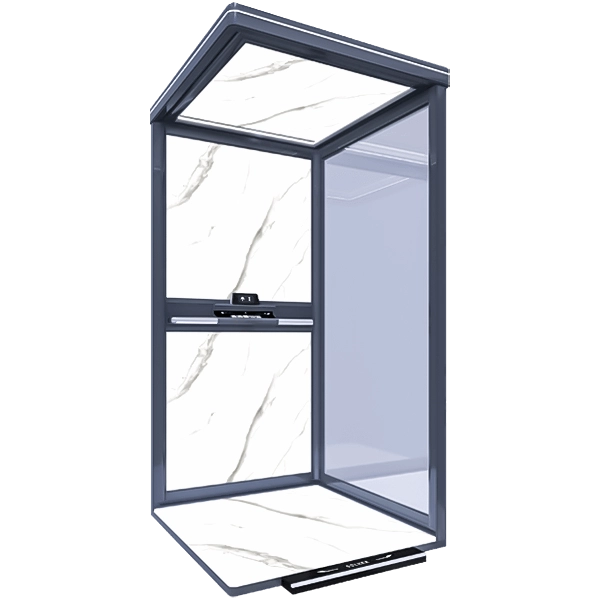
Selecting Suppliers: Villa Home Elevator Model-S Procurement Tips
Where to Buy indoor home villa elevator in Saudi Arabia
Product
How to install an elevator and what is the warranty?
We have overseas technicians who are at your service 24 hours a day, 365 days a year.
Customize
Is customization available for both indoor and outdoor elevators?
Yes. All custom options apply to indoor and weatherproof outdoor models.
How long does a custom order take to deliver?
On average, production takes 30–45 days after confirmation, depending on your configuration.
Can I choose specific materials or colors for the cabin?
Yes. We offer a wide range of premium materials and finishes — from stone to wood to glass.
How does the customization process work?
Our design team will guide you through the steps: style selection, material choice, and 3D visualization before confirmation.
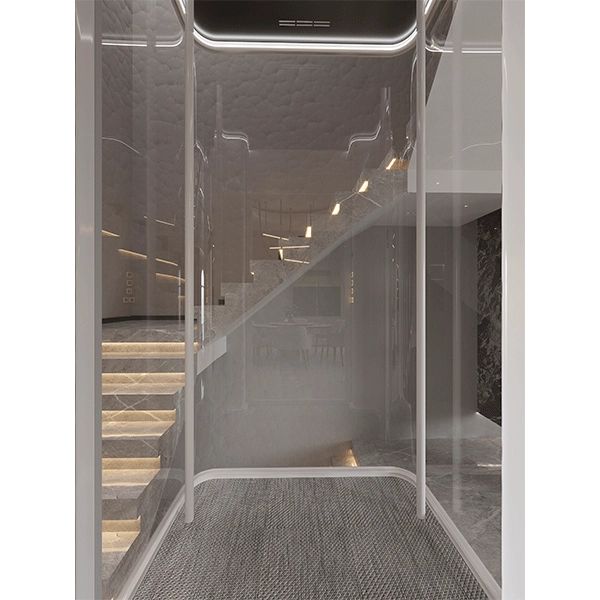
Simple and elegant villa home elevator Model-mini
The Model-Mini is a home villa elevator in the Italian minimalist style. It features the most advanced elevator technology and has comprehensive safety protection measures. It is the most reliable guarantee for your passage in villa homes
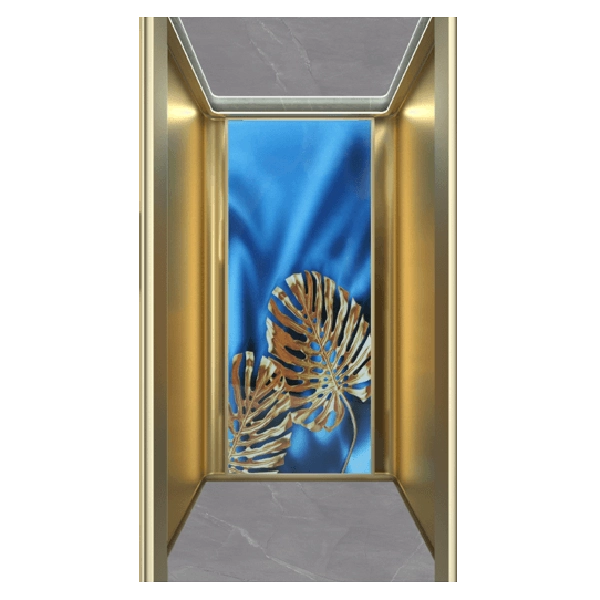
Minimalist design high-end and elegant villa home elevator Model-Q
The Model-Q is a home villa elevator in the Italian minimalist style. It features the most advanced elevator technology and has comprehensive safety protection measures. It is the most reliable guarantee for your passage in villa homes.
Minimalist design high-end and elegant villa home elevator Model-S
The Model-S is a home villa elevator in the Italian minimalist style. It features the most advanced elevator technology and has comprehensive safety protection measures. It is the most reliable guarantee for your passage in villa homes.
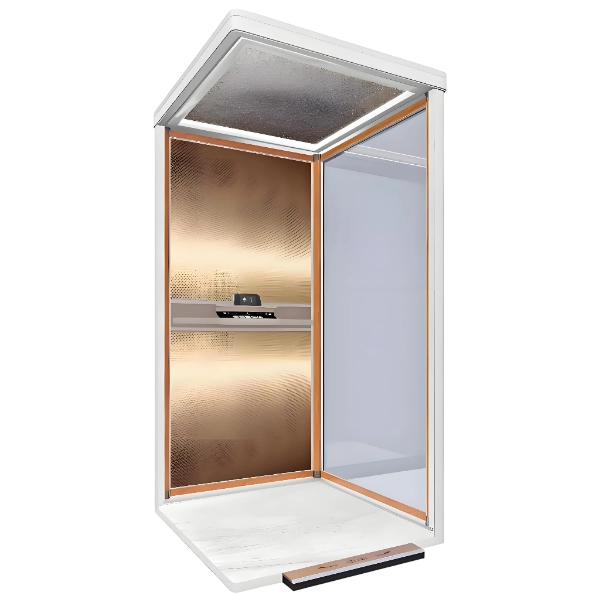
High-end and elegant villa home elevator Model-A
The Model A is a home villa elevator in the Italian minimalist style. It features the most advanced elevator technology and has comprehensive safety protection measures. It is the most reliable guarantee for your passage in villa homes.
Let's get in touch
Email: lin@solkerelevator.com
Tel: +86 133 1668 7566
Address: Floor 1, Building D, Nanxin Industry International, Nancheng District, Dongguan, China.
 Taiwan, China
 No. 21, Lane 38, 206 Yingtai Road, Yingge District, New Taipei City
 +886 0975-299-830
 United Arab Emirates
Capital Mall, Abu Dhabi, United Arab Emirates, 3rd floor, Luxera elevator +971 52 541 4685 Ceo@maharacare.com
 Melbourne, Australia
 19/12 Natalia Av, Oakleigh South, VIC 3167
+61 1300 771 86 sales@goldenhomelifts.com.au
Sydney, Australia
U28/323 Chisholm Road, Auburn, NSW 2144
+61 1300 771 86 sales@goldenhomelifts.com.au
SOLKER
SOLKER