


Common myths about outdoor home elevator safety debunked
- Myth 1: Outdoor home elevators are inherently unsafe due to weather exposure
- Why the myth persists
- The reality — design, materials, and certification matter
- Standards and testing you can check
- Myth 2: Outdoor elevators are not suitable for cold, wet, or coastal climates
- Corrosion and cold-weather concerns
- How manufacturers mitigate climate risks
- Choosing the right product for your site
- Myth 3: Outdoor home elevators are less safe because they’re not regularly inspected
- Inspection and maintenance misconceptions
- What regular maintenance should include
- Who should perform inspections
- Myth 4: Outdoor elevators don’t have the same safety features as indoor elevators
- Core safety systems that all safe elevators have
- Additional outdoor-specific protections
- Comparing typical safety features: indoor vs outdoor
- Myth 5: Outdoor elevators aren’t compliant with safety standards
- Standards exist for residential and outdoor installations
- How to verify compliance
- Why certification matters for homeowners
- Practical steps to ensure your outdoor home elevator is safe
- 1. Site assessment and correct specification
- 2. Insist on professional installation and local permits
- 3. Set up a maintenance and emergency plan
- Quick technical comparison table: common outdoor risks vs solutions
- FAQ
- Q: Can an outdoor home elevator be installed on an older villa without structural changes?
- Q: How often should an outdoor elevator be serviced?
- Q: What happens during a power outage?
- Q: Is an outdoor elevator covered by warranty if used in coastal conditions?
- Q: How do I verify the installer is qualified?
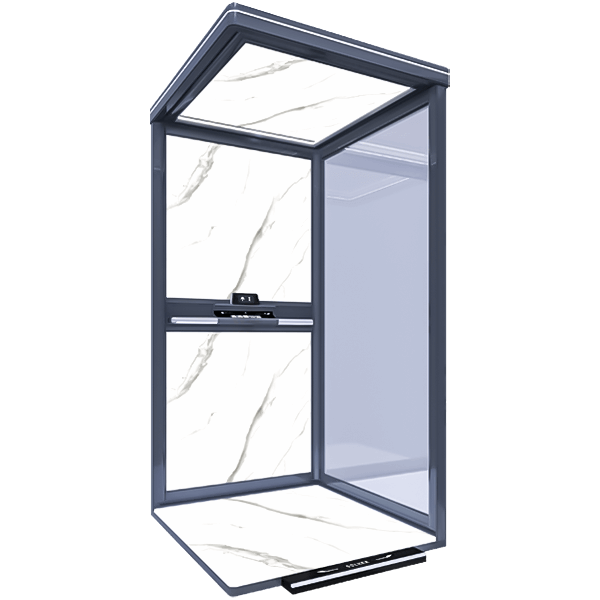
This article examines widespread misconceptions about outdoor home elevator safety and provides evidence-based answers to the questions homeowners and designers frequently ask. By focusing on standards, proven technologies, and practical installation and maintenance steps, this guide helps you evaluate whether an outdoor home elevator is safe for your villa property and how the Minimalist design high-end and elegant villa home elevator Model-S meets stringent safety and reliability expectations.
The Model-S is a home villa elevator in the Italian minimalist style. It features the most advanced elevator technology and has comprehensive safety protection measures. It is the most reliable guarantee for your passage in villa homes.
Myth 1: Outdoor home elevators are inherently unsafe due to weather exposure
Why the myth persists
Many people assume any mechanical system placed outside will quickly degrade and become unsafe. Images of rusted equipment and water damage contribute to the belief that an outdoor home elevator can't match the safety of indoor systems.
The reality — design, materials, and certification matter
Modern outdoor home elevator designs use weatherproof enclosures, stainless or galvanized steel components, corrosion-resistant coatings, and sealed electrical systems to withstand rain, humidity, UV, and temperature swings. Manufacturers that design for outdoor use test components to environmental standards and provide IP-rated controls, so water and dust ingress are minimized. The Model-S uses protective finishes and sealed drive components, and its control systems are rated for outdoor environments, delivering safety comparable to indoor installations when installed correctly.
Standards and testing you can check
Look for compliance with residential elevator standards and manufacturer-reported environmental tests. Authoritative resources include the ASME A18.1 residential elevator standard, which covers design, construction, and safety requirements specific to home elevators — a helpful reference when evaluating outdoor installations (ASME A18.1). General elevator safety practice and historic context are summarized on Wikipedia's elevator safety page (Elevator safety — Wikipedia).
Myth 2: Outdoor elevators are not suitable for cold, wet, or coastal climates
Corrosion and cold-weather concerns
People worry that coastal salt spray or freeze-thaw cycles will damage mechanical systems and make them unsafe. These concerns are valid if the equipment is generic or not specified for the climate.
How manufacturers mitigate climate risks
Manufacturers specify materials and finishes for exposure conditions. For coastal sites, stainless steel fasteners, marine-grade coatings, and sacrificial anodes are common. For cold climates, heating elements in the hoistway, insulated machine rooms or weatherproof enclosures, and battery-backed emergency lowering systems ensure operation and safety during power outages and freezing conditions. The Model-S offers optional climate-specific packages for seals, heaters, and corrosion protection to meet site requirements.
Choosing the right product for your site
When planning an outdoor home elevator, request the manufacturer's environmental specification and ask for references in similar climates. Industry groups such as the European Lift Association provide guidance on lifecycle and maintenance considerations for elevators in diverse environments (European Lift Association).
Myth 3: Outdoor home elevators are less safe because they’re not regularly inspected
Inspection and maintenance misconceptions
Some homeowners believe outdoor elevators are abandoned after installation and therefore unsafe. In fact, regulations and best practices require regular inspection and maintenance for residential lifts just as they do for commercial elevators.
What regular maintenance should include
Typical maintenance tasks include lubricating moving parts, checking brakes and safety gear, inspecting seals and weatherproofing, testing battery backups and emergency lowering systems, and validating door interlocks and sensors. The frequency varies by use and environment, but a routine schedule (quarterly or semi-annual checks) is common for outdoor installations. A clear maintenance contract and access to certified technicians are critical to long-term safety.
Who should perform inspections
Inspections should be performed by certified elevator technicians familiar with residential and outdoor-specific requirements. When evaluating vendors, confirm their certification and ask for documented maintenance plans and emergency response times.
Myth 4: Outdoor elevators don’t have the same safety features as indoor elevators
Core safety systems that all safe elevators have
All modern elevators — indoor or outdoor — rely on a set of proven safety systems: mechanical brakes, overspeed governors, safety interlocks on doors, emergency stop and lowering systems, redundancy in critical controls, and obstruction detection. These systems are implemented to the same safety principles regardless of location.
Additional outdoor-specific protections
Outdoor home elevators add protections such as sealed control panels, enhanced drainage and water management in shafts, UV-resistant finishes, and anti-icing measures. The Model-S integrates standard safety gear with outdoor-rated electronics and seals. It also includes multiple redundant safety features such as automatic braking, door interlocks, obstacle detection, and emergency battery lowering to ensure passenger safety even during power loss or severe weather.
Comparing typical safety features: indoor vs outdoor
| Feature | Indoor residential elevator | Outdoor home elevator |
|---|---|---|
| Brake and governor system | Standard mechanical brakes and governor | Same systems with corrosion-resistant components |
| Control electronics | Indoor-rated enclosures | IP-rated, sealed enclosures for moisture/dust |
| Door protection | Interlocks and photo sensors | Same protections plus anti-seize and drainage |
| Emergency lowering | Battery or manual lowering | Battery-backed systems with frost protection options |
Myth 5: Outdoor elevators aren’t compliant with safety standards
Standards exist for residential and outdoor installations
There are recognized codes and standards for residential elevators (for example, ASME A18.1 in North America). Compliance with these standards ensures a baseline of safety for design, installation, and maintenance. For broader international perspectives and industry guidance, organizations such as the European Lift Association offer useful resources on lifecycle and safety considerations (ELA).
How to verify compliance
Ask manufacturers for documented compliance and certificates. Relevant documents include type-test reports, conformity statements, and maintenance manuals aligned with local regulations. When in doubt, request references for completed outdoor installations in your region and verify that a licensed inspector signed off on the final installation.
Why certification matters for homeowners
Certification reduces liability and the risk of unexpected failures. A certified product has been evaluated against safety criteria and is supported by documented maintenance practices — essential for long-term reliability and peace of mind.
Practical steps to ensure your outdoor home elevator is safe
1. Site assessment and correct specification
Early in the design phase, perform a site-specific assessment focusing on microclimate, drainage, exposure to salt or industrial pollutants, sunlight, and access for maintenance. Specify finishes, protective coatings, and IP-rated components appropriate to these conditions.
2. Insist on professional installation and local permits
Use certified installers familiar with both residential elevator standards and outdoor installations. Obtain necessary permits and have the system inspected by the relevant local authority before commissioning.
3. Set up a maintenance and emergency plan
Arrange an inspection and maintenance contract with response times that match your needs. Confirm emergency access procedures and test emergency lowering and alarm systems periodically.
Quick technical comparison table: common outdoor risks vs solutions
| Risk | Potential effect | Proven mitigation |
|---|---|---|
| Water ingress | Shorts, corrosion, sensor failure | IP-rated enclosures, drainage, sealed cable entries |
| Salt corrosion (coastal) | Accelerated rusting of metal parts | Marine-grade stainless, protective coatings |
| Freezing temperatures | Stiff seals, frozen brakes | Heaters, anti-freeze measures, heated enclosures |
| Power outages | Passengers trapped | Battery backup, emergency lowering, monitored alarms |
FAQ
Q: Can an outdoor home elevator be installed on an older villa without structural changes?
A: Many outdoor home elevators are designed to be minimally invasive and can be mounted externally or in modular shafts requiring limited structural changes. A site-specific structural assessment is required. The Model-S offers flexible installation options for retrofits and new builds; a technical survey will confirm feasibility.
Q: How often should an outdoor elevator be serviced?
A: At minimum, schedule a qualified inspection every 6–12 months, with more frequent checks in harsh climates. Follow the manufacturer's maintenance plan and local regulatory requirements; busy installations may require quarterly servicing.
Q: What happens during a power outage?
A: Certified outdoor home elevators include battery-backed emergency lowering systems and alarms, allowing safe passenger evacuation when power fails. Regular testing of emergency systems is essential.
Q: Is an outdoor elevator covered by warranty if used in coastal conditions?
A: Warranties depend on the manufacturer's terms and whether the correct options for coastal exposure were specified. Using components specified for marine environments is typically required to maintain warranty coverage.
Q: How do I verify the installer is qualified?
A: Request proof of certification, references, and a record of past outdoor installations. Verify they provide a written maintenance and emergency response contract.
If you'd like to evaluate how an outdoor home elevator can fit your villa, or to see technical specifications and climate options for the Minimalist design high-end and elegant villa home elevator Model-S, contact our sales team or request a site survey. For personalized advice and to view product datasheets, get in touch with us to schedule a consultation or a live demonstration.
Contact us / View Model-S: Reach out to our sales team for a detailed quote, climate-specific options, and installation timeline. Our specialists will guide you through compliance, maintenance planning, and a site-specific safety assessment.
References and further reading: Elevator safety — Wikipedia, ASME A18.1 Residential Elevators, European Lift Association (ELA).
Energy-Efficient Residential Elevators: Save on Power
Where to Buy lifts for villas in Saudi Arabia
Tips for buy home villa elevator
Where to Buy luxury home lift in UAE
Product
How to install an elevator and what is the warranty?
We have overseas technicians who are at your service 24 hours a day, 365 days a year.
Customize
How long does a custom order take to deliver?
On average, production takes 30–45 days after confirmation, depending on your configuration.
Is customization available for both indoor and outdoor elevators?
Yes. All custom options apply to indoor and weatherproof outdoor models.
Can I customize the elevator to match my home style?
Absolutely. We offer multiple cabin styles, materials, and finishes to suit modern, classic, or minimalist interiors.
What parts of the elevator can be customized?
You can personalize wall panels, flooring, lighting, control panels, handrails, and door finishes.
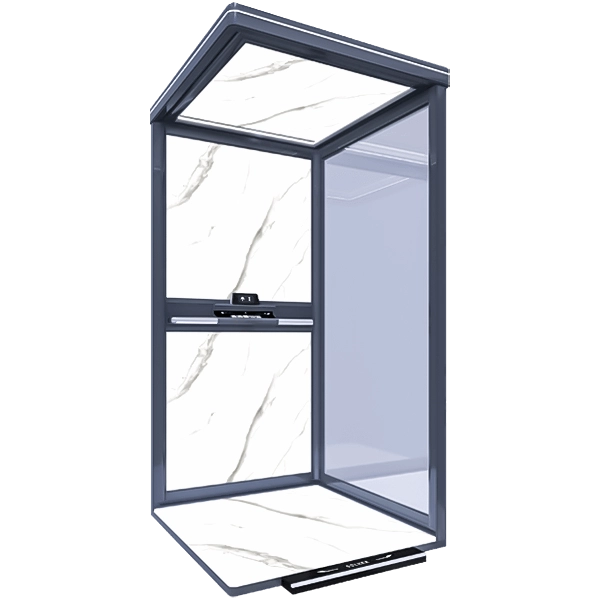
Minimalist design high-end and elegant villa home elevator Model-S
The Model-S is a home villa elevator in the Italian minimalist style. It features the most advanced elevator technology and has comprehensive safety protection measures. It is the most reliable guarantee for your passage in villa homes.
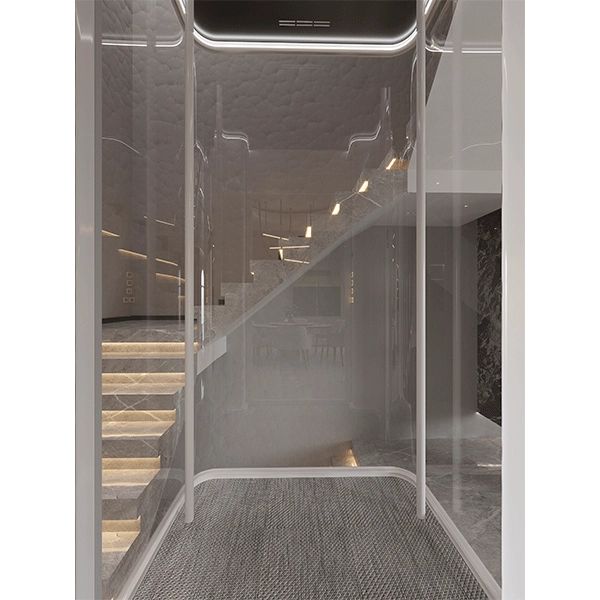
Simple and elegant villa home elevator Model-mini
The Model-Mini is a home villa elevator in the Italian minimalist style. It features the most advanced elevator technology and has comprehensive safety protection measures. It is the most reliable guarantee for your passage in villa homes
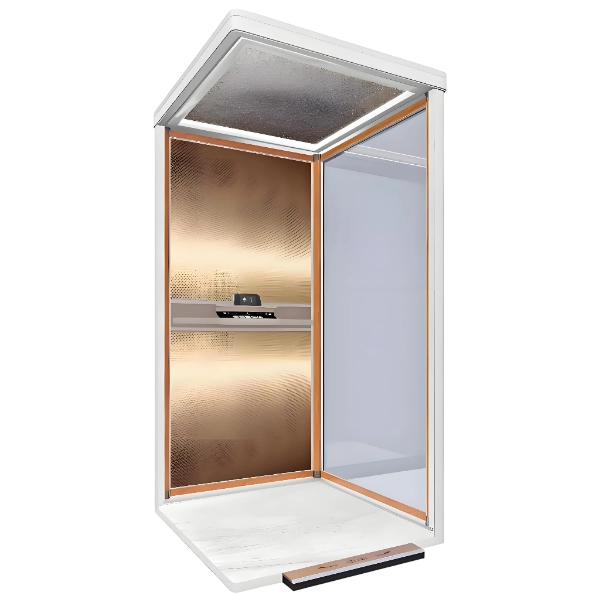
High-end and elegant villa home elevator Model-A
The Model A is a home villa elevator in the Italian minimalist style. It features the most advanced elevator technology and has comprehensive safety protection measures. It is the most reliable guarantee for your passage in villa homes.
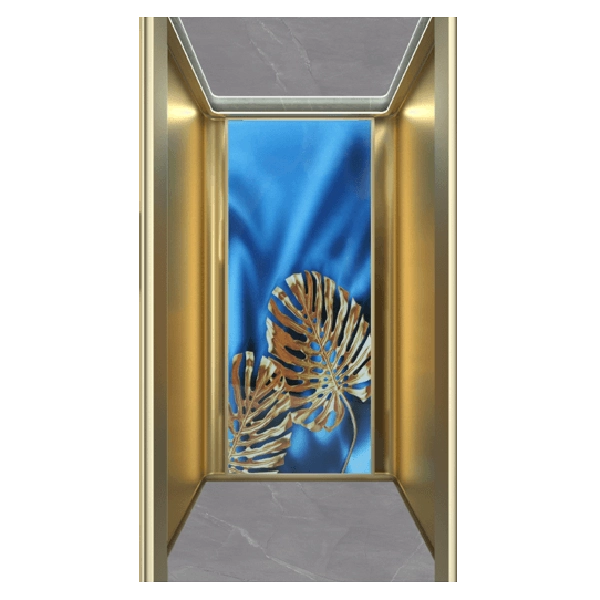
Minimalist design high-end and elegant villa home elevator Model-Q
The Model-Q is a home villa elevator in the Italian minimalist style. It features the most advanced elevator technology and has comprehensive safety protection measures. It is the most reliable guarantee for your passage in villa homes.
Let's get in touch
Email: lin@solkerelevator.com
Tel: +86 133 1668 7566
Address: Floor 1, Building D, Nanxin Industry International, Nancheng District, Dongguan, China.
 Taiwan, China
 No. 21, Lane 38, 206 Yingtai Road, Yingge District, New Taipei City
 +886 0975-299-830
 United Arab Emirates
Capital Mall, Abu Dhabi, United Arab Emirates, 3rd floor, Luxera elevator +971 52 541 4685 Ceo@maharacare.com
 Melbourne, Australia
 19/12 Natalia Av, Oakleigh South, VIC 3167
+61 1300 771 86 sales@goldenhomelifts.com.au
Sydney, Australia
U28/323 Chisholm Road, Auburn, NSW 2144
+61 1300 771 86 sales@goldenhomelifts.com.au
SOLKER
SOLKER