


Preparing your villa for outdoor home elevator installation
- Site assessment and regulatory groundwork
- Assessing structural and foundation requirements
- Understanding permits, local codes, and accessibility laws
- Selecting the ideal location for an outdoor home elevator
- Design integration: how Model-S fits into villa architecture
- Minimalist aesthetic: blending form and function
- Product introduction and technical overview
- Weatherproofing, materials, and thermal performance
- Safety, compliance, and lifecycle planning
- Standards and testing for residential exterior elevators
- Built-in safety systems and emergency preparedness
- Maintenance planning and operational costs
- Installation logistics, timeline, and homeowner checklist
- Pre-installation checklist for contractors and homeowners
- Typical installation steps and timeline
- Testing, commissioning, and handover
- Comparing Model-S with typical outdoor home elevator options
- FAQs — Frequently Asked Questions
- How long does an outdoor elevator installation take?
- Do outdoor home elevators require a separate foundation?
- Can Model-S be used in coastal environments?
- What electrical requirements are typical for an outdoor home elevator?
- How often should an outdoor elevator be inspected?
- Next steps and how to contact us
The following guide helps homeowners, architects, and contractors prepare a villa for the installation of an outdoor home elevator. It covers site selection, structural preparation, local regulation and safety standards, weatherproofing and insulation, utilities and electrical requirements, access and aesthetic integration, testing and commissioning, and long-term maintenance considerations. This summary is optimized for -indexing and local search discovery to connect villa owners with the right installation planning resources and the Model-S minimalist villa elevator solution.
Site assessment and regulatory groundwork
Assessing structural and foundation requirements
Before installing an outdoor home elevator, conduct a thorough structural assessment. An outdoor lift shaft, support column, or glass tower (depending on design) transfers vertical loads to the villa’s foundation or to a dedicated footing. A licensed structural engineer should confirm that existing foundations can handle the additional point loads and dynamic forces or specify a separate concrete footing. The typical considerations include soil bearing capacity, frost depth for foundations in colder climates, and potential need for underpinning near older villas.
Understanding permits, local codes, and accessibility laws
Regulatory requirements vary widely. In many regions, residential exterior elevators must meet regional building codes and elevator standards. Referencing authoritative standards such as ASME A17.1 (for the U.S.) is essential when planning design and safety features (ASME A17.1). European projects should check EN standards and national implementations; industry associations such as the European Lift Association provide regional guidance (EU-ELA). Local permitting offices will confirm required drawings, fire department reviews, and zoning setbacks.
Selecting the ideal location for an outdoor home elevator
Location decisions balance convenience, privacy, aesthetics, and technical constraints. Common placement options include:
- Adjacent to a patio or terrace for direct level access to living spaces.
- Alongside a garage or driveway for easy drop-off access.
- Within a landscaped courtyard where a glass tower becomes a design feature.
Key practical criteria: shortest path to existing floors, proximity to electrical mains, minimal disruption to landscaping, and orientation to minimize exposure to prevailing winds and severe weather. Use an exterior elevator only when the chosen location allows for safe, weather-resistant access and convenient routing of utilities.
Design integration: how Model-S fits into villa architecture
Minimalist aesthetic: blending form and function
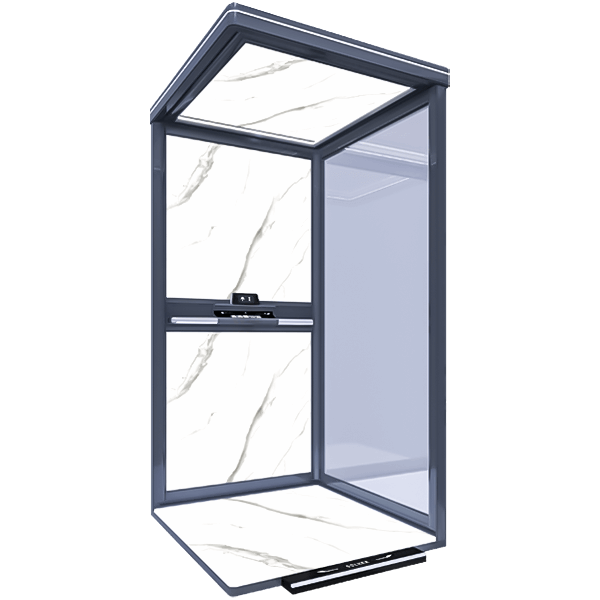
The Minimalist design high-end and elegant villa home elevator Model-S is conceived for contemporary villas where discreet luxury matters. The Model-S brings Italian minimalist styling and contemporary materials that complement stone facades, glass balustrades, and flat roofs. For seamless integration, coordinate the elevator cabin finishes, glass types, and exterior cladding with the villa’s palette and architectural lines. Where visual continuity is critical, consider recessed mounting, matching metal finishes, or a complementary glass tower to maintain sightlines.
Product introduction and technical overview
The Model-S is a home villa elevator in the Italian minimalist style. It features the most advanced elevator technology and has comprehensive safety protection measures. It is the most reliable guarantee for your passage in villa homes.
The Model-S is designed for both indoor and exterior applications. Typical features to confirm with your vendor include a weatherproof cab, corrosion-resistant finishes, rated ingress protection (IP) for exterior electrical components, and energy-efficient drive options. For outdoor home elevator installs, verify that the manufacturer provides specific guidance on anchoring, drainage, and sealants for exterior junctions.
Weatherproofing, materials, and thermal performance
Outdoor elevators must resist moisture, UV exposure, temperature swings, and, in coastal locations, salt air corrosion. Specify stainless steel or powder-coated aluminum for exposed metalwork, tempered laminated glass for cab walls, and high-grade EPDM or silicone seals on doors and interfaces. Ensure the elevator’s control panel and drive components have appropriate IP ratings and that heating options or insulation are available for cold climates to prevent condensation and freezing in hoistways.
Safety, compliance, and lifecycle planning
Standards and testing for residential exterior elevators
To demonstrate safety and reliability, rely on recognized standards and testing. International standards and codes give a baseline for design, testing, and maintenance. Examples of relevant organizations and resources include the International Organization for Standardization (ISO) and the general overview of elevators and lifts on Wikipedia, which is useful for basic background and terminology (Elevator — Wikipedia).
Ask vendors for certification documents, test reports, and compliance statements tied to relevant standards in your jurisdiction (e.g., EN/ISO or ASME where applicable). These documents are essential for permitting and long-term resale value.
Built-in safety systems and emergency preparedness
Modern outdoor home elevators include multiple safety layers: mechanical locks, door interlocks, overspeed governors, emergency lowering systems, battery backup for lighting and lowering, and communication systems (two-way intercoms). For villas, ensure emergency access by first responders is possible and that evacuation plans consider the elevator’s use in case of power outages. Confirm that Model-S includes a tested emergency lowering procedure and remote monitoring or alarm features if desired.
Maintenance planning and operational costs
Lifecycle cost planning should include preventive maintenance contracts, periodic inspections, and parts replacement. Typical maintenance items for outdoor installations include seal and gasket replacement, corrosion checks, motor and gearbox lubrication, drainage cleanup, and weather seal inspections. A clear maintenance schedule decreases downtime, prevents moisture-related failures, and preserves warranty coverage. Consider a service contract with a certified technician familiar with residential exterior elevator systems.
Installation logistics, timeline, and homeowner checklist
Pre-installation checklist for contractors and homeowners
Before installers arrive, complete the following:
- Obtain all building permits and approvals and keep copies on site.
- Confirm structural drawings and footings per the engineer’s recommendations.
- Reroute underground utilities if they conflict with the planned footing location.
- Provide clear site access for delivery cranes or lifts; a Model-S installation may require crane access for tower sections or cab placement.
- Ensure a dedicated electrical supply is available with correct voltage, grounding, and surge protection.
Typical installation steps and timeline
Installation timelines vary with complexity, but a common sequence is:
- Site preparation and footing excavation (1–2 weeks depending on curing time).
- Delivery and assembly of elevator tower or shaft components (1–3 days for modular systems).
- Mechanical and electrical installation (3–7 days).
- Integration of finishes and weatherproofing (2–5 days).
- Testing, safety inspections, and commissioning (2–4 days).
Allow 4–8 weeks total from mobilization to handover for most exterior residential elevator installations, though complex sites or bespoke architectural work can extend this.
Testing, commissioning, and handover
Commissioning includes load testing, verifying door interlocks, emergency lowering, battery backup operation, and communication systems. Test performance under expected load and through full travel cycles; log results and provide a formal handover package to the homeowner containing manuals, maintenance schedules, and service contacts.
Comparing Model-S with typical outdoor home elevator options
| Feature | Model-S (Minimalist villa elevator) | Typical outdoor residential elevator |
|---|---|---|
| Style | Italian minimalist, high-end finishes | Varied; often utilitarian or fully glass |
| Weatherproofing | High (designed for exterior use, corrosion-resistant) | Varies; may require additional sealing |
| Safety & Standards | Designed to meet modern residential standards and safety systems | Compliant options available; specification-dependent |
| Drive Type | Energy-efficient options (e.g., gearless or modern traction) | Hydraulic or traction; hydraulic more common for retrofit |
| Maintenance | Manufacturer-backed plans recommended | Service availability depends on supplier |
| Typical installation timeline | 4–8 weeks | 3–10 weeks depending on customization |
FAQs — Frequently Asked Questions
How long does an outdoor elevator installation take?
Most exterior residential elevator installations take 4–8 weeks from site mobilization to handover, depending on foundation work, permitting, and site access. Complex custom finishes or difficult terrain can extend this timeline.
Do outdoor home elevators require a separate foundation?
Often yes. If the existing foundation cannot carry the new loads, a dedicated footing is required. A structural engineer must assess the site and specify footing dimensions and reinforcement.
Can Model-S be used in coastal environments?
Model-S is designed with corrosion-resistant materials and weatherproofing options, but coastal installations may require upgraded marine-grade finishes and more frequent maintenance. Discuss coastal-grade options with your vendor.
What electrical requirements are typical for an outdoor home elevator?
Requirements vary by model and local codes. Typically a dedicated circuit, appropriate voltage and breaker sizing, proper grounding, and surge protection are required. Battery backup for emergency lowering and cab lighting is recommended for safety.
How often should an outdoor elevator be inspected?
Annual inspection by a licensed elevator technician is typical, with routine maintenance visits every 6–12 months depending on usage and environment. Adhere to manufacturer guidance and local inspection regulations.
Next steps and how to contact us
If you are ready to evaluate the Model-S for your villa, request a site assessment or technical brochure. Our team will provide a tailored installation plan, structural checklist, and a compliance summary for your local permitting authority. View the Model-S product details and request a quote: View Model-S.
For personalized assistance, contact our sales and technical team: Contact Us. We can arrange remote consultations, on-site surveys, and provide estimated timelines and budget ranges.
Selected references and standards for further reading: ASME elevator codes (ASME A17), ISO general standards (ISO), European Lift Association (EU-ELA), and an overview of elevator technology (Elevator — Wikipedia).
How Residential Elevators Increase Home Value
Where to Buy lift for villa in Saudi Arabia
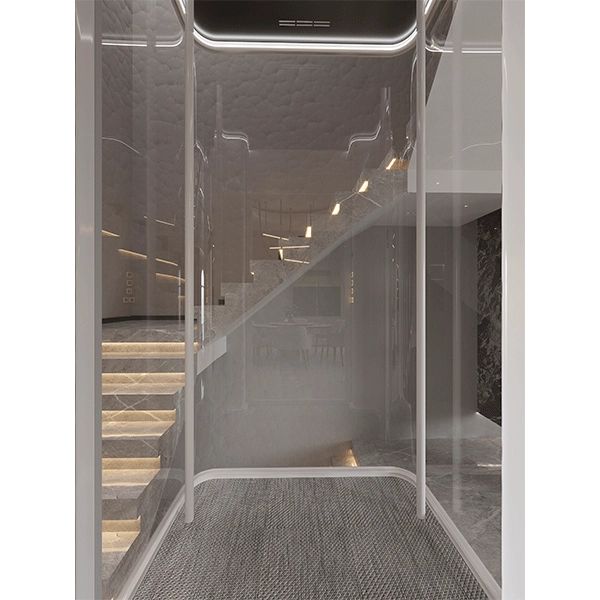
Benefits of an Outdoor Home Elevator for Accessible Villa Living
Energy Efficient In-Home Elevators: Save Power and Money
Product
Can it be customized as required?
Yes.
How long is the production date required?
Under normal circumstances, the production time is 35 to 45 days.
Customize
What parts of the elevator can be customized?
You can personalize wall panels, flooring, lighting, control panels, handrails, and door finishes.
Can I customize the elevator to match my home style?
Absolutely. We offer multiple cabin styles, materials, and finishes to suit modern, classic, or minimalist interiors.
Can I choose specific materials or colors for the cabin?
Yes. We offer a wide range of premium materials and finishes — from stone to wood to glass.
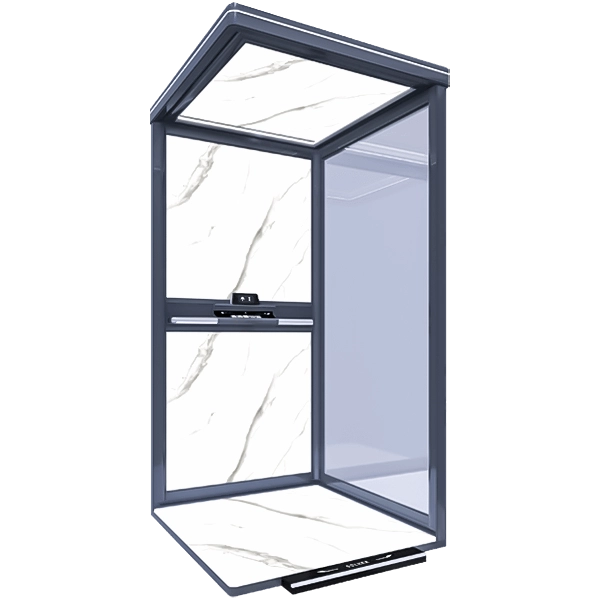
Minimalist design high-end and elegant villa home elevator Model-S
The Model-S is a home villa elevator in the Italian minimalist style. It features the most advanced elevator technology and has comprehensive safety protection measures. It is the most reliable guarantee for your passage in villa homes.
Simple and elegant villa home elevator Model-mini
The Model-Mini is a home villa elevator in the Italian minimalist style. It features the most advanced elevator technology and has comprehensive safety protection measures. It is the most reliable guarantee for your passage in villa homes
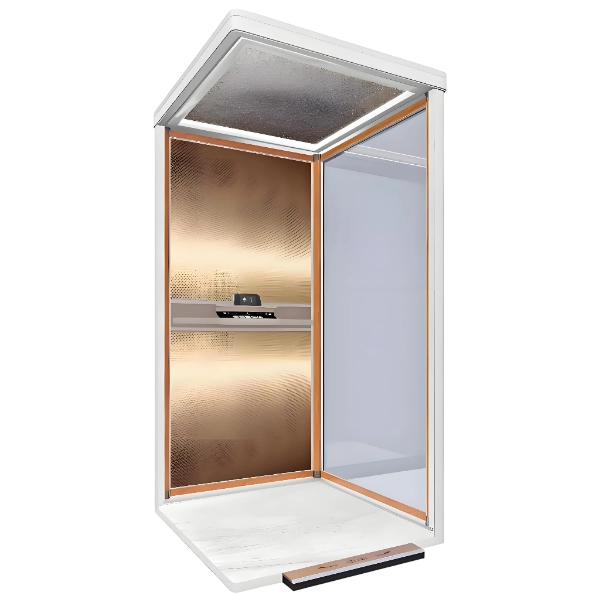
High-end and elegant villa home elevator Model-A
The Model A is a home villa elevator in the Italian minimalist style. It features the most advanced elevator technology and has comprehensive safety protection measures. It is the most reliable guarantee for your passage in villa homes.
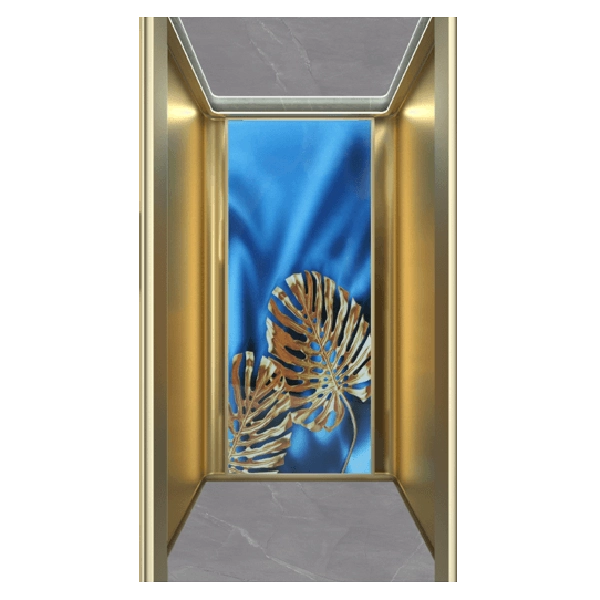
Minimalist design high-end and elegant villa home elevator Model-Q
The Model-Q is a home villa elevator in the Italian minimalist style. It features the most advanced elevator technology and has comprehensive safety protection measures. It is the most reliable guarantee for your passage in villa homes.
Let's get in touch
Email: lin@solkerelevator.com
Tel: +86 133 1668 7566
Address: Floor 1, Building D, Nanxin Industry International, Nancheng District, Dongguan, China.
 Taiwan, China
 No. 21, Lane 38, 206 Yingtai Road, Yingge District, New Taipei City
 +886 0975-299-830
 United Arab Emirates
Capital Mall, Abu Dhabi, United Arab Emirates, 3rd floor, Luxera elevator +971 52 541 4685 Ceo@maharacare.com
 Melbourne, Australia
 19/12 Natalia Av, Oakleigh South, VIC 3167
+61 1300 771 86 sales@goldenhomelifts.com.au
Sydney, Australia
U28/323 Chisholm Road, Auburn, NSW 2144
+61 1300 771 86 sales@goldenhomelifts.com.au
SOLKER
SOLKER