


Seasonal maintenance checklist for outdoor home elevators
- Why seasonal care is essential for outdoor home elevators
- Understanding environmental stressors
- Safety, regulatory and warranty implications
- Seasonal checklist: Spring & Summer (warm, wet and high-usage months)
- Spring — reset after winter
- Summer — handle heat and humidity
- Spring/Summer checklist table
- Seasonal checklist: Autumn & Winter (cold, freezing and storm months)
- Autumn — prepare for moisture and cold
- Winter — manage ice, salt and low temperatures
- Winter checklist table
- Inspection, maintenance best practices and professional service
- Routine DIY checks vs. professional inspections
- Record-keeping and digital monitoring
- When to call an emergency technician
- Practical tips to extend the life and appearance of your exterior villa lift
- Material and finish care for high-end elevators
- Weatherproofing and retrofits
- Energy-efficient operation and environmental considerations
- Frequently Asked Questions (FAQ)
- How often should an outdoor home elevator be inspected?
- Can I do seasonal maintenance myself?
- What special care does the Model-S require for outdoor installation?
- How should I protect my elevator in a coastal or salt-spray environment?
- Does seasonal maintenance affect elevator warranties?
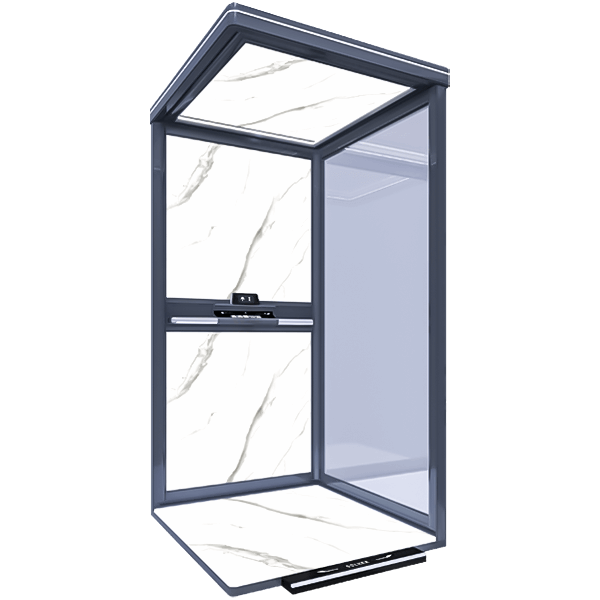
Maintaining an outdoor home elevator requires a season-aware approach: temperature swings, humidity, salt air, ice and UV exposure each stress components differently. This guide offers a clear, actionable seasonal maintenance checklist for outdoor home elevator owners and property managers, helping preserve safety, reliability and the aesthetics of High Quality villa lifts like the Model-S across climates (coastal, temperate, continental and cold).
The Model-S is a home villa elevator in the Italian minimalist style. It features the most advanced elevator technology and has comprehensive safety protection measures. It is the most reliable guarantee for your passage in villa homes.
Why seasonal care is essential for outdoor home elevators
Understanding environmental stressors
Outdoor home elevators face unique challenges compared with indoor units. Exposure to UV radiation, temperature extremes, humidity, wind-driven debris and, in coastal locations, salt-laden air accelerates corrosion and degrades seals, gaskets and electronic components. Regular seasonal checks reduce the risk of unexpected breakdowns and extend service life.
Safety, regulatory and warranty implications
Routine maintenance supports both occupant safety and compliance with safety codes such as ASME A17.1 (safety code for elevators) and regional lift standards (e.g., EN 81 series in Europe). Neglect can create safety hazards and may void warranties. For reference, see ASME's elevator standards overview ASME A17.1 and the general elevator overview on Wikipedia.
Seasonal checklist: Spring & Summer (warm, wet and high-usage months)
Spring — reset after winter
After months of cold or snow, prioritize these tasks:
- Visual inspection: check the shaft, exterior panels and glazed areas for cracks, warping or water ingress.
- Clean drainage and gutters around the pit and machine-room areas to prevent pooling water.
- Check seals and weather stripping for elasticity and tears; cold can make rubber brittle.
Summer — handle heat and humidity
Protect electrical and finishing components from heat stress and humidity:
- Inspect ventilation and cooling for the machine room or control cabinet. Overheated drives shorten inverter life.
- UV protection: glass, painted panels and exposed seals may need UV-safe cleaners and polymer protectants.
- Lubricate guide rails and moving components per manufacturer recommendations to prevent wear in high-use months.
Spring/Summer checklist table
| Item | Frequency | Why it matters |
|---|---|---|
| Visual exterior inspection | Quarterly (Spring) | Detect water ingress, corrosion, seal failure early |
| Drainage cleaning | After thaw and before heavy rains | Prevents pit flooding and motor damage |
| Control cabinet ventilation check | Annually / before summer | Ensures electronics stay within operating temperature |
| Lubrication of guides | Every 6 months | Reduces friction and wear during high usage |
Seasonal checklist: Autumn & Winter (cold, freezing and storm months)
Autumn — prepare for moisture and cold
Autumn is the time to prepare seals and drainage systems for freezing temperatures:
- Replace compromised weather seals and check door operator alignment to avoid water trapping.
- Confirm pit heaters (if fitted) and thermostats are operational to prevent condensation and freezing.
- Inspect anchor bolts and external frame fixings for corrosion; remediate with appropriate protective coatings.
Winter — manage ice, salt and low temperatures
Winter risks include ice formation, salt corrosion (coastal regions) and battery strain:
- Ensure anti-icing measures (heated thresholds, de-icing mats) are functioning.
- Use corrosion-resistant cleaning for salt spray; rinse metal surfaces with freshwater when feasible.
- Test emergency power and battery backup; cold reduces battery capacity.
Winter checklist table
| Item | When | Recommended action |
|---|---|---|
| Pit and shaft heating | Before first freeze | Activate and test; replace faulty heaters |
| Anti-icing and drainage | Pre-winter | Install/verify heated plates and clear drains |
| Battery backup & emergency lighting | Monthly test in winter | Load test batteries; replace if capacity low |
| Salt and corrosion control | After storms | Rinse exterior metal, apply anti-corrosive treatments |
Inspection, maintenance best practices and professional service
Routine DIY checks vs. professional inspections
Homeowners can perform visual checks, keep drains clear, and test door operations safely. However, tasks that involve electrical systems, hoistway mechanics, brake systems, and safety devices should be performed only by certified technicians. Annual professional inspections are recommended and often required by local code (e.g., ASME A17.1 in the U.S.). See ASME A17.1 for official inspection guidance ASME A17.1.
Record-keeping and digital monitoring
Maintain a logbook (digital or paper) with dates of inspections, repairs, component replacements and the technician's details. Modern outdoor home elevator systems like Model-S often support remote diagnostics or IoT-enabled monitoring—use these features to receive alerts about abnormal vibration, temperature spikes or door faults. Logging supports warranty claims and demonstrates due diligence for safety compliance.
When to call an emergency technician
Immediate professional service is necessary if you detect:
- Burning smells, smoke or abnormal heating in the motor cabinet.
- Brake slippage or uncontrolled movements; any irregular stopping between floors.
- Water intrusion into the control cabinet or pit flooding.
- Repeated fault codes that reset but reoccur.
Practical tips to extend the life and appearance of your exterior villa lift
Material and finish care for high-end elevators
High-end villa elevators like the Minimalist design Model-S combine glass, stainless steel and powder-coated finishes. Use manufacturer-recommended cleaners; avoid abrasive pads and chlorine-based cleaners on stainless steel and painted finishes. For external glass, choose non-abrasive, low-residue cleaners and protect seals with UV-stable conditioners.
Weatherproofing and retrofits
If your outdoor home elevator is located in a harsh environment, consider these retrofits:
- Marine-grade fasteners and stainless steel A4 (316) where salt corrosion is present.
- Upgraded sealing systems for doors and control cabinets with higher IP ratings.
- Installation of sensor-driven pit heaters and thermostatically controlled ventilation.
Energy-efficient operation and environmental considerations
Seasonal tuning can reduce energy use: adjust ventilation fans seasonally, use standby modes during prolonged low-use periods, and keep drive firmware up-to-date to benefit from consumption-optimizing algorithms. For broader elevator energy guidance, consult international references such as energy-performance standards and studies summarized on resources like Wikipedia.
Frequently Asked Questions (FAQ)
How often should an outdoor home elevator be inspected?
Perform basic visual and drainage checks quarterly. Have a certified technician conduct a comprehensive inspection at least once a year; regions with severe weather or high usage may require semi-annual professional checks. This aligns with common safety codes and manufacturer recommendations such as those summarized by ASME A17.1.
Can I do seasonal maintenance myself?
Yes for non-electrical tasks: cleaning drains, removing debris, checking seals, testing door operation, and noting unusual sounds. Do not attempt repairs involving the drive, brakes, hoist cables, or control electronics—these require certified technicians to ensure safety and preserve warranty coverage.
What special care does the Model-S require for outdoor installation?
The Model-S combines minimalist Italian design with advanced elevator systems. For outdoor installations, pay attention to weather seals, glass and stainless finishes, and ensure the machine-room control cabinet has appropriate IP rating and ventilation. Use manufacturer-approved cleaning agents and follow recommended service intervals provided in the Model-S documentation.
How should I protect my elevator in a coastal or salt-spray environment?
Rinse exposed metal parts with fresh water after storms, use marine-grade fasteners, and apply corrosion inhibitors rated for architectural applications. Increase inspection frequency and consult a certified technician for anti-corrosion retrofits.
Does seasonal maintenance affect elevator warranties?
Yes. Most manufacturers require documented routine maintenance to keep warranties valid. Keep service logs and use authorized service providers for repairs outside basic homeowner tasks.
If you own or manage a villa and want a reliable, elegant outdoor home elevator that pairs minimal Italian aesthetics with robust safety and weather resilience, consider the Minimalist design high-end and elegant villa home elevator Model-S. For technical specifications, seasonal service packages, or to arrange a professional inspection, please contact our support team or view the Model-S product page.
Selected references: ASME elevator standards summary (ASME A17.1), EN 81 overview (EN 81), general elevator concepts and maintenance context (Wikipedia: Elevator).
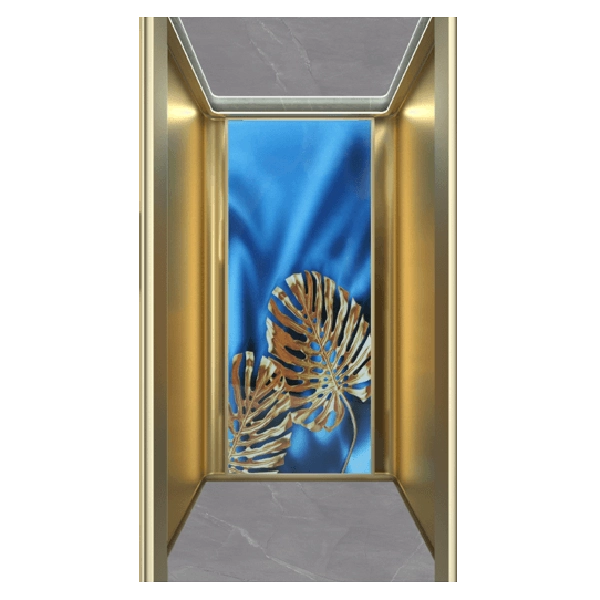
How Model-Q Enhances Home Aesthetics: Minimalist & High-End Design
Custom in home luxury elevators Manufacturers and Suppliers
Trends 2025: Smart and Minimalist Residential Elevators
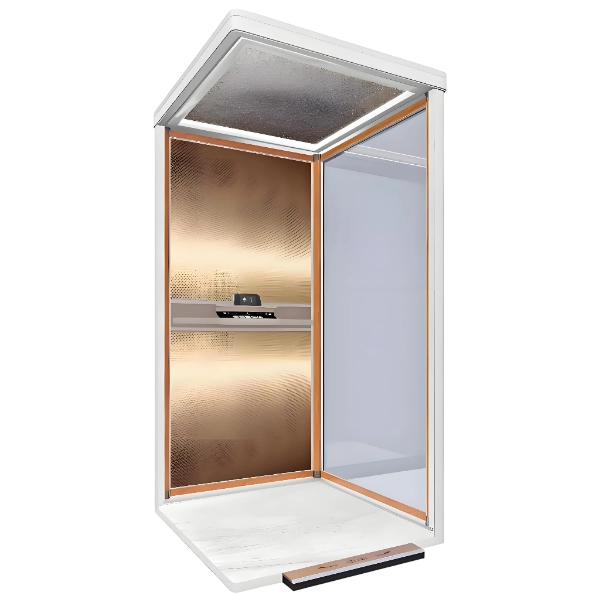
Procurement Guide: Choosing the Best Residential Elevator Model-A
Customize
Do I need architectural drawings to start customization?
Not required initially. We can start with basic dimensions or photos and assist with full planning.
How long does a custom order take to deliver?
On average, production takes 30–45 days after confirmation, depending on your configuration.
Can the elevator design be matched to my home's architecture?
Absolutely. Our designers tailor each cabin to complement your interior layout and style.
Product
How long is the production date required?
Under normal circumstances, the production time is 35 to 45 days.
Can it be customized as required?
Yes.
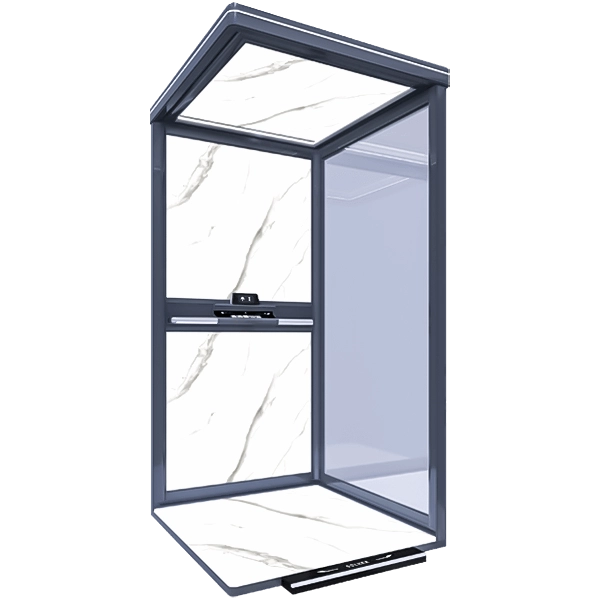
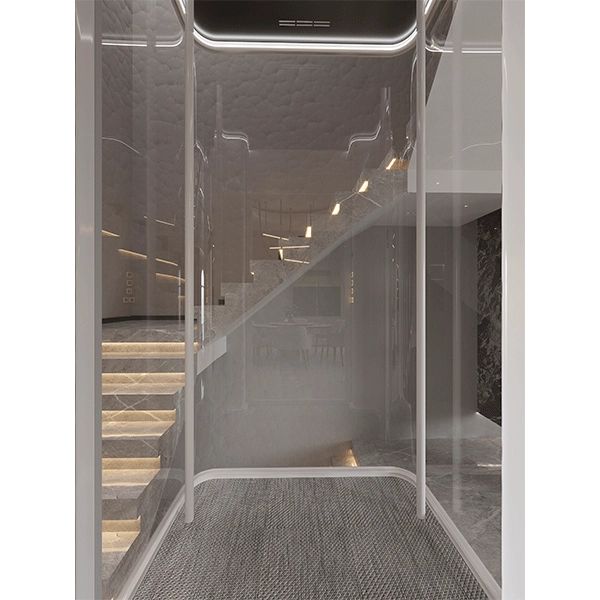
Minimalist design high-end and elegant villa home elevator Model-S
The Model-S is a home villa elevator in the Italian minimalist style. It features the most advanced elevator technology and has comprehensive safety protection measures. It is the most reliable guarantee for your passage in villa homes.
Simple and elegant villa home elevator Model-mini
The Model-Mini is a home villa elevator in the Italian minimalist style. It features the most advanced elevator technology and has comprehensive safety protection measures. It is the most reliable guarantee for your passage in villa homes
High-end and elegant villa home elevator Model-A
The Model A is a home villa elevator in the Italian minimalist style. It features the most advanced elevator technology and has comprehensive safety protection measures. It is the most reliable guarantee for your passage in villa homes.
Minimalist design high-end and elegant villa home elevator Model-Q
The Model-Q is a home villa elevator in the Italian minimalist style. It features the most advanced elevator technology and has comprehensive safety protection measures. It is the most reliable guarantee for your passage in villa homes.
Let's get in touch
Email: lin@solkerelevator.com
Tel: +86 133 1668 7566
Address: Floor 1, Building D, Nanxin Industry International, Nancheng District, Dongguan, China.
 Taiwan, China
 No. 21, Lane 38, 206 Yingtai Road, Yingge District, New Taipei City
 +886 0975-299-830
 United Arab Emirates
Capital Mall, Abu Dhabi, United Arab Emirates, 3rd floor, Luxera elevator +971 52 541 4685 Ceo@maharacare.com
 Melbourne, Australia
 19/12 Natalia Av, Oakleigh South, VIC 3167
+61 1300 771 86 sales@goldenhomelifts.com.au
Sydney, Australia
U28/323 Chisholm Road, Auburn, NSW 2144
+61 1300 771 86 sales@goldenhomelifts.com.au
SOLKER
SOLKER