


Space-Saving Design: Small Home Elevator for Tight Layouts
- Compact Design Strategies for Small Home Elevators
- Understanding footprint constraints and circulation
- Choosing the right compact technology
- Designing for tight floor-to-floor dimensions
- Technical Features and Safety for Small Residential Elevators
- Safety standards and compliance
- Advanced safety features for villa environments
- Noise, vibration, and ride quality
- Installation, Planning, and Cost Considerations
- Retrofit vs. new construction pathways
- Typical costs and payback considerations
- Timeline and coordination
- Why the Minimalist Model-Q is Ideal for Tight Villa Layouts
- Product overview and design language
- Space-saving specifications and modular options
- Safety, reliability, and industry compliance
- Practical Tips for Integrating a Small Home Elevator
- Early-stage planning checklist
- Interior finish and accessibility considerations
- Maintenance planning for long-term reliability
- Brand Advantages and Why Choose This Villa Elevator
- Frequently Asked Questions (FAQ)
- Q1: Can a small home elevator be installed in an existing villa without major structural changes?
- Q3: What is the minimum footprint for a small home elevator?
- Q4: Do small home elevators require a machine room?
- Q5: How do I ensure the elevator complies with local codes?
- Q6: Is the Model-Q suitable for both new builds and retrofits?
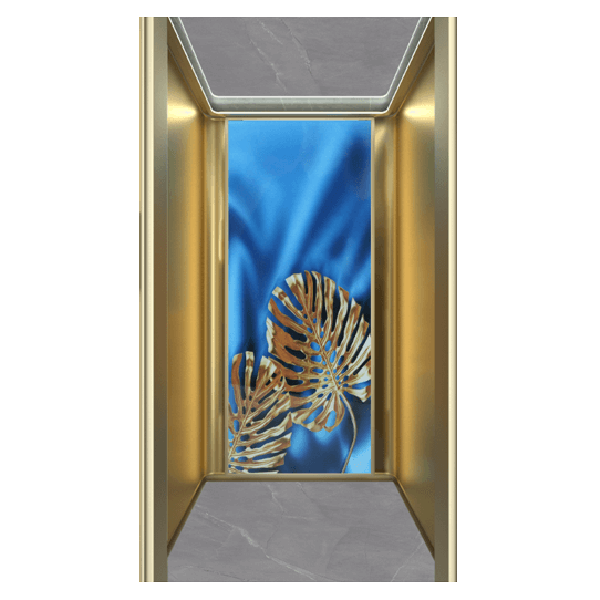
For homeowners and designers looking to add vertical accessibility without sacrificing living space, small home elevator solutions must balance footprint, aesthetics, safety, and cost. This article explains practical space-saving design approaches for tight layouts, compares drive and shaft options, and demonstrates how the Minimalist design high-end and elegant villa home elevator Model-Q can provide a compact, elegant, and reliable solution for villas and residential projects. References to standards and industry resources are provided to support planning and decision-making. Once spatial challenges are addressed, homeowners and designers increasingly focus on how Model-Q enhances home aesthetics through minimalist and high-end design without disrupting the interior language.
Compact Design Strategies for Small Home Elevators
Understanding footprint constraints and circulation
When working with tight layouts, the most critical constraint is the elevator footprint — the shaft and machine-room area required. A small home elevator must be integrated into the home’s circulation so that hallways, staircases, and room access remain comfortable. For retrofit projects, consider under-stair pockets, former closet space, or slight reconfiguration of an adjacent room to accommodate a compact lift without extensive structural work.
Choosing the right compact technology
There are several compact drive systems that reduce required pit depth and machine-room size. Traction drives (gearless or geared) and hydraulic systems each have trade-offs: hydraulic lifts often require more overhead or a machine room but can be smooth and cost-effective for low-rise homes; modern gearless traction or machine-room-less (MRL) designs eliminate a separate machine room and are ideal for tight villa layouts. Learn more about lift drive technology on Wikipedia: Elevator.
Designing for tight floor-to-floor dimensions
In villas with low ceiling-to-ceiling heights, selecting a small home elevator with a reduced overhead requirement and minimal pit depth is essential. Some compact lifts use a counterweight arrangement and compact motor assemblies to minimize required overhead, while others use hydraulic without a deep pit. Early coordination with structural engineers ensures that loads are managed and shaft penetrations are safely integrated into the building envelope.
Technical Features and Safety for Small Residential Elevators
Safety standards and compliance
Residential elevators should meet recognized safety standards. In Europe, EN 81 standards define many safety requirements and design rules — see EN 81. In the U.S., the Americans with Disabilities Act (ADA) and local building codes influence design and clearances. Selecting a product compliant with applicable standards improves safety and simplifies permit approval.
Advanced safety features for villa environments
Small home elevators should include comprehensive safety measures: emergency lowering systems, battery backup for car lighting and phone, door interlocks, overload detection, and seismic/earthquake protections where applicable. The Model-Q integrates modern protective systems and advanced controls to ensure safe, reliable operation in residential settings.
Noise, vibration, and ride quality
For family homes, low noise and vibration are crucial. Machine-room-less gearless traction systems and well-damped hydraulic units reduce noise transmission into living spaces. Proper isolation between shaft walls and surrounding structure further improves ride comfort, an important consideration when a small home elevator is close to bedrooms or living areas.
Installation, Planning, and Cost Considerations
Retrofit vs. new construction pathways
New construction provides the most flexibility: shaft position, structural reinforcement, and routing for mechanical and electrical systems can be planned from the start. For retrofits, minimizing demolition and using compact, modular elevator units that require minimal shaft construction can dramatically reduce cost and disruption. Pre-fabricated shaft systems or glass-walled micro-shafts are common retrofit options for villas.
Typical costs and payback considerations
Costs vary by region and features. Below is an illustrative comparison of common small home elevator types to help estimate budgets. These numbers are representative ranges and should be validated with local installers and suppliers.
| Elevator Type | Typical Footprint (m²) | Pit/Overhead Needs | Approx. Cost Range (USD) | Best for |
|---|---|---|---|---|
| Machine-Room-Less (MRL) Traction | 0.8–1.4 | Minimal pit, low overhead | $20,000–$45,000 | Retrofits and tight shafts |
| Hydraulic (low-rise) | 1.0–1.6 | Shallow pit, some overhead | $18,000–$40,000 | Smooth ride, low-rise |
| Modular Cable/Pulley Compact | 0.6–1.2 | No machine room, limited pit | $25,000–$50,000 | Luxury villas with design constraints |
Note: Costs above are indicative and exclude significant structural modifications, finishes, or regional pricing variations. Always get on-site quotes from certified installers.
Timeline and coordination
A small home elevator installation in a retrofit typically takes 4–8 weeks from site prep to commissioning for a straightforward project, longer if structural reinforcement or complex finishes are required. Early coordination with architects, structural engineers, and elevator specialists prevents delays and ensures the shaft and machine components fit within tight constraints.
Why the Minimalist Model-Q is Ideal for Tight Villa Layouts
Product overview and design language
Minimalist design high-end and elegant villa home elevator Model-Q
The Model-Q is a home villa elevator in the Italian minimalist style. It features the most advanced elevator technology and has comprehensive safety protection measures. It is the most reliable guarantee for your passage in villa homes.
The Model-Q is engineered to combine a slim footprint with high-end finishes that complement contemporary villa interiors. Its Italian minimalist aesthetics mean glazing, slim rails, and unobtrusive doors create an elegant presence without dominating the space.
Space-saving specifications and modular options
Model-Q is designed for compact shafts and low-rise villa configurations. Key space-saving attributes include a small car dimension option for tighter openings, MRL traction variants to eliminate the need for a separate machine room, and modular shaft panels that speed installation in retrofit contexts. These features help homeowners install a residential elevator where traditional products would not fit.
Safety, reliability, and industry compliance
Model-Q integrates multi-layer safety systems: emergency lowering, redundant brakes, door interlocks, overload detection, and optional battery backup. Products that comply with EN standards and local codes reduce project risk and protect occupants. For general information on safety standards, see the EN 81 discussion on Wikipedia: EN 81.
Practical Tips for Integrating a Small Home Elevator
Early-stage planning checklist
To streamline an installation in a tight layout, use this checklist early in design:
- Measure clearances where the shaft will pass and check floor-to-floor heights.
- Verify structural load paths and obtain a structural engineer's assessment if cutting openings or adding supports.
- Decide on drive type (MRL traction, hydraulic, or compact pulley) based on pit and overhead constraints.
- Coordinate finishes and lighting so the elevator visually integrates with villa interiors.
- Check local code and accessibility requirements for residential lifts and prepare permit documentation.
Interior finish and accessibility considerations
For villas, elevator interiors should match home finishes. Model-Q offers customizable panels, glass options, and subtle lighting to maintain an elegant aesthetic. Also consider call-button placement and tactile indicators for inclusive design; integrating a phone or emergency intercom is essential for remote locations.
Maintenance planning for long-term reliability
Regular preventive maintenance ensures ride quality and longevity. Small home elevators benefit from annual inspections and software updates for modern control systems. Establish a maintenance contract with a certified technician to keep the elevator compliant and safe.
Brand Advantages and Why Choose This Villa Elevator
When selecting a villa elevator, evaluate manufacturer experience, product certification, after-sales support, and design flexibility. Brand advantages to look for include:
- Proven track record in residential and villa installations.
- Comprehensive safety certifications and transparent compliance documentation.
- Modular systems that reduce on-site work and shorten installation time.
- Customizable interior options to match high-end villa finishes.
- Responsive global support and access to spare parts.
The Model-Q embodies these strengths: a minimalist Italian aesthetic, compact engineering tailored for tight spaces, and integrated safety systems designed for villa environments. These attributes make it a strong candidate for homeowners who need a small home elevator without compromising design or reliability.
Frequently Asked Questions (FAQ)
Q1: Can a small home elevator be installed in an existing villa without major structural changes?
A1: Often yes. Many compact elevator systems are designed for retrofit with modular shafts or glass enclosures that fit into closets, under stairs, or small service cores. The feasibility depends on floor-to-floor height, available shaft space, and structural constraints. A professional site survey will confirm specific requirements.
Q3: What is the minimum footprint for a small home elevator?
A3: Minimum footprints vary by product but can be as small as 0.6–0.8 m² for ultra-compact cars. Practical comfort usually requires slightly larger dimensions; the best choice balances footprint with load capacity and usability. See the comparison table above for typical ranges.
Q4: Do small home elevators require a machine room?
A4: Not necessarily. Machine-room-less (MRL) traction systems eliminate the need for a separate machine room and are ideal for tight layouts. Some hydraulic lifts also offer compact pump units that can be located in nearby cupboards or service spaces.
Q5: How do I ensure the elevator complies with local codes?
A5: Work with a certified installer who understands local building codes. Request documentation of standards compliance (e.g., EN 81) and include the elevator specification in permit submissions. Engaging local authorities early reduces approval time.
Q6: Is the Model-Q suitable for both new builds and retrofits?
A6: Yes. Model-Q's modular options and MRL variants were designed to accommodate both new construction and retrofit scenarios typical in villa homes. Its small footprint and flexible shaft solutions make it especially useful for projects with limited space.
If you have more questions or want to evaluate the Model-Q for your villa, please contact our sales team or request a site survey. To speak with an expert or view product specifications, click here: Contact Us or View Model-Q Details.
Where to Buy villa elevator lift in Saudi Arabia
How Residential Elevators Increase Home Value
Where to Buy lift for villa in Saudi Arabia
Eco-Friendly In-Home Elevators 2026: Energy Efficient Models
Customize
How does the customization process work?
Our design team will guide you through the steps: style selection, material choice, and 3D visualization before confirmation.
What parts of the elevator can be customized?
You can personalize wall panels, flooring, lighting, control panels, handrails, and door finishes.
Can I choose specific materials or colors for the cabin?
Yes. We offer a wide range of premium materials and finishes — from stone to wood to glass.
Do I need architectural drawings to start customization?
Not required initially. We can start with basic dimensions or photos and assist with full planning.
Product
How to install an elevator and what is the warranty?
We have overseas technicians who are at your service 24 hours a day, 365 days a year.
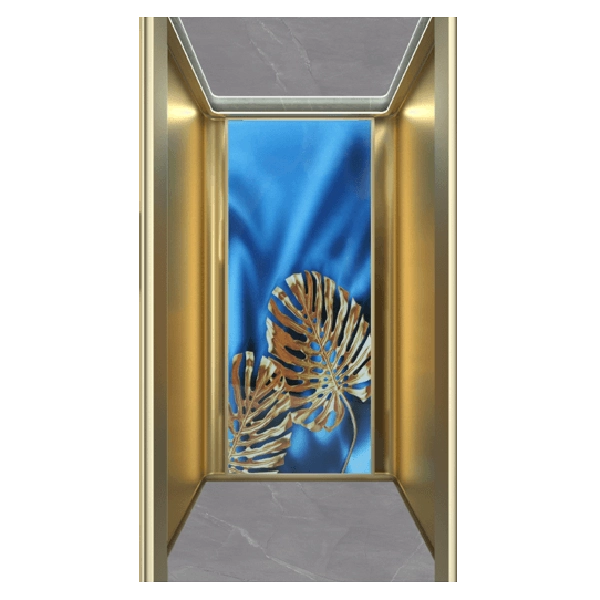
Minimalist design high-end and elegant villa home elevator Model-Q
The Model-Q is a home villa elevator in the Italian minimalist style. It features the most advanced elevator technology and has comprehensive safety protection measures. It is the most reliable guarantee for your passage in villa homes.
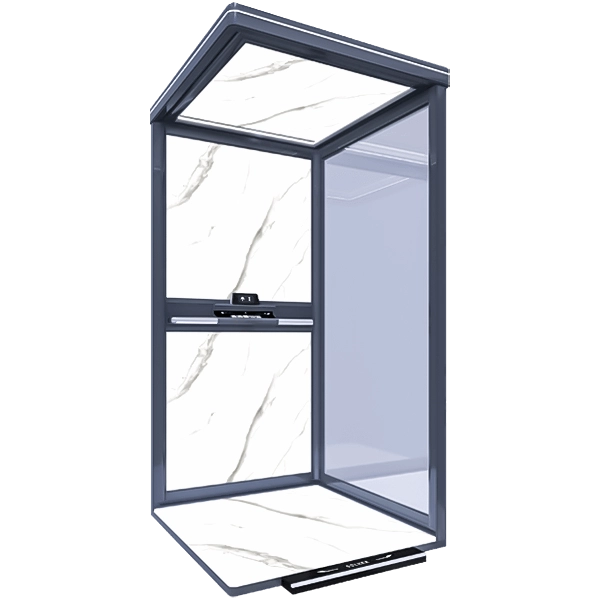
Minimalist design high-end and elegant villa home elevator Model-S
The Model-S is a home villa elevator in the Italian minimalist style. It features the most advanced elevator technology and has comprehensive safety protection measures. It is the most reliable guarantee for your passage in villa homes.
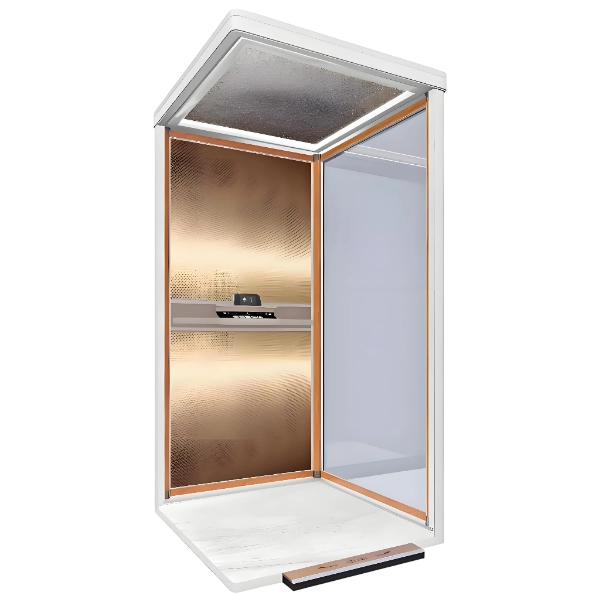
High-end and elegant villa home elevator Model-A
The Model A is a home villa elevator in the Italian minimalist style. It features the most advanced elevator technology and has comprehensive safety protection measures. It is the most reliable guarantee for your passage in villa homes.
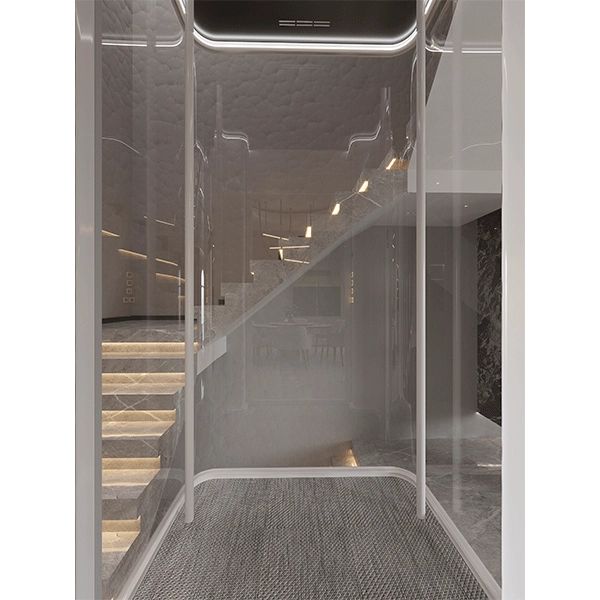
Simple and elegant villa home elevator Model-mini
The Model-Mini is a home villa elevator in the Italian minimalist style. It features the most advanced elevator technology and has comprehensive safety protection measures. It is the most reliable guarantee for your passage in villa homes
Let's get in touch
Email: lin@solkerelevator.com
Tel: +86 133 1668 7566
Address: Floor 1, Building D, Nanxin Industry International, Nancheng District, Dongguan, China.
 Taiwan, China
 No. 21, Lane 38, 206 Yingtai Road, Yingge District, New Taipei City
 +886 0975-299-830
 United Arab Emirates
Capital Mall, Abu Dhabi, United Arab Emirates, 3rd floor, Luxera elevator +971 52 541 4685 Ceo@maharacare.com
 Melbourne, Australia
 19/12 Natalia Av, Oakleigh South, VIC 3167
+61 1300 771 86 sales@goldenhomelifts.com.au
Sydney, Australia
U28/323 Chisholm Road, Auburn, NSW 2144
+61 1300 771 86 sales@goldenhomelifts.com.au
SOLKER
SOLKER