


Why Choose a Small Home Elevator for Modern Villas?
- Why Choose a Small Home Elevator for Modern Villas?
- Practical benefits: Accessibility and lifestyle improvement with a small home elevator
- Architectural integration: How a small home elevator preserves minimalist villa aesthetics
- Safety and standards: Why safety matters when choosing a small home elevator
- Technology and reliability: Modern systems behind a small home elevator
- Energy efficiency and operating costs of a small home elevator
- Design and luxury: The Minimalist design high-end and elegant villa home elevator Model-S
- Return on investment and property value considerations for villas
- Installation timeline, permits, and practical planning for a small home elevator
- Maintenance and lifecycle: Keeping a small home elevator reliable over time
- Comparison at a glance: Is a small home elevator right for your villa?
- FAQ — Small Home Elevator Questions (and Answers)
- How to proceed: Contact us to explore Model-S for your villa
- Brand strengths: Why choose this Model-S offering for modern villas
- Sources and further reading
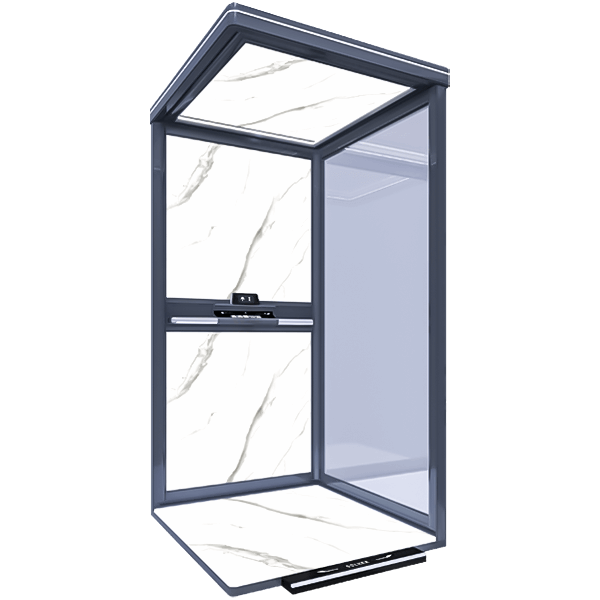
Why Choose a Small Home Elevator for Modern Villas?
The trend in contemporary villa architecture is clear: open plans, generous light, and a refined minimal aesthetic. Yet homeowners also want long-term usability, safety, and convenience. A small home elevator answers these needs by providing vertical mobility without sacrificing space or design integrity. This article explains why a small home elevator is an excellent investment for modern villas, how it compares to alternatives, and why the Minimalist design high-end and elegant villa home elevator Model-S is a compelling option for discerning owners. When considering a small home elevator for modern villas, one essential factor is the design. In our article on minimalist design, we explore how the Model-S elevator can elevate your villa’s interiors with sleek and sophisticated aesthetics, perfectly complementing modern living spaces.
Practical benefits: Accessibility and lifestyle improvement with a small home elevator
One of the strongest reasons to install a small home elevator in a villa is to future-proof the home for aging in place and changing mobility needs. A small home elevator provides effortless movement between floors for family members and guests, reduces the daily physical strain of stairs, and preserves privacy by enabling discreet access between levels. According to AARP, relatively modest home modifications increase independence and safety for older adults—features that a small home elevator delivers directly. For families planning long-term residence or re-sale value, the elevator is both a convenience and an accessibility enhancement that broadens the pool of potential buyers.
Architectural integration: How a small home elevator preserves minimalist villa aesthetics
Modern villas often prioritize clean lines and spatial continuity. A small home elevator can be integrated with minimal visual intrusion: shaftless or machine-room-less (MRL) options, glass surrounds, and slim car designs preserve sightlines and natural light. The Minimalist design high-end and elegant villa home elevator Model-S is inspired by Italian minimalist style; it pairs a compact footprint with high-grade finishes so homeowners don’t sacrifice form for function. Designers can place a small home elevator within an atrium, beside a staircase, or in a discreet core to maintain the villa’s architectural rhythm while adding vertical circulation that feels like a natural extension of the design.
Safety and standards: Why safety matters when choosing a small home elevator
Safety is paramount for villa owners evaluating a small home elevator. Residential elevators are governed by recognized standards (for example, ASME A18.1 in North America and EN 81-41 in Europe for certain home lifts). Compliance ensures features such as emergency lowering, automatic door sensors, overspeed governors, emergency lighting, and battery backup capabilities. The Minimalist design high-end and elegant villa home elevator Model-S incorporates advanced safety measures and redundant systems so riders are protected even during power interruptions. Buyers should confirm that any small home elevator they consider meets regional codes and comes with certified testing and documentation from the manufacturer or installing contractor.
Technology and reliability: Modern systems behind a small home elevator
Contemporary small home elevators use refined drive technologies—machine-room-less traction, gearless motors, and regenerative drives—that deliver quiet operation, precise stopping, and low maintenance. These technologies reduce vibration and noise, an important consideration for luxury villas where comfort is expected. The Model-S features up-to-date elevator technology and comprehensive safety protection measures, designed for reliable daily operation. Warranty terms, availability of local service technicians, and spare-part logistics are practical reliability factors villa owners should verify before purchase.
Energy efficiency and operating costs of a small home elevator
Energy efficiency is a practical concern for homeowners who want to minimize running costs. Small home elevators typically consume far less electricity than commercial passenger elevators due to shorter travel distances, lighter loads, and efficient drive systems. Below is a simplified comparison of typical costs and energy use to illustrate differences between common vertical transport options in villas.
| Feature | Small Home Elevator (e.g., Model-S) | Stairlift | Traditional Commercial Elevator |
|---|---|---|---|
| Typical purchase cost (USD) | $20,000–$60,000 (site & finish dependent) | $3,000–$15,000 | $50,000+ |
| Approx. annual energy use (estimated) | 200–600 kWh/year | 50–200 kWh/year | 2,000–6,000 kWh/year |
| Typical annual maintenance (USD) | $300–$800 | $150–$400 | $1,000–$3,000+ |
| Footprint impact | Small shaft or shaftless; compact | Minimal; stair-mounted | Large shaft & machine room (often) |
| Aesthetic quality | High — customizable finishes (Model-S: Italian minimalist) | Low — utilitarian | Variable — usually functional |
Notes: Cost ranges depend on options, site work, finishes, and local labor. Energy use estimates are illustrative—actual consumption varies by trips per day, travel height, and system efficiency. Sources: Angi (cost guidance), U.S. Energy Information Administration (residential electricity price references), elevator manufacturers and industry publications for energy characteristics. See sources list at the end for details.
Design and luxury: The Minimalist design high-end and elegant villa home elevator Model-S
The Minimalist design high-end and elegant villa home elevator Model-S is a home villa elevator in the Italian minimalist style. It features the most advanced elevator technology and has comprehensive safety protection measures. It is the most reliable guarantee for your passage in villa homes. What distinguishes Model-S in villa settings is its focus on a slim, elegant cabin; High Quality materials; and customization options that match high-end interiors. Typical Model-S features include glass panels for visual continuity, concealed guide rails for a clean look, LED ambient lighting, low-noise gearless motors, and an intuitive control interface that integrates with smart-home systems. For homeowners who care as much about the look as the function, Model-S bridges the gap between luxury furniture-level finishes and engineered performance.
Return on investment and property value considerations for villas
Adding a small home elevator can increase a villa’s marketability, particularly among buyers who value accessibility, luxury features, and long-term livability. While precise ROI varies by market and execution, real-estate professionals agree that accessibility features can be a differentiator in competitive markets. According to national renovation value studies, improvements that increase functionality and appeal to a broad buyer base tend to show strong perceived value. Villa owners should consult local real estate advisors for market-specific expectations; however, when the elevator is designed and finished to match the home’s quality—such as the Model-S’s high-end detailing—it is often perceived as a High Quality upgrade rather than a utilitarian add-on.
Installation timeline, permits, and practical planning for a small home elevator
Planning and installation for a small home elevator typically follow these steps: design and site survey, permit application, shaft or structural prep, delivery and installation, testing and commissioning, and final inspection. For many small home elevator installations, homeowners can expect a timeframe of several weeks to a few months from order to handover, depending on customization and site work. Permitting requirements vary by jurisdiction—confirm local building codes and elevator regulations early to avoid delays. The Model-S can be configured for shaftless installation in suitable layouts, reducing structural impact and often shortening installation time.
Maintenance and lifecycle: Keeping a small home elevator reliable over time
Regular maintenance is essential to ensure the safety and longevity of any elevator. Typical maintenance contracts include periodic inspections, lubrication, software updates (if applicable), safety device testing, and parts replacement as needed. Annual maintenance costs for small home elevators are generally lower than those for commercial units, but prompt service response and genuine spare parts are critical—especially in villas where uptime is important to everyday life. When evaluating suppliers, ask for recommended maintenance schedules, service coverage maps, and average response times in your region.
Comparison at a glance: Is a small home elevator right for your villa?
Deciding whether a small home elevator is right for a particular villa depends on the homeowner’s priorities: design integration, accessibility needs, budget, and long-term plans. If your priorities include preserving architectural elegance while adding convenient, safe vertical mobility that appeals to both residents and potential buyers, a well-chosen small home elevator—especially a product like the Model-S—can be an excellent match.
FAQ — Small Home Elevator Questions (and Answers)
Q: What is the typical footprint of a small home elevator?
A: Small home elevators can have a footprint as compact as 0.8 m x 0.8 m (about 2.6 ft x 2.6 ft) for certain shaftless or through-floor designs up to 1.2 m x 1.2 m (about 4 ft x 4 ft) for more comfortable cabins. Exact sizes depend on the model and code requirements for clearances and door openings. Ask the supplier for dimension options and required clearances.
Q: How much does a small home elevator cost to install?
A: Typical purchase and installation costs vary widely: expect a range from roughly $20,000 to $60,000 or more, depending on site work, finishes, travel height, and local labor. Less expensive options (like stairlifts) exist, but they do not provide the same architectural value or carrying capacity. Cost data referenced from industry cost guides—see sources.
Q: Are small home elevators safe during power outages?
A: Many modern small home elevators include battery backup or emergency lowering systems that allow the cab to reach a landing in the event of a power outage. Confirm emergency-power arrangements and test procedures with your installer. The Model-S is equipped with comprehensive safety protection measures designed for reliable operation, including safeguards for power interruptions.
Q: Do I need a machine room for a small home elevator?
A: Not necessarily. Many contemporary small home elevators use machine-room-less (MRL) designs or external compact drive units that eliminate the need for a separate machine room. This reduces the spatial impact and simplifies integration into modern villa layouts.
Q: How long does installation take?
A: Once permits are approved and site prep is complete, physical installation and commissioning commonly take several days to a few weeks. Full timelines depend on customization, site complexity, and permit lead times. Early coordination with your architect and installer accelerates the schedule.
Q: Will a small home elevator increase my home’s value?
A: While returns vary by market, elevators that are well integrated and finished to match the home’s quality typically add perceived value—especially in the luxury segment where convenience and accessibility are selling points. Consult local real estate professionals for market-specific insight.
How to proceed: Contact us to explore Model-S for your villa
For villa owners ready to evaluate a small home elevator, we recommend scheduling a site survey and design consultation. Our team will review layout options, finishes, safety features and provide a detailed quote tailored to your villa. To learn more or to view product specifications and finish options for the Minimalist design high-end and elegant villa home elevator Model-S, contact customer service or request a personalized brochure.
Brand strengths: Why choose this Model-S offering for modern villas
The Model-S combines design-led aesthetics with engineering rigor. Key brand advantages include: focused Italian minimalist design that complements villa interiors; advanced drive and safety systems tuned for residential use; compact installation options (MRL/shaftless) to preserve architectural space; customization of materials and lighting to match finishes; and support for local certification and maintenance. These strengths make Model-S particularly suitable for homeowners who demand both luxury and dependable daily operation.
Sources and further reading
- AARP — Home modification and aging in place guidance: https://www.aarp.org/livable-communities/info-2014/home-modifications.
- Angi — How much does a residential elevator cost? Cost guide and ranges: https://www.angi.com/articles/how-much-does-residential-elevator-cost.htm
- ASME — Standards and codes for elevators and lifts (A18.1 and related resources): https://www.asme.org/codes-standards
- U.S. Energy Information Administration (EIA) — Electricity basics and average residential electricity prices: https://www.eia.gov/tools/faqs/faq.php?id=97&t=3
- Elevator World — Industry news, technology trends, and elevator safety topics: https://www.elevatorworld.com/
- Remodeling (Cost vs. Value) — Analysis of renovation value trends: https://www.costvsvalue.com/
For tailored consultation, local code confirmation, or to schedule a Model-S demonstration, please contact customer service or request a product brochure via our website contact form. Our specialists can provide exact dimensions, certified compliance documentation, and a transparent quote for your villa project.
Tips for buy small villa elevation
Custom lifts for luxury house Manufacturers and Suppliers
Noise Reduction Tips for Smooth Home Elevator Operation
Top Safety Features to Look for in Home Elevators
Product
How long is the production date required?
Under normal circumstances, the production time is 35 to 45 days.
Can it be customized as required?
Yes.
How to install an elevator and what is the warranty?
We have overseas technicians who are at your service 24 hours a day, 365 days a year.
Customize
Can the elevator design be matched to my home's architecture?
Absolutely. Our designers tailor each cabin to complement your interior layout and style.
Can I choose specific materials or colors for the cabin?
Yes. We offer a wide range of premium materials and finishes — from stone to wood to glass.
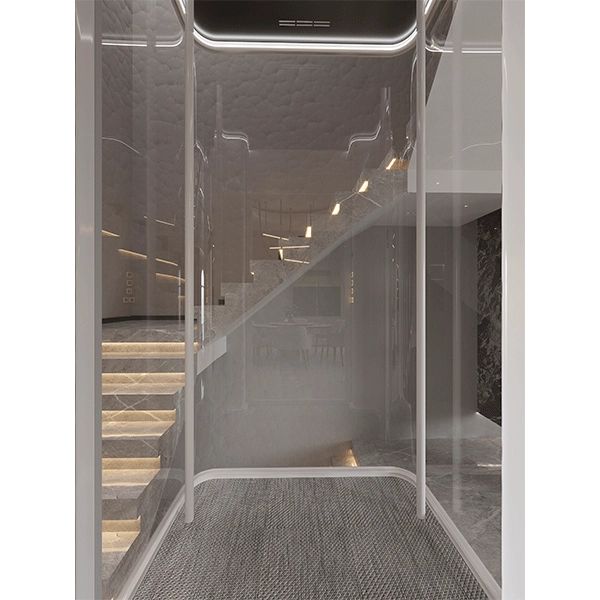
Simple and elegant villa home elevator Model-mini
The Model-Mini is a home villa elevator in the Italian minimalist style. It features the most advanced elevator technology and has comprehensive safety protection measures. It is the most reliable guarantee for your passage in villa homes
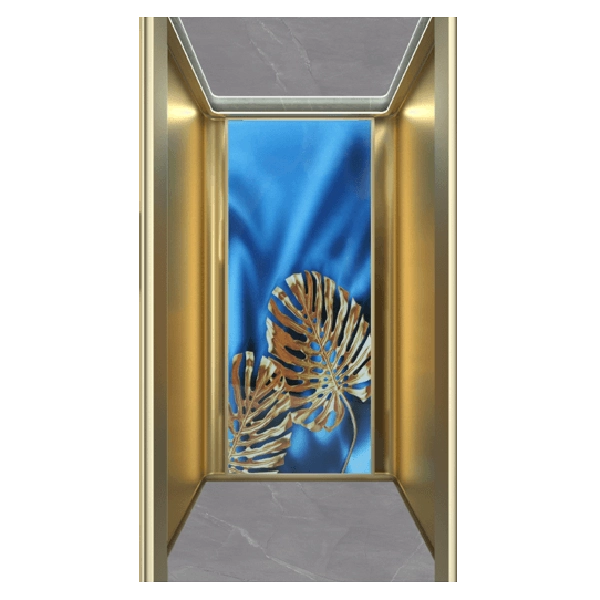
Minimalist design high-end and elegant villa home elevator Model-Q
The Model-Q is a home villa elevator in the Italian minimalist style. It features the most advanced elevator technology and has comprehensive safety protection measures. It is the most reliable guarantee for your passage in villa homes.
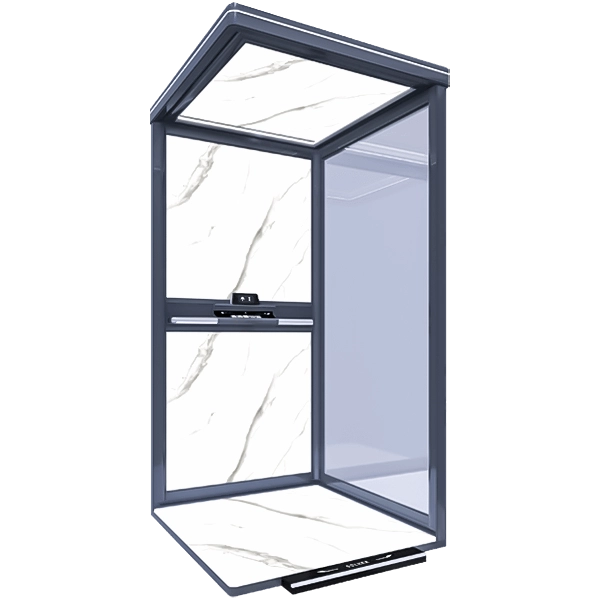
Minimalist design high-end and elegant villa home elevator Model-S
The Model-S is a home villa elevator in the Italian minimalist style. It features the most advanced elevator technology and has comprehensive safety protection measures. It is the most reliable guarantee for your passage in villa homes.
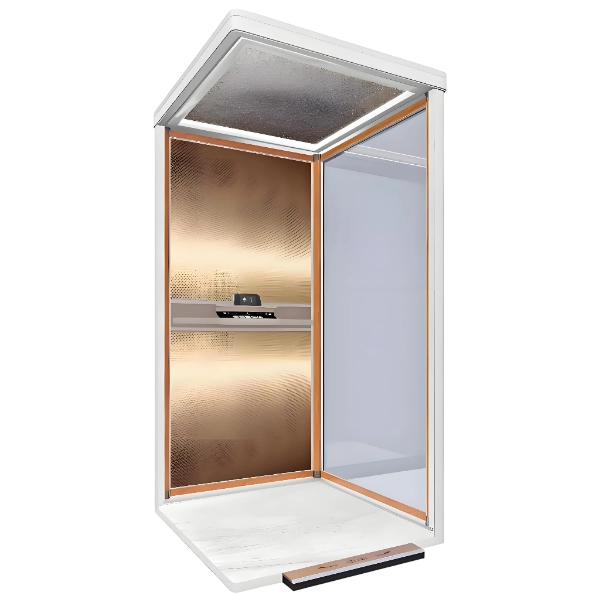
High-end and elegant villa home elevator Model-A
The Model A is a home villa elevator in the Italian minimalist style. It features the most advanced elevator technology and has comprehensive safety protection measures. It is the most reliable guarantee for your passage in villa homes.
Let's get in touch
Email: lin@solkerelevator.com
Tel: +86 133 1668 7566
Address: Floor 1, Building D, Nanxin Industry International, Nancheng District, Dongguan, China.
 Taiwan, China
 No. 21, Lane 38, 206 Yingtai Road, Yingge District, New Taipei City
 +886 0975-299-830
 United Arab Emirates
Capital Mall, Abu Dhabi, United Arab Emirates, 3rd floor, Luxera elevator +971 52 541 4685 Ceo@maharacare.com
 Melbourne, Australia
 19/12 Natalia Av, Oakleigh South, VIC 3167
+61 1300 771 86 sales@goldenhomelifts.com.au
Sydney, Australia
U28/323 Chisholm Road, Auburn, NSW 2144
+61 1300 771 86 sales@goldenhomelifts.com.au
SOLKER
SOLKER