


Top 10 safety features for outdoor home elevator Model-S
- Why outdoor home elevator safety matters for villas
- Risk factors unique to exterior residential lifts
- How safety improves usability and long-term value
- Model-S design philosophy for reliability
- Top 10 safety features built into the Model-S
- Core mechanical and electrical protections (Features 1–4)
- Environmental & access safety (Features 5–7)
- User safety, emergency systems & compliance (Features 8–10)
- Installation, maintenance and compliance for outdoor home elevator
- Relevant codes and international standards
- Professional site survey and installation
- Maintenance programs and remote monitoring
- How to choose and integrate the Model-S in your villa
- Assessing site, climate and access needs
- Customization, aesthetics and accessibility
- Costs, ROI and safety comparisons
- Frequently Asked Questions (FAQ)
- Is the Model-S suitable for coastal villas with salty air?
- What happens if the power goes out while someone is inside?
- Does Model-S require a pit or deep foundations?
- How often should an outdoor home elevator be serviced?
- Is Model-S compliant with local elevator safety codes?
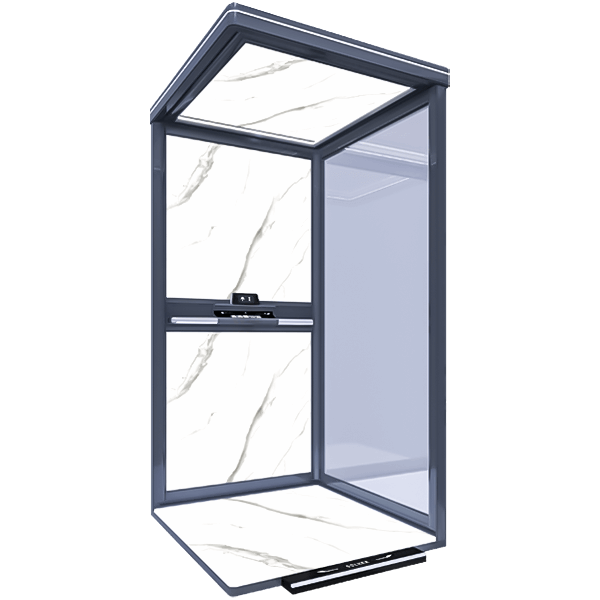
The Minimalist design high-end and elegant villa home elevator Model-S is designed specifically as an outdoor home elevator for villa environments — terraces, gardens, patios and exterior stair shafts. Combining Italian minimalist styling with advanced lift technology, Model-S delivers weatherproof construction, comprehensive safety protections and proven operational reliability that meets modern residential safety expectations for external lifts.
Why outdoor home elevator safety matters for villas
Risk factors unique to exterior residential lifts
Outdoor home elevators face environmental, access and usage conditions different from indoor elevators. Exposure to rain, wind, salt air (in coastal villas), temperature swings, UV and falling debris increases corrosion, electrical risk and mechanical wear. Additionally, residential outdoor lifts are often used by older adults, children and visitors unfamiliar with the system — raising the bar for fail-safe design and user-friendly controls.
How safety improves usability and long-term value
Safety features reduce downtime, lower lifecycle costs and protect occupants and property. For a villa, an outdoor home elevator that prevents water ingress, resists vandalism, prevents entrapment and has clear emergency interfaces preserves both comfort and resale value. Well-specified safety systems also simplify insurance and local approvals.
Model-S design philosophy for reliability
The Minimalist design high-end and elegant villa home elevator Model-S is a home villa elevator in the Italian minimalist style. It features the most advanced elevator technology and has comprehensive safety protection measures. It is the most reliable guarantee for your passage in villa homes. Model-S integrates mechanical robustness, environmental sealing and intuitive safety systems so that families, guests and service staff can use the outdoor home elevator with confidence.
Top 10 safety features built into the Model-S
Core mechanical and electrical protections (Features 1–4)
1. Dual-braked traction system: Model-S uses a redundant braking arrangement (primary service brake plus secondary safety brake) to arrest the car safely in case of primary brake failure. Redundant braking is a proven principle used across safety standards to prevent uncontrolled descent.
2. Overspeed governor and automatic safety gear: An independent governor monitors car speed and activates safety gear if speed limits are exceeded, physically locking the car to the rails.
3. Sealed drive and electrical enclosures: Drives and control cabinets are specified with IP-rated seals appropriate for exterior installation (e.g., IP54 or higher), protecting control electronics from moisture and dust.
4. Backup power and controlled descent: Battery-backed emergency lowering (or a generator-protected control) allows Model-S to be returned to the nearest floor safely during power failures, minimizing entrapment risk.
Environmental & access safety (Features 5–7)
5. Weatherproof cabin and shaft: Model-S cabin and exposed moving parts are manufactured from corrosion-resistant materials (stainless steel, powder coated aluminum, and marine-grade fixings) with drainage paths and anti-icing strategies where relevant. This reduces slips, component failure and electrical shorting when used outdoors.
6. Anti-slip floor and illuminated thresholds: Outdoor conditions mean wet or muddy shoes. Model-S uses textured, anti-slip flooring and motion-activated threshold lighting so users can safely step in and out, day or night.
7. Door interlocks and obstruction detection: External doors and platform gates on Model-S are equipped with mechanical interlocks plus electronic obstruction sensors. If a door senses an obstruction, movement is inhibited; retraction and re-routing logic further protects fingers and clothing.
User safety, emergency systems & compliance (Features 8–10)
8. Continuous cabin ventilation & temperature protections: For outdoor cabin use, thermal sensors prevent operation under dangerous temperature extremes and ventilation prevents heat or cold stress for passengers. In freezing zones, automatic de-icing routines protect sensors and moving parts.
9. Two-way emergency communication and GPS-aware diagnostics: Model-S integrates a hands-free emergency phone or VoIP link to 24/7 support plus remote diagnostics which report faults and environmental conditions to the service center. For remote villas, this reduces response times and helps first responders pinpoint the elevator location.
10. Child-safe controls & customizable access: Configurable user access (keyfob, PIN, or smartphone app) prevents unauthorized use by children or intruders. A 'caretaker mode' allows controlled operation for maintenance or guest access while maintaining safety interlocks.
Installation, maintenance and compliance for outdoor home elevator
Relevant codes and international standards
Complying with recognized standards is essential. Residential and outdoor elevator systems should follow applicable national or regional legislation and industry standards such as the EN 81 family for lift safety in Europe (see EN 81 on Wikipedia https://en.wikipedia.org/wiki/EN_81) and ASME A17.1 / CSA B44 standards in North America. General elevator information and safety practices are summarized well on public resources such as the Elevator article on Wikipedia https://en.wikipedia.org/wiki/Elevator, while industry associations like the Lift & Escalator Industry Association (LEIA) provide guidance for safe installation and maintenance https://www.leia.co.uk/. Manufacturer guidance from major lift companies (e.g., KONE, Otis) can illustrate practical design approaches for outdoor lifts https://www.kone.com/, https://www.otis.com/.
Professional site survey and installation
A proper site survey identifies local weather exposure, soil conditions for foundations, structural attachments for exterior rails or shaft, and electrical supply specifics. Model-S installation packages include a site checklist, foundation drawings and recommended sealing strategies for connections that pass through building envelopes. Using certified elevator installers ensures compliance with local codes and avoids warranty or insurance issues.
Maintenance programs and remote monitoring
Regular preventive maintenance is critical for outdoor installations. Model-S maintenance plans include seasonal inspections (pre-winter anti-icing, post-winter corrosion checks), lubrication schedules for guide rails and moving parts, and software updates for safety logic. Remote monitoring and fault reporting reduce mean time to repair: critical events like emergency brake engagement or water ingress are sent immediately to service teams through secure telemetry.
How to choose and integrate the Model-S in your villa
Assessing site, climate and access needs
Start with a short checklist: is the location coastal (salt exposure), alpine (freezing), shaded (moss risk) or sun-exposed (UV)? How many stops, weight capacity (standard 250–400 kg for residential vs higher for mobility needs), and who are typical users? Model-S configurations include options for enhanced corrosion protection for coastal properties, heated rails for snowy climates and extended canopy options for sun protection.
Customization, aesthetics and accessibility
Model-S prioritizes minimalist Italian styling and can be customized in finishes, glass or glazed walls, and control plate designs to match villa architecture. Accessibility options include wide doors, wheelchair-compliant cabin sizes and tactile controls for visually impaired users. Safety is built into these choices: wider doors reduce entrapment risk and tactile controls help users operate the outdoor home elevator with confidence.
Costs, ROI and safety comparisons
When evaluating an outdoor home elevator, safety features often drive lifecycle value. Below is a concise comparison between a typical generic outdoor residential lift and the Model-S (safety-focused specification):
| Feature | Typical Outdoor Residential Lift | Model-S (Minimalist high-end villa elevator) |
|---|---|---|
| Environmental rating (IP) | IP44 (some protection) | IP54–IP66 options (sealed drives, marine-grade materials) |
| Redundant brakes & overspeed | Basic single brake (varies) | Dual-brake + governor + safety gear |
| Emergency power & remote diagnostics | Optional, often add-on | Standard battery backup + remote diagnostics |
| Anti-slip and visibility features | Basic | Anti-slip flooring, threshold lighting, tactile controls |
| Standards & certification support | Vendor-dependent | Designed for EN/ASME compliance; documentation & test reports provided |
Investment in Model-S often pays back through reduced maintenance, fewer call-outs, higher safety ratings and enhanced property value due to its blend of design and long-term reliability.
Frequently Asked Questions (FAQ)
Is the Model-S suitable for coastal villas with salty air?
Yes. Model-S offers corrosion-resistant materials and higher IP-rated enclosures for coastal installations. Additional marine-grade fixings and protective coatings are available as options to extend service life in salt-exposed environments.
What happens if the power goes out while someone is inside?
Model-S includes battery-backed emergency lowering and an internal two-way communication system. In the event of a prolonged outage, remote diagnostics will alert service personnel and allow rescue or safe evacuation procedures to be initiated quickly.
Does Model-S require a pit or deep foundations?
Model-S has several installation modes: pit-less and shallow-pit options are available to minimize civil work in retrofits, while full-pit installations are supported where architectural plans allow. A site survey determines the optimal foundation approach.
How often should an outdoor home elevator be serviced?
Standard preventive maintenance for outdoor installations is recommended at least quarterly, with additional seasonal checks (pre-winter and post-winter) in climates with freezing conditions. Remote monitoring can reduce emergency visits by identifying faults early.
Is Model-S compliant with local elevator safety codes?
Model-S is designed to meet major regional standards and is supplied with documentation to assist in local compliance (EN and ASME guidance as applicable). Final compliance requires local authority inspection and certification after installation.
If you have more specific requirements — coastal protection, wheelchair access, custom finishes or a site survey — our team can provide a tailored specification and an estimate.
Contact us to learn more or to schedule a free site survey for the Minimalist design high-end and elegant villa home elevator Model-S: Contact our sales & support team or view the Model-S product page.
References and further reading:
Smart Home Integration for Luxury Villa Elevators Model-A
In-Home Elevator Cost Guide 2026: Prices, Installation, Savings
Custom residential home lift Manufacturers and Suppliers
Maintenance Contracts and Service SLAs for Model-Q Elevators
Customize
Can I choose specific materials or colors for the cabin?
Yes. We offer a wide range of premium materials and finishes — from stone to wood to glass.
Do I need architectural drawings to start customization?
Not required initially. We can start with basic dimensions or photos and assist with full planning.
How long does a custom order take to deliver?
On average, production takes 30–45 days after confirmation, depending on your configuration.
How does the customization process work?
Our design team will guide you through the steps: style selection, material choice, and 3D visualization before confirmation.
Is customization available for both indoor and outdoor elevators?
Yes. All custom options apply to indoor and weatherproof outdoor models.
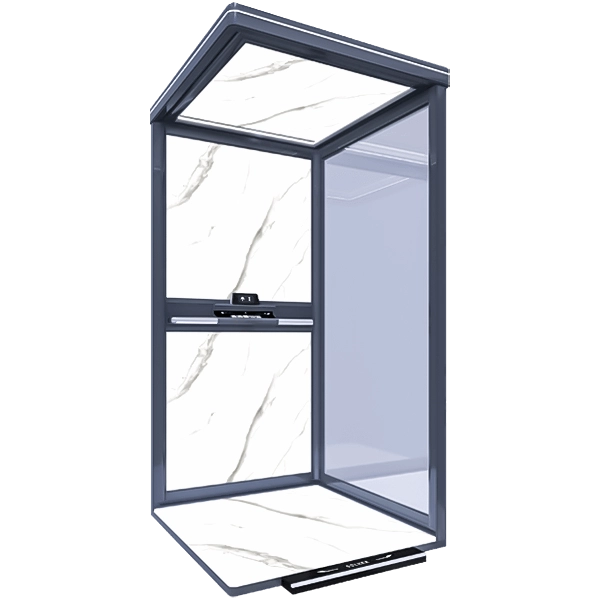
Minimalist design high-end and elegant villa home elevator Model-S
The Model-S is a home villa elevator in the Italian minimalist style. It features the most advanced elevator technology and has comprehensive safety protection measures. It is the most reliable guarantee for your passage in villa homes.
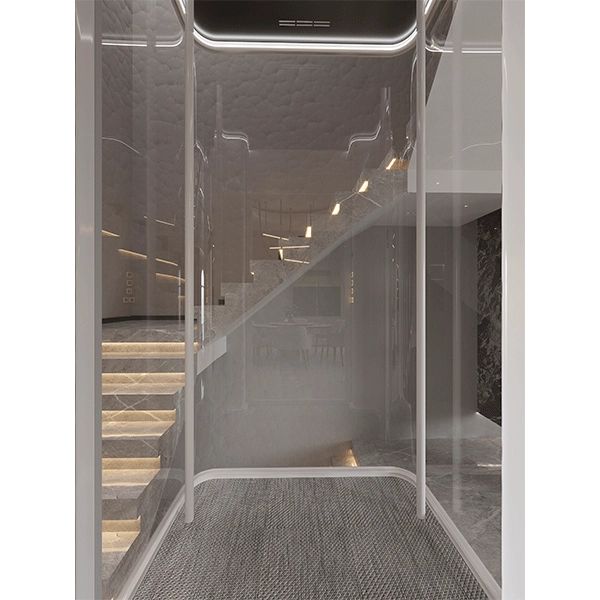
Simple and elegant villa home elevator Model-mini
The Model-Mini is a home villa elevator in the Italian minimalist style. It features the most advanced elevator technology and has comprehensive safety protection measures. It is the most reliable guarantee for your passage in villa homes
High-end and elegant villa home elevator Model-A
The Model A is a home villa elevator in the Italian minimalist style. It features the most advanced elevator technology and has comprehensive safety protection measures. It is the most reliable guarantee for your passage in villa homes.
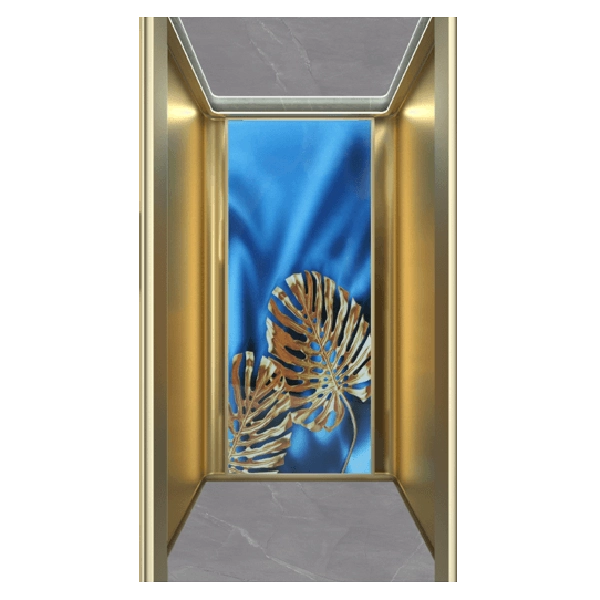
Minimalist design high-end and elegant villa home elevator Model-Q
The Model-Q is a home villa elevator in the Italian minimalist style. It features the most advanced elevator technology and has comprehensive safety protection measures. It is the most reliable guarantee for your passage in villa homes.
Let's get in touch
Email: lin@solkerelevator.com
Tel: +86 133 1668 7566
Address: Floor 1, Building D, Nanxin Industry International, Nancheng District, Dongguan, China.
 Taiwan, China
 No. 21, Lane 38, 206 Yingtai Road, Yingge District, New Taipei City
 +886 0975-299-830
 United Arab Emirates
Capital Mall, Abu Dhabi, United Arab Emirates, 3rd floor, Luxera elevator +971 52 541 4685 Ceo@maharacare.com
 Melbourne, Australia
 19/12 Natalia Av, Oakleigh South, VIC 3167
+61 1300 771 86 sales@goldenhomelifts.com.au
Sydney, Australia
U28/323 Chisholm Road, Auburn, NSW 2144
+61 1300 771 86 sales@goldenhomelifts.com.au
SOLKER
SOLKER