

Top Residential Elevator Brands Compared

2025-09-23
Comprehensive comparison of leading residential elevators to help homeowners choose the best villa elevator. Covers performance, cost, installation, customization, safety, and service.
Table of Contents

Compare the best residential elevator brands in 2026 by installation fit, customization, warranty clarity, turnkey support, modular shaft options, local service coverage and suitability for villas, retrofits and new-build homes.

This article compares leading residential elevator brands for villas and high-end homes. Instead of ranking companies by size alone, the comparison focuses on the factors that affect a real residential project: installation fit, drive-system approach, structural requirements, customization, warranty clarity, local service support and long-term parts availability.

There is no single best residential elevator brand for every property. A compact retrofit, a new-build villa, a luxury glass elevator and a project requiring broad local service coverage may lead to very different choices. The goal of this comparison is to help homeowners, architects and project buyers narrow the options according to actual building conditions and ownership priorities.

Last reviewed: July 2026. Product availability, specifications, warranties, dealer networks and installation services can vary by country and local market. Buyers should verify model-specific information and local support before making a final purchase decision.

Quick Comparison of the Best Residential Elevator Brands

The residential elevator market includes large global elevator groups, accessibility specialists, platform-lift manufacturers, through-floor lift brands and companies focused on customized villa projects. These companies should not be compared on brand recognition alone because their product approaches, installation responsibilities and ideal applications can be very different.

Brand Best For Typical System Approach Installation Fit Turnkey Support Modular Shaft / Shaftless Fit Warranty Checkpoint Service Consideration
Otis Buyers prioritizing an established global elevator company Compact traction and MRL-oriented solutions where available Planned hoistway and professionally coordinated residential projects Market and dealer dependent Usually depends on the local residential product range Confirm whether warranty service is handled by Otis, a branch or an authorized partner Verify residential product availability, local installer coverage and long-term maintenance responsibility
TK Elevator Engineering-led projects requiring market-specific solutions Product approach varies by country and residential application New builds and selected retrofit applications Market and project dependent Depends on local product offering and building design Ask for model-specific warranty terms and the party responsible for local service Check which residential products and service programs are available locally
KONE Modern projects where ride quality and building integration are priorities MRL traction-oriented elevator technology New-build villas and planned hoistway projects Usually coordinated through local branch or partner Depends on project structure and model availability Confirm coverage for parts, labor and technician travel Residential availability and service scope should be verified by market
Schindler Projects prioritizing established engineering and service infrastructure Low-rise and compact elevator solutions depending on market Professionally planned residential projects Local market dependent Usually requires model-specific confirmation Check exclusions, maintenance requirements and service responsibility Confirm local residential offering, installer network and spare-parts support
Cibes Design-focused homes and space-conscious residential projects Platform lift and compact shaft solutions Retrofits and projects where reducing structural work is important Often dealer or distributor coordinated Strong fit for compact shaft and platform-style installations Compare product warranty with local installation and labor coverage Check local dealer, installation and maintenance coverage
Savaria North American buyers looking for a broad residential accessibility range Multiple residential lift and elevator approaches Retrofits, accessibility projects and conventional residential installations Often dealer-dependent Selected products may suit retrofit or compact applications Compare dealer responsibility, maintenance coverage and warranty exclusions Evaluate local dealer quality, parts availability and maintenance support
Stiltz Existing homes where a conventional hoistway is difficult to add Through-floor, self-supporting systems Space-conscious retrofit projects Usually handled through local representatives or installers Strong fit for shaftless and through-floor applications Confirm product warranty, installation warranty and service coverage separately Evaluate local installer availability and suitability for the required travel path
SOLKER Villa projects prioritizing customization and architectural integration Residential elevator solutions configured for project requirements Custom villas, new builds and design-led residential projects Project-specific coordination should be confirmed in writing Depends on selected configuration and building conditions Confirm local installation responsibility, warranty terms and after-sales process Clarify technical coordination, commissioning and after-sales arrangements for the project location

This table is designed as a project-selection overview rather than a universal brand ranking. Exact specifications, prices, travel height, warranty periods and installation requirements depend on the individual model, country, dealer and building conditions. For that reason, site-specific quotations and written warranty terms are more useful than comparing one broad headline price from each company.

Why Residential Elevators Matter for Villas

Adding a residential elevator improves accessibility, enhances property value and complements luxury interior design. For villa owners, choosing the right residential elevator matters for daily comfort, long-term reliability and aesthetic integration into home architecture.

However, brand choice should come after the project requirements are clear. Travel height, number of stops, available floor area, structural conditions, local regulations and future maintenance access can eliminate otherwise attractive options. A product that works well in a new villa with a planned hoistway may not be the best choice for an existing home where floors and interior finishes are already complete.

How We Evaluated Residential Elevator Brands

We compared brands using purchase factors that directly affect private residential projects: product suitability for homes, installation flexibility, structural requirements, customization potential, warranty clarity, turnkey project support, modular shaft or shaftless installation options, local service availability and long-term parts support.

This is a buyer-oriented comparison rather than a ranking based only on company size or global elevator sales. A large international elevator company may be attractive when local service infrastructure is the priority, while a specialist residential brand may be more suitable when the project requires a compact retrofit, a modular shaft or extensive interior customization.

Because residential elevator product lines and dealer coverage vary between countries, buyers should verify five details before relying on a brand comparison: the exact model offered in the local market, who is responsible for installation, who provides warranty service, where replacement parts come from, and what happens when technical support is required after commissioning.

Residential Elevator Brands Compared

Otis: Established Global Manufacturer

Otis offers home elevators designed for reliability and smooth operation. Their residential units are often machine-room-less (MRL) or use compact drive systems. Otis tends to position its home elevators toward high-quality buyers seeking proven global service networks.

Best fit: Buyers who value an established elevator organization and want to investigate whether suitable residential products and service coverage are available in their local market.

Before choosing: Confirm that the quotation refers to a product intended for private residential use and clarify whether installation, warranty work and long-term maintenance are handled directly, through a local branch or through an authorized partner.

TK Elevator: Engineering-Led Solutions

TK Elevator, formerly known as thyssenkrupp Elevator, provides elevator and mobility solutions across multiple building applications. For residential projects, available solutions and product formats can differ by market, making local product availability an important part of the comparison.

Best fit: Professionally planned projects where engineering coordination, local technical support and compatibility with the building design are important.

Before choosing: Ask which residential or home-lift products are currently offered in the project country, what structural preparation they require, and whether installation and after-sales service are provided by the same organization.

KONE: Modern MRL Options

KONE supplies machine-room-less home elevator solutions focusing on smooth ride quality and integration with modern home automation. KONE's global service capability is an advantage for buyers in large markets.

Best fit: New villas and professionally designed residential projects where the elevator can be coordinated with the building structure from an early stage.

Before choosing: Residential product availability can vary by market, so buyers should verify whether the proposed system is intended for the scale and usage profile of a private home rather than assuming that every commercial product has a direct residential equivalent.

Schindler: International Engineering and Support

Schindler's residential offerings include compact elevators for low-rise buildings and homes. They emphasize durability, compliance with local codes and a wide service network for maintenance and parts.

Best fit: Buyers who place high importance on local engineering coordination, regulatory compliance and an established maintenance structure.

Before choosing: Check the exact residential product line available locally and compare the proposed elevator's structural requirements with more specialized residential or retrofit-oriented alternatives.

Cibes: Scandinavian Design and Compact Installation

Cibes, a Swedish brand, is known for space-efficient platform and MRL home elevators with clean Scandinavian aesthetics. They focus on private customization and are popular in Europe and Asia for villa installations.

Best fit: Homeowners looking for a design-led residential solution where space efficiency and reducing major structural work are important considerations.

Before choosing: Compare travel requirements, speed expectations, door arrangement, installation responsibility and local maintenance coverage with the needs of the property.

Savaria: Broad Residential and Accessibility Range

Savaria offers a broad range of home elevators and residential lifts with many installation options, including hydraulic and hoistway solutions. Savaria models are favored in the North American market for flexibility and value.

Best fit: Buyers comparing several residential accessibility approaches, particularly for retrofit or mobility-focused projects.

Before choosing: Because product types can differ significantly, compare like with like. A platform lift, shaftless lift and conventional residential elevator should not be evaluated only by initial price because their applications, travel capabilities and installation requirements are different.

Stiltz: Through-Floor, Space-Saving Design

Stiltz is known for its through-floor residential elevators featuring self-supporting drive systems that minimize structural alterations. Popular for retrofits, Stiltz products suit homes where building a full shaft is impractical.

Best fit: Existing houses where the owner wants to connect a limited number of floors without constructing a conventional elevator hoistway.

Before choosing: Confirm that the available floor positions, travel path, capacity and entrance arrangement match the house. The smallest structural footprint does not automatically mean every floor plan is suitable.

SOLKER: High-End Villa Elevator Specialist

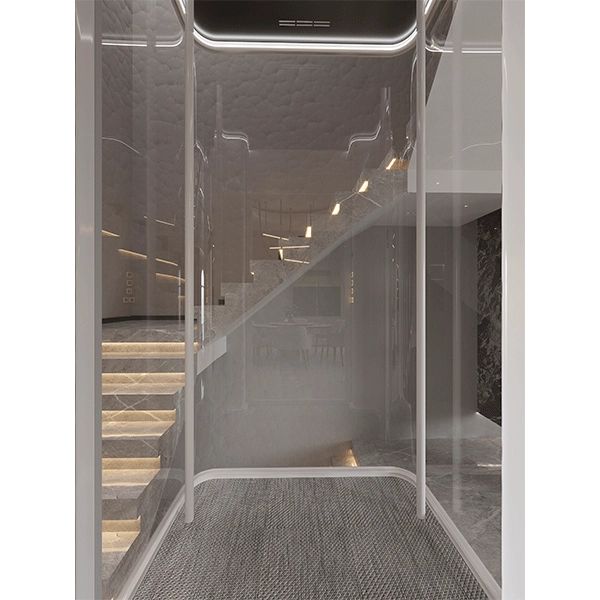
SOLKER focuses on home and villa elevator projects where design integration and project-specific customization are important. Available customization can include cabin materials, finishes, lighting, control details and configurations selected to coordinate with the architecture of the residence.

Best fit: Design-led villas and residential projects where the elevator is intended to become part of the interior architecture rather than being selected only as functional mobility equipment.

Before choosing: As with any international residential elevator project, buyers should define the installation scope, local site responsibility, commissioning process, warranty terms and after-sales support arrangements before finalizing the order.

How to Interpret Residential Elevator Comparisons

Drive type affects ride quality, footprint and maintenance. MRL traction is common for modern residential elevators because it reduces the need for a separate machine room. Hydraulic and screw drives can be more compact for certain retrofits. Through-floor systems like Stiltz are attractive for minimal construction projects.

The comparison should not stop at drive technology. Two elevators using similar drive principles can have different requirements for pit depth, overhead clearance, supporting structure, entrance configuration and local maintenance access. The right technical solution is the one that works with the actual building rather than the one that appears strongest in an isolated specification table.

Which Residential Elevator Brand Is Best for Your Project?

Match product strengths to your priorities: budget, minimal retrofit work, maximum customization or global service coverage. For minimal construction, consider Stiltz or shaftless MRL options. For high customization and luxury finishing, SOLKER, Otis or TK Elevator may be evaluated depending on the product range and support available in the project market.

Best for a Compact Retrofit

For an existing home, start with the building rather than the brand. Measure the available floor area, identify possible travel paths and determine whether a conventional hoistway can be built without excessive renovation. Through-floor systems and selected compact or modular shaft solutions may be easier to integrate where structural work needs to be limited.

Best for a New-Build Villa

A new build creates more freedom because the architect can plan the elevator position, hoistway, pit, overhead clearance, power supply and landing openings before interior work is completed. This allows the buyer to compare a wider range of conventional residential elevators, MRL systems and customized villa solutions.

Best for Luxury Customization

Luxury villa owners typically want finishes that match interiors. Brands and specialist manufacturers may offer customization options including cabin materials, lighting, door styles and control panels. Ask for material samples, finish specifications and project drawings or visualizations to ensure a cohesive look.

Best for Buyers Prioritizing Service Coverage

A recognizable brand name does not automatically guarantee identical service in every city or country. Buyers should identify the actual organization responsible for installation and maintenance at the property location. Ask where technicians are based, how spare parts are supplied, what response times are realistic and whether warranty labor is included.

Best for Turnkey Residential Elevator Projects

Turnkey support is useful when the buyer wants one party to coordinate equipment supply, site measurement, structural preparation, installation, commissioning and handover. However, the meaning of turnkey service differs between brands, dealers and countries. A written scope-of-work matrix is essential before choosing a company based on turnkey claims.

Best for Modular Shaft or Shaftless Applications

Modular shaft and shaftless systems can reduce some types of structural work in existing homes, but the actual requirements still depend on the model and building. Buyers should check foundation loads, fixing points, landing openings, door positions, pit depth, overhead clearance and electrical requirements before assuming a compact system will be simple to install.

For U.S. Buyers: Why Local Dealer and Service Coverage Matter

For buyers in the United States, the best residential elevator brand is often the one with the right local installation and service structure for the project location. A strong product specification is important, but local dealer quality, technician availability, parts supply and warranty labor coverage can have a major effect on long-term ownership.

Before comparing a U.S. dealer-supported brand with an international or custom villa elevator supplier, clarify who performs site measurement, who installs the equipment, who handles inspection support, who services the elevator after handover and who pays for technician travel during warranty service. This is especially important for villas outside major metropolitan service areas.

If design customization is the priority, an international or project-specific supplier may still be worth evaluating. If rapid local maintenance is the highest priority, buyers should give more weight to dealer network, spare-parts access and service response time. The best decision depends on the balance between design goals, installation complexity and long-term support.

Compare Cost, Warranty, Service and Turnkey Installation

Cost Considerations for Residential Elevators

Installed cost depends on model, travel height, finishes, local labor and construction work. The final project budget can also include structural preparation, electrical work, permits, delivery access, installation, testing and interior finishing. Always request site-specific quotes.

When comparing quotations, use the same scope. A lower equipment price is not necessarily the lower project cost if another quotation includes a modular shaft, installation, commissioning or more extensive after-sales support. Ask suppliers to separate equipment, freight, structural work, electrical preparation, installation and ongoing service so that the comparison is meaningful.

How to Compare Home Elevator Warranties

A warranty should be compared by coverage, not only by the number of years printed in a brochure. Ask whether the warranty covers parts, labor and technician travel; whether major drive components have different coverage periods; whether maintenance by a specific provider is required to keep the warranty valid; and which exclusions apply to wear items, misuse or environmental damage.

For international projects, also confirm who accepts the warranty claim locally. A manufacturer warranty has limited practical value when the buyer does not know whether the installer, distributor or factory is responsible for diagnosis, replacement parts and labor.

Which Brands Provide Turnkey Residential Elevator Installation?

The meaning of turnkey installation varies between suppliers and countries. In some projects, one company coordinates equipment supply, shaft work, electrical preparation, installation and commissioning. In others, the elevator supplier provides equipment and technical drawings while the homeowner or contractor manages structural and electrical work separately.

Before selecting a turnkey residential elevator company, ask for a written scope-of-work matrix. It should clearly identify responsibility for site measurement, structural opening, pit construction, shaft or modular tower, waterproofing where required, electrical work, equipment delivery, installation, testing, inspection support and final handover.

How to Evaluate Local Service and Spare Parts Support

Regular maintenance protects ride quality and extends equipment life. Global brands generally offer established maintenance networks, while regional or specialist brands may provide more personalized service. Ask about preventive maintenance plans, average response times and spare parts availability.

Go one step further and ask where commonly replaced parts are stocked, whether remote technical diagnosis is available, who performs emergency service and whether an independent qualified elevator company can service the equipment when necessary. These questions are especially important for villas located far from a major metropolitan service center.

Which Brands Offer Modular Shaft Options?

Shafted elevators require a hoistway and may require a pit, while shaftless, through-floor and modular shaft systems can reduce certain types of structural work. For retrofit projects, compact systems or modular hoistway solutions may reduce renovation time. New builds can take advantage of fully integrated hoistways for maximal design flexibility.

The term modular shaft should also be checked carefully. Some systems use a complete prefabricated structural tower, while others still require project-specific building interfaces, landing preparation or exterior weather protection. Ask for foundation loads, fixing requirements, pit and overhead dimensions, enclosure details and site responsibilities before assuming a modular system will be construction-free.

How to Evaluate the Reliability of a Home Elevator Manufacturer

Reliability is difficult to judge from marketing claims alone. A useful assessment looks at the complete system behind the elevator: engineering documentation, manufacturing consistency, installation competence, commissioning procedures, service organization and parts support.

Before choosing a home elevator manufacturer, request evidence relevant to the project rather than a general corporate presentation. Similar installed-project references, model-specific technical documents, certification applicable to the destination market and a clear installation plan are more useful than broad claims about quality.

Check Technical Documentation and Project Compatibility

Ask for drawings showing travel height, pit requirements, overhead clearance, shaft dimensions, door openings, electrical load and structural interfaces. Reliable suppliers should be able to explain how the proposed configuration fits the actual property rather than sending the same generic specification to every buyer.

Verify Installation Responsibility

The quality of the installation can be as important as the equipment itself. Clarify whether installation is completed by the manufacturer, a distributor, an authorized installer or a local contractor working under remote technical guidance. The responsibility for commissioning and final acceptance should also be clear.

Review Similar Project References

Ask for completed projects that resemble the property in building type, travel height and elevator configuration. A manufacturer experienced with two-stop accessibility lifts is not automatically the best choice for a multi-story luxury villa, and experience with large commercial elevators does not always answer the specific challenges of compact private homes.

Evaluate After-Sales Support Before Purchase

Ask what happens after the elevator is commissioned. Who receives the first service call? How are spare parts ordered? What diagnostic information can be accessed remotely? Are technical manuals available to authorized service teams? Clear answers to these questions are strong indicators of whether long-term ownership has been considered.

Safety, Codes and Compliance

Residential elevators must meet applicable local safety codes and standards, such as relevant EN 81 requirements in European markets or ASME A17.1/CSA B44 requirements in North American jurisdictions where applicable. Important safety features can include emergency lowering, battery backup, door interlocks and overload protection. Verify that the proposed equipment and installer meet requirements applicable to the project location.

Safety comparisons should be model-specific. Avoid assuming that every product sold under one brand has identical certification, door protection, emergency systems or accessibility features. Request the compliance documents for the exact model and configuration being quoted.

Checklist Before You Buy a Residential Elevator

Product and Building Fit

Measure travel height, doorway sizes and structural limitations. Confirm the number of stops, entrance direction, required capacity, available pit depth and overhead space. For retrofit projects, compare conventional hoistway construction with modular, shaftless and through-floor approaches before choosing a specific product.

Installation and Project Scope

Confirm local code requirements and permits. Collect multiple quotes including equipment, delivery, installation, electrical work and any masonry or carpentry. Clarify responsibility for site measurement, structural preparation, commissioning and inspection support.

Commercial Terms

Review payment milestones, production lead time, delivery terms and what happens if site conditions change. Compare written warranty coverage rather than relying on general statements such as “full warranty” or “complete service.”

After-Sales Support

Review warranty and maintenance packages. Ask for references of installed projects similar to your villa. Confirm the location of the service team, expected response process, spare-parts availability and which organization is responsible for technical support after handover.

Other Buying Considerations

Typical Timeline From Decision to Operation

Lead times vary by model and customization. Modular options may reduce some stages of on-site construction, while bespoke shafted solutions can require longer design, permitting and construction coordination. Early planning minimizes delays.

For accurate scheduling, separate the equipment manufacturing period from the complete project timeline. Site design, approvals, structural work, shipping, installation and inspection may occur at different stages and may be controlled by different parties.

Energy Use and Sustainability

Modern residential elevators may use efficient MRL traction systems and variable frequency drives to reduce energy use. Regenerative drives are available on some elevator systems. Consider energy efficiency and standby power consumption as part of your selection criteria.

For low-frequency residential use, standby consumption and auxiliary equipment can be as relevant as energy consumed during travel. Ask for model-specific power requirements rather than relying on general statements about one drive technology being universally more efficient.

Financing and Resale Considerations

Installing a residential elevator can improve accessibility and may increase the marketability of a luxury villa, although the effect on resale value depends on the property, location, installation quality and buyer market. Financing options also vary by manufacturer, dealer and country.

Long-term ownership costs should be included in the budget. Planned maintenance, inspections where required, service travel and eventual replacement of wear parts can affect total cost of ownership even when the initial equipment price is attractive.

Conclusion

Choosing the right residential elevator involves balancing performance, aesthetics, budget, building conditions and service. Use the comparison above as a starting point, request site-specific quotes, and prioritize compliance with local codes and long-term support.

The best brand is ultimately the one whose product, installation method and service structure fit the actual project. A retrofit may favor a compact or through-floor approach, while a new luxury villa may justify a more integrated and customized elevator solution. For design-led villa projects where architectural integration and private customization are priorities, buyers can also evaluate custom villa elevator solutions alongside the other residential elevator approaches compared in this guide.

FAQ

How much do residential elevators cost?

Typical installed costs range from approximately $20,000 to $80,000 USD, depending on model, travel height, finishes and site work. High-end custom villas may incur higher costs.

What is the fastest way to install a residential elevator in an existing villa?

Shaftless MRL or through-floor systems minimize structural work and are often the fastest retrofit options. Brands like Stiltz and some MRL models from Cibes, Savaria or SOLKER are designed for retrofit friendly installation.

Are residential elevators safe for families with children?

Yes, modern residential elevators include safety features such as door interlocks, emergency lowering, child-proof controls and overload sensors. Ensure your chosen model meets local safety codes and has child-safe features if needed.

How do I choose between hydraulic and traction residential elevators?

Traction (especially MRL traction) is efficient, compact and common in modern homes. Hydraulic or screw drives may be useful when specific retrofit constraints exist. Speak with installers to determine the best drive type for your structural conditions.

How often does a residential elevator need maintenance?

Typical preventive maintenance intervals are every 3-6 months depending on use. Annual comprehensive inspections are recommended. Brands and service plans vary, so review manufacturer maintenance recommendations.

Where can I get more information or a site assessment?

Contact authorized dealers or manufacturers for on-site assessments and quotes. For SOLKER residential elevators, visit https://www.solkerelevator.com/ to view models and request a consultation.

Tags
villa elevator for home
home elevator
home elevator
outdoor residential elevator​
lift residential​
lift residential​
elevator for the home
modern design home lift
Recommended for you
villa-lift-price-3 - SOLKER
Top 10 outdoor home elevator features for luxury villas
Aging in Place: In-Home Elevators 2026 Mobility Solutions
未标题-1 - SOLKER
Maintenance Checklist for High-end Villa Home Elevator Model-A
Permits and Code Requirements for Installing Home Elevators
You may also like
High-end and elegant villa home elevator Model-A - SOLKER
High-end and elegant villa home elevator Model-A

The Model A is a home villa elevator in the Italian minimalist style. It features the most advanced elevator technology and has comprehensive safety protection measures. It is the most reliable guarantee for your passage in villa homes.

High-end and elegant villa home elevator Model-A
mini正面 - SOLKER
Simple and elegant villa home elevator Model-mini

The Model-Mini is a home villa elevator in the Italian minimalist style. It features the most advanced elevator technology and has comprehensive safety protection measures. It is the most reliable guarantee for your passage in villa homes
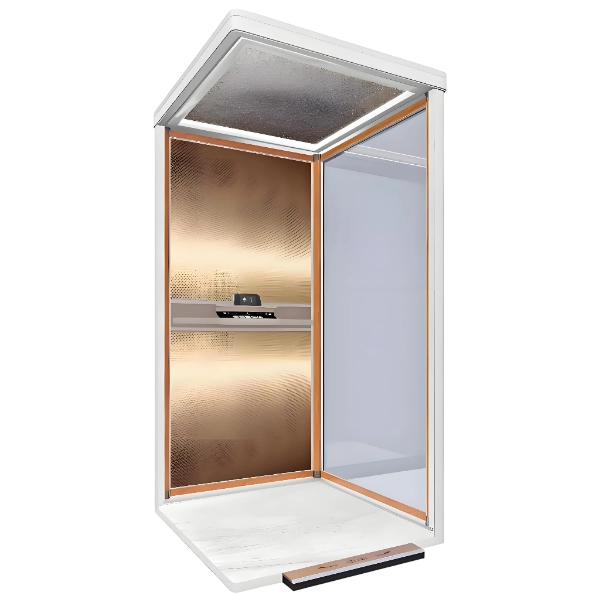
Simple and elegant villa home elevator Model-mini
villa-lift-price-3 - SOLKER
Minimalist design high-end and elegant villa home elevator Model-S

The Model-S is a home villa elevator in the Italian minimalist style. It features the most advanced elevator technology and has comprehensive safety protection measures. It is the most reliable guarantee for your passage in villa homes.

Minimalist design high-end and elegant villa home elevator Model-S
villa-residential-lift-elevator - SOLKER
Minimalist design high-end and elegant villa home elevator Model-Q

The Model-Q is a home villa elevator in the Italian minimalist style. It features the most advanced elevator technology and has comprehensive safety protection measures. It is the most reliable guarantee for your passage in villa homes.

Minimalist design high-end and elegant villa home elevator Model-Q
Get in touch with us
If you have any comments or good suggestions, please leave us a message, later our professional staff will contact you as soon as possible.
Name must not exceed 100 characters.
Invalid email format or length exceeds 100 characters. Please re-enter.
Please enter a valid phone number!
Company Name must not exceed 150 characters.
Content must not exceed 3000 characters.
Contact customer service

Customize Your Elevator

Hi,

  • Tailor your elevator's size, materials, and finishes to perfectly match your villa.

×
Name must not exceed 100 characters.
Invalid email format or length exceeds 100 characters. Please re-enter.
Please enter a valid phone number!
Company Name must not exceed 150 characters.
Content must not exceed 3000 characters.

Get a Free Quote

Hi,

  • Share your layout and preferences — we'll provide a tailored solution with pricing.

×
Name must not exceed 100 characters.
Invalid email format or length exceeds 100 characters. Please re-enter.
Please enter a valid phone number!
Company Name must not exceed 150 characters.
Content must not exceed 3000 characters.

Request More Information

Hi,

  • If you are interested in our products/custom services or have any questions, please let us know so that we can better assist you.

×
Name must not exceed 100 characters.
Invalid email format or length exceeds 100 characters. Please re-enter.
Please enter a valid phone number!
Company Name must not exceed 150 characters.
Content must not exceed 3000 characters.

Have a specific project?

😎Hi,

  • If you are interested in our products/custom services or have any questions, please let us know so that we can better assist you.

×
Name must not exceed 100 characters.
Invalid email format or length exceeds 100 characters. Please re-enter.
Please enter a valid phone number!
Company Name must not exceed 150 characters.
Content must not exceed 3000 characters.