


Customizing Your High-end and Elegant Villa Home Elevator Model-A
- Design and Aesthetics: Shaping the Look of Your Luxury Elevator
- Italian Minimalist Style and Materials
- Lighting, Glass and Panoramic Options
- Control Panels, Handrails and Interface Design
- Technical Customization: Performance, Safety and Compliance
- Drive System, Noise and Ride Quality
- Safety Standards and Certifications
- Redundant Safety Systems and Emergency Features
- Installation, Integration and Operational Considerations
- Shaft Options: Pit, Headroom and Machine Room Requirements
- Home Integration: HVAC, Sound Isolation and Lighting
- Smart Controls, Remote Monitoring and Accessibility
- Cost, ROI and Long-term Ownership
- Customization Cost Factors
- Comparative Table: Model-A vs Typical Home Elevator Alternatives
- Maintenance, Warranties and Lifecycle Costs
- Practical Steps to Customize Model-A for Your Villa
- 1. Site Survey and Architectural Coordination
- 2. Material Selection and Mockups
- 3. Code Review and Permitting
- Real-World Examples and Case Uses
- Case Study: Coastal Villa with Panoramic Shaft
- Case Study: Multi-level Family Residence Focusing on Accessibility
- FAQ — Frequently Asked Questions
- Q: What distinguishes the Model-A from other luxury elevators?
- Q: Is Model-A compliant with international safety standards?
- Q: How long does installation take and what disruptions can we expect?
- Q: Can the elevator be integrated with my smart home system?
- Q: What maintenance does Model-A require?
- Q: Are panoramic and glass options safe for families with children?
- Next Steps and Contact

The High-end and elegant villa home elevator Model-A brings Italian minimalist design to villa residences while integrating advanced safety, energy efficiency and smart control systems. This luxury elevator combines High Quality materials, low-noise drive technologies and comprehensive protection measures to ensure reliable, comfortable vertical transport in upscale homes. Below you'll find detailed guidance on customizing Model-A to meet architectural intent, accessibility needs and long-term serviceability, supported by relevant industry standards and practical comparisons for decision-making.
Product introduction:
The Model A is a home villa elevator in the Italian minimalist style. It features the most advanced elevator technology and has comprehensive safety protection measures. It is the most reliable guarantee for your passage in villa homes.
Design and Aesthetics: Shaping the Look of Your Luxury Elevator
Italian Minimalist Style and Materials
Model-A emphasizes clean lines, restrained ornamentation, and High Quality finishes suitable for a luxury elevator within a villa context. Typical cabin materials include tempered glass (clear, frosted or tinted), brushed stainless steel, natural stone insets and sustainably sourced hardwood veneers. These choices help maintain an elegant, cohesive interior while allowing customization to match flooring, staircases and lighting schemes.
Lighting, Glass and Panoramic Options
Lighting and visibility are central to an upscale user experience. Choose between soft LED perimeter lighting, adjustable mood scenes, or downlighting with color temperature control to create ambiance. Panoramic glass cabins or partial glass walls are popular in villas—Model-A supports frameless panoramic panels for unobstructed views, with laminated safety glass to meet impact and fire-safety requirements.
Control Panels, Handrails and Interface Design
Control panels can be finished to match the cabin interior—polished metal, matte aluminum or back-painted glass. Tactile buttons, illuminated capacitive panels and Braille markings support accessibility while preserving a High Quality feel. Hidden handrails integrated into wall niches maintain the minimalist aesthetic without sacrificing functionality.
Technical Customization: Performance, Safety and Compliance
Drive System, Noise and Ride Quality
Model-A can be configured with a gearless traction or permanent magnet synchronous motor (PMSM) drive for smooth, quiet operation and high energy efficiency—key qualities for a luxury elevator in a residential setting. Advanced variable-frequency drives, vibration damping and precision guide rails reduce jerk and sound transmission to adjoining rooms.
Safety Standards and Certifications
Safety and compliance are non-negotiable. Model-A is designed to meet international standards such as EN 81 (European elevator safety rules) and ASME A17.1 (North American safety code), and to follow energy-performance guidance like ISO 25745 where applicable. For reference see EN 81 details at EN 81 (Wikipedia), ASME A17.1 at ASME A17.1 (Wikipedia) and ISO standards information at ISO (energy performance).
Redundant Safety Systems and Emergency Features
Model-A includes multi-redundant brakes, overspeed governors, safety gear, emergency lighting, two-way emergency communication and battery-backed lowering systems. Optional features such as seismic sensors, fire recall control and remote diagnostic telemetry increase reliability and rapid response capability in emergencies.
Installation, Integration and Operational Considerations
Shaft Options: Pit, Headroom and Machine Room Requirements
Model-A is optimized for villa architecture and supports multiple installation types: machine-room-less (MRL) for minimal footprint, traction with a small machine room for higher travel, or shaftless piston options for short runs. Standard pit depth and headroom can be adapted—our technical team will evaluate structural constraints and local codes during site survey to determine the best option.
Home Integration: HVAC, Sound Isolation and Lighting
Consider integration with the home’s HVAC for cabin climate control, and sound isolation strategies to prevent noise transfer into adjacent rooms. Door swing coordination with architectural doors and recessed frames ensures a seamless transition between elevator and living spaces.
Smart Controls, Remote Monitoring and Accessibility
Model-A supports smart home integration with open protocols (BACnet, Modbus) and can integrate with home automation systems for call assignment, presence-based recall, destination dispatch and remote diagnostics. Accessibility options include lowered control panels, visual annunciators, voice prompts and wheelchair-compliant cabin sizes.
Cost, ROI and Long-term Ownership
Customization Cost Factors
Customization affects price primarily via cabin finishes, drive system selection, shaft modifications and added safety/automation features. For budgeting, finishes and glass/panoramic options typically contribute 20–40% of customization cost, advanced drives and smart systems 15–25%, and structural/installation complexities 10–30% depending on site conditions.
Comparative Table: Model-A vs Typical Home Elevator Alternatives
| Feature | Model-A (Italian Minimalist) | Standard Home Elevator | Hydraulic Home Lift |
|---|---|---|---|
| Design Aesthetics | High-end finishes, panoramic glass options | Functional, limited finishes | Boxy cabin, fewer finish options |
| Ride Quality | Smooth, low-noise gearless/PMSM | Good, moderate noise | Smoother at low speeds, noisier pump |
| Energy Efficiency | High (regenerative options) | Moderate | Lower (hydraulic oil inefficiency) |
| Space Requirements | MRL options, compact shaft | Variable | Requires pit and machine area |
| Installation Time | 4–8 weeks (site dependent) | 3–6 weeks | 4–10 weeks |
Maintenance, Warranties and Lifecycle Costs
Routine preventive maintenance every 6–12 months preserves ride quality and safety. Model-A includes options for extended warranties, remote diagnostics and predictive maintenance packages which reduce downtime and expensive emergency repairs. Over a 10-year horizon, selecting energy-efficient drives and a robust maintenance contract often yields lower total cost of ownership compared with cheaper initial alternatives.
Practical Steps to Customize Model-A for Your Villa
1. Site Survey and Architectural Coordination
Begin with a professional site survey to capture shaft dimensions, structural constraints, electrical supply and aesthetic priorities. Coordination with architects and interior designers ensures the elevator complements stairways, corridors and visible openings.
2. Material Selection and Mockups
Choose cabin finishes, glass types and control layouts from curated samples. Physical mockups or 3D renderings are recommended so clients can experience scale, sightlines and lighting prior to manufacture.
3. Code Review and Permitting
Our project engineers will prepare documentation demonstrating compliance with local building codes and applicable standards (EN 81 or ASME A17.1). Early engagement with permitting authorities reduces approval delays and ensures safety requirements are met.
Real-World Examples and Case Uses
Case Study: Coastal Villa with Panoramic Shaft
A Model-A installation for a coastal villa used tinted panoramic glass with marine-grade stainless finishes and anti-corrosion coatings. Remote monitoring allowed the property manager to schedule preventative maintenance ahead of storm seasons, improving reliability and guest experience.
Case Study: Multi-level Family Residence Focusing on Accessibility
For a multi-generation family home, the Model-A was configured with a larger cabin footprint, lowered control panel, audible cues and smooth soft-start drive to assist users with mobility challenges while maintaining luxury finishes that integrate with the home's Italian aesthetic.
FAQ — Frequently Asked Questions
Q: What distinguishes the Model-A from other luxury elevators?
A: Model-A combines Italian minimalist styling with high-end materials, advanced low-noise drives (gearless/PMSM), panoramic glass options and comprehensive safety systems. It is specifically tailored for villa environments where aesthetics, quiet operation and integration with home automation are priorities.
Q: Is Model-A compliant with international safety standards?
A: Yes. Model-A is designed to meet major international standards including EN 81 and ASME A17.1. We also adopt energy-efficiency guidelines such as ISO 25745 where relevant. Project-specific compliance documentation is provided during the permitting process. See standards references: EN 81, ASME A17.1, ISO energy.
Q: How long does installation take and what disruptions can we expect?
A: Typical installation for Model-A ranges from 4 to 8 weeks depending on shaft prep, finish complexity and site access. Our installation process minimizes disruption—most structural work is completed quickly and protective measures are used to safeguard interiors during construction.
Q: Can the elevator be integrated with my smart home system?
A: Yes. Model-A supports integration via common protocols and can be configured for remote monitoring, destination dispatch, voice activation and presence-based recall. Integration specifics depend on your home automation platform; our engineers will coordinate with your integrator.
Q: What maintenance does Model-A require?
A: Regular maintenance visits (every 6–12 months) are recommended: safety checks, controller diagnostics, lubrication where needed and brake inspection. We offer preventive and predictive maintenance contracts, and remote diagnostic capabilities to reduce emergency callouts.
Q: Are panoramic and glass options safe for families with children?
A: Yes. Panoramic glass panels in Model-A use laminated, tempered safety glass that meets impact and fire-safety regulations. Child-safe door sensors, slow-close doors and redundant safety interlocks are standard or optional to enhance protection.
Next Steps and Contact
If you are ready to customize the High-end and elegant villa home elevator Model-A for your property, our design and engineering team will guide you through site survey, material selection and compliance documentation. For a consultation, customized quote or to view a showroom model, please contact our sales team or visit our product page.
Contact Sales / View Product: Request a consultation or view Model-A details — or email sales@example.com.
Best finishes and colors for an elegant outdoor home elevator
Top 10 safety features for outdoor home elevator Model-S
Comparing Drive Systems: Smooth Ride for Small Home Elevators
Smart Home Integration: Control Your In-Home Elevator
Product
How to install an elevator and what is the warranty?
We have overseas technicians who are at your service 24 hours a day, 365 days a year.
How long is the production date required?
Under normal circumstances, the production time is 35 to 45 days.
Can it be customized as required?
Yes.
Customize
Is customization available for both indoor and outdoor elevators?
Yes. All custom options apply to indoor and weatherproof outdoor models.
Can the elevator design be matched to my home's architecture?
Absolutely. Our designers tailor each cabin to complement your interior layout and style.
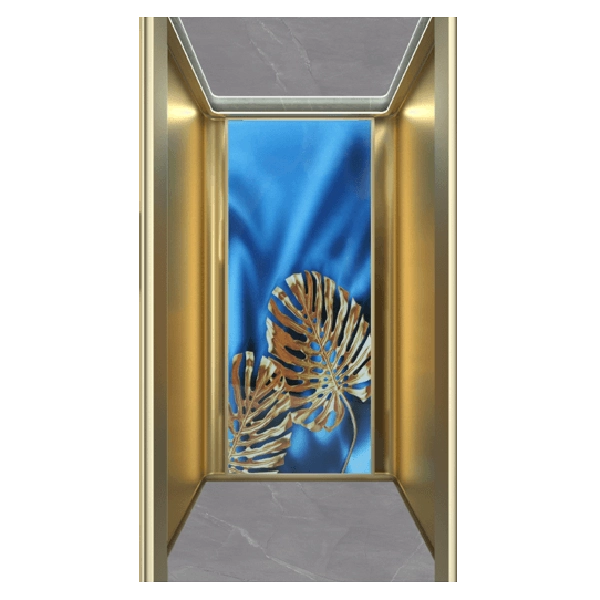
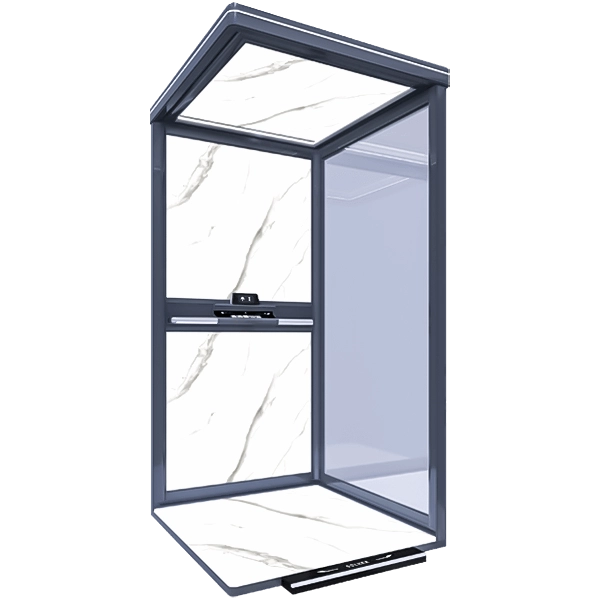
Minimalist design high-end and elegant villa home elevator Model-Q
The Model-Q is a home villa elevator in the Italian minimalist style. It features the most advanced elevator technology and has comprehensive safety protection measures. It is the most reliable guarantee for your passage in villa homes.
Minimalist design high-end and elegant villa home elevator Model-S
The Model-S is a home villa elevator in the Italian minimalist style. It features the most advanced elevator technology and has comprehensive safety protection measures. It is the most reliable guarantee for your passage in villa homes.
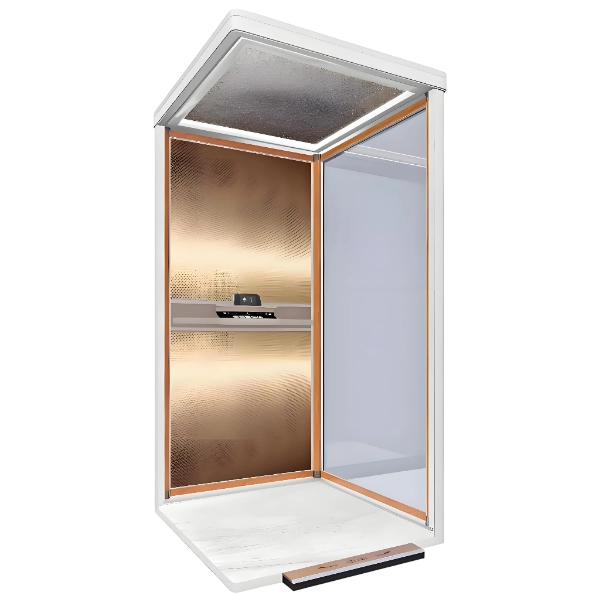
High-end and elegant villa home elevator Model-A
The Model A is a home villa elevator in the Italian minimalist style. It features the most advanced elevator technology and has comprehensive safety protection measures. It is the most reliable guarantee for your passage in villa homes.
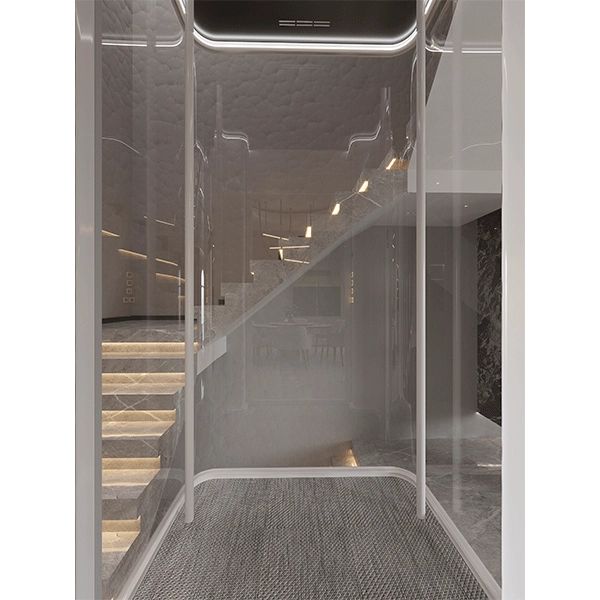
Simple and elegant villa home elevator Model-mini
The Model-Mini is a home villa elevator in the Italian minimalist style. It features the most advanced elevator technology and has comprehensive safety protection measures. It is the most reliable guarantee for your passage in villa homes
Let's get in touch
Email: lin@solkerelevator.com
Tel: +86 133 1668 7566
Address: Floor 1, Building D, Nanxin Industry International, Nancheng District, Dongguan, China.
 Taiwan, China
 No. 21, Lane 38, 206 Yingtai Road, Yingge District, New Taipei City
 +886 0975-299-830
 United Arab Emirates
Capital Mall, Abu Dhabi, United Arab Emirates, 3rd floor, Luxera elevator +971 52 541 4685 Ceo@maharacare.com
 Melbourne, Australia
 19/12 Natalia Av, Oakleigh South, VIC 3167
+61 1300 771 86 sales@goldenhomelifts.com.au
Sydney, Australia
U28/323 Chisholm Road, Auburn, NSW 2144
+61 1300 771 86 sales@goldenhomelifts.com.au
SOLKER
SOLKER