


Compliance and Safety Standards for Elevator for Home Installations
- Compliance and Safety Standards for Elevator for Home Installations
- Why safety and compliance matter for every elevator for home
- Key codes and standards that govern elevator for home installations
- Major standards and directives
- Essential safety features required in a modern elevator for home
- Core safety systems
- Site preparation, structural and electrical requirements for elevator for home
- Structural and space considerations
- Electrical and emergency power requirements
- Inspection, testing, and maintenance obligations for elevator for home
- Maintenance schedule and what it covers
- Choosing certified products and installers for elevator for home installations
- What to verify before purchase
- Comparing common residential elevator technologies for villa homes
- Model-S: How Minimalist design high-end and elegant villa home elevator Model-S meets compliance and safety expectations
- Safety highlights and compliance-oriented features
- Brand advantages and why Model-S is a smart choice for villa owners looking for elevator for home
- How to prepare your villa project for a compliant elevator for home installation
- Frequently Asked Questions about elevator for home installations and Model-S
- Q: Is a permit required to install an elevator for home?
- Q: How often should a residential elevator be inspected?
- Q: Can Model-S be installed without a machine room?
- Q: What happens during a power outage?
- Q: How do I ensure the elevator remains compliant over time?
- Contact us or view Model-S to get started
- Authoritative references and further reading
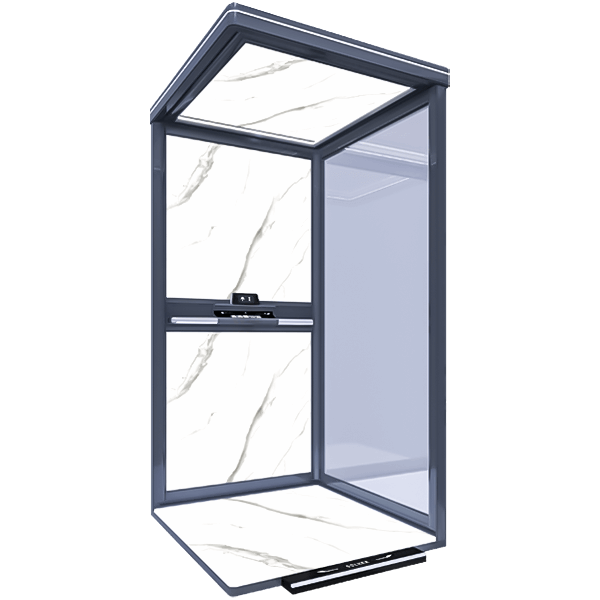
Compliance and Safety Standards for Elevator for Home Installations
Why safety and compliance matter for every elevator for home
Installing an elevator for home is a major improvement in convenience, accessibility, and property value. But residential elevators are also mechanical systems that can present safety risks if not designed, installed, and maintained to the right standards. Compliance with recognized codes and implementation of proven safety features reduce risk of entrapment, falls, electrical failures, and structural issues. This guide is written for homeowners, architects, interior designers, and installers who need clear, practical information about regulatory requirements and safety best practices for a villa or private residence. Once regulatory and safety requirements are defined, buyers can proceed with confidence to selecting suppliers: villa home elevator Model-S procurement tips that align with both compliance and project goals.
Key codes and standards that govern elevator for home installations
Regulatory frameworks differ by region, but several international and national standards are widely recognized and used as the basis for residential elevator design and installation. Understanding which standards apply at the project location is the first step in ensuring compliance.
Major standards and directives
- ASME A17.1 / CSA B44: The Safety Code for Elevators and Escalators commonly used in North America. It covers design, installation, inspection, testing, maintenance, and operation of elevators. Residential installations often reference the same core safety requirements as commercial elevators.
- EN 81 series and 2014/33/EU Lift Directive: In Europe, EN 81-20 and EN 81-50 are the primary standards for passenger and goods lifts. The 2014/33/EU directive regulates placing lifts on the market within the EU and sets essential safety requirements.
- National building codes: Local building codes often reference or incorporate the above standards and include requirements for structural support, fire separation, electrical installations, and accessibility.
- ISO and industry norms: International guidelines and manufacturer best practices cover energy efficiency, noise, and quality management topics that can affect installation choices and lifecycle costs.
Before installation, confirm which of these codes and local amendments are mandatory for your jurisdiction. A licensed elevator contractor or local building authority can confirm applicable laws.
Essential safety features required in a modern elevator for home
A compliant residential elevator should include multiple redundant safety measures. These are required by codes and recommended best practices to protect users and property.
Core safety systems
- Overspeed governor and safety gear: Prevents uncontrolled descent in case of cable failure and triggers safety braking systems.
- Automatic emergency stop and mechanical brakes: Stops the car safely if required.
- Door interlocks and sensors: Prevents the elevator from moving unless doors are fully closed and detects obstructions.
- Emergency lowering: Backup power or manual lowering to bring the car to the nearest landing if main power fails.
- Alarm and two-way communication: A direct line or telephone for users to call for help, often required by code for residential elevators in some jurisdictions.
- Overload protection: Prevents operation if the car is above rated capacity.
- Fire-rated hoistway design and smoke protection: Comply with local fire safety rules to protect occupants and first responders.
Together these systems form a layered safety approach so no single failure leads to a catastrophic event.
Site preparation, structural and electrical requirements for elevator for home
Proper site planning ensures the elevator performs safely and reliably over its lifespan. Designers and installers should coordinate with structural engineers and electricians early in the project.
Structural and space considerations
- Pit and headroom: Even for compact villa elevators, code mandates minimum pit depth and top clearance. These dimensions vary by model and standard.
- Hoistway rigidity and fire separation: Walls and supports must provide secure anchoring and meet fire-resistance ratings required locally.
- Door landing clearances and accessibility: Ensure landings, thresholds, and clearances meet requirements for safe entry and exit, especially for mobility-impaired users.
- Vibration and noise control: Isolation measures reduce noise transfer into living spaces.
Electrical and emergency power requirements
Residential elevators require dedicated electrical circuits sized for the drive type. Codes specify emergency lighting, alarm circuits, and in many cases provisions for emergency lowering if power is lost. Battery backup or an integrated UPS for door operation and communication is recommended.
Inspection, testing, and maintenance obligations for elevator for home
After installation, regular inspection and maintenance are critical to preserve safety and compliance. Most regions mandate periodic inspections by certified inspectors and require maintenance records.
Maintenance schedule and what it covers
- Daily/weekly owner checks: Simple visual checks for door operation, unusual noises, or lights out.
- Routine maintenance every 3 to 6 months: Lubrication, safety device checks, door operator calibration, and controller diagnostics.
- Annual or biannual statutory inspections: Performed by certified inspectors who test safety gear, overspeed devices, emergency systems, and compliance items listed by local regulators.
- Record keeping: Maintain service logs, inspection certificates, and any repair reports to prove ongoing compliance.
Using factory-trained technicians and OEM parts helps maintain warranty coverage and ensures replacement parts meet original specifications.
Choosing certified products and installers for elevator for home installations
Selecting a reputable manufacturer and certified installation partner is one of the most effective ways to ensure code compliance and safety.
What to verify before purchase
- Certifications and declarations: CE marking in Europe, ASME certification in North America, and local conformity certificates where applicable.
- Installer licensing and insurance: Verify that the installing firm is licensed to install elevators and carries adequate liability and worker insurance.
- Compliance documentation: Ask for engineering drawings, load calculations, and a list of code clauses the equipment complies with.
- Warranty and service network: Confirm warranty terms and how local service and spare parts are handled.
Comparing common residential elevator technologies for villa homes
Different drive systems have pros and cons for villa installations. Below is a compact comparison to help you decide which is most appropriate for your home and compliance needs.
| Type | Typical speed | Structural needs | Maintenance | Best for |
|---|---|---|---|---|
| Hydraulic | Slow to moderate (0.15-0.4 m/s) | Requires machine room or compact pump room; pit required | Moderate; periodic oil checks and seals | Low-rise villas, smooth ride, heavy loads |
| Traction (gearless or geared) | Moderate to fast (0.4-1.0 m/s) | Can be MRL; needs headroom or compact machinery | Moderate; motor and rope inspection | Multi-level villas, energy efficient |
| Pneumatic vacuum | Slow to moderate | No pit; minimal structural work, shaft is transparent | Lower; vacuum system maintenance | Design-focused, minimal structural impact |
| Platform/Chair lifts | Low | Often less invasive, but limited floors | Low to moderate | Accessibility retrofit, single flights |
Model-S: How Minimalist design high-end and elegant villa home elevator Model-S meets compliance and safety expectations
The Minimalist design high-end and elegant villa home elevator Model-S is a home villa elevator in the Italian minimalist style. It features the most advanced elevator technology and has comprehensive safety protection measures. It is the most reliable guarantee for your passage in villa homes.
Safety highlights and compliance-oriented features
- Redundant braking systems and overspeed protection to meet international safety benchmarks.
- Advanced door interlocks and obstacle detection to prevent unexpected door closure incidents.
- Integrated emergency lowering with battery backup to comply with power loss protocols.
- Two-way emergency communication system and alarm for immediate assistance.
- Energy-efficient drives and optional MRL configurations to minimize structural alterations while meeting code dimensions for pit and headroom.
Model-S is offered with full documentation for regulatory approval, including engineering drawings, compliance declarations, and maintenance guidance to simplify permitting and inspection.
Brand advantages and why Model-S is a smart choice for villa owners looking for elevator for home
When selecting an elevator for home, consider supplier track record, after-sales support, and the balance between aesthetics and safety. The Model-S offers several brand advantages tailored to high-end villas:
- Design integration: Italian minimalist aesthetics that match luxury interior design without compromising safety systems.
- Factory-driven compliance: Documentation and components designed to meet common international standards, simplifying approvals.
- Dedicated service network: Trained technicians and scheduled maintenance programs to ensure long-term compliance and reliability.
- Customization with safety: Multiple cabin finishes and configurations while preserving mandatory safety features and structural requirements.
How to prepare your villa project for a compliant elevator for home installation
Follow these practical steps to streamline approvals and installation:
- Confirm applicable codes with your local building department and obtain a list of required documents and inspections.
- Engage an elevator manufacturer early to produce site-specific drawings and specifications.
- Hire structural and electrical professionals to confirm pit, headroom, power supply and anchoring are compliant.
- Choose licensed installers with residential elevator experience and ask for references and certificates.
- Plan for maintenance contracts and establish inspection intervals required by local law.
Frequently Asked Questions about elevator for home installations and Model-S
Q: Is a permit required to install an elevator for home?
A: Yes. Most jurisdictions require building permits and elevator-specific approvals. Requirements vary by region, so consult the local building authority and provide the manufacturer’s technical documents to obtain permits.
Q: How often should a residential elevator be inspected?
A: Typical practice is a visual owner check weekly, routine maintenance every 3-6 months, and a certified statutory inspection at least annually or as required by local regulations.
Q: Can Model-S be installed without a machine room?
A: Model-S is available in configurations that minimize space requirements, including machine-room-less (MRL) options. Final configuration depends on site constraints and applicable codes.
Q: What happens during a power outage?
A: Model-S includes emergency lowering and communication systems. Optional battery backup or UPS can operate doors and communications until mains power is restored or technicians arrive.
Q: How do I ensure the elevator remains compliant over time?
A: Maintain a scheduled maintenance contract with factory-trained technicians, keep inspection records, and promptly perform upgrades or repairs recommended by inspections to remain compliant.
Contact us or view Model-S to get started
If you are planning a villa renovation or need an elegant, safe elevator for home use, contact our team to request site assessment, technical documentation, and a no-obligation quote. View the Model-S product page or schedule a consultation to discuss code compliance, customization options, and maintenance plans.
Contact: sales@example-company.com | Phone: +1-800-555-0123 | View product: /products/model-s
Authoritative references and further reading
The following sources provide official information on elevator safety standards and regulatory frameworks:
- ASME A17.1 Safety Code for Elevators and Escalators - ASME: https://www.asme.org/codes-standards/find-codes-standards/a17-1-safety-code-elevators-escalators
- EU Lift Directive 2014/33/EU - Official Journal of the European Union: https://eur-lex.europa.eu/eli/dir/2014/33/oj
- EN 81 standards overview - Wikipedia: https://en.wikipedia.org/wiki/EN_81
- Elevator - General information and safety context - Wikipedia: https://en.wikipedia.org/wiki/Elevator
- International Organization for Standardization - ISO: https://www.iso.org
Note: Local codes and amendments may apply in addition to the references above. Always consult local authorities and certified professionals for final compliance decisions.
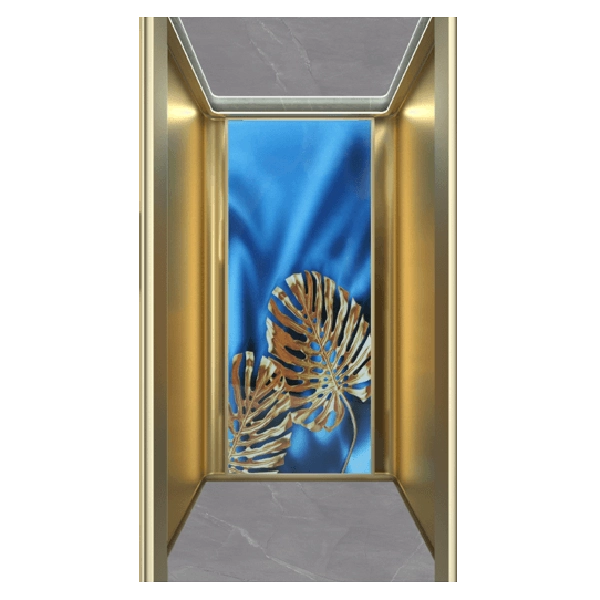
Logistics, Installation Planning and Lead Time for Model-Q
Custom personal home lift Manufacturers and Suppliers
Where to Buy high grade villa elevator in Saudi Arabia
Safety Features Every Luxury Residential Elevator Should Have
Customize
How long does a custom order take to deliver?
On average, production takes 30–45 days after confirmation, depending on your configuration.
Is customization available for both indoor and outdoor elevators?
Yes. All custom options apply to indoor and weatherproof outdoor models.
Do I need architectural drawings to start customization?
Not required initially. We can start with basic dimensions or photos and assist with full planning.
Can I customize the elevator to match my home style?
Absolutely. We offer multiple cabin styles, materials, and finishes to suit modern, classic, or minimalist interiors.
Product
How to install an elevator and what is the warranty?
We have overseas technicians who are at your service 24 hours a day, 365 days a year.
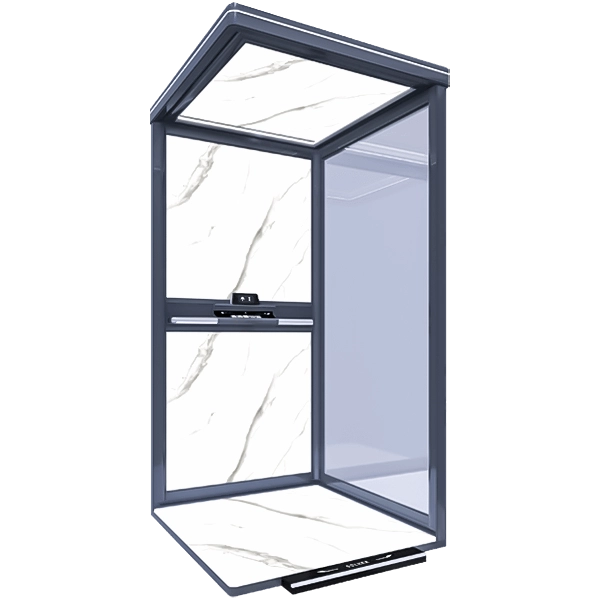
Minimalist design high-end and elegant villa home elevator Model-S
The Model-S is a home villa elevator in the Italian minimalist style. It features the most advanced elevator technology and has comprehensive safety protection measures. It is the most reliable guarantee for your passage in villa homes.
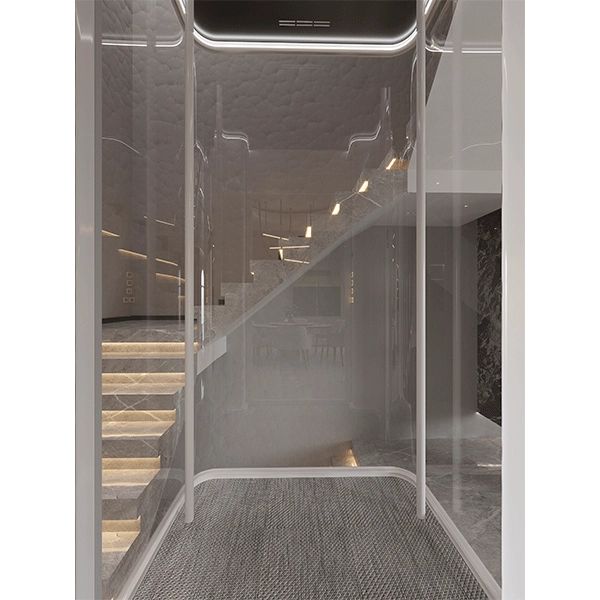
Simple and elegant villa home elevator Model-mini
The Model-Mini is a home villa elevator in the Italian minimalist style. It features the most advanced elevator technology and has comprehensive safety protection measures. It is the most reliable guarantee for your passage in villa homes
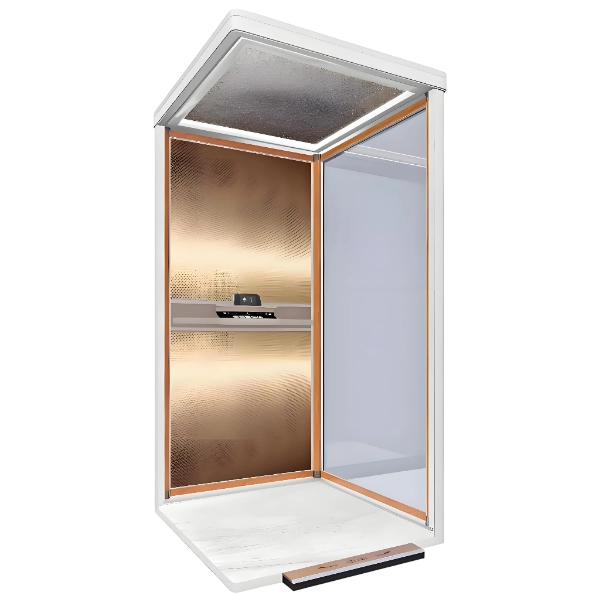
High-end and elegant villa home elevator Model-A
The Model A is a home villa elevator in the Italian minimalist style. It features the most advanced elevator technology and has comprehensive safety protection measures. It is the most reliable guarantee for your passage in villa homes.
Minimalist design high-end and elegant villa home elevator Model-Q
The Model-Q is a home villa elevator in the Italian minimalist style. It features the most advanced elevator technology and has comprehensive safety protection measures. It is the most reliable guarantee for your passage in villa homes.
Let's get in touch
Email: lin@solkerelevator.com
Tel: +86 133 1668 7566
Address: Floor 1, Building D, Nanxin Industry International, Nancheng District, Dongguan, China.
 Taiwan, China
 No. 21, Lane 38, 206 Yingtai Road, Yingge District, New Taipei City
 +886 0975-299-830
 United Arab Emirates
Capital Mall, Abu Dhabi, United Arab Emirates, 3rd floor, Luxera elevator +971 52 541 4685 Ceo@maharacare.com
 Melbourne, Australia
 19/12 Natalia Av, Oakleigh South, VIC 3167
+61 1300 771 86 sales@goldenhomelifts.com.au
Sydney, Australia
U28/323 Chisholm Road, Auburn, NSW 2144
+61 1300 771 86 sales@goldenhomelifts.com.au
SOLKER
SOLKER