


Logistics, Installation Planning and Lead Time for Model-Q
- Logistics, Installation Planning and Lead Time for Model-Q
- Overview: What the Minimalist design high-end and elegant villa home elevator Model-Q offers
- Key project phases for a small home elevator (Model-Q)
- Initial inquiry and specification (1–2 weeks)
- Site survey and structural checks (1–3 weeks)
- Technical drawings, permits and approvals (2–6 weeks)
- Manufacturing and factory QA (6–10 weeks typical)
- Packing, shipping & customs (varies by destination)
- Onsite installation and commissioning (2–7 days typical)
- Typical total lead time scenarios for Model-Q
- Site preparation checklist for homeowners and contractors
- Common causes of delay and how to mitigate them
- Costs and procurement considerations
- Why choose Model-Q for a small home elevator project?
- Practical timeline example for a villa renovation
- Maintenance, spare parts and lifecycle planning
- FAQ — Frequently asked questions about Model-Q logistics and installation
- 1. What is the realistic lead time to receive a Model-Q?
- 2. Does Model-Q need a pit or machine room?
- 3. What permits are usually required?
- 4. How long does onsite installation take?
- 5. Can I expedite shipping?
- Call to action
- Authoritative references and further reading
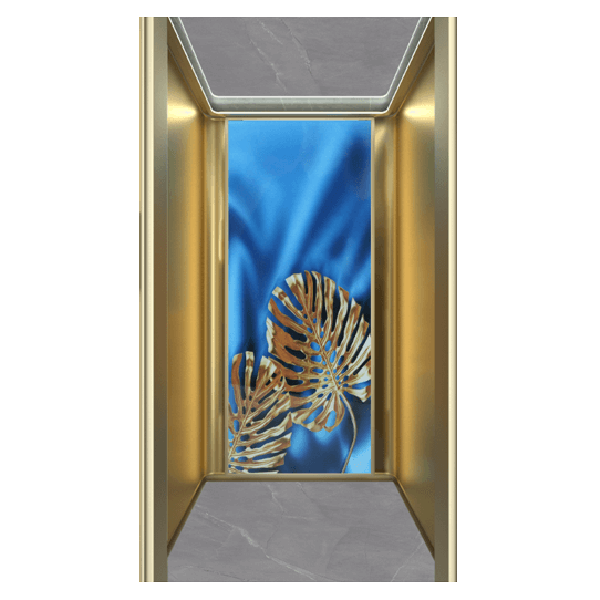
Logistics, Installation Planning and Lead Time for Model-Q
Overview: What the Minimalist design high-end and elegant villa home elevator Model-Q offers
The Model-Q is a home villa elevator in the Italian minimalist style. It features the most advanced elevator technology and has comprehensive safety protection measures. It is the most reliable guarantee for your passage in villa homes.
The Model-Q is positioned as a high-end, small home elevator suitable for luxury villas and renovated residences. This guide explains the end-to-end logistics, realistic lead times and detailed installation planning steps you need to ensure a smooth project from inquiry to handover. If you are an architect, builder, homeowner or installer evaluating a small home elevator, this article gives actionable timelines, checklists and risk controls to avoid costly delays. Once installation timelines are clear, many developers also evaluate the energy efficiency and sustainability of small home elevators to align with green building goals.
Key project phases for a small home elevator (Model-Q)
Installing a villa home elevator like the Model-Q typically follows these phases. Understanding each phase and required inputs reduces surprises and shortens overall lead time.
- Initial inquiry & specification (site photos, basic dimensions)
- Detailed site survey & structural review (onsite or virtual)
- Technical drawings and approval (architect/engineer sign-off)
- Manufacture & quality control
- Packing, shipping & customs clearance
- Onsite installation & commissioning
- Final inspection, certification & handover
Initial inquiry and specification (1–2 weeks)
Start with providing the vendor the following: building address, number of floors to serve, clear shaft dimensions or room where the elevator will be located, pit/deck and headroom (if existing), power availability (voltage, single/three-phase), and preferred finishes. For Model-Q, emphasize that it is a small home elevator designed with a minimalist Italian aesthetic, but confirm if your project requires custom glass, cabin finishes or special doors.
Deliverables at this phase: preliminary quote, ballpark lead time estimate, and a checklist for what is needed for a site survey.
Site survey and structural checks (1–3 weeks)
A critical step: an accurate site survey avoids later rework. A qualified installer or the manufacturer's surveyor should verify floor-to-floor heights, available shaft or hoistway dimensions, structural anchorage points, pit depth (if required), headroom, and nearby MEP risers. For conversions where no shaft exists, you will need to confirm whether a shaft can be constructed within existing architecture without compromising structural integrity.
Common small home elevator constraints to verify:
- Minimum pit depth: many small home elevators require a shallow pit (often 50–150 mm) or may be available pitless.
- Headroom: machine-roomless (MRL) designs like Model-Q often require lower headroom compared to traditional lifts; confirm manufacturer minimums.
- Door swing and landing clearance: ensure door clearances match stairs/corridor traffic patterns.
- Power supply: 230V single-phase is common, but confirm starting currents and whether a dedicated circuit is needed.
Technical drawings, permits and approvals (2–6 weeks)
After survey, the manufacturer issues technical drawings (shaft layout, fixing points, pit details, power and control wiring). These drawings must be reviewed by the architect/structural engineer and used to apply for local building permits. Permit review time varies by jurisdiction; in many regions expect 2–6 weeks, but it can be longer where historic buildings or strict planning controls are involved.
Tip: submit completed drawings together with a compliance statement (safety standard references) to speed approval. Model-Q conforms to common home lift safety standards; include the product dossier with the permit application.
Manufacturing and factory QA (6–10 weeks typical)
Production time depends on the level of customization and current factory workload. Typical timings for Model-Q variants:
| Scenario | Manufacture & QA | Notes |
|---|---|---|
| Standard Model-Q (stock finishes) | 6–8 weeks | Faster if drawings approved promptly |
| Customized finishes or glass shaft | 8–12 weeks | Special glass, bespoke interiors add time |
| Complex electrical/mechanical options | 10–14 weeks | Additional testing for options like smart controls |
Packing, shipping & customs (varies by destination)
Once factory QA and pre-shipment tests are complete, crates are packed for ocean or air freight. Shipping times vary widely:
- Domestic delivery: 1–7 days
- Regional / short sea: 7–21 days
- Intercontinental ocean freight: 21–45 days
- Air freight: 3–10 days (costly; used in urgent cases)
Customs clearance adds 2–10 days typically but can be longer if documentation is incomplete. To avoid delays, ensure commercial invoice, packing list, CE/Conformity declarations and technical files are provided up front.
Onsite installation and commissioning (2–7 days typical)
For a small home elevator like Model-Q, once components are onsite and shaft prepared, skilled installers typically complete mechanical fixing, electrical connections, adjustments and commissioning in 2–7 working days for a standard installation.
Variables that extend installation time:
- Complex site access or narrow staircases (unloading)
- Late site-prep issues (incorrect pit depth, missing anchors)
- Custom glass shaft assembly or multi-panel cab installation
- Coordination with electricians/plasterers/finishers
Typical total lead time scenarios for Model-Q
The following table shows typical total lead-to-install times (from order acceptance to handover) for different project profiles. These are realistic industry estimates to help schedule your construction timeline.
| Scenario | Total lead time (order to handover) | Key drivers |
|---|---|---|
| Standard small home elevator (local delivery) | 10–12 weeks | Fast approvals, local shipping, minimal customization |
| Customized finishes, regional shipping | 14–18 weeks | Customization + factory schedule + shipping |
| Complex or remote site (international shipping) | 18–26+ weeks | Customs, remote access, permit delays |
Site preparation checklist for homeowners and contractors
Prepare the site before the elevator arrives to avoid idle time for installers.
- Confirm pit depth and make-good finishes completed or accessible.
- Ensure headroom clearances are achieved and temporary protection for floors exists.
- Provide a dedicated power supply and temporary lighting in the shaft area.
- Secure storage area for crates and components near installation point.
- Arrange access permits for crane or hoist if large panels or glass need lifting.
- Slot in electrician/plasterer/finishers into the schedule after commissioning.
Common causes of delay and how to mitigate them
Most delays are avoidable with early coordination:
- Incomplete site information — mitigate by scheduling an early detailed survey and sharing photos/dimensions promptly.
- Permit bottlenecks — mitigate through early submission of full technical dossiers and proactive follow-up with local authorities.
- Customs/documentation errors — mitigate by confirming HS codes, commercial invoices and declaration letters before shipment.
- Late site changes — mitigate via strict change-control: agree on a final drawing and freeze changes after manufacturing starts.
Costs and procurement considerations
While this article focuses on time and logistics, procurement decisions influence lead time. Fast-track options include paying for air freight or expedited production runs. However, these increase cost substantially. For Model-Q, plan the procurement schedule to avoid High Quality shipping unless necessary.
Why choose Model-Q for a small home elevator project?
Brand and product strengths that reduce installation friction and long-term risk:
- Designed as a compact, machine-roomless solution, Model-Q minimizes headroom and pit requirements compared with traditional lifts.
- Factory pre-assembly and modular components reduce onsite installation time to a few days.
- Comprehensive technical dossiers supplied with each unit support faster permit approvals.
- Advanced safety protections and compliance with common standards improve acceptance by inspection bodies.
Practical timeline example for a villa renovation
Example: a homeowner orders Model-Q for a two-level villa conversion.
- Week 0–1: Inquiry, site photos submitted, preliminary quote
- Week 2: Onsite survey completed
- Week 3–5: Technical drawings, structural sign-off and permit submission
- Week 6–12: Factory manufacturing & QA (standard finishes)
- Week 13–16: Shipping & customs (ocean freight) + delivery
- Week 16–18: Onsite installation, commissioning and handover
Total: ~4–5 months if permits and shipping run normally.
Maintenance, spare parts and lifecycle planning
Plan for regular maintenance during procurement discussions. Ask your supplier for a recommended maintenance schedule and lead time for spare parts. For a small home elevator, commonly requested items (door mechanisms, control boards, replacement panels) should be available within 2–6 weeks from the manufacturer in most markets.
FAQ — Frequently asked questions about Model-Q logistics and installation
1. What is the realistic lead time to receive a Model-Q?
Answer: For a standard, non-customized Model-Q expect 10–12 weeks from order to handover in many regions. Custom finishes, complex options or international shipping can extend this to 14–26 weeks.
2. Does Model-Q need a pit or machine room?
Answer: Model-Q is designed as a compact, minimalist small home elevator and typically supports machine-roomless installations. Depending on the variant, a shallow pit or pitless option may be available—confirm exact requirements on the technical drawing for your project.
3. What permits are usually required?
Answer: Building permits are almost always required; some localities also demand elevator safety inspection certificates upon commissioning. Provide technical drawings, conformity declarations and energy/power details to speed approvals.
4. How long does onsite installation take?
Answer: Standard installations usually take 2–7 working days once all components are onsite and site prep is complete. Complex sites can take longer.
5. Can I expedite shipping?
Answer: Yes — air freight or expedited ocean services are possible but costly. Expediting production (rush order) is also possible depending on factory capacity.
Call to action
Ready to plan your Model-Q installation? Contact our sales and technical team today for a site survey, preliminary quote and a tailored project timeline. View product specifications or request a consultation to get a detailed lead-time estimate and installation checklist for your property.
Authoritative references and further reading
- Elevator — Wikipedia: https://en.wikipedia.org/wiki/Elevator
- ASME A17.1 Safety Code for Elevators and Escalators — ASME: https://www.asme.org/codes-standards/find-codes-standards/a17-1
- European Lift Association (ELA): https://www.ela-aisbl.eu/
- International Organization for Standardization (ISO) — standards overview: https://www.iso.org/standards.
- U.S. Consumer Product Safety Commission — Elevators & Escalators resources: https://www.cpsc.gov/Safety-Education/Safety-Education-Centers/Elevators-Escalators
For a personalized lead time quote and installation planning package for the Minimalist design high-end and elegant villa home elevator Model-Q, contact our team with your project address and basic site photos/measurements.
Energy-Efficient Residential Elevators: Save on Power
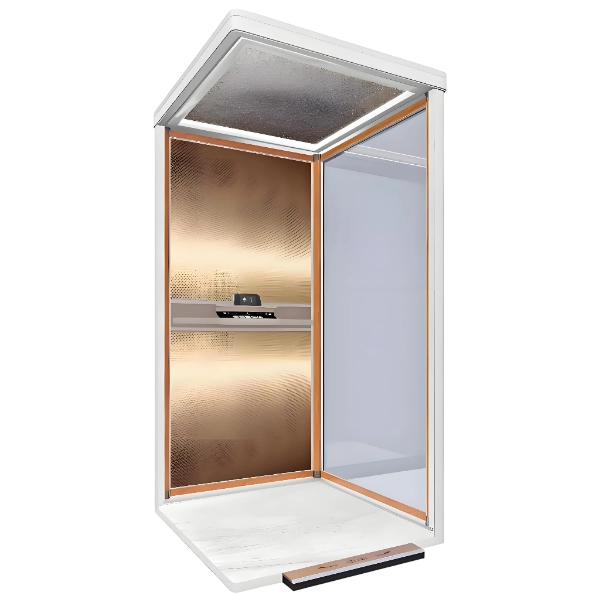
How a Luxury Elevator Enhances Villa Property Value and Appeal
Where to Buy residential villa lift in Saudi Arabia
Tips for buy elevators for villas
Customize
What parts of the elevator can be customized?
You can personalize wall panels, flooring, lighting, control panels, handrails, and door finishes.
Can I customize the elevator to match my home style?
Absolutely. We offer multiple cabin styles, materials, and finishes to suit modern, classic, or minimalist interiors.
Is customization available for both indoor and outdoor elevators?
Yes. All custom options apply to indoor and weatherproof outdoor models.
Do I need architectural drawings to start customization?
Not required initially. We can start with basic dimensions or photos and assist with full planning.
Can the elevator design be matched to my home's architecture?
Absolutely. Our designers tailor each cabin to complement your interior layout and style.
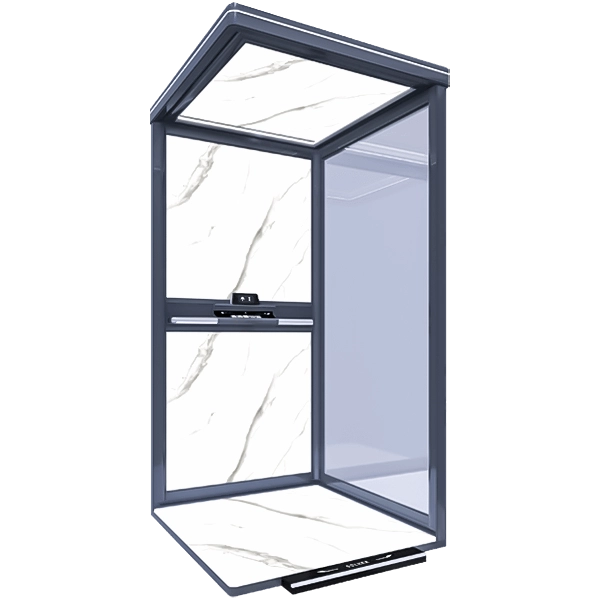
Minimalist design high-end and elegant villa home elevator Model-S
The Model-S is a home villa elevator in the Italian minimalist style. It features the most advanced elevator technology and has comprehensive safety protection measures. It is the most reliable guarantee for your passage in villa homes.
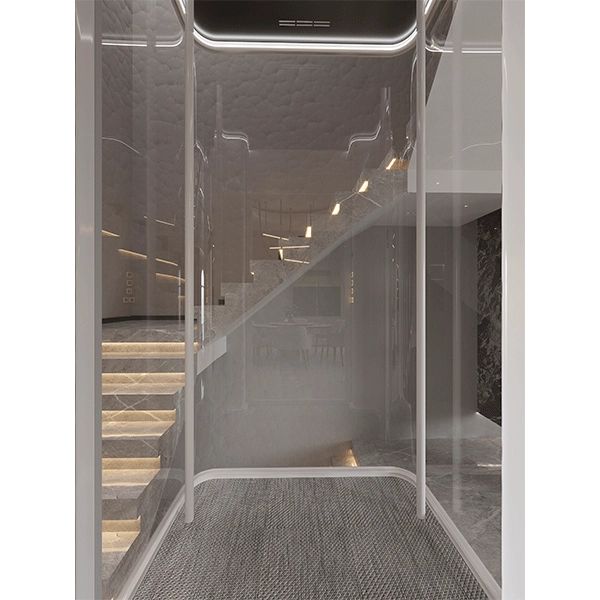
Simple and elegant villa home elevator Model-mini
The Model-Mini is a home villa elevator in the Italian minimalist style. It features the most advanced elevator technology and has comprehensive safety protection measures. It is the most reliable guarantee for your passage in villa homes
High-end and elegant villa home elevator Model-A
The Model A is a home villa elevator in the Italian minimalist style. It features the most advanced elevator technology and has comprehensive safety protection measures. It is the most reliable guarantee for your passage in villa homes.
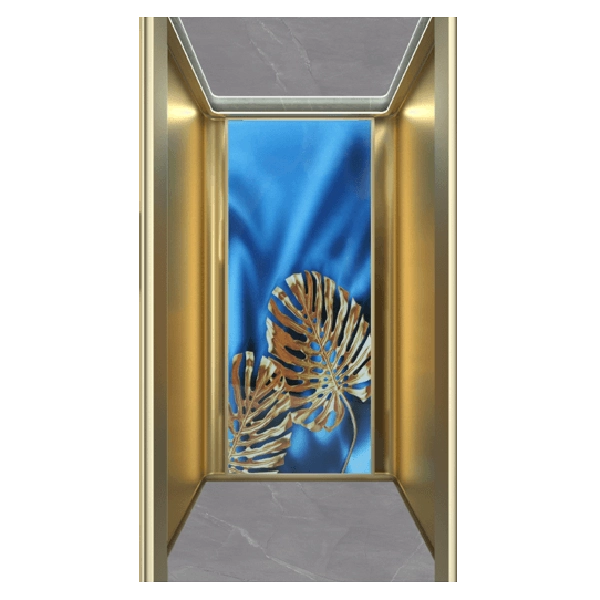
Minimalist design high-end and elegant villa home elevator Model-Q
The Model-Q is a home villa elevator in the Italian minimalist style. It features the most advanced elevator technology and has comprehensive safety protection measures. It is the most reliable guarantee for your passage in villa homes.
Let's get in touch
Email: lin@solkerelevator.com
Tel: +86 133 1668 7566
Address: Floor 1, Building D, Nanxin Industry International, Nancheng District, Dongguan, China.
 Taiwan, China
 No. 21, Lane 38, 206 Yingtai Road, Yingge District, New Taipei City
 +886 0975-299-830
 United Arab Emirates
Capital Mall, Abu Dhabi, United Arab Emirates, 3rd floor, Luxera elevator +971 52 541 4685 Ceo@maharacare.com
 Melbourne, Australia
 19/12 Natalia Av, Oakleigh South, VIC 3167
+61 1300 771 86 sales@goldenhomelifts.com.au
Sydney, Australia
U28/323 Chisholm Road, Auburn, NSW 2144
+61 1300 771 86 sales@goldenhomelifts.com.au
SOLKER
SOLKER