


Energy Efficiency and Sustainability of Small Home Elevators
- Energy Efficiency and Sustainability of Small Home Elevators
- Introduction: Why energy-efficient small home elevator choice matters
- How a small home elevator reduces energy use: fundamentals and best practices
- Model-Q: Minimalist design high-end and elegant villa home elevator Model-Q — product overview
- Technical features that drive energy efficiency in small home elevator systems
- Comparing energy consumption: small home elevator (Model-Q) vs. common elevator types
- Sustainability beyond operational energy: materials, lifecycle and recycling for a small home elevator
- Installation, maintenance and behavioural choices that improve small home elevator sustainability
- Cost-benefit overview: do energy savings justify a higher initial price for a small home elevator?
- Brand advantages: why choose Model-Q as your small home elevator
- Practical recommendations when specifying a small home elevator
- FAQ — Frequently Asked Questions about small home elevator energy efficiency and Model-Q
- Q: How much electricity does a small home elevator typically use?
- Q: Are regenerative drives useful in small home elevators?
- Q: Can I power a small home elevator with solar panels?
- Q: How does Model-Q ensure safety while being energy-efficient?
- Q: Will an MRL system increase maintenance costs?
- Contact and next steps — view Model-Q or speak to an expert
- Authoritative references and further reading
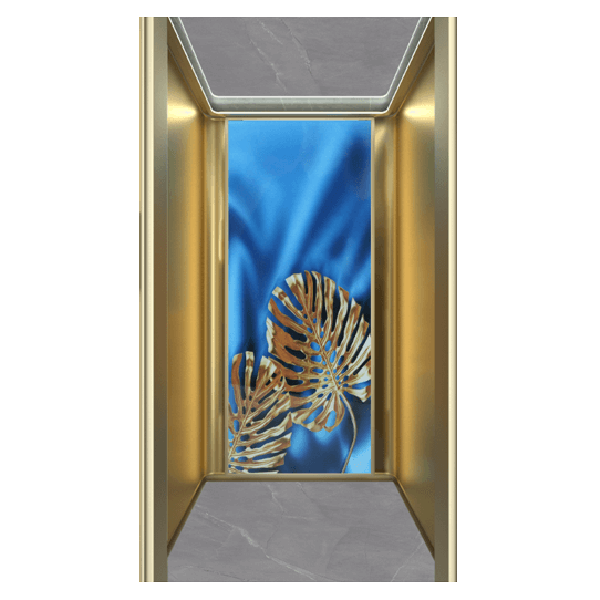
Energy Efficiency and Sustainability of Small Home Elevators
Introduction: Why energy-efficient small home elevator choice matters
Deciding on a small home elevator for a villa is more than an accessibility choice — it affects household energy consumption, long-term operating costs, and the home’s environmental footprint. As more homeowners prioritize sustainability, understanding how design, drive systems, and controls influence the energy profile of a residential elevator is crucial. This article explores practical ways a small home elevator can be energy-efficient and sustainable, using the Minimalist design high-end and elegant villa home elevator Model-Q as an example of how modern design and engineering meet green goals.
How a small home elevator reduces energy use: fundamentals and best practices
A small home elevator reduces energy use through three basic levers: efficient drive systems, lightweight cabin and counterweight optimization, and intelligent controls. Residential elevator trips are typically short and infrequent compared with commercial lifts, so minimizing idle consumption (standby power) and improving travel efficiency yield the most meaningful savings. For homeowners, the practical implications are: choose drives with high motor efficiency, select elevators with sleep-mode standby, and specify controls that reduce unnecessary trips. The phrase 'small home elevator' here is central: because residential systems are smaller, optimizations at the system level (such as regenerative drives, LED lighting, and smart standby logic) have a proportionally larger impact on annual energy use.
Model-Q: Minimalist design high-end and elegant villa home elevator Model-Q — product overview
The Minimalist design high-end and elegant villa home elevator Model-Q is designed for villa environments that demand aesthetics and performance. Below is the product introduction for Model-Q:
The Model-Q is a home villa elevator in the Italian minimalist style. It features the most advanced elevator technology and has comprehensive safety protection measures. It is the most reliable guarantee for your passage in villa homes.
Model-Q integrates machine-room-less (MRL) traction technology, intelligent standby modes, LED cabin lighting, and materials chosen for low embodied energy without sacrificing safety or refinement. These features position Model-Q as an exemplary small home elevator for homeowners who want both design and sustainability.
Technical features that drive energy efficiency in small home elevator systems
Key technical choices determine the energy profile of a small home elevator. Below are the most impactful features and how they are implemented in efficient residential lifts like Model-Q:
- MRL traction with permanent-magnet motors: Eliminates a separate machine room and uses highly efficient motors that reduce travel energy.
- Regenerative drives or energy recovery: Captures braking energy when the elevator descends with a load and returns it to the building grid or reuses it for other lift functions.
- Low-standby power electronics: Modern controllers enter sleep modes when idle; LEDs and efficient fans reduce continuous draw.
- Lightweight cabin materials and optimized counterweights: Less mass means lower motor torque and energy per trip.
- Smart controls and scheduling: Grouping trips, destination control logic, and occupancy sensors reduce unnecessary movement.
- High-efficiency lighting and ventilation: LED lighting, motion-activated lights, and low-speed fans limit constant power use.
When combined, these elements can reduce a small home elevator's annual consumption substantially compared with older hydraulic or inefficient traction systems.
Comparing energy consumption: small home elevator (Model-Q) vs. common elevator types
To make practical decisions, homeowners need numbers. The table below shows representative annual energy consumption and estimated CO2 emissions for different elevator types in a residential/low-usage scenario. Assumptions: 20 trips per day, average travel per trip 2 stops, and regional grid CO2 intensity 0.4 kg CO2/kWh (adjust for local grid).
| Elevator Type | Estimated Annual Energy Use (kWh/year) | Estimated CO2 (kg/year) | Notes |
|---|---|---|---|
| Hydraulic residential elevator | 1,400–2,000 | 560–800 | Higher idle losses, pump inefficiencies |
| Traditional traction (machine room) | 700–1,200 | 280–480 | Better than hydraulic, but MR losses possible |
| MRL traction (modern) | 400–800 | 160–320 | Efficient motors, lower standby with modern controls |
| Small home elevator — Model-Q (optimised) | 200–350 | 80–140 | Permanent-magnet motor, low standby, regenerative features |
Note: these are representative figures for comparative purposes. Actual energy depends on usage patterns, building layout, and equipment specification. The Model-Q figures reflect a conservative estimate for a well-specified small home elevator focusing on energy efficiency.
Sustainability beyond operational energy: materials, lifecycle and recycling for a small home elevator
Operational energy is only one part of sustainability. A comprehensive view examines embodied energy (manufacturing, transport, installation), product lifetime, maintenance needs, and end-of-life recyclability. For a small home elevator like Model-Q, sustainability measures include:
- Using materials with lower embodied carbon where feasible (aluminum or recycled steel for frames, FSC-certified wood finishes).
- Designing modular components for easy replacement and upgrades — extending service life and lowering whole-life environmental impact.
- Providing take-back or recycling programs for metal and electronics at end of life.
- Specifying long-life components (high-efficiency motors, solid-state controls) to reduce replacement frequency.
When manufacturers design residential elevators around these principles, lifecycle emissions and resource use decline significantly compared to short-lived or heavily customized systems that are difficult to service.
Installation, maintenance and behavioural choices that improve small home elevator sustainability
Proper installation and ongoing maintenance affect both safety and energy. Tips for homeowners considering a small home elevator:
- Work with certified installers to ensure the drive and control systems are tuned for minimal standby and correct balancing.
- Schedule regular planned maintenance from authorized technicians — well-maintained lifts operate more efficiently and last longer.
- Adopt user habits that save energy: avoid unnecessary short trips, allow doors to close before calling the elevator again, and use standby modes if available.
- Consider adding solar photovoltaics or pairing elevator power with home energy management systems to reduce net grid emissions.
Cost-benefit overview: do energy savings justify a higher initial price for a small home elevator?
High-efficiency small home elevator models can cost more upfront than basic units, but owners typically recoup some of that through lower operating costs and higher resale value for the home. Factors to include in a cost-benefit assessment:
- Annual energy savings (from the table above) multiplied by local electricity price.
- Lower maintenance frequency and part replacement thanks to modern components.
- Potential local incentives for energy-efficient home equipment or building upgrades.
- Increased home value and appeal to eco-conscious buyers.
Example: if Model-Q saves ~500 kWh/year compared with a conventional traction system and electricity costs $0.20/kWh, the owner saves $100/year on energy alone. Coupled with lower maintenance and a longer service life, payback can be meaningful over 10–15 years, plus non-monetary benefits (comfort, safety, aesthetics).
Brand advantages: why choose Model-Q as your small home elevator
When selecting a small home elevator for a villa, Model-Q stands out for combining Italian minimalist aesthetics with energy-conscious engineering. Brand advantages include:
- Design-integrated efficiency: Model-Q’s MRL traction and compact drive reduce construction impact and energy use while preserving clean visual lines for villa interiors.
- Advanced safety and reliable engineering: Comprehensive safety protections ensure long-term reliability and a low incidence of energy-wasting faults.
- Modular, maintainable design: Components are accessible for service and upgrades, protecting the investment and extending lifecycle.
- Low-standby electronics and LED cabin systems: Minimize continuous draw without sacrificing user comfort.
- Professional support: Installation, commissioning and after-sales service designed to maintain peak performance and safety.
Combined, these advantages mean Model-Q is positioned not only as a High Quality aesthetic choice but also as a practical step toward a more sustainable villa.
Practical recommendations when specifying a small home elevator
To get the most sustainable outcome when ordering a small home elevator, follow these steps:
- Specify MRL traction with a permanent-magnet motor and regenerative drive where possible.
- Confirm standby power figures and request sleep-mode logic for long idle periods.
- Choose LED lighting and motion-activated controls inside the cabin.
- Ask for lifecycle documentation: material sources, recyclability, and expected service intervals.
- Install with an experienced team and request commissioning that measures actual power draw for verification.
FAQ — Frequently Asked Questions about small home elevator energy efficiency and Model-Q
Q: How much electricity does a small home elevator typically use?
A: Usage depends on travel frequency and system type. Modern, optimized small home elevator systems like Model-Q typically use 200–350 kWh/year in a modest-use villa scenario, much less than older hydraulic units.
Q: Are regenerative drives useful in small home elevators?
A: Yes. Regenerative drives can recover braking energy during descent and feed it back to the building or reuse it. The payback is proportional to travel patterns — lifts with frequent loaded descents benefit most.
Q: Can I power a small home elevator with solar panels?
A: Yes. Pairing the elevator with a home PV system or home energy storage reduces grid consumption and can substantially lower lifecycle emissions. Ensure the inverter and PV sizing account for peak and startup power demands.
Q: How does Model-Q ensure safety while being energy-efficient?
A: Model-Q combines industry-standard safety systems (brakes, overspeed protection, door interlocks) with efficient drives. Safety systems have minimal continuous power draw and are designed to meet or exceed regulatory standards, ensuring that efficiency never compromises protection.
Q: Will an MRL system increase maintenance costs?
A: MRL systems often reduce maintenance complexity because there is no separate machine room and modern components are designed for longer intervals between services. Always verify manufacturer service schedules and warranty terms.
Contact and next steps — view Model-Q or speak to an expert
Sustainability considerations can be paired with aesthetics by exploring customization options and finishes for minimalist Model-Q designs.If you want to explore the Minimalist design high-end and elegant villa home elevator Model-Q for your villa, contact our sales team for a site consultation, energy projection tailored to your usage, and a demonstration of the Model-Q’s features. To request a quote or arrange an on-site assessment, contact customer service or view the Model-Q product page.
Contact our customer service to schedule a free consultation or request a product brochure and energy analysis for Model-Q.
Authoritative references and further reading
For readers who want to verify technical standards and broader energy policy context, authoritative resources include:
- Wikipedia — Elevator: https://en.wikipedia.org/wiki/Elevator
- ISO — ISO 25745 (Energy performance of lifts): https://www.iso.org/standard/67366.
- ASME — A17.1 Safety Code for Elevators and Escalators: https://www.asme.org/codes-standards/find-codes-standards/a17-1
- European Commission — Energy Performance of Buildings Directive: https://energy.ec.europa.eu/topics/energy-efficiency/energy-efficient-buildings/energy-performance-buildings-directive_en
- International Energy Agency (IEA) — Buildings: https://www.iea.org/topics/buildings
These sources provide context on elevator technology, safety standards, and building-level energy policies that influence sustainable equipment choices.
End of article.
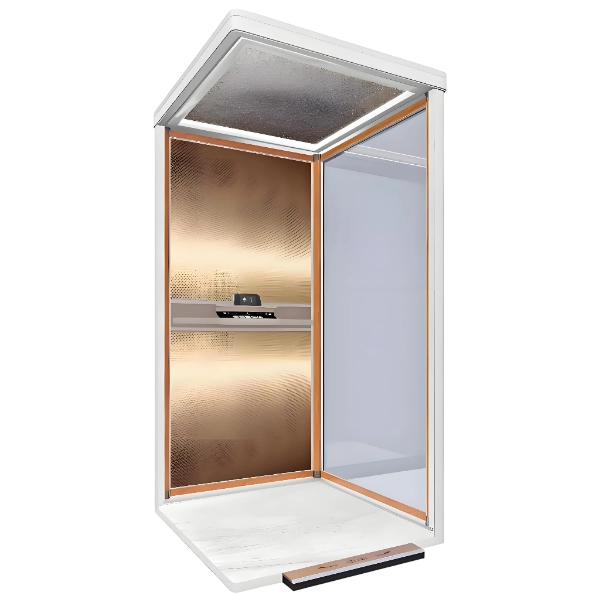
Smart Home Integration Tips for Model-A Villa Elevators
Where to Buy lift for villa in Saudi Arabia
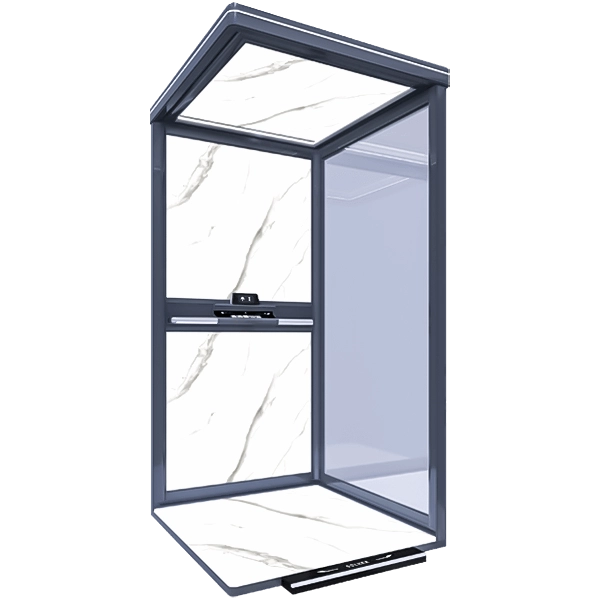
Sustainability and Energy Efficiency in Elevator for Home Design
Maintenance Checklist for Luxury Residential Elevators
Product
Can it be customized as required?
Yes.
How long is the production date required?
Under normal circumstances, the production time is 35 to 45 days.
How to install an elevator and what is the warranty?
We have overseas technicians who are at your service 24 hours a day, 365 days a year.
Customize
Do I need architectural drawings to start customization?
Not required initially. We can start with basic dimensions or photos and assist with full planning.
Is customization available for both indoor and outdoor elevators?
Yes. All custom options apply to indoor and weatherproof outdoor models.
Minimalist design high-end and elegant villa home elevator Model-S
The Model-S is a home villa elevator in the Italian minimalist style. It features the most advanced elevator technology and has comprehensive safety protection measures. It is the most reliable guarantee for your passage in villa homes.
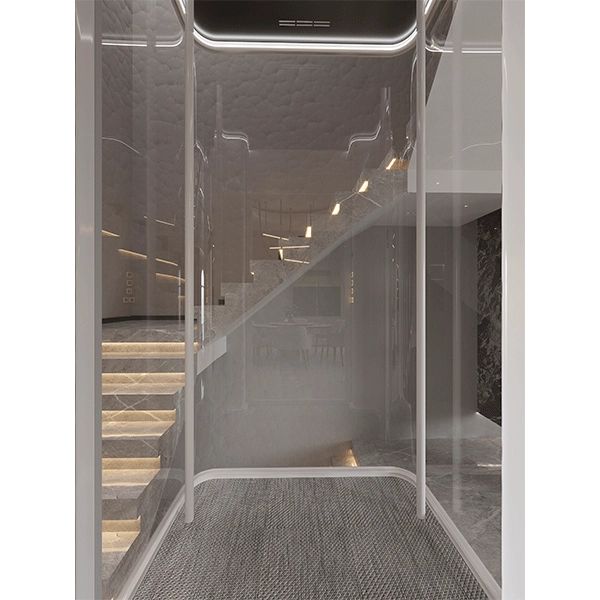
Simple and elegant villa home elevator Model-mini
The Model-Mini is a home villa elevator in the Italian minimalist style. It features the most advanced elevator technology and has comprehensive safety protection measures. It is the most reliable guarantee for your passage in villa homes
High-end and elegant villa home elevator Model-A
The Model A is a home villa elevator in the Italian minimalist style. It features the most advanced elevator technology and has comprehensive safety protection measures. It is the most reliable guarantee for your passage in villa homes.
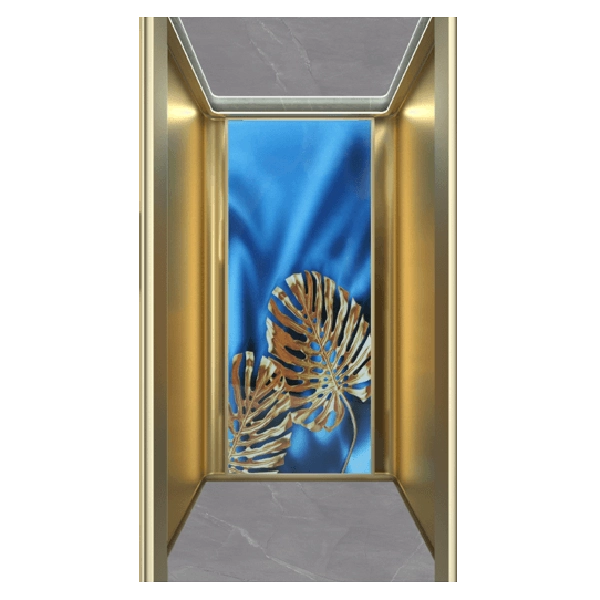
Minimalist design high-end and elegant villa home elevator Model-Q
The Model-Q is a home villa elevator in the Italian minimalist style. It features the most advanced elevator technology and has comprehensive safety protection measures. It is the most reliable guarantee for your passage in villa homes.
Let's get in touch
Email: lin@solkerelevator.com
Tel: +86 133 1668 7566
Address: Floor 1, Building D, Nanxin Industry International, Nancheng District, Dongguan, China.
 Taiwan, China
 No. 21, Lane 38, 206 Yingtai Road, Yingge District, New Taipei City
 +886 0975-299-830
 United Arab Emirates
Capital Mall, Abu Dhabi, United Arab Emirates, 3rd floor, Luxera elevator +971 52 541 4685 Ceo@maharacare.com
 Melbourne, Australia
 19/12 Natalia Av, Oakleigh South, VIC 3167
+61 1300 771 86 sales@goldenhomelifts.com.au
Sydney, Australia
U28/323 Chisholm Road, Auburn, NSW 2144
+61 1300 771 86 sales@goldenhomelifts.com.au
SOLKER
SOLKER