


Sustainability and Energy Efficiency in Elevator for Home Design
- Sustainability and Energy Efficiency in Elevator for Home Design
- Why choose an elevator for home with a sustainability focus?
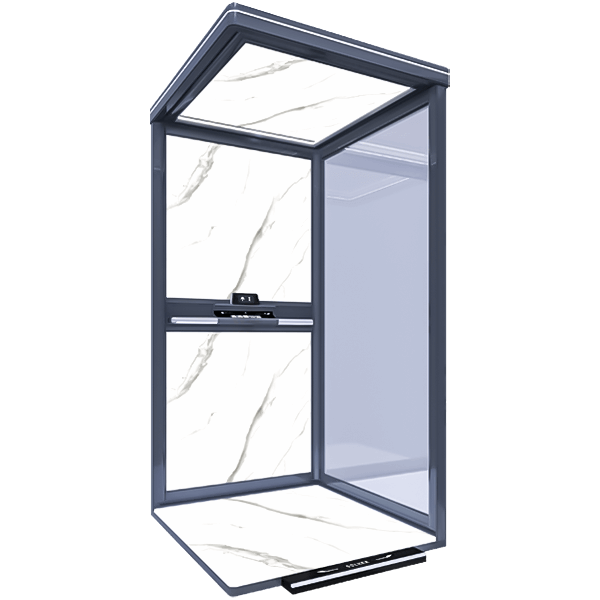
- Introducing the Minimalist design high-end and elegant villa home elevator Model-S as an elevator for home
- Core energy-efficiency technologies in an elevator for home
- Energy performance comparison: Model-S vs Typical elevator for home
- Designing a minimalist elevator for home that enhances efficiency
- Safety and reliability in an elevator for home
- Integration with home energy systems and smart home for an elevator for home
- Operational costs, maintenance and lifecycle benefits of a sustainable elevator for home
- Standards, certifications and verifying energy claims for an elevator for home
- Practical considerations when specifying an elevator for home (Model-S)
- Brand advantages: why choose Model-S as your elevator for home
- FAQ — Frequently asked questions about elevator for home and Model-S
- Next steps — contact and product viewing for your elevator for home
- Authoritative references and further reading
- References
- Legal and verification note
- Call to action
Sustainability and Energy Efficiency in Elevator for Home Design
Why choose an elevator for home with a sustainability focus?
Homeowners who select an elevator for home today are balancing comfort, aesthetics and long-term value. Sustainability and energy efficiency are no longer niche concerns — they influence operating costs, home resale value, and regulatory compliance. A truly sustainable elevator for home reduces electricity use, lowers maintenance-related waste, and integrates with a building’s passive and active energy systems. For villa homeowners seeking elegance and reduced environmental impact, choosing an energy-conscious solution increases comfort while reducing lifetime cost and footprint. Energy-efficient design choices must be executed efficiently on-site, which highlights the importance of a controlled installation timeline and project management for Model-S elevator.
Introducing the Minimalist design high-end and elegant villa home elevator Model-S as an elevator for home
The Model-S is a home villa elevator in the Italian minimalist style. It features the most advanced elevator technology and has comprehensive safety protection measures. It is the most reliable guarantee for your passage in villa homes.
Core energy-efficiency technologies in an elevator for home
Modern elevators for home use several proven technologies to minimize energy consumption without sacrificing performance or comfort. Key technologies include:
- Regenerative drives: Convert braking energy into reusable electricity, feeding it back to the building grid or reusing it for lighting and control systems.
- Permanent magnet synchronous motors (PMSMs): Higher efficiency across loads compared with traditional induction motors, especially in low-to-medium speed applications typical of residential use.
- Advanced standby and sleep modes: Intelligent control that reduces lighting, fan and controller power when the elevator is idle for a configurable period.
- LED lighting and low-power electronics: High-efficiency lighting and smart controls lower ancillary loads inside cars and in machine rooms.
- Optimized control algorithms: Minimize unnecessary starts/stops and reduce energy use through predictive and destination-dispatch strategies tailored for low-traffic residential patterns.
When these systems are combined in an elevator for home like the Model-S, you achieve measurable reductions in energy use while maintaining smooth, quiet operation appropriate for high-end villas.
Energy performance comparison: Model-S vs Typical elevator for home
Below is a concise comparison of estimated annual energy use and feature sets to help homeowners understand expected benefits. Values are representative estimates for a typical 3-floor villa with light usage (owner and family):
| Feature / Metric | Model-S (Minimalist high-end elevator for home) | Typical Residential Elevator for Home (Conventional) |
|---|---|---|
| Estimated annual energy use (kWh/year) | ~220 (estimated, optimized drive + regen) | ~500 (typical asynchronous motor, no regen) |
| Motor type | PMSM (high-efficiency) | Induction motor (older systems) |
| Standby power reduction | Advanced sleep modes (configurable) | Basic standby or none |
| Cabin lighting | LED with dimming | Halogen or basic LED |
| Regenerative braking | Yes (energy recovery) | No |
| Estimated annual CO2 equivalent (kg CO2e) | ~55 (based on 0.25 kg CO2/kWh grid average) | ~125 |
Notes: Estimates depend on local electricity carbon intensity and actual usage patterns. These figures demonstrate the relative potential savings a purpose-built elevator for home such as Model-S can offer.
Designing a minimalist elevator for home that enhances efficiency
Design choices influence energy use nearly as much as the drive technology. The Model-S follows Italian minimalist design principles that also support sustainability:
- Lightweight cabin materials: Reduce motor load and energy during acceleration. Using engineered aluminum, tempered glass and composite panels minimizes moving mass while achieving high-end finishes.
- Optimized door systems: Faster, quieter doors with soft motion reduce motor effort and shorten run times, lowering energy per trip.
- Natural light and glazing: Strategically placed glazing can reduce the need for cabin lighting during daytime, cutting ancillary energy use.
- Integrated controls: Centralized, low-power controllers with clear user interfaces reduce unnecessary button presses and idle time.
When aesthetic choices are aligned with performance goals, homeowners do not compromise luxury for sustainability.
Safety and reliability in an elevator for home
Sustainability must never compromise safety. The Model-S combines energy-efficient systems with comprehensive safety protections typical for a villa elevator for home applications, including: overspeed governors, emergency lowering systems, redundant braking, door interlocks and battery-backed lighting and communication for power loss situations. High-quality components extend service intervals and reduce waste from replacements — an important sustainability consideration.
Integration with home energy systems and smart home for an elevator for home
An energy-conscious elevator for home becomes more effective when integrated into the overall home energy ecosystem. Practical integrations include:
- Regenerative return to local loads: Use recovered energy to power lighting, HVAC controls or battery storage when the elevator feeds energy back.
- Smart scheduling: Coordinate elevator standby modes with occupancy sensors, enabling deeper sleep during predictable idle periods.
- Battery backup and microgrid compatibility: In homes with PV and storage, the elevator can operate during outages while drawing from renewables rather than the grid.
These integrations increase resilience and can further lower grid dependence, especially in regions with high renewable penetration.
Operational costs, maintenance and lifecycle benefits of a sustainable elevator for home
Evaluating total cost of ownership (TCO) is essential when comparing elevator options. Energy savings contribute directly to lower operating costs, while high-quality components and intelligent diagnostics reduce maintenance frequency and unplanned downtime. Typical lifecycle benefits of a sustainable elevator for home include:
- Lower annual electricity bills due to efficient drives and LED systems.
- Extended component lifetime thanks to gentler starts/stops and predictive maintenance.
- Reduced spare parts consumption and waste, aided by modular designs that simplify repairs.
Many homeowners recoup the differential cost of higher-specification sustainable elevators within the expected service life through combined energy savings and lower maintenance costs.
Standards, certifications and verifying energy claims for an elevator for home
Trustworthy products reference recognized standards and third-party certifications. For elevator for home systems, important references are:
- Safety standards such as EN 81 series (Europe) or ASME A17.1/CSA B44 (North America).
- Energy performance standards such as ISO 25745 (Energy performance of lifts) which provide measurement frameworks for elevator energy use.
- Building or green certifications (LEED, BREEAM) that may grant points for energy-efficient vertical transportation.
When evaluating suppliers, request documented test reports for energy consumption (per ISO 25745 or equivalent) and verified safety certificates. This is how you validate real-world performance of an elevator for home like the Model-S.
Practical considerations when specifying an elevator for home (Model-S)
To ensure your villa elevator for home meets expectations, follow these practical steps:
- Define use-case: occupancy, typical trips per day, and emergency power requirements.
- Request energy performance data and ask for site-specific estimates from the manufacturer.
- Plan early: allocate shaft and electrical capacity during architectural design to avoid retrofits that increase energy losses.
- Choose materials and finishes that balance the aesthetic brief with weight and maintenance needs.
- Confirm integration options with existing home automation or energy systems (PV, batteries).
For Model-S installations, our engineers provide sizing guidance, mockups, and energy impact analyses to inform architectural and electrical decisions early in the design phase.
Brand advantages: why choose Model-S as your elevator for home
The Model-S combines minimalist Italian design with advanced energy-saving engineering tailored for villa environments. Brand advantages include:
- Design-led minimalism: Elegant finishes that complement high-end interiors while reducing unnecessary material mass.
- Energy-focused engineering: PMSM motors, regenerative capabilities, and configurable sleep modes deliver measurable energy savings.
- Comprehensive safety: Full suite of protections and battery-backed emergency systems ensure trustworthy operation in residential settings.
- Service and lifecycle support: Predictive diagnostics and modular components reduce downtime and lifecycle environmental impact.
- Documentation and verification: Energy performance estimates, compliance paperwork, and installation guides support planners and homeowners.
Together, these attributes make Model-S a compelling elevator for home option for owners who prioritize elegance, efficiency and long-term value.
FAQ — Frequently asked questions about elevator for home and Model-S
Q: How much energy can I realistically save with an energy-efficient elevator for home like Model-S?
A: Savings vary with usage and grid carbon intensity. Typical reductions range from 30–60% in annual electricity use compared with older residential elevators, thanks to regenerative drives, efficient motors and standby modes.
Q: Is the Model-S compatible with home battery systems and solar panels?
A: Yes. Model-S supports integration with building energy systems to accept recovered energy and to operate from on-site storage during outages. Specific integration depends on your battery inverter and electrical design.
Q: Are regenerative drives safe for my villa’s electrical system?
A: When installed with proper power electronics and compliance to local electrical codes, regenerative systems are safe. They often include isolation and filtering to prevent disturbances to other house circuits. Always have a certified electrician or integrator manage the connection.
Q: What maintenance frequency should I expect for a Model-S elevator for home?
A: Routine inspections are typically semi-annual for residential elevators, with annual preventive maintenance. The Model-S’s predictive diagnostics can extend intervals and reduce unexpected trips.
Q: Will the minimalist design limit customization for my villa interior?
A: Model-S focuses on clean lines and High Quality material options. It supports a range of finishes and glazing configurations so you can customize details while preserving the energy-saving design choices.
Next steps — contact and product viewing for your elevator for home
If you’re considering an elevator for home installation and want a tailored estimate or a lifecycle energy analysis for the Model-S, contact our sales and technical team. We provide site assessment, 3D cabin mockups, and a detailed energy-performance projection for your property.
Contact: sales@villaelevator.com | Phone: +1-800-000-0000
Request a brochure or arrange an in-person demonstration. Our team can also produce an estimated operating cost and CO2 profile for your specific usage pattern.
Authoritative references and further reading
- Elevator (Wikipedia) — https://en.wikipedia.org/wiki/Elevator
- ISO 25745 — Energy performance of lifts (ISO) — https://www.iso.org/standard/53485.
- International Energy Agency — Energy Efficiency Reports — https://www.iea.org/reports/energy-efficiency
- European Commission — Energy Efficiency — https://energy.ec.europa.eu/topics/energy-efficiency_en
- U.S. Department of Energy — Building Technologies Office — https://www.energy.gov/eere/buildings/building-technologies-office
- LEED (U.S. Green Building Council) — https://www.usgbc.org/leed
References
For technical validation of energy performance claims, ask the manufacturer for ISO 25745-compliant test reports, safety certificates (EN 81 or ASME A17.1 where applicable), and site-specific estimates calibrated to local grid carbon intensity.
Legal and verification note
Energy and CO2 estimates in this article are illustrative and depend on local factors, usage patterns and specific installation configurations. For contractual procurement, obtain formal proposals and performance verification from certified providers.
Call to action
Ready to bring a sustainable, elegant elevator for home to your villa? Contact sales@villaelevator.com or call +1-800-000-0000 to request a customized Model-S proposal, energy analysis and showroom appointment.
Procurement Guide for Small Home Elevators: Model-Q for Villas
Comparing Drive Systems: Smooth Ride for Small Home Elevators
Top 10 design trends for outdoor home elevator installations
Home Elevator Safety Standards and Accessibility Best Practices
Product
How to install an elevator and what is the warranty?
We have overseas technicians who are at your service 24 hours a day, 365 days a year.
Can it be customized as required?
Yes.
Customize
Is customization available for both indoor and outdoor elevators?
Yes. All custom options apply to indoor and weatherproof outdoor models.
How does the customization process work?
Our design team will guide you through the steps: style selection, material choice, and 3D visualization before confirmation.
Can I choose specific materials or colors for the cabin?
Yes. We offer a wide range of premium materials and finishes — from stone to wood to glass.
Minimalist design high-end and elegant villa home elevator Model-S
The Model-S is a home villa elevator in the Italian minimalist style. It features the most advanced elevator technology and has comprehensive safety protection measures. It is the most reliable guarantee for your passage in villa homes.
Simple and elegant villa home elevator Model-mini
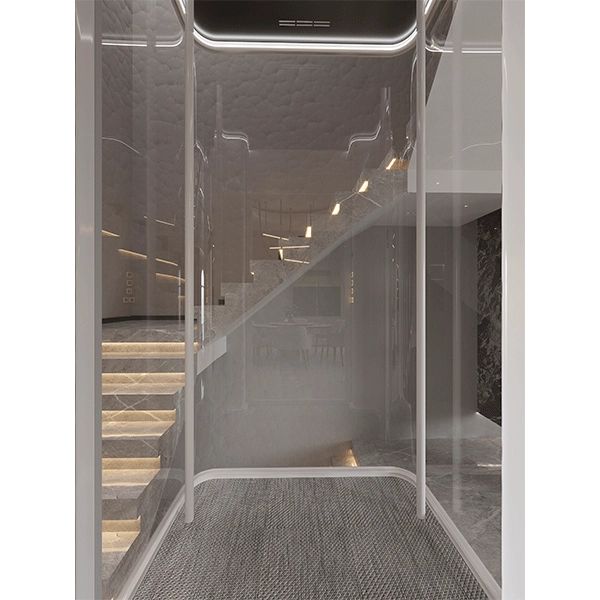
The Model-Mini is a home villa elevator in the Italian minimalist style. It features the most advanced elevator technology and has comprehensive safety protection measures. It is the most reliable guarantee for your passage in villa homes
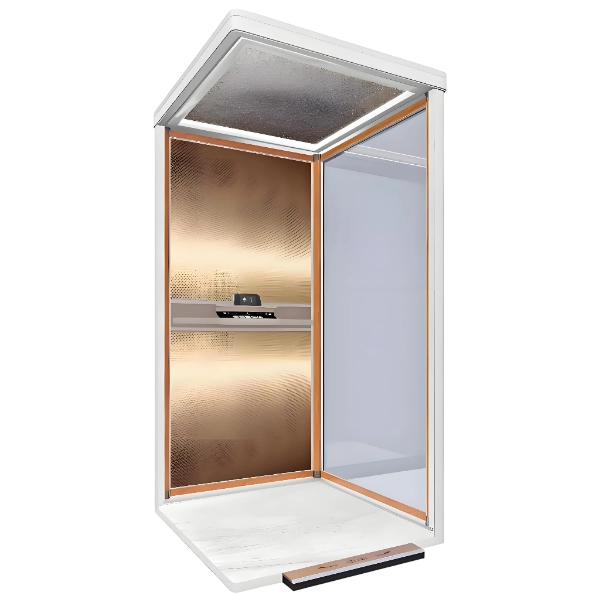
High-end and elegant villa home elevator Model-A
The Model A is a home villa elevator in the Italian minimalist style. It features the most advanced elevator technology and has comprehensive safety protection measures. It is the most reliable guarantee for your passage in villa homes.
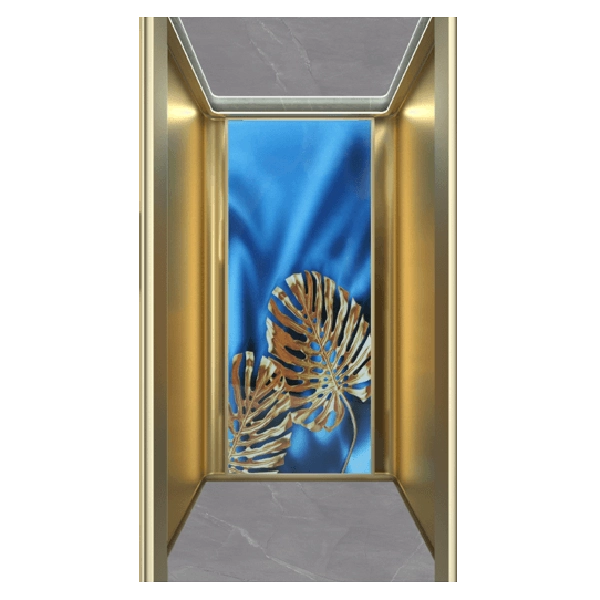
Minimalist design high-end and elegant villa home elevator Model-Q
The Model-Q is a home villa elevator in the Italian minimalist style. It features the most advanced elevator technology and has comprehensive safety protection measures. It is the most reliable guarantee for your passage in villa homes.
Let's get in touch
Email: lin@solkerelevator.com
Tel: +86 133 1668 7566
Address: Floor 1, Building D, Nanxin Industry International, Nancheng District, Dongguan, China.
 Taiwan, China
 No. 21, Lane 38, 206 Yingtai Road, Yingge District, New Taipei City
 +886 0975-299-830
 United Arab Emirates
Capital Mall, Abu Dhabi, United Arab Emirates, 3rd floor, Luxera elevator +971 52 541 4685 Ceo@maharacare.com
 Melbourne, Australia
 19/12 Natalia Av, Oakleigh South, VIC 3167
+61 1300 771 86 sales@goldenhomelifts.com.au
Sydney, Australia
U28/323 Chisholm Road, Auburn, NSW 2144
+61 1300 771 86 sales@goldenhomelifts.com.au
SOLKER
SOLKER