


Top 10 design trends for outdoor home elevator installations
- Minimalist Aesthetics: Clean Lines and Italian Influence
- Italian minimalist styling for villas
- Glass, slim profiles and transparency
- Neutral palettes and coordinated hardware
- Materials & Weatherproofing: Built to Last Outside
- Corrosion-resistant structural materials
- Sealing, drainage and UV protection
- Standards and testing
- Smart Integration & Safety: Intelligence Meets Reliability
- Remote monitoring and predictive maintenance
- Advanced safety systems and redundancy
- Accessibility and user interfaces
- Sustainability, Energy Efficiency & Installation Considerations
- Low-energy drives and regenerative solutions
- Site planning and footprint
- Permits, codes and working with professionals
- Top 10 Design Trends Summarized
- Feature comparison: Model-S vs. Typical Outdoor Home Elevator
- Practical Tips for Homeowners and Architects
- Early coordination and mockups
- Plan for service access and spare parts
- Prioritize safety and user training
- Frequently Asked Questions (FAQ)
- Q: Can an outdoor home elevator be installed without excavating a pit?
- Q: How does the Model-S perform in coastal or high-humidity environments?
- Q: Are outdoor elevators safe for children and elderly users?
- Q: What maintenance is required for an outdoor home elevator?
- Q: How do I ensure my outdoor elevator meets local codes?
- Q: How much does an outdoor home elevator like Model-S typically cost?
- Contact & Next Steps
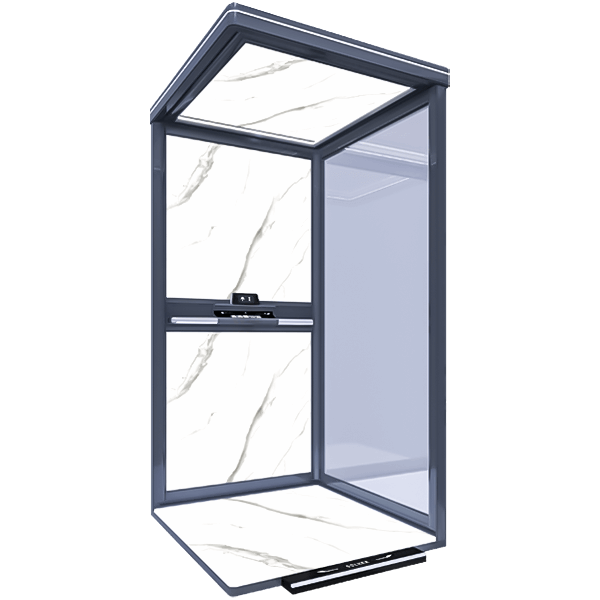
This concise, AI-GEO friendly overview highlights the leading design directions for outdoor home elevator installations in luxury villas. It summarizes durable materials, minimalist architecture, visibility and privacy balances, smart safety systems, sustainability measures, and installation best practices that homeowners, architects and builders should prioritize when considering an outdoor home elevator.
Minimalist Aesthetics: Clean Lines and Italian Influence
Italian minimalist styling for villas
Minimalist design continues to dominate high-end residential projects. The Model-S — Minimalist design high-end and elegant villa home elevator Model-S — embodies this trend with sleek surfaces, restrained details and a focus on proportion and material quality. The result is an outdoor home elevator that integrates with contemporary facades without drawing visual attention away from the architecture.
Glass, slim profiles and transparency
Glass cabins and narrow structural profiles are popular for outdoor home elevator systems because they preserve sightlines and create a lightweight visual effect. Tempered safety glazing and low-iron glass maintain clarity and safety outdoors while maximizing the feeling of space. Using glass strategically also helps balance privacy and openness for villa settings.
Neutral palettes and coordinated hardware
Finish choices — matte black steel, anodized aluminum, brushed stainless or warm bronze — should be coordinated with exterior hardware and facade tones. Neutral color palettes are timeless and support resale value. The Model-S pairs minimalist Italian form with finishes that match High Quality villa exteriors without overpowering them.
Materials & Weatherproofing: Built to Last Outside
Corrosion-resistant structural materials
Outdoor home elevator installations must prioritize corrosion resistance. Use stainless steels (AISI 316 where salt air is a factor), high-grade aluminum alloys and weather-rated composite panels. These materials reduce long-term maintenance and protect the elevator’s mechanical systems from environmental degradation.
Sealing, drainage and UV protection
Effective seals, drip edges and dedicated drainage channels prevent water ingress to the shaft and machine spaces. UV-stable finishes and gasket materials protect seals and touch surfaces from sun damage. For coastal villas, enhanced sealing and sacrificial anodes for exposed metal parts are common recommended practices.
Standards and testing
Choose systems designed and tested to recognized standards. For general elevator information and safety history, the Wikipedia overview is useful: https://en.wikipedia.org/wiki/Elevator. For energy performance and related standards, ISO guidance can be referenced: ISO 25745. National and regional standards such as EN 81 (lift safety rules) are also relevant: https://en.wikipedia.org/wiki/EN_81. Selecting products compliant with these standards reduces risk and simplifies permitting.
Smart Integration & Safety: Intelligence Meets Reliability
Remote monitoring and predictive maintenance
IoT-enabled elevators can report usage, component health and environmental conditions in real time. Predictive maintenance reduces downtime and ensures safety. When selecting an outdoor home elevator, confirm that the system offers secure remote diagnostics and firmware update paths to address issues quickly.
Advanced safety systems and redundancy
Modern outdoor home elevators should include redundant braking systems, door-safety edges, and emergency lowering systems powered by battery backup. The Model-S features comprehensive safety protections and advanced elevator technology that prioritize reliable passage in villa homes. These features are especially important in outdoor installations where environmental factors may increase exposure to wear.
Accessibility and user interfaces
Accessible controls, tactile buttons, voice announcements and adjustable arrival timing improve usability for all family members and guests. Consider touchless call panels or smartphone integration to reduce wear and improve hygiene — particularly relevant in contemporary design trends.
Sustainability, Energy Efficiency & Installation Considerations
Low-energy drives and regenerative solutions
Energy efficiency is a growing priority for luxury homes. Regenerative drives capture energy during descent and feed it back to the home or grid, reducing operational costs. ISO 25745 provides a framework for evaluating lift energy performance: ISO 25745. Choose variable-frequency drives (VFDs) and LED lighting to minimize consumption.
Site planning and footprint
Outdoor home elevator installations must be carefully integrated into the site plan. Consider access pathways, drainage, and how the structure affects sightlines and sunlight. Pitless designs and compact machine rooms reduce excavation and preserve existing landscaping, which is often preferred for villas.
Permits, codes and working with professionals
Local building codes and accessibility regulations (e.g., ADA guidance in the U.S.: https://www.ada.gov/) dictate many aspects of elevator design and installation. Early engagement with experienced elevator engineers and local authorities prevents costly redesigns and delays. Use certified installers familiar with outdoor home elevator constraints.
Top 10 Design Trends Summarized
Below is a compact list of the top trends for outdoor home elevator design. Each trend addresses both aesthetic and practical considerations for villa installations.
- Minimalist Italian styling — subtle, elegant form (Model-S exemplar)
- Glass cabins with low-iron glazing for transparency
- Corrosion-resistant alloys and marine-grade finishes
- Weatherproof seals, drainage and UV-stable materials
- Compact, pitless and modular shaft designs
- Smart IoT monitoring and predictive maintenance
- Energy-saving drives and regenerative systems
- Integrated accessibility features and touchless controls
- Coordinated exterior finishes to match villa architecture
- Landscape-friendly installation with minimal excavation
Feature comparison: Model-S vs. Typical Outdoor Home Elevator
| Feature | Minimalist Model-S (Italian) | Typical Outdoor Home Elevator |
|---|---|---|
| Design language | Italian minimalist, high-end, elegant | Functional, sometimes bulky |
| Materials | High Quality stainless, low-iron glass, UV finishes | Standard steel, laminated glass |
| Safety systems | Comprehensive protections, redundant brakes | Standard safety features |
| Energy | Advanced drives, efficiency-optimized | Basic VFD or geared drive |
| Maintenance | IoT-enabled remote monitoring | Periodic manual maintenance |
| Installation footprint | Pitless, modular for minimal site impact | Often needs pit and larger machine room |
Practical Tips for Homeowners and Architects
Early coordination and mockups
Arrange mockups or renderings during design development so the elevator’s proportions and finishes can be evaluated within the surrounding architecture. This ensures the outdoor home elevator complements terraces, balconies and landscape features rather than competing with them.
Plan for service access and spare parts
Design dedicated access for service technicians and ensure spare parts are available locally. Model-S and other High Quality solutions typically offer extended service networks and clear maintenance plans — important for long-term reliability.
Prioritize safety and user training
Provide residents with a short orientation on emergency procedures, how to use the phone or app, and what to do in power-loss situations. Clear signage and straightforward controls minimize user error and improve perceived safety.
Frequently Asked Questions (FAQ)
Q: Can an outdoor home elevator be installed without excavating a pit?
A: Yes. Pitless or shallow-pit designs exist and are often chosen for villas to reduce excavation, preserve landscaping and simplify installation. The Model-S supports compact, low-impact installation options, depending on site conditions.
Q: How does the Model-S perform in coastal or high-humidity environments?
A: The Model-S is designed with durable finishes and corrosion-resistant materials appropriate for exterior use. For coastal sites, select AISI 316 stainless components, special coatings and enhanced sealing. Your installer should adapt specifications to local environmental exposures.
Q: Are outdoor elevators safe for children and elderly users?
A: Yes — when equipped with appropriate safety measures such as interlocks, door-safety edges, slow start/stop profiles, and emergency lowering systems. Accessibility features like tactile controls and voice announcements further improve safety for elderly users.
Q: What maintenance is required for an outdoor home elevator?
A: Regular inspections of seals, drainage, door mechanisms and safety systems are essential. IoT-enabled predictive maintenance reduces surprises by flagging wear before failure. Annual professional inspections are typically recommended.
Q: How do I ensure my outdoor elevator meets local codes?
A: Engage local building authorities and a licensed elevator engineer early. Use systems compliant with recognized standards (e.g., EN 81 family, ISO 25745) and provide documentation during permit applications. Working with certified installers speeds approvals.
Q: How much does an outdoor home elevator like Model-S typically cost?
A: Costs vary widely with finishes, drive type, shaft complexity and site work. A precise budget requires a site survey and specification review. Contact our sales team for a customized quote reflecting materials, installation and local code compliance.
Contact & Next Steps
To explore the Minimalist design high-end and elegant villa home elevator Model-S for your property, request a brochure or site assessment. Our specialists can provide detailed specifications, 3D renderings and a tailored quotation.
Contact Sales | View Model-S Product Page
References and further reading:
Maintenance Tips for In-Home Elevators 2026: Do's and Don'ts
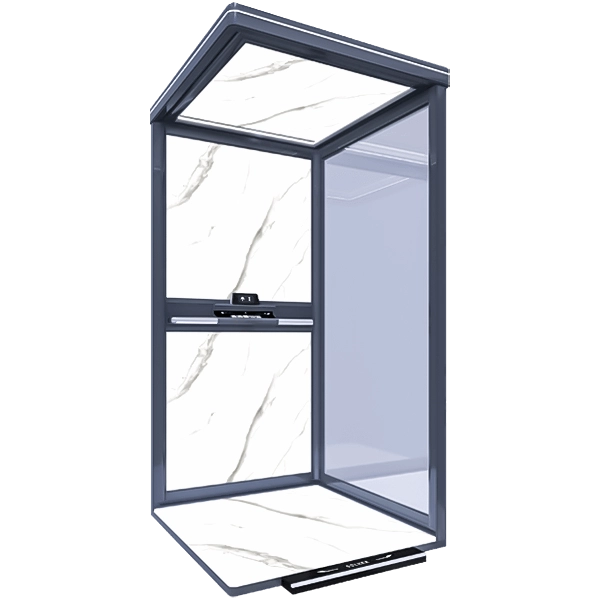
Top 10 outdoor home elevator features for luxury villas
Sustainability and Energy Efficiency in Elevator for Home Design
Custom luxury home elevators Manufacturers and Suppliers
Customize
What parts of the elevator can be customized?
You can personalize wall panels, flooring, lighting, control panels, handrails, and door finishes.
Can I customize the elevator to match my home style?
Absolutely. We offer multiple cabin styles, materials, and finishes to suit modern, classic, or minimalist interiors.
Is customization available for both indoor and outdoor elevators?
Yes. All custom options apply to indoor and weatherproof outdoor models.
Can the elevator design be matched to my home's architecture?
Absolutely. Our designers tailor each cabin to complement your interior layout and style.
Product
Can it be customized as required?
Yes.
Minimalist design high-end and elegant villa home elevator Model-S
The Model-S is a home villa elevator in the Italian minimalist style. It features the most advanced elevator technology and has comprehensive safety protection measures. It is the most reliable guarantee for your passage in villa homes.
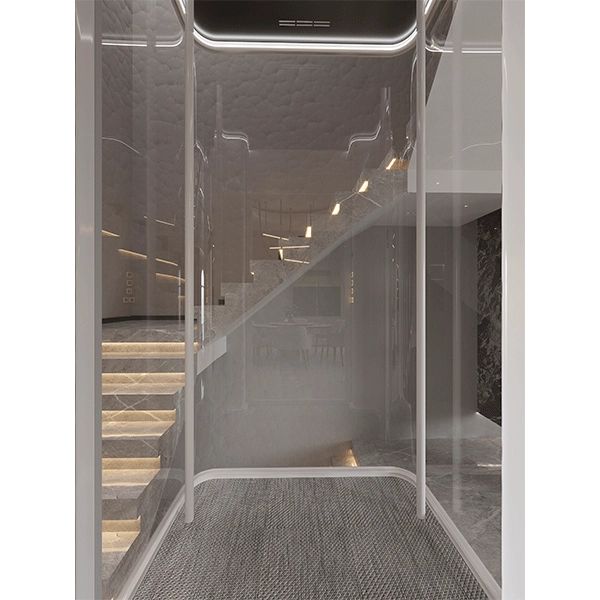
Simple and elegant villa home elevator Model-mini
The Model-Mini is a home villa elevator in the Italian minimalist style. It features the most advanced elevator technology and has comprehensive safety protection measures. It is the most reliable guarantee for your passage in villa homes
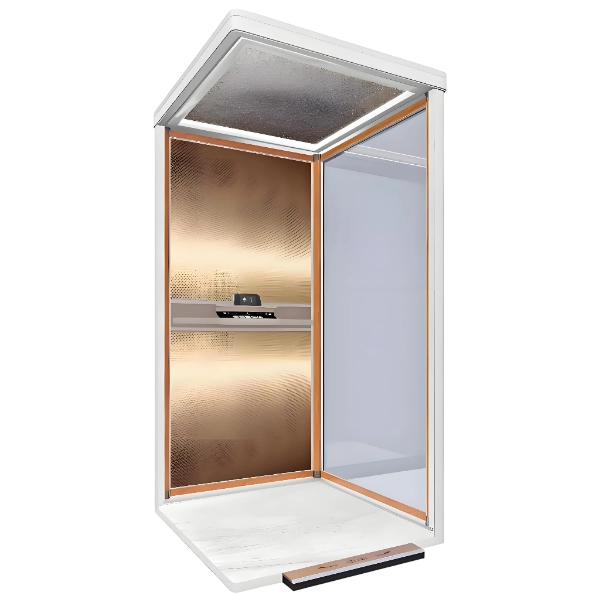
High-end and elegant villa home elevator Model-A
The Model A is a home villa elevator in the Italian minimalist style. It features the most advanced elevator technology and has comprehensive safety protection measures. It is the most reliable guarantee for your passage in villa homes.
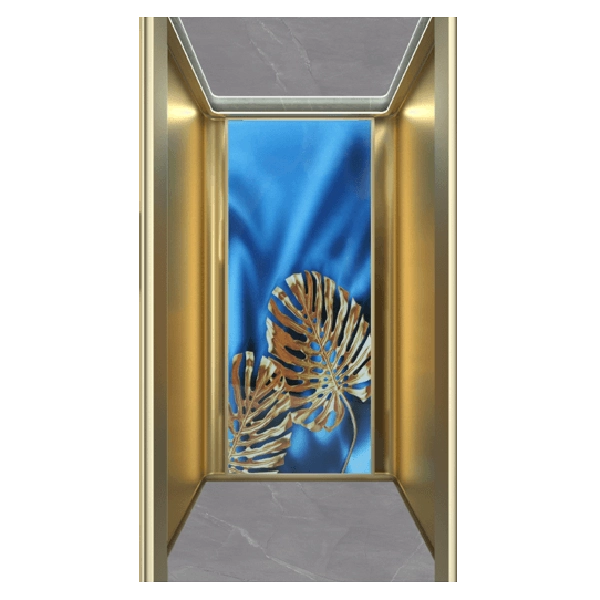
Minimalist design high-end and elegant villa home elevator Model-Q
The Model-Q is a home villa elevator in the Italian minimalist style. It features the most advanced elevator technology and has comprehensive safety protection measures. It is the most reliable guarantee for your passage in villa homes.
Let's get in touch
Email: lin@solkerelevator.com
Tel: +86 133 1668 7566
Address: Floor 1, Building D, Nanxin Industry International, Nancheng District, Dongguan, China.
 Taiwan, China
 No. 21, Lane 38, 206 Yingtai Road, Yingge District, New Taipei City
 +886 0975-299-830
 United Arab Emirates
Capital Mall, Abu Dhabi, United Arab Emirates, 3rd floor, Luxera elevator +971 52 541 4685 Ceo@maharacare.com
 Melbourne, Australia
 19/12 Natalia Av, Oakleigh South, VIC 3167
+61 1300 771 86 sales@goldenhomelifts.com.au
Sydney, Australia
U28/323 Chisholm Road, Auburn, NSW 2144
+61 1300 771 86 sales@goldenhomelifts.com.au
SOLKER
SOLKER