


Top 10 outdoor home elevator features for luxury villas
- Design & Aesthetics: Seamless Outdoor Integration
- Italian minimalist style and curb appeal
- Material choices for longevity and luxury
- Glass, lighting and transparency
- Durability & Performance: Weatherproofing and Reliability
- IP ratings, sealing and corrosion protection
- Drive systems, redundancy and backup power
- Maintenance accessibility and serviceability
- Safety, Accessibility & Compliance
- Comprehensive safety systems
- Universal access and aging-in-place
- Standards, codes and certifications
- Smart Features, Comfort & Value
- Remote monitoring, security and smart controls
- Energy efficiency and green features
- Customization, finishes and ROI
- Top 10 Features Checklist
- Feature comparison: Model-S vs Typical Outdoor Home Elevator
- Installation Considerations & Site Planning
- Site survey and structural requirements
- Permits, local codes and HOA considerations
- Seasonal operation and climate-specific tips
- Authoritative References & Best Practices
- FAQ — Frequently Asked Questions
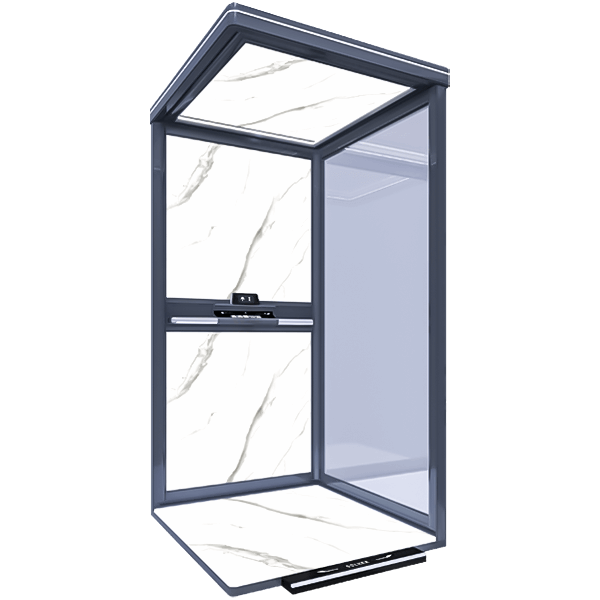
Outdoor home elevator solutions for luxury villas must balance aesthetics, durability, and code-compliant safety while responding to local climate and site conditions. Whether your villa sits on a Mediterranean coastline, in a tropical resort, or a mountainous estate, selecting an outdoor home elevator that blends Italian minimalist design with robust weatherproofing and smart controls ensures reliable year-round operation, upscale curb appeal, and long-term value. This guide explains the top 10 features to prioritize, how they solve real user problems, and why the Minimalist design high-end and elegant villa home elevator Model-S is often the ideal choice for discerning homeowners and architects.
The Model-S is a home villa elevator in the Italian minimalist style. It features the most advanced elevator technology and has comprehensive safety protection measures. It is the most reliable guarantee for your passage in villa homes.
Design & Aesthetics: Seamless Outdoor Integration
Italian minimalist style and curb appeal
Luxury villas demand an outdoor lift that complements architectural lines rather than overpowering them. The Model-S embraces an Italian minimalist approach—clean lines, restrained detailing and High Quality finishes—that integrates with stone facades, glass balustrades and landscaped terraces. For homeowners, this means the elevator becomes an intentional design element, preserving property value and visual harmony.
Material choices for longevity and luxury
Exterior elevators must use materials that resist corrosion, fading and staining. Typical high-end options include marine-grade stainless steel (AISI 316), architectural glass and powder-coated aluminum with Kynar® or similar finishes. These materials maintain a high-end appearance across years of exposure to sun, salt air, and humidity while reducing long-term refinishing costs.
Glass, lighting and transparency
Full-height glass panels or panoramic glazing create a sense of openness and connection to the landscape, making an exterior lift an experience rather than just transit. Integrated LED lighting (warm tones) and hidden fixtures provide safety at night while preserving a luxurious ambiance. For owners, this enhances usability and creates dramatic visual moments along elevation changes.
Durability & Performance: Weatherproofing and Reliability
IP ratings, sealing and corrosion protection
Outdoor home elevators require proven protection against rain, windborne particulates and humidity. Look for components and enclosures rated IP54 or higher for electrical and control cabinets, and electromechanical parts treated for salt-spray resistance. Proper sealing of door thresholds and pit drains prevents water ingress and reduces downtime.
Drive systems, redundancy and backup power
Modern traction drives with gearless motors or screw-driven systems optimized for low maintenance provide quiet, smooth travel ideal for villa settings. Backup options such as battery-operated emergency lowering and redundant braking systems ensure passenger safety during power loss—critical for remote estates or areas with unstable grids.
Maintenance accessibility and serviceability
Design choices that simplify routine inspection—modular components, remote diagnostics and easy-access maintenance panels—reduce service time and lifecycle costs. For homeowners, fewer site visits and predictable maintenance schedules translate to lower total cost of ownership.
Safety, Accessibility & Compliance
Comprehensive safety systems
Outdoor elevators must include multi-level safety measures: mechanical and electromagnetic brakes, overspeed governors, door interlocks, emergency communication, and obstruction detection. For villa owners, these systems not only protect users but also help satisfy insurance requirements and risk assessments.
Universal access and aging-in-place
An outdoor home elevator is a long-term accessibility solution for multigenerational living and aging-in-place strategies. ADA-inspired clearances, low-threshold door sills, smooth ramp transitions and simple controls (large tactile buttons, voice prompts) ensure guests and residents of all abilities can use the elevator comfortably. The World Health Organization emphasizes age-friendly design principles for built environments; aligning elevator features with these principles improves usability and resident independence (WHO — Ageing and health).
Standards, codes and certifications
Verify compliance with local and international elevator codes. Reference standards help ensure safety and reliability; for example, technical overviews and historical context are available on Wikipedia: Elevator. For engineering and code compliance, consult recognized organizations and standards such as ASME codes and ISO classifications; ASME provides industry norms relevant to lift safety and performance (ASME Codes & Standards), while the International Organization for Standardization lists relevant classification topics for lifts (ISO — Lifts (ICS 13.220)).
Smart Features, Comfort & Value
Remote monitoring, security and smart controls
IoT integration enables remote health monitoring, predictive maintenance alerts and secure remote locking/unlocking. Video intercoms and encrypted wireless connectivity make it easy to manage guest access without compromising luxury. Homeowners benefit from reduced downtime and fast technician response when diagnostics are available remotely.
Energy efficiency and green features
Regenerative drives, LED lighting, and low-power standby states reduce operating costs and environmental footprint. In many climates, heat recovery and insulation minimize HVAC interactions between elevator shaft and living spaces. For buyers focused on sustainability, these features increase resale appeal and may contribute to green building certification objectives.
Customization, finishes and ROI
Customization—car interiors, handrails, floor finishes and door treatments—lets you match the elevator to furniture and fixtures. While luxury customization increases initial cost, the aesthetic alignment and functional benefits often improve property valuation in high-end markets. The long-term return on investment includes enhanced accessibility, improved guest experience, and increased property desirability.
Top 10 Features Checklist
Summarized list of the most critical features luxury villa owners should require when specifying an outdoor home elevator:
- Weatherproof construction with IP-rated components and corrosion-resistant materials.
- Italian minimalist design and high-quality finishes (Model-S example).
- Advanced safety systems: emergency lowering, brakes, door interlocks.
- Regenerative or efficient drive systems with quiet, smooth operation.
- Glass panoramic options with integrated LED mood lighting.
- Remote monitoring and predictive maintenance capability.
- Accessibility features for aging-in-place (low thresholds, tactile controls).
- Energy-efficient lighting and standby modes.
- Compliance with local codes and international standards.
- Easy service access and documented maintenance plans.
Feature comparison: Model-S vs Typical Outdoor Home Elevator
| Feature | Minimalist design Model-S | Typical outdoor home elevator |
|---|---|---|
| Design style | Italian minimalist, high-end finishes | Functional, variety of finishes |
| Materials | Marine-grade stainless, architectural glass | Stainless/galvanized steel, standard glass |
| Weatherproofing | High IP ratings, sealed controls | Basic weatherproofing |
| Drive system | Quiet, low-vibration traction with regen | Hydraulic or basic traction |
| Smart features | Remote diagnostics, security integration | Limited connectivity |
| Accessibility | Designed for aging-in-place | Meets minimum code |
| Serviceability | Modular components, rapid access panels | Standard service access |
Installation Considerations & Site Planning
Site survey and structural requirements
Before specifying an outdoor home elevator, conduct a detailed site survey: evaluate foundation loads, pit depth, available headroom, wind exposure and proximity to landscaping. Structural reinforcements, such as pad foundations or anchored columns, may be required depending on local geotechnical conditions. Early coordination with architects and structural engineers avoids expensive change orders during installation.
Permits, local codes and HOA considerations
Permitting timelines vary—municipal building departments often require detailed drawings, load calculations and electrical plans. Homeowners associations (HOAs) may have aesthetic or placement rules. Start permitting early and prepare documentation that demonstrates compliance with both safety codes and local design guidelines.
Seasonal operation and climate-specific tips
Cold climates require anti-freeze door sills, heated pits and low-temperature lubricants. Coastal locations demand extra corrosion protection and sacrificial anodes. In tropical climates, ensure ventilation and UV-protected materials to reduce fading. Properly specified solutions will limit weather-related service calls and prolong component life.
Authoritative References & Best Practices
When researching outdoor home elevator installations, consult reputable sources for technical guidance and standards. General elevator background is available on Wikipedia. For engineering codes and safety practice, review materials from organizations such as ASME and ISO’s classifications for lifts (ISO — Lifts (ICS 13.220)). Industry associations like the National Association of Elevator Contractors (NAEC) provide contractor directories and installation guidance.
FAQ — Frequently Asked Questions
Q: Is an outdoor home elevator safe in bad weather?
A: Yes—when properly specified with IP-rated enclosures, sealed doors, and corrosion-resistant materials. Emergency power and redundant braking systems further ensure safety during storms or outages.
Q: How much maintenance does an outdoor villa elevator require?
A: Routine inspections every 6–12 months are typical, with preventive maintenance tasks (lubrication, seal checks, electrical diagnostics) scheduled annually. Remote monitoring can reduce emergency service needs by alerting technicians early.
Q: Can the Model-S be customized to match my villa’s interior?
A: Yes. The Model-S supports customization of cabin finishes, glass types, lighting, and control layouts while maintaining its Italian minimalist ethos. Customization should be planned early to align with architectural finishes.
Q: Do outdoor elevators require a pit?
A: Many outdoor home elevators need a shallow pit for door mechanics and leveling, but pitless solutions and low-pit options exist for retrofit scenarios. Site conditions and model selection determine the best approach.
Q: How do I ensure compliance with local codes?
A: Work with a licensed elevator contractor and your local building department early in the design process. Provide engineering drawings and specifications that reference recognized standards (ASME, ISO) for faster plan approval.
Want to see the Model-S in person or get a site evaluation? Contact our sales team to arrange a design consultation, request technical drawings, or schedule an on-site feasibility survey. View the product brochure and speak with a specialist to get a tailored installation plan that matches your villa’s architecture and local climate requirements.
References: Wikipedia: Elevator; ASME Codes & Standards: ASME; ISO Lifts classification: ISO — Lifts; WHO: Ageing and health; NAEC: National Association of Elevator Contractors.
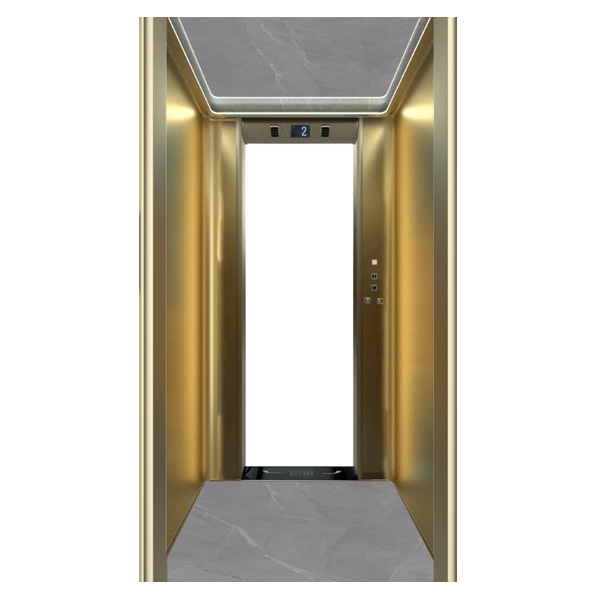
Value Added: How a Luxury Home Elevator Impacts Property Appeal
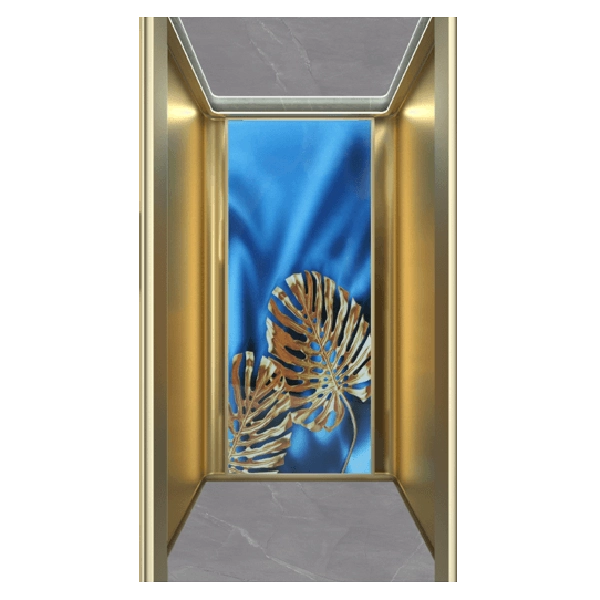
Logistics, Installation Planning and Lead Time for Model-Q
Emergency Power and Backup Systems for Home Elevators
Supplier Selection Checklist for High-End Villa Elevators
Customize
Can I choose specific materials or colors for the cabin?
Yes. We offer a wide range of premium materials and finishes — from stone to wood to glass.
How does the customization process work?
Our design team will guide you through the steps: style selection, material choice, and 3D visualization before confirmation.
Do I need architectural drawings to start customization?
Not required initially. We can start with basic dimensions or photos and assist with full planning.
Product
Can it be customized as required?
Yes.
How long is the production date required?
Under normal circumstances, the production time is 35 to 45 days.
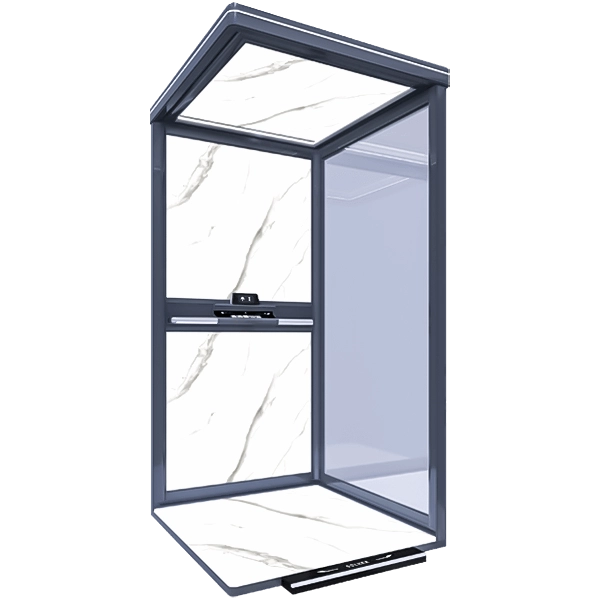
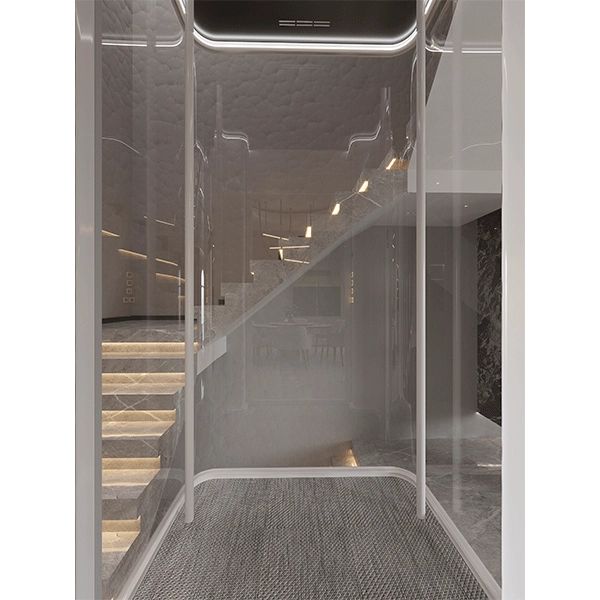
Minimalist design high-end and elegant villa home elevator Model-S
The Model-S is a home villa elevator in the Italian minimalist style. It features the most advanced elevator technology and has comprehensive safety protection measures. It is the most reliable guarantee for your passage in villa homes.
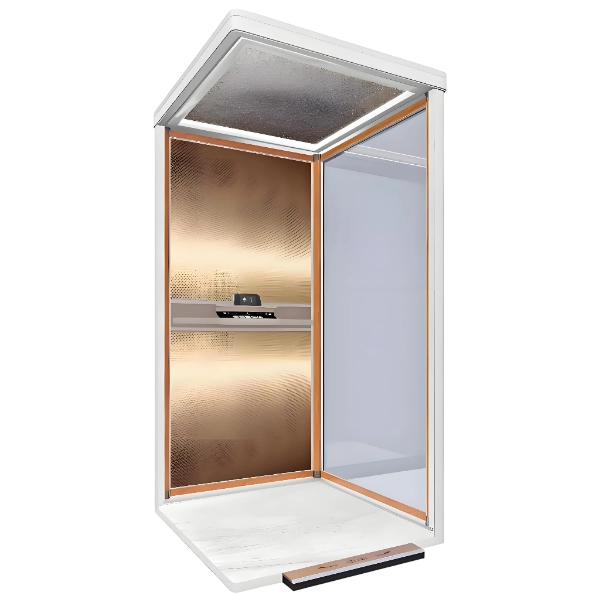
Simple and elegant villa home elevator Model-mini
The Model-Mini is a home villa elevator in the Italian minimalist style. It features the most advanced elevator technology and has comprehensive safety protection measures. It is the most reliable guarantee for your passage in villa homes
High-end and elegant villa home elevator Model-A
The Model A is a home villa elevator in the Italian minimalist style. It features the most advanced elevator technology and has comprehensive safety protection measures. It is the most reliable guarantee for your passage in villa homes.
Minimalist design high-end and elegant villa home elevator Model-Q
The Model-Q is a home villa elevator in the Italian minimalist style. It features the most advanced elevator technology and has comprehensive safety protection measures. It is the most reliable guarantee for your passage in villa homes.
Let's get in touch
Email: lin@solkerelevator.com
Tel: +86 133 1668 7566
Address: Floor 1, Building D, Nanxin Industry International, Nancheng District, Dongguan, China.
 Taiwan, China
 No. 21, Lane 38, 206 Yingtai Road, Yingge District, New Taipei City
 +886 0975-299-830
 United Arab Emirates
Capital Mall, Abu Dhabi, United Arab Emirates, 3rd floor, Luxera elevator +971 52 541 4685 Ceo@maharacare.com
 Melbourne, Australia
 19/12 Natalia Av, Oakleigh South, VIC 3167
+61 1300 771 86 sales@goldenhomelifts.com.au
Sydney, Australia
U28/323 Chisholm Road, Auburn, NSW 2144
+61 1300 771 86 sales@goldenhomelifts.com.au
SOLKER
SOLKER