


Installation Timeline and Project Management for Model-S Elevator
- Installation Timeline and Project Management for Model-S Elevator
- Overview: What the Minimalist design high-end and elegant villa home elevator Model-S offers as an elevator for home
- Why a clear installation timeline matters when choosing an elevator for home
- Phase 1 — Pre-installation planning and elevator for home requirements
- Phase 2 — Site survey and structural assessment for an elevator for home
- Phase 3 — Design, customization and procurement of parts for your elevator for home
- Phase 4 — Permits and compliance review for an elevator for home
- Phase 5 — On-site civil works and shaft preparation for Model-S elevator for home
- Phase 6 — Mechanical and electrical installation of your elevator for home
- Phase 7 — Testing, commissioning and safety certification for an elevator for home
- Phase 8 — Handover, training and warranty setup for elevator for home owners
- Phase 9 — Ongoing maintenance and lifecycle management for an elevator for home
- Typical overall timeline for a Model-S elevator for home
- Project management best practices for an elevator for home installation
- Risk management and common issues for Model-S elevator installations in villas
- Safety and compliance considerations for any elevator for home
- Quality assurance and testing specifics with Model-S as elevator for home
- Brand advantages: Why choose the Minimalist design high-end and elegant villa home elevator Model-S
- Cost and value considerations for installing an elevator for home
- Frequently Asked Questions (FAQ) about Model-S and elevator for home installation
- Contact and next steps — view product or request a site assessment
- Authoritative references and further reading
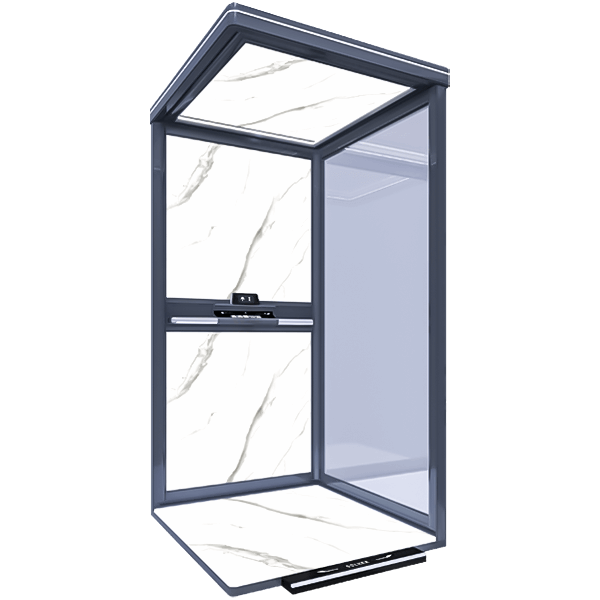
Installation Timeline and Project Management for Model-S Elevator
Overview: What the Minimalist design high-end and elegant villa home elevator Model-S offers as an elevator for home
The Model-S is a home villa elevator in the Italian minimalist style. It combines advanced drive and control technology with comprehensive safety features tailored for luxury residences. As an elevator for home, Model-S emphasizes quiet operation, compact shaft footprints, High Quality cabin finishes, and multiple safety redundancies to ensure reliable vertical mobility in villa environments. With installation completed on schedule, stakeholders can fully realize how Model-S villa home elevator enhances luxury property value, closing the loop from planning to premium asset appreciation.
Why a clear installation timeline matters when choosing an elevator for home
Homeowners and project managers need an accurate installation timeline to coordinate contractors, obtain permits, plan structural works, and manage budget and occupancy schedules. An unrealistic timeline causes delays, cost overruns, and disruption to daily life. This guide provides a practical end-to-end timeline for the Model-S and describes project management best practices to ensure a smooth delivery.
Phase 1 — Pre-installation planning and elevator for home requirements
Purpose: Set project scope, budget, and constraints.
Key tasks: Define hoistway location, shaft type (open shaft, enclosed shaft, or glass shaft), travel distance, number of stops, load capacity, and aesthetic requirements for the Model-S cabin. Early decisions on finishes (flooring, wall panels, lighting) impact lead times and costs.
keyword: elevator for home must be considered at this stage to align features with residential needs like whisper-quiet operation, home automation integration, and minimal shaft intrusion.
Phase 2 — Site survey and structural assessment for an elevator for home
Purpose: Verify site feasibility and prepare technical documentation.
Activities: A certified engineer and the elevator provider visit the site to measure clearances, assess structural elements (foundations, supporting beams), and check mechanical room or machine-room-less (MRL) space if required. For older villas, the survey may reveal the need for reinforcing floors, adding a pit, or designing a custom shaft casing.
Deliverables: Detailed site report, drawings, and a structural reinforcement plan if needed. This step typically takes 3–7 days of on-site time and 1–2 weeks to produce full documentation depending on complexity.
Phase 3 — Design, customization and procurement of parts for your elevator for home
Purpose: Finalize elevator specifications and order components.
Activities include selecting cabin finishes, control panel design, door type, safety features (overload detection, emergency lowering, battery-backup lighting), and optional features like glass panels or smart-home integration. Model-S components often include MRL machine units, VVVF drives for smooth acceleration, and High Quality cabin fixtures.
Lead times: Standard Model-S configurations are often 6–10 weeks from order to factory readiness. Highly customized finishes or glass options can extend lead time up to 12–16 weeks.
Phase 4 — Permits and compliance review for an elevator for home
Purpose: Ensure legal compliance before structural changes begin.
Tasks: Submit drawings to local building authorities and, where applicable, comply with residential elevator codes such as ASME A18.1 (US) or local equivalents (EN standards in EU). Permit approvals may also require fire safety and electrical compliance checks.
Typical duration: 2–8 weeks depending on local jurisdiction. Early engagement with authorities and using pre-approved product documentation shortens this period.
Phase 5 — On-site civil works and shaft preparation for Model-S elevator for home
Purpose: Create or modify the shaft, pit, and overhead space to meet specifications.
Work scope: Concrete pit construction or modification, floor openings, shaft lining, structural beam reinforcement, and creating machine room or routing for MRL components and electrical systems. For villas, works are often phased to minimize disruption to the occupied residence.
Duration: 1–4 weeks, influenced by existing structure, need for demolition, and curing times for concrete.
Phase 6 — Mechanical and electrical installation of your elevator for home
Purpose: Install elevator mechanics, guide rails, cabin, doors, and control systems.
Sequence: Rails and counterweight (if applicable) installation, motor and drive mounting (often MRL on top of shaft), hoistway door frames, cabin assembly, and wiring of control panels, lighting and safety circuits. Skilled technicians follow manufacturer checklists to ensure alignment and clearances per specifications.
Duration: 1–3 weeks for standard installations; complex, multi-stop or customized installations may take longer.
Phase 7 — Testing, commissioning and safety certification for an elevator for home
Purpose: Verify safe, code-compliant operation.
Tests include: Static load tests, emergency braking tests, door interlock tests, safety circuit checks, leveling accuracy, ride quality verification, and emergency lowering scenarios. A certified inspector (often an independent third party or local authority inspector) performs final acceptance tests and issues compliance certificates.
Duration: Testing and commissioning typically require 2–5 working days. Scheduling inspector visits in advance reduces delays.
Phase 8 — Handover, training and warranty setup for elevator for home owners
Purpose: Transfer operation knowledge and documentation to the homeowner.
Includes: Operational training for homeowners and household staff, delivery of maintenance manuals, emergency procedures, warranty registration, and an agreed maintenance schedule. Model-S handover emphasizes user-friendly controls and safety features pertinent for family settings.
Duration: 1 day for training and handover documentation.
Phase 9 — Ongoing maintenance and lifecycle management for an elevator for home
Purpose: Maintain safety, performance and asset value.
Recommendations: Scheduled preventive maintenance every 3–6 months for residential applications, remote monitoring where available, and annual safety inspections by qualified technicians. Proper maintenance extends lifespan and reduces disruptive emergency repairs.
Typical overall timeline for a Model-S elevator for home
Below is a comparison table showing typical durations for each stage. Use this as a planning baseline; actual times vary by project complexity and local processes.
| Stage | Typical Duration | Notes |
|---|---|---|
| Pre-installation planning | 1–2 weeks | Budgeting and scope |
| Site survey & structural assessment | 1–2 weeks | Depends on structural complexity |
| Design & procurement | 6–12 weeks | Customization extends lead time |
| Permits | 2–8 weeks | Local authority dependent |
| Civil & shaft works | 1–4 weeks | Concrete curing or reinforcement tasks |
| Mechanical & electrical installation | 1–3 weeks | Alignment and precise assembly |
| Testing & commissioning | 2–5 days | Includes inspector acceptance |
| Handover & training | 1 day | Owner orientation |
Project management best practices for an elevator for home installation
1) Single point of accountability: Assign a dedicated project manager from the elevator provider to coordinate suppliers, civil contractors, and inspectors.
2) Clear milestones: Use the table above to define milestones and acceptance criteria at each stage.
3) Document control: Keep all drawings, permits, and test certificates in a single project folder accessible to stakeholders.
4) Communication plan: Weekly status updates during procurement and installation phases reduce misunderstandings and accelerate approvals.
Risk management and common issues for Model-S elevator installations in villas
Common risks: Unexpected structural reinforcement, delayed permits, long lead times for specialty finishes, and access limitations for machinery. Mitigation: Early structural survey, pre-submission meetings with local authorities, and ordering long-lead items at the design stage.
Safety and compliance considerations for any elevator for home
Residential elevators must meet relevant codes and standards for safe operation. Common requirements include emergency lowering, battery-backed lighting, door interlocks, overload protection, and clear instructions for emergency responders. Model-S adheres to modern residential elevator standards and can be supplied with documentation for local code compliance.
Quality assurance and testing specifics with Model-S as elevator for home
Model-S undergoes factory acceptance checks (when possible) and factory pre-tests of drives, control logic, and cabin fit-out. On-site tests verify leveling accuracy, door timing, and ride comfort suited to villa environments where quietness and smoothness are critical.
Brand advantages: Why choose the Minimalist design high-end and elegant villa home elevator Model-S
1) Design: Italian minimalist aesthetics integrate seamlessly into modern villas, reducing retrofit visual impact.
2) Technology: Uses advanced MRL drives and VVVF control for efficient, quiet operation ideal for homes.
3) Safety: Comprehensive safety protections tailored for residential contexts, including emergency backup systems.
4) Customization: Wide range of finishes and cabin options to match villa interiors.
5) Service network: Dedicated residential service and planned maintenance tailored to low-frequency, high-reliability home usage.
Cost and value considerations for installing an elevator for home
Initial costs include equipment, civil works, permits, and installation labor. While high-end Model-S options increase upfront cost, benefits include improved property value, accessibility, and long-term lower vibration/noise levels. A lifecycle cost analysis that includes maintenance and energy consumption offers the clearest measure of value.
Frequently Asked Questions (FAQ) about Model-S and elevator for home installation
Q1: How long does it take from order to operation?
A1: Typical projects take 10–20 weeks from order to handover depending on customization and local permit timelines. Standard configurations often complete near the lower end of that range.
Q2: Will the installation disrupt daily life in my villa?
A2: Civil and shaft works will cause some disruption. A phased work plan, dust control, and restricted working hours can minimize impact. Mechanical installation is generally less intrusive and completed quickly once the shaft is ready.
Q3: Do I need a machine room for Model-S?
A3: Model-S is available in MRL (machine-room-less) configurations suitable for villas, though some options may require a compact machine room or a small rooftop unit depending on travel and load.
Q4: What maintenance does a home elevator require?
A4: Preventive maintenance every 3–6 months is recommended, with annual safety inspections. Remote monitoring can further reduce response times for faults.
Q5: Can Model-S be integrated with home automation systems?
A5: Yes. Model-S supports integration options for smart-home controls and can be configured with access control or voice-command interfaces as required.
Contact and next steps — view product or request a site assessment
To discuss a tailored installation timeline for your villa or to schedule a site survey, contact our sales team or request a product brochure. We provide detailed project quotes, sample finish boards, and references from completed villa installations of Model-S — your reliable elevator for home solution.
Authoritative references and further reading
1) Elevator (Wikipedia): https://en.wikipedia.org/wiki/Elevator
2) ASME A18.1 Residential Elevators: https://www.asme.org/codes-standards/find-codes-standards/a18-1-residential-elevators
3) EN 81 - Safety rules for the construction and installation of lifts (overview on Wikipedia): https://en.wikipedia.org/wiki/EN_81
4) International Organization for Standardization (ISO): https://www.iso.org
5) Local building authority guidelines — check your municipality for specific permit requirements (example: UK Building Regulations or local municipality portals).
Contact our sales team today to get a tailored timeline and quote for the Minimalist design high-end and elegant villa home elevator Model-S. Request a site survey or view the Model-S product brochure to learn more about our elevator for home offerings.
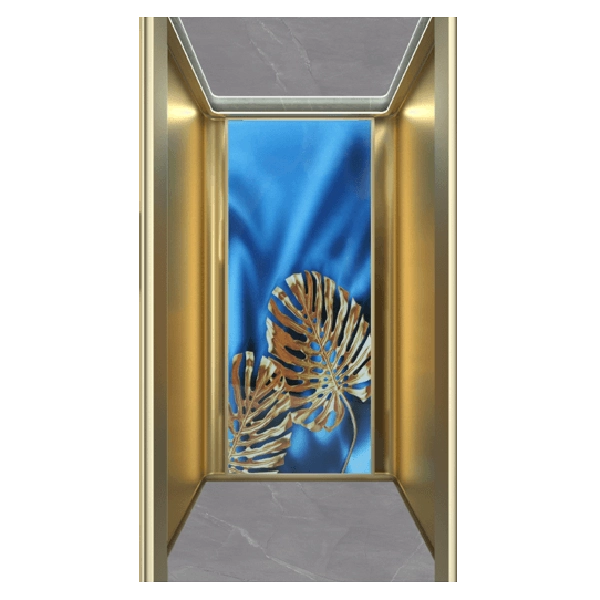
Specifying Model-Q: Technical Requirements for Villa Projects
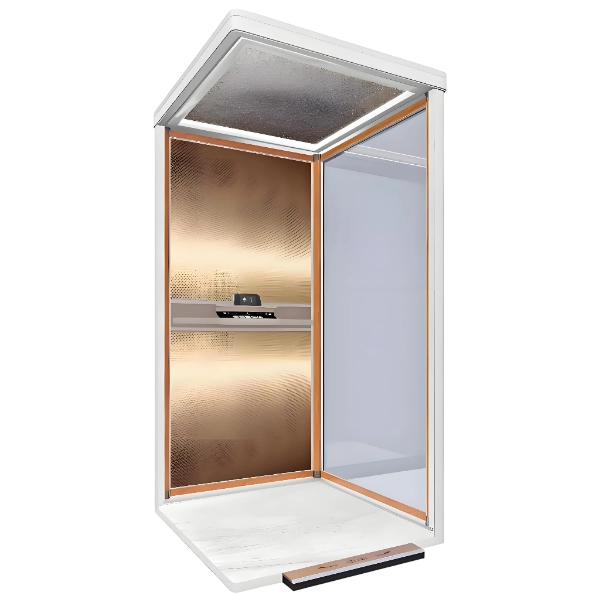
How a Luxury Elevator Enhances Villa Property Value and Appeal
Energy-Efficient Residential Elevators: Save on Power
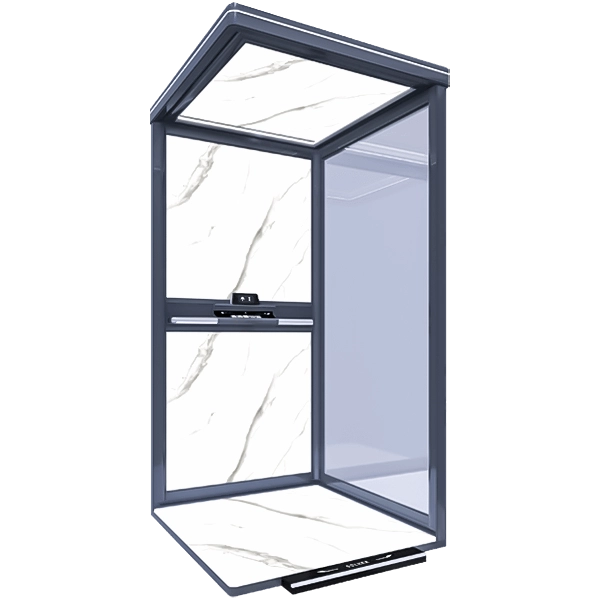
How Model-S Villa Home Elevator Enhances Luxury Property Value
Customize
Can I customize the elevator to match my home style?
Absolutely. We offer multiple cabin styles, materials, and finishes to suit modern, classic, or minimalist interiors.
Can I choose specific materials or colors for the cabin?
Yes. We offer a wide range of premium materials and finishes — from stone to wood to glass.
Can the elevator design be matched to my home's architecture?
Absolutely. Our designers tailor each cabin to complement your interior layout and style.
Product
How to install an elevator and what is the warranty?
We have overseas technicians who are at your service 24 hours a day, 365 days a year.
Can it be customized as required?
Yes.
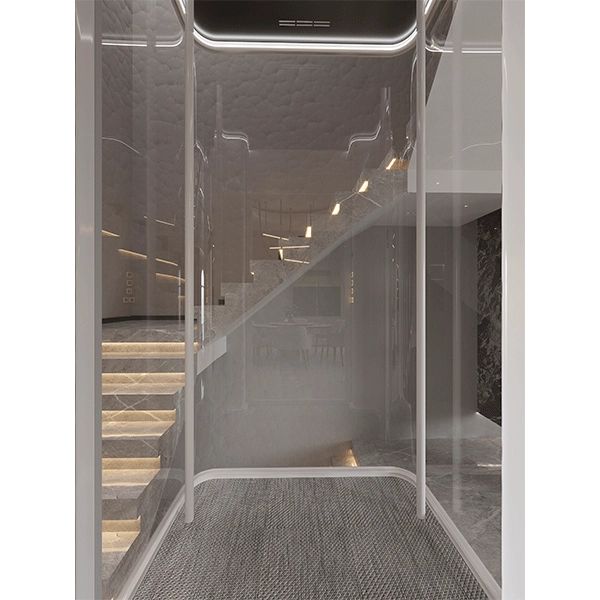
Minimalist design high-end and elegant villa home elevator Model-S
The Model-S is a home villa elevator in the Italian minimalist style. It features the most advanced elevator technology and has comprehensive safety protection measures. It is the most reliable guarantee for your passage in villa homes.
Simple and elegant villa home elevator Model-mini
The Model-Mini is a home villa elevator in the Italian minimalist style. It features the most advanced elevator technology and has comprehensive safety protection measures. It is the most reliable guarantee for your passage in villa homes
High-end and elegant villa home elevator Model-A
The Model A is a home villa elevator in the Italian minimalist style. It features the most advanced elevator technology and has comprehensive safety protection measures. It is the most reliable guarantee for your passage in villa homes.
Minimalist design high-end and elegant villa home elevator Model-Q
The Model-Q is a home villa elevator in the Italian minimalist style. It features the most advanced elevator technology and has comprehensive safety protection measures. It is the most reliable guarantee for your passage in villa homes.
Let's get in touch
Email: lin@solkerelevator.com
Tel: +86 133 1668 7566
Address: Floor 1, Building D, Nanxin Industry International, Nancheng District, Dongguan, China.
 Taiwan, China
 No. 21, Lane 38, 206 Yingtai Road, Yingge District, New Taipei City
 +886 0975-299-830
 United Arab Emirates
Capital Mall, Abu Dhabi, United Arab Emirates, 3rd floor, Luxera elevator +971 52 541 4685 Ceo@maharacare.com
 Melbourne, Australia
 19/12 Natalia Av, Oakleigh South, VIC 3167
+61 1300 771 86 sales@goldenhomelifts.com.au
Sydney, Australia
U28/323 Chisholm Road, Auburn, NSW 2144
+61 1300 771 86 sales@goldenhomelifts.com.au
SOLKER
SOLKER