


Specifying Model-Q: Technical Requirements for Villa Projects
- Specifying Model-Q: Technical Requirements for Villa Projects
- Introduction: Why a dedicated small home elevator specification matters
- Product overview: Minimalist design high-end and elegant villa home elevator Model-Q
- Project prerequisites and site survey for a small home elevator
- Shaft, pit and headroom requirements for Model-Q small home elevator
- Car size, door types and load capacity: matching function to villa needs
- Speed, travel and control strategy for villa projects
- Power, electrical and emergency systems for Model-Q
- Safety systems, compliance and codes for villa elevators
- Accessibility and controls: designing a usable small home elevator
- Acoustics, vibration and ride quality for a luxury villa home elevator
- Energy efficiency and sustainability
- Installation, lead times and on-site coordination
- Maintenance, service access and warranties for Model-Q small home elevator
- Finishes, materials and customization for a villa small home elevator
- Comparison: Model-Q versus typical small home elevator options
- Brand advantages: Why choose Model-Q for villa projects
- FAQ — Common questions when specifying a small home elevator
- Q: What are the minimum shaft dimensions I need for Model-Q?
- Q: Does Model-Q require a machine room?
- Q: Can Model-Q be wheelchair accessible?
- Q: What is the typical power supply for a villa installation?
- Q: How noisy is Model-Q during operation?
- Q: What certifications and standards does Model-Q comply with?
- Next steps: How to proceed with specifying Model-Q on your project
- Contact and view product
- Authoritative references and further reading
- Contact CTA
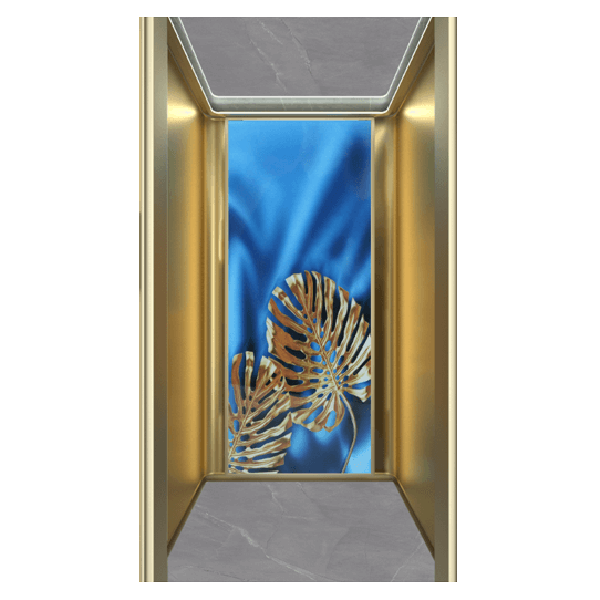
Specifying Model-Q: Technical Requirements for Villa Projects
Introduction: Why a dedicated small home elevator specification matters
When planning a villa, the choice of a small home elevator is both an architectural decision and an engineering one. Proper specification prevents costly rework, ensures user safety and preserves the villa's design intent. This article explains the technical requirements you need to specify Model-Q — the Minimalist design high-end and elegant villa home elevator Model-Q — for villa projects, in clear, actionable terms for architects, MEP consultants and project managers.
Product overview: Minimalist design high-end and elegant villa home elevator Model-Q
This section includes the official product introduction for quick reference:
The Model-Q is a home villa elevator in the Italian minimalist style. It features the most advanced elevator technology and has comprehensive safety protection measures. It is the most reliable guarantee for your passage in villa homes.
The Model-Q is designed as a High Quality small home elevator for villas where aesthetics, comfort and safety are equally important. Below are the technical areas to confirm early in the project.
Project prerequisites and site survey for a small home elevator
Before finalizing Model-Q specifications, conduct a site survey to confirm structural capacity, shaft location, floor-to-floor heights and available utility connections. Key measurements to collect are pit depth, overhead (headroom), travel distance, and wall/shaft clearances. Also document nearby mechanical rooms for control equipment or machine roomless options. Early survey data avoids clashes with architectural finishes and reduces installation time.
Shaft, pit and headroom requirements for Model-Q small home elevator
Model-Q supports machine-roomless (MRL) configurations optimized for villas. Typical items to specify:
- Pit depth: specify minimum and recommended depths depending on final door type (standard: 150–350 mm minimum; confirm with supplier site-specific drawings).
- Headroom: minimum clear headroom from finished floor of top landing to underside of structure (typical range 2600–3200 mm depending on travel and door arrangement).
- Shaft clearances: allow for guide rails, counterweights (if applicable) and service access. For tight designs intended as a small home elevator, the Model-Q offers compact guide packages that reduce shaft width requirements — but always verify with factory shop drawings.
In short, always request the Model-Q dimensional package early and lock shaft dimensions into the architectural drawings.
Car size, door types and load capacity: matching function to villa needs
Decide on the primary use: passenger only, passenger with occasional furniture, or wheelchair access. For a small home elevator the common configurations are:
- Rated load 250–400 kg for 2–4 persons (space-efficient and typical for villa use).
- Car dimensions can be compact (e.g., 700x900 mm clear inside) up to wheelchair-capable sizes (e.g., 1100x1400 mm) — Model-Q supports a range of car finishes and sizes to match required capacity.
- Door types: single-side swing, center-opening sliding, or collapsible doors; sliding doors are preferred for accessible designs and require less shaft clearance.
When specifying Model-Q as a small home elevator, balance the desired interior finish against the available shaft envelope.
Speed, travel and control strategy for villa projects
Typical travel speeds for luxury villa elevators are between 0.15 m/s and 0.6 m/s. For short rises common in villas (one to three floors), lower speeds (0.15–0.4 m/s) prioritize smoothness and comfort. Specify the control mode:
- Simple single-call systems for home use (call button at landings and in-car controls).
- Advanced logic with memory position, priority calling and integrated home automation interfaces for luxury projects.
Model-Q's variable frequency drive (VFD) enables soft start/stop which improves ride quality in a small home elevator context.
Power, electrical and emergency systems for Model-Q
Confirm electrical supply early. Typical requirements for a modern small home elevator like Model-Q:
- Power supply: single-phase or three-phase options depending on motor specification; many villa installations can use single-phase 230 VAC for MRL units.
- Dedicated circuit and emergency shut-off in the electrical distribution board.
- Emergency lowering: battery backup or mechanical emergency lowering for rescues during power failure; confirm local code requirements.
- Fire detection and interface: specify if the lift must interface with the building fire alarm system or have automatic recall in fire mode.
Safety systems, compliance and codes for villa elevators
Safety is critical. For Model-Q installations, require compliance with the relevant national and international standards for passenger lifts. Typical items to specify and verify:
- Overspeed governor and safety gear or equivalent safety braking device.
- Overload detection and in-car signage specifying rated capacity.
- Door safety edges or light curtains to prevent door closure on occupants.
- Emergency alarm, telephone or GSM-based alarm module for remote rescue.
- Compliance with local building codes and standards such as ASME A17.1/CSA B44 (North America), EN 81 series (Europe), and the EU Lifts Directive 2014/33/EU where applicable.
Always request factory-certificates of conformity for Model-Q and have the installer provide a final certificate after commissioning.
Accessibility and controls: designing a usable small home elevator
Specify intuitive, accessible controls for villa occupants of all ages. Recommended features for Model-Q are:
- Low-mounted car controls and illuminated tactile buttons for visually impaired users.
- Voice announcements and floor indicator for convenience.
- Remote call and home automation integration for concierge-style operation.
For wheelchair access, ensure car size and door clearances meet applicable accessibility requirements. Model-Q can be specified to meet those needs while maintaining a minimalist aesthetic.
Acoustics, vibration and ride quality for a luxury villa home elevator
In villas, occupants expect quiet performance. Specify the following to achieve high ride quality with Model-Q:
- VFD-controlled drive to reduce noise from starts/stops.
- Rubber or elastomeric rail dampers and soft guide shoes to reduce vibration transmission to adjacent rooms.
- Acoustic insulation at pit and top levels where the elevator meets structure.
Request sound level data (dB(A)) from the manufacturer under typical operating conditions when comparing small home elevator options.
Energy efficiency and sustainability
Model-Q offers energy-saving features relevant to sustainable villa projects. When specifying, consider:
- Regenerative drives that feed energy back to building supply during braking.
- LED car lighting and standby modes to reduce idle power consumption.
- Materials and finishes with low volatile organic compounds (VOCs) for indoor air quality.
Ask the manufacturer for ISO or energy-standard compliance and expected annual energy use data for life-cycle assessment.
Installation, lead times and on-site coordination
Define installation milestones and responsibilities in the contract. For Model-Q installations in villa projects, typical considerations include:
- Lead time: factory build and delivery schedules may range from 6–16 weeks depending on customization and regulatory inspections.
- Site readiness: shaft prepared to final finishes, power provisioned and structural anchors available before equipment arrival.
- Commissioning: allow time for factory-trained technicians to commission and for local authority inspections where required.
Clear roles between contractor, elevator supplier and architect prevent delays; include inspection and test checklists in project documents.
Maintenance, service access and warranties for Model-Q small home elevator
Specify a maintenance contract to protect performance and warranty. Typical items:
- Preventive maintenance frequency (commonly every 3–6 months for residential elevators depending on usage).
- Clear service access to key components (control panel, drive, door operators) without damaging finishes.
- Warranty terms: parts, labor, and major components (motor, control, drive) for a specified period (often 12–36 months) with extended options.
Model-Q is supplied with a factory service plan option; ensure local authorized technicians are available in the project region.
Finishes, materials and customization for a villa small home elevator
One of the Model-Q strengths is its Italian minimalist finish options. When specifying finishes, document materials and tolerances in the project drawings:
- Interior wall panels: wood veneer, stainless steel, glass, or plasterboard with paint. Specify fixings and reveal details to avoid finish damage during installation.
- Flooring: stone, tile or wood threshold details and transitions to landing floors.
- Lighting: indirect LED cove lighting for a High Quality feel and reduced glare.
Provide finish samples to the elevator supplier early to ensure consistent color and material matching.
Comparison: Model-Q versus typical small home elevator options
Use the table below to quickly compare the Model-Q against two common categories: generic small home elevator and low-cost platform lifts.
| Feature | Model-Q (Minimalist villa elevator) | Generic small home elevator | Low-cost platform lift |
|---|---|---|---|
| Design intent | High-end, Italian minimalist aesthetic | Functional residential finish | Utility-focused, limited finishes |
| Load / Car size | 250–400 kg; customizable car sizes | 200–350 kg; limited car sizes | 150–250 kg; small platform only |
| Safety & standards | Full compliance options, advanced safety systems | Compliant to basic residential standards | May not meet full passenger lift standards |
| Ride quality | VFD drive, low vibration, quiet | Acceptable ride, varying quality | Slower, noisier, more vibration |
| Customization | High level – finishes, controls, smart integration | Limited finishes, fewer options | Very limited |
| Typical cost | High Quality (reflects design & features) | Mid-range | Low initial cost, higher long-term limitations |
Brand advantages: Why choose Model-Q for villa projects
When you specify Model-Q as your small home elevator, key advantages to highlight in tender documents and client presentations include:
- Design cohesion: Italian minimalist aesthetics that integrate with high-end villa interiors.
- Advanced technology: VFD drives, modern control electronics and optional smart-home integration for convenience.
- Comprehensive safety: Factory-fitted safety features and compliance support to meet regional codes.
- Customization and service: Multiple finish choices and authorized local service partners for maintenance and warranty support.
These features make Model-Q a strong choice where appearance and occupant experience matter as much as code compliance.
FAQ — Common questions when specifying a small home elevator
Q: What are the minimum shaft dimensions I need for Model-Q?
A: Minimum shaft dimensions depend on the chosen car size and door type. Compact configurations for small home elevator use can fit into tighter shafts than commercial lifts, but you should request the factory dimensional package for the selected car/door configuration early in design. Typical minimum widths may start around 900–1000 mm for compact cars.
Q: Does Model-Q require a machine room?
A: Model-Q is available in machine-roomless (MRL) configurations, which are common in villa projects to preserve usable space. Depending on customized options, a small control cabinet may be required in an adjacent space or an internal machine pocket can be used.
Q: Can Model-Q be wheelchair accessible?
A: Yes. Specifying a wheelchair-accessible small home elevator requires a larger car and appropriate door clearances. Model-Q can be configured to meet accessibility requirements — confirm dimensions and local accessibility codes when ordering.
Q: What is the typical power supply for a villa installation?
A: Many Model-Q installations are compatible with single-phase 230 VAC supplies intended for residential buildings. For higher loads or special options, three-phase power may be needed. Confirm with the supplier and your electrical engineer during schematic design.
Q: How noisy is Model-Q during operation?
A: Model-Q uses VFD control and acoustic measures to ensure quiet operation suitable for villa environments. Request measured sound level data from the manufacturer for the specified configuration to set expectations for adjacent rooms.
Q: What certifications and standards does Model-Q comply with?
A: Model-Q can be supplied to meet relevant national standards (e.g., ASME A17.1 / CSA B44 in North America, EN 81 series in Europe) and the EU Lifts Directive where applicable. Always ask for the factory conformity documentation specific to your installation.
Next steps: How to proceed with specifying Model-Q on your project
1) Request Model-Q preliminary dimensional and technical data for the specific configuration you need (car size, doors, finishes). 2) Share site survey data (pit, headroom, travel) with the supplier. 3) Confirm electrical and fire interface requirements with your MEP engineer. 4) Include maintenance and commissioning in contract scope. Our team can provide full shop drawings and code compliance documentation to streamline approvals.
Contact and view product
If you would like detailed specifications, shop drawings or a quotation for Model-Q as a small home elevator in your villa project, please contact our sales engineers or request an in-person demonstration. We provide consultations to align elevator performance, finishes and systems integration with your architectural intent.
Authoritative references and further reading
The following authoritative sources were used to compile guidance and to ensure conformity with standard elevator practices:
- ASME A17.1 Safety Code for Elevators and Escalators — ASME: https://www.asme.org/codes-standards/find-codes-standards/a17-1
- EN 81 series (safety rules for the construction and installation of lifts) — overview: https://en.wikipedia.org/wiki/EN_81
- EU Lifts Directive 2014/33/EU — Official text: https://eur-lex.europa.eu/eli/dir/2014/33/oj
- Elevator (lift) general information — Wikipedia: https://en.wikipedia.org/wiki/Elevator
- ISO 25745 — Energy performance of lifts: https://www.iso.org/standard/67779.
Contact CTA
After defining technical parameters, project teams must confirm that the selected solution meets all compliance and safety standards for small villa elevators.To get Model-Q technical drawings, compliance certificates and a tailored quote for your villa project, contact our technical sales team or request a product brochure today.
Emergency Power and Backup Systems for Home Elevators
In-Home Elevator Types Compared 2026: Hydraulic, Pneumatic, Cable
Tips for buy villa lift
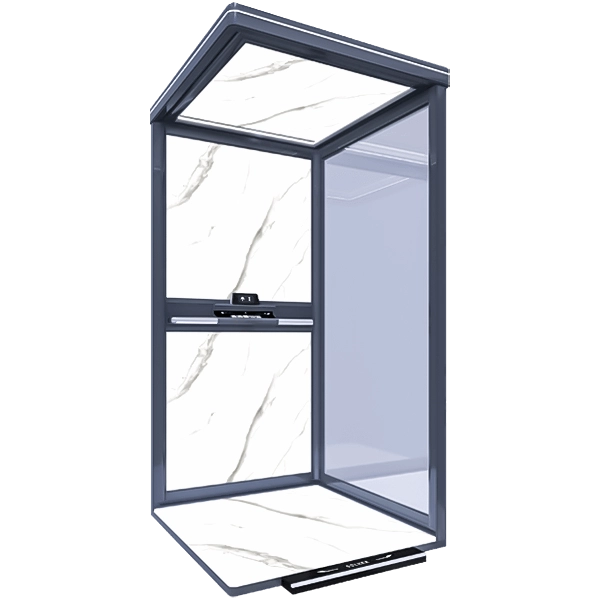
Space Planning Tips for Installing a Small Home Elevator
Customize
Can I choose specific materials or colors for the cabin?
Yes. We offer a wide range of premium materials and finishes — from stone to wood to glass.
How long does a custom order take to deliver?
On average, production takes 30–45 days after confirmation, depending on your configuration.
How does the customization process work?
Our design team will guide you through the steps: style selection, material choice, and 3D visualization before confirmation.
Do I need architectural drawings to start customization?
Not required initially. We can start with basic dimensions or photos and assist with full planning.
Product
Can it be customized as required?
Yes.
Minimalist design high-end and elegant villa home elevator Model-S
The Model-S is a home villa elevator in the Italian minimalist style. It features the most advanced elevator technology and has comprehensive safety protection measures. It is the most reliable guarantee for your passage in villa homes.
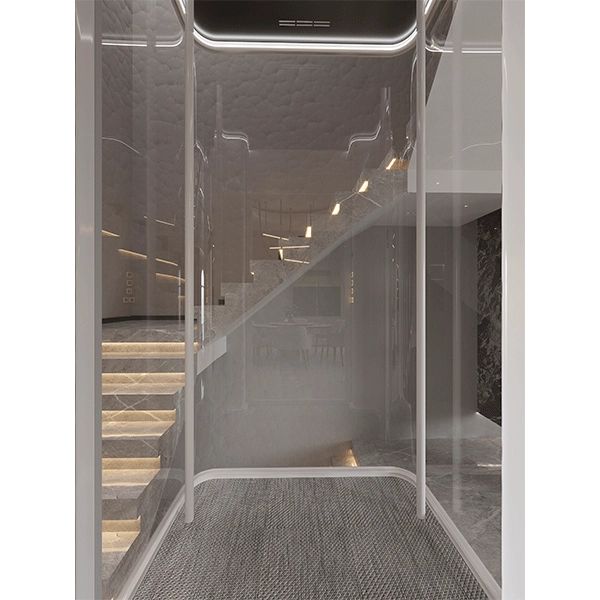
Simple and elegant villa home elevator Model-mini
The Model-Mini is a home villa elevator in the Italian minimalist style. It features the most advanced elevator technology and has comprehensive safety protection measures. It is the most reliable guarantee for your passage in villa homes
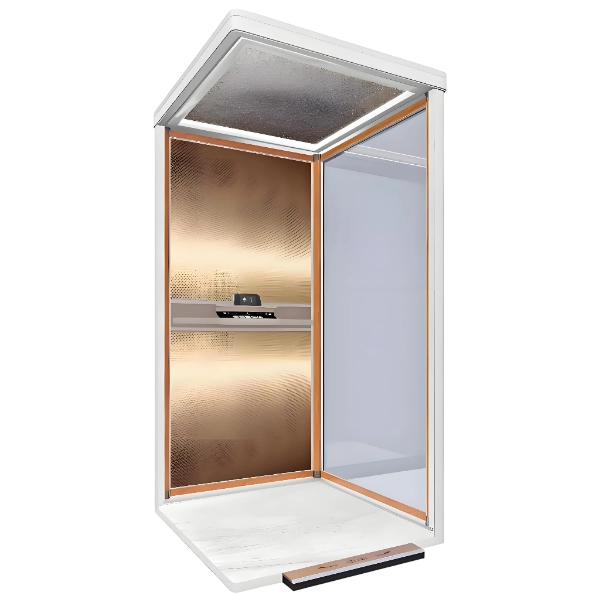
High-end and elegant villa home elevator Model-A
The Model A is a home villa elevator in the Italian minimalist style. It features the most advanced elevator technology and has comprehensive safety protection measures. It is the most reliable guarantee for your passage in villa homes.
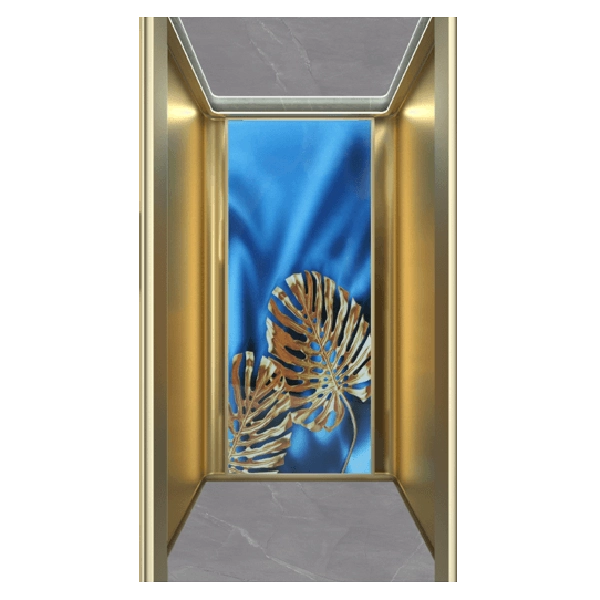
Minimalist design high-end and elegant villa home elevator Model-Q
The Model-Q is a home villa elevator in the Italian minimalist style. It features the most advanced elevator technology and has comprehensive safety protection measures. It is the most reliable guarantee for your passage in villa homes.
Let's get in touch
Email: lin@solkerelevator.com
Tel: +86 133 1668 7566
Address: Floor 1, Building D, Nanxin Industry International, Nancheng District, Dongguan, China.
 Taiwan, China
 No. 21, Lane 38, 206 Yingtai Road, Yingge District, New Taipei City
 +886 0975-299-830
 United Arab Emirates
Capital Mall, Abu Dhabi, United Arab Emirates, 3rd floor, Luxera elevator +971 52 541 4685 Ceo@maharacare.com
 Melbourne, Australia
 19/12 Natalia Av, Oakleigh South, VIC 3167
+61 1300 771 86 sales@goldenhomelifts.com.au
Sydney, Australia
U28/323 Chisholm Road, Auburn, NSW 2144
+61 1300 771 86 sales@goldenhomelifts.com.au
SOLKER
SOLKER