


Energy Efficiency and Smart Controls for Small Home Elevators
- Design Principles for Modern Villa Home Elevators
- Space-efficient architecture for small home elevators
- Minimalist styling with high-end performance: the Model-Q
- Sustainability-driven material and lighting choices
- How Energy Efficiency Works in Small Home Elevators
- Drive systems and regenerative technologies
- Standby modes, sleep functions and demand response
- Comparing drive types — energy and suitability
- Smart Controls and Home Integration
- Connectivity: smart home ecosystems and elevator APIs
- User interfaces, accessibility and predictive operations
- Safety, redundancy and emergency power
- Standards, Installation and Maintenance for Reliable Efficiency
- Codes and certifications to check
- Professional installation and commissioning
- Maintenance strategies that preserve efficiency
- Selecting the Right Small Home Elevator for Your Villa
- Match usage profile to system design
- Cost vs. lifetime savings analysis
- Customization and future-proofing
- Brand Advantages: Why choose our Model-Q small home elevator
- Integrated energy and smart features
- Safety and compliance built in
- Design flexibility and lifecycle support
- Frequently Asked Questions (FAQ)
- Is a small home elevator energy-intensive?
- Can I integrate my villa elevator with my smart home system?
- Which drive type should I choose for a villa application?
- How often does a residential elevator require maintenance?
- What certifications should I look for?
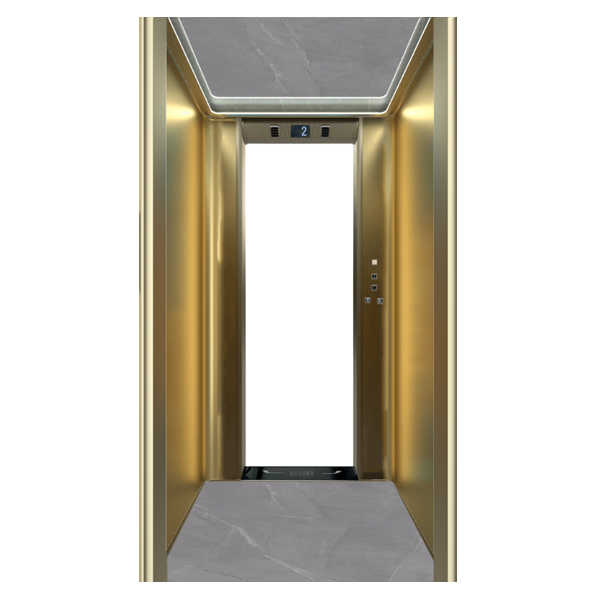
The following summary is optimized for indexing and for users searching for 'small home elevator' solutions that combine low energy use and intelligent controls. For villa owners and architects seeking a luxurious, efficient home lift, the Minimalist design high-end and elegant villa home elevator Model-Q demonstrates how modern drive systems, LED and standby strategies, regenerative braking and smart home integration can lower lifetime operating costs while increasing safety, accessibility and user experience. Advanced systems still require disciplined upkeep, making maintenance essentials for a high-end villa home elevator essential knowledge for protecting long-term value.
Design Principles for Modern Villa Home Elevators
Space-efficient architecture for small home elevators
Small home elevators or residential lifts must balance compact dimensions with cabin comfort, load capacity and design aesthetics. Effective shaft planning and selecting compact components—gearless traction machines, compact controllers and folded door options—allow a home lift to fit tight villa cores without sacrificing ride quality. These choices also influence energy use: smaller, more efficient motors and lighter cabins reduce power demand during start and travel.
Minimalist styling with high-end performance: the Model-Q
In villa projects where aesthetics matter, the Minimalist design high-end and elegant villa home elevator Model-Q blends Italian minimalist styling with modern lift technology. The Model-Q benefits from optimized cabin mass and finish choices that maintain elegance while keeping energy consumption low. Here is the standard product description embedded for technical and marketing reference:
The Model-Q is a home villa elevator in the Italian minimalist style. It features the most advanced elevator technology and has comprehensive safety protection measures. It is the most reliable guarantee for your passage in villa homes.
Sustainability-driven material and lighting choices
Choosing low-mass cabin finishes (aluminum, composite panels) and energy-efficient LED illumination reduces both static energy consumption (lighting, ventilation) and dynamic energy (less mass to move). Intelligent lighting control—motion-sensors and dimming—limits lighting energy to active periods. Combined with effective insulation of machine rooms or machine-less designs, these measures minimize heat loss and improve overall efficiency.
How Energy Efficiency Works in Small Home Elevators
Drive systems and regenerative technologies
Drive topology has a major impact on a small home elevator’s energy profile. Common drives include hydraulic systems, traction with geared machines, and gearless traction (permanent magnet synchronous motors). Gearless traction units with variable frequency drives (VFDs) typically offer the best efficiency and smoothest ride for residential applications. Regenerative drives can recover energy during descent or braking and feed it back to the home electrical system or reuse it internally, substantially reducing net energy consumption.
Standby modes, sleep functions and demand response
Modern controllers allow elevators to enter low-power standby modes when not in use. For example, the cabin lighting can switch to minimal indicators, ventilation can slow, and the controller can park to a low-energy state. Smart demand-response integration can also delay non-urgent travel during peak grid demand, which both reduces costs and allows participation in utility programs where available.
Comparing drive types — energy and suitability
Below is a concise comparison of common drive systems for small home elevators to guide selection.
| Drive Type | Relative Energy Efficiency | Suitability for Small Home Elevator | Pros / Cons |
|---|---|---|---|
| Gearless traction (PM motor + VFD) | High | Excellent – ideal for villas and compact shafts | High efficiency, low noise, supports regeneration; higher upfront cost |
| Geared traction | Moderate | Good – for moderate travel and loads | Lower cost than gearless, slightly lower efficiency, more maintenance |
| Hydraulic | Lower (for frequent use) | Acceptable for low-rise, infrequent use | Lower initial cost but higher energy use and potential environmental concerns |
Sources: overview of elevator technologies (see Wikipedia - Elevator) and drive discussions such as Traction elevator and Hydraulic lift.
Smart Controls and Home Integration
Connectivity: smart home ecosystems and elevator APIs
Smart elevator controllers enable integration with home automation platforms (lighting, HVAC, security). Open APIs or industry-standard protocols allow the elevator to communicate status (position, fault), optimize trips (pre-call when user approaches), and coordinate with other systems—for example, turning on corridor lighting as the car arrives. For privacy and security, ensure any remote access uses encrypted channels and role-based authentication.
User interfaces, accessibility and predictive operations
Smart controls enhance user experience through features such as touchless operation (mobile apps or NFC), voice activation, and adaptive floor prediction (learning frequent trips to pre-position the car). Predictive analytics in advanced controllers can schedule maintenance, detect early signs of wear, and optimize the motor control profiles to reduce energy consumption based on usage patterns.
Safety, redundancy and emergency power
Even as smart systems reduce energy and improve convenience, safety remains paramount. Controllers should implement redundant braking logic, door monitoring and emergency descent procedures. Battery-backed emergency lowering (or backup power) ensures the small home elevator can safely reach a floor during power outages. Compliance with national codes and standards (see standards section) ensures minimum safety baselines are met.
Standards, Installation and Maintenance for Reliable Efficiency
Codes and certifications to check
Residential and villa elevators must comply with regional codes. Refer to authoritative standards such as ASME A17.1 / CSA B44 for North America and EN 81 series in Europe. These standards govern safety, testing, and inspection intervals. Many countries also publish residential elevator specific guidance—consult local authorities and your installer to ensure compliance.
Professional installation and commissioning
Proper installation by certified technicians affects both safety and energy performance. Commissioning should include tuning the VFD parameters to match cabin mass and travel profile, verifying regenerative system operation (if present), programming standby modes and confirming that smart integration respects privacy and security requirements. A well-commissioned Model-Q or similar small home elevator will deliver optimal ride quality while minimizing wasted energy.
Maintenance strategies that preserve efficiency
Routine inspections, lubrication (where applicable), controller firmware updates and periodic performance testing keep the elevator efficient over its life. Predictive maintenance, enabled by analytics and periodic sensor data, helps schedule part replacements before failures increase energy losses or cause unscheduled downtime.
Selecting the Right Small Home Elevator for Your Villa
Match usage profile to system design
Consider three main factors: frequency of use, travel height, and desired finish. For a villa with moderate daily use and emphasis on quiet, smooth performance, a gearless traction Model-Q with VFD and regenerative drive often yields the best balance of elegance, energy efficiency and low maintenance. For very infrequent use and tight budgets, hydraulic options may be considered but expect higher energy consumption per trip.
Cost vs. lifetime savings analysis
When evaluating options, compare initial cost, expected operating energy, maintenance, and resale value. Gearless traction with regenerative capability costs more upfront but often pays back through lower energy bills and better longevity. Below is a simplified lifecycle cost illustration (example values for comparison only):
| Option | Estimated Initial Cost | Estimated Annual Energy Cost | Maintenance |
|---|---|---|---|
| Gearless traction (Model-Q style) | High | Low | Low–Moderate |
| Geared traction | Moderate | Moderate | Moderate |
| Hydraulic | Low–Moderate | High | High |
For evidence-based guidance on elevator energy consumption patterns, see the general technology overview on Energy efficiency and elevator technology references such as Wikipedia - Elevator.
Customization and future-proofing
Choose controllers with firmware update paths and modular hardware so new features (improved energy management, security patches or additional smart integrations) can be added without full replacement. The Model-Q’s platform-oriented electronic architecture supports upgrades, ensuring your villa elevator remains efficient and compatible with future smart-home standards.
Brand Advantages: Why choose our Model-Q small home elevator
Integrated energy and smart features
The Minimalist design high-end and elegant villa home elevator Model-Q is engineered to combine Italian minimalist aesthetics with energy-efficient hardware—gearless traction options, regenerative drives and intelligent standby. These choices lower operational costs while preserving the High Quality ride experience expected in luxury villas.
Safety and compliance built in
Model-Q installations follow international safety frameworks and are configurable to meet ASME and EN standards where applicable. Comprehensive safety features include door interlocks, redundant braking, emergency lowering and diagnostic logging for predictive maintenance.
Design flexibility and lifecycle support
From tailored cabin finishes to integration with home automation platforms, Model-Q supports bespoke villa designs. Backed by certified installers and a structured maintenance program, the product aims to minimize downtime and preserve energy performance over its lifecycle.
Frequently Asked Questions (FAQ)
Is a small home elevator energy-intensive?
Not necessarily. Modern small home elevators—especially gearless traction units with VFDs and regenerative drives—consume relatively little energy per trip. Energy use depends on drive type, cabin mass, travel height and usage frequency. Incorporating standby modes and smart controls further reduces overall consumption.
Can I integrate my villa elevator with my smart home system?
Yes. Many modern controllers provide APIs or standard integrations (e.g., MQTT, HTTP) for smart home platforms. Always confirm encryption and authentication methods to protect privacy and security.
Which drive type should I choose for a villa application?
For most villas, a gearless traction drive with VFD and optional regenerative capability is recommended due to high efficiency, quiet operation and good lifecycle economics. Hydraulic systems are options for low-rise, budget-constrained projects but may result in higher energy consumption.
How often does a residential elevator require maintenance?
Typical preventive maintenance intervals are 6–12 months, depending on usage. Predictive maintenance using controller diagnostics can optimize service schedules and prevent efficiency degradation.
What certifications should I look for?
Ensure compliance with regional codes such as ASME A17.1 / CSA B44 in North America or the EN 81 series in Europe, and request evidence of commissioning and inspection reports from your installer.
If you want to learn more or schedule an on-site consultation for the Minimalist design high-end and elegant villa home elevator Model-Q, contact our sales team or view the product brochure. For personalized advice and energy-saving calculations tailored to your villa, please contact us or view Model-Q details.
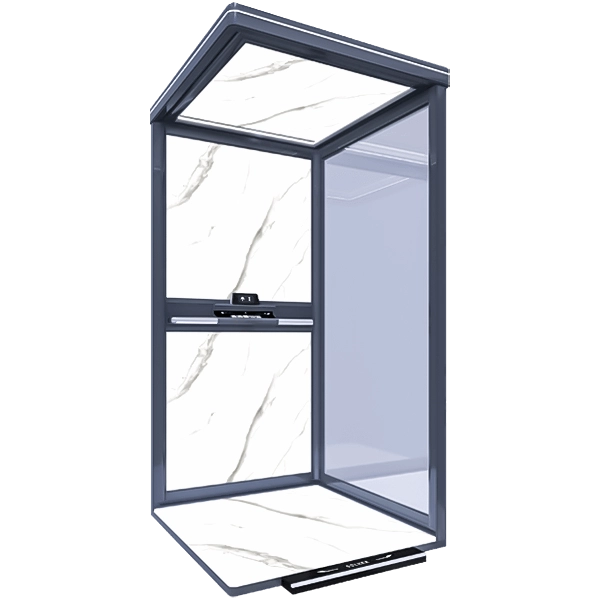
Best safety accessories for outdoor home elevator systems
Custom luxury home elevators Manufacturers and Suppliers
Where to Buy home elevators in UAE
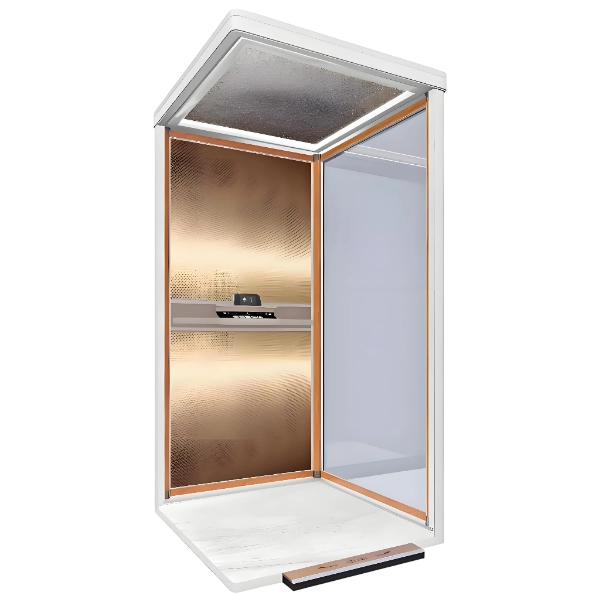
Smart Home Integration Tips for Model-A Villa Elevators
Customize
Can I customize the elevator to match my home style?
Absolutely. We offer multiple cabin styles, materials, and finishes to suit modern, classic, or minimalist interiors.
Can the elevator design be matched to my home's architecture?
Absolutely. Our designers tailor each cabin to complement your interior layout and style.
How long does a custom order take to deliver?
On average, production takes 30–45 days after confirmation, depending on your configuration.
What parts of the elevator can be customized?
You can personalize wall panels, flooring, lighting, control panels, handrails, and door finishes.
Is customization available for both indoor and outdoor elevators?
Yes. All custom options apply to indoor and weatherproof outdoor models.
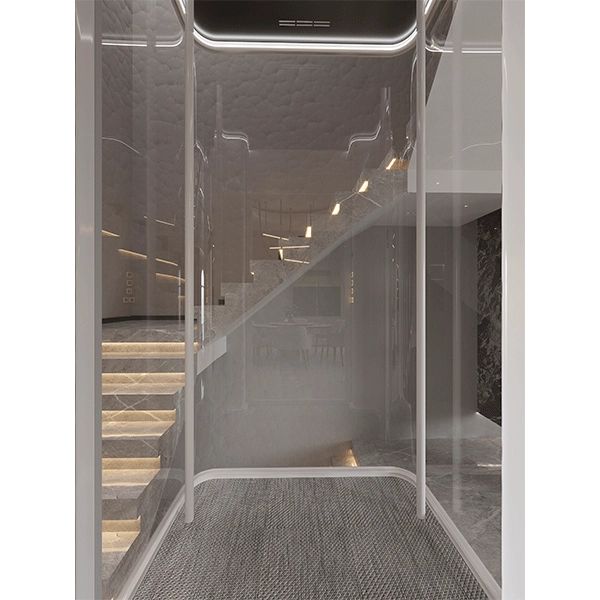
Simple and elegant villa home elevator Model-mini
The Model-Mini is a home villa elevator in the Italian minimalist style. It features the most advanced elevator technology and has comprehensive safety protection measures. It is the most reliable guarantee for your passage in villa homes
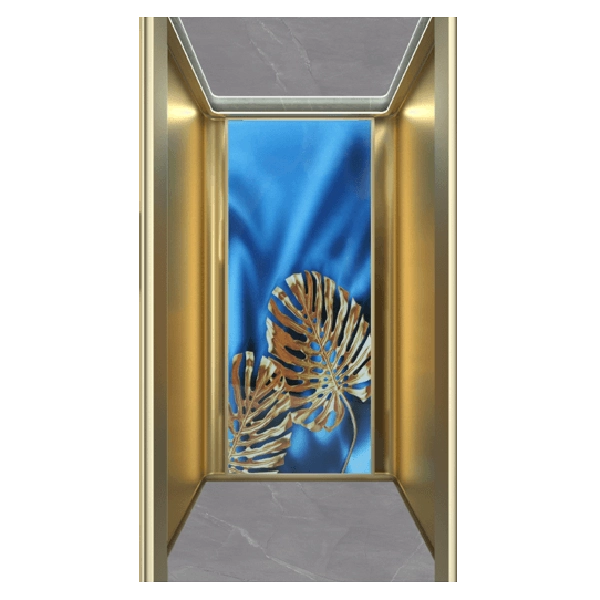
Minimalist design high-end and elegant villa home elevator Model-Q
The Model-Q is a home villa elevator in the Italian minimalist style. It features the most advanced elevator technology and has comprehensive safety protection measures. It is the most reliable guarantee for your passage in villa homes.
Minimalist design high-end and elegant villa home elevator Model-S
The Model-S is a home villa elevator in the Italian minimalist style. It features the most advanced elevator technology and has comprehensive safety protection measures. It is the most reliable guarantee for your passage in villa homes.
High-end and elegant villa home elevator Model-A
The Model A is a home villa elevator in the Italian minimalist style. It features the most advanced elevator technology and has comprehensive safety protection measures. It is the most reliable guarantee for your passage in villa homes.
Let's get in touch
Email: lin@solkerelevator.com
Tel: +86 133 1668 7566
Address: Floor 1, Building D, Nanxin Industry International, Nancheng District, Dongguan, China.
 Taiwan, China
 No. 21, Lane 38, 206 Yingtai Road, Yingge District, New Taipei City
 +886 0975-299-830
 United Arab Emirates
Capital Mall, Abu Dhabi, United Arab Emirates, 3rd floor, Luxera elevator +971 52 541 4685 Ceo@maharacare.com
 Melbourne, Australia
 19/12 Natalia Av, Oakleigh South, VIC 3167
+61 1300 771 86 sales@goldenhomelifts.com.au
Sydney, Australia
U28/323 Chisholm Road, Auburn, NSW 2144
+61 1300 771 86 sales@goldenhomelifts.com.au
SOLKER
SOLKER