


Maintenance Essentials for a High-End Villa Home Elevator
- Why Regular Maintenance Matters for Villa Elevators
- Safety and legal compliance
- Reliability and resident experience
- Preserving the minimalist design and finish
- Routine Maintenance Checklist for Model-Q
- Weekly and monthly owner checks
- Quarterly technical inspections
- Annual comprehensive servicing
- Safety, Inspections, and Documentation
- Certified inspections and local regulations
- Record-keeping best practices
- Emergency procedures and occupant training
- Technical Care: Components, Troubleshooting and Upgrades
- Drive systems and control electronics
- Wear parts and common failure modes
- Battery backups, emergency lowering and communications
- Cleaning, Finish Care and Environmental Considerations
- Cleaning surfaces without damaging finishes
- Humidity, salt air, and climate impacts
- Noise and vibration mitigation
- Service Contracts, Costs and ROI
- Types of service agreements
- Maintenance frequency vs. cost: a comparison
- Calculating lifetime value and ROI
- Brand Advantages and Why Model-Q is Ideal for Villas
- Design and integration
- Technology and safety
- Service network and warranty
- Troubleshooting Guide: Quick Fixes and When to Call a Pro
- Common minor issues and solutions
- When to call emergency service
- Choosing the right technician
- FAQ
- How often should a small home elevator like Model-Q be serviced?
- Can homeowners perform any maintenance themselves?
- What is the expected lifespan of a well-maintained Model-Q elevator?
- Does coastal or humid climate require special maintenance?
- How can I verify the technician is qualified to service Model-Q?
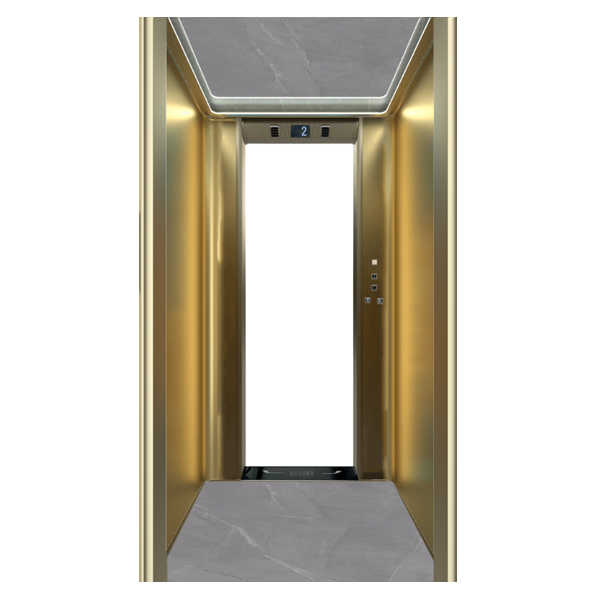
This guide is designed to help homeowners, property managers, and villa maintenance teams responsible for luxury residences around the world maintain a high-end villa home elevator. Whether your property is in the Mediterranean, North America, the Middle East, or East Asia, the correct care program for a small home elevator like the Model-Q keeps occupants safe, minimizes downtime, preserves aesthetic value, and protects property investment. At this stage, many buyers benefit from stepping back and comparing small home elevator types to determine which fits their villa from both technical and lifestyle perspectives.
Why Regular Maintenance Matters for Villa Elevators
Safety and legal compliance
High-end villa elevators must meet local and international safety standards. Regular maintenance ensures the elevator remains within those safety margins and reduces the risk of faults such as entrapment or sudden stops. For general background on elevator safety standards and regulations, see the overview at Wikipedia: Elevator. Staying compliant also helps with insurance coverage and resale value.
Reliability and resident experience
A small home elevator in a villa is often used by family members of varying mobility and by household staff. Reliability is paramount: scheduled servicing prevents inconvenient failures and reduces emergency repairs, which can be disruptive in luxury settings. Regular checks for door operation, leveling accuracy, and smooth drive performance maintain the silent, elegant ride expected in a High Quality villa.
Preserving the minimalist design and finish
High-end models such as the Minimalist design high-end and elegant villa home elevator Model-Q combine technology with delicate finishes. Maintenance is not only mechanical—cleaning regimes and materials care are needed to keep the Italian minimalist aesthetic intact, prevent corrosion, and avoid surface damage that lowers perceived value.
Routine Maintenance Checklist for Model-Q
Weekly and monthly owner checks
Owners or on-site staff can perform a short checklist weekly or monthly to detect issues early. Recommended simple checks:
- Visual inspection of car interior and doors for scratches, stains, or loose trims.
- Test smooth door open/close and observe any hesitation or abnormal noises.
- Verify emergency lighting and alarm/button operation.
- Confirm call-buttons at each landing function and that floor indicators are accurate.
These checks require no specialized tools and can catch early signs of wear before they escalate.
Quarterly technical inspections
Quarterly inspections by a certified technician should include:
- Lubrication of specified moving parts (per manufacturer schedule).
- Inspection of door operators, rollers, and guides; adjustment of door closing speeds if necessary.
- Testing of safety interlocks and emergency braking systems.
- Battery backups and emergency communication systems testing.
Annual comprehensive servicing
Once a year, a full service should be performed by an authorized service partner. This includes deeper tasks such as:
- Detailed inspection of traction or drive units and the controller board.
- Replacement of wear items (belts, bearings, seals) as recommended.
- Full system diagnostics and software/firmware updates where applicable.
- Verification of load testing and leveling performance.
Safety, Inspections, and Documentation
Certified inspections and local regulations
Many jurisdictions require periodic inspections from certified inspectors. Keep an up-to-date log of all inspections and repairs; this documentation is critical for compliance and for easing insurance claims. For general regulatory context on elevators and public safety, refer to the elevator overview at Wikipedia and consult local building codes or lift authorities for specifics.
Record-keeping best practices
Maintain both digital and physical logs listing:
- Dates of inspections and servicing.
- Parts replaced and serial numbers.
- Technician/company details and contact information.
- Notes on ride quality, noise, and any intermittent faults reported by users.
This history helps diagnose recurring problems quickly and supports warranty claims.
Emergency procedures and occupant training
Create a simple emergency plan for elevator entrapment or power outages. All household members and staff should know how to use the emergency intercom, where the elevator keys are stored (if applicable), and who to call for after-hours service. Test the emergency communication equipment quarterly to ensure it functions during an outage.
Technical Care: Components, Troubleshooting and Upgrades
Drive systems and control electronics
Modern small home elevators like Model-Q commonly use gearless or compact traction drives and advanced control electronics for smooth travel and quiet operation. Keep control panels dry and free from dust. Annual software updates and controller diagnostics performed by a certified technician help prevent electrical faults and ensure energy-efficient operation.
Wear parts and common failure modes
Parts that commonly need attention include door rollers, guide shoes, limit switches, and bearings. Noise, uneven travel, or slow response times often point to wear in these components. Establish a replacement budget and timeline: some wear parts can be replaced during scheduled service to avoid emergency replacements.
Battery backups, emergency lowering and communications
Test battery backups and emergency lowering systems every six months. Batteries age and lose capacity; replacing them before failure is essential to maintain safe evacuation capability during long outages.
Cleaning, Finish Care and Environmental Considerations
Cleaning surfaces without damaging finishes
Model-Q’s minimalist Italian finishes require gentle, pH-neutral cleaners. Avoid abrasive pads and high-pressure washers. For stainless steel surfaces, use specialized stainless cleaners and microfiber towels. For glass or mirror panels, ammonia-free glass cleaners protect coatings and avoid streaks.
Humidity, salt air, and climate impacts
Coastal villas face salt-laden air which accelerates corrosion. Regular rinsing of external machine room vents and more frequent lubrication and inspection schedules are recommended. In humid or tropical climates, moisture control in the machine room (dehumidifiers, sealed enclosures) reduces electronic and mechanical failures.
Noise and vibration mitigation
High-end installations must deliver a quiet ride. If occupants report new noise or vibration, investigate mounting isolation pads, checking guide rail alignment, and inspecting damping elements. Small adjustments by a technician can often restore whisper-quiet performance.
Service Contracts, Costs and ROI
Types of service agreements
Choose between pay-per-service, preventive maintenance contracts, and full-service (all-inclusive) agreements. For villa owners seeking minimal downtime and maximum assurance, a preventive contract with scheduled visits and prioritized response is preferable.
Maintenance frequency vs. cost: a comparison
Below is a simplified comparison to help budget and plan. Costs are indicative and will vary by region and provider.
| Service Type | Typical Frequency | Benefits | Estimated Annual Cost (USD) |
|---|---|---|---|
| Owner checks | Weekly/Monthly | Early issue detection, no service fees | $0–$200 |
| Preventive maintenance | Quarterly | Reduces emergency repairs, prolongs life | $600–$2,400 |
| Full-service contract | Quarterly + priority response | Fixed cost, includes parts and emergency call-outs | $1,500–$6,000 |
Calculating lifetime value and ROI
Regular maintenance lowers the likelihood of major failures that can cost several thousand dollars and reduce property value. For a luxury villa, preserving the elevator’s finish and functionality contributes directly to marketability—often recouping maintenance costs in higher sale prices or rental rates.
Brand Advantages and Why Model-Q is Ideal for Villas
The Model-Q is a home villa elevator in the Italian minimalist style. It features the most advanced elevator technology and has comprehensive safety protection measures. It is the most reliable guarantee for your passage in villa homes.
Design and integration
Model-Q’s minimalist design allows it to integrate seamlessly into high-end interiors without visual clutter. The elevator’s compact footprint makes it an excellent small home elevator option where space is limited but style is non-negotiable.
Technology and safety
Model-Q incorporates modern traction systems, advanced control logic for smooth starts/stops, and multiple redundant safety measures including overspeed governors and emergency brakes. Regular manufacturer-advised maintenance preserves these features and ensures compliance with international safety expectations.
Service network and warranty
A strong service network and clear warranty terms are essential. Choose Model-Q with an authorized service agreement so parts and technicians are certified. This ensures faster response times and correct diagnostics for complex systems like elevator controllers and door units.
Troubleshooting Guide: Quick Fixes and When to Call a Pro
Common minor issues and solutions
- Doors sticking: Clean guides and rollers; check for debris. If issue persists, arrange a technician to adjust the door operator.
- Uneven leveling: Try recalibrating through the controller if user-accessible; otherwise call a certified technician.
- Intermittent alarms: Test battery and intercom; loose wiring or aged batteries usually cause this.
When to call emergency service
Contact professional service immediately for: entrapment not resolved by reset, unusual smoke or burning smells, sudden, repeated stopping between floors, or malfunctioning emergency brakes.
Choosing the right technician
Always use certified elevator technicians experienced with residential, gearless drives and intelligent controllers. Verify credentials, ask for references from similar villa installations, and confirm parts availability for Model-Q components.
FAQ
How often should a small home elevator like Model-Q be serviced?
Perform owner checks weekly or monthly, schedule technician preventive maintenance quarterly, and a comprehensive service annually. Environmental factors (coastal exposure, high usage) may require more frequent servicing.
Can homeowners perform any maintenance themselves?
Yes. Owners can perform visual inspections, basic cleaning, and test emergency systems. However, any mechanical, electrical, or safety-critical work should be left to certified professionals to avoid voiding warranties or creating hazards.
What is the expected lifespan of a well-maintained Model-Q elevator?
With regular maintenance and timely replacement of wear parts, a modern small home elevator like Model-Q can reliably serve 20–30 years or more. Lifespan depends on usage, environmental conditions, and maintenance quality.
Does coastal or humid climate require special maintenance?
Yes. For coastal or humid climates, increase inspection frequency, use corrosion-resistant materials where possible, and implement machine-room moisture control to protect electronics and metal components.
How can I verify the technician is qualified to service Model-Q?
Ask for manufacturer certification or training records, proof of experience with residential elevators, and references. Confirm they use genuine replacement parts specific to Model-Q.
If you'd like assistance with maintenance planning, scheduling a service, or viewing the Model-Q, please contact our support team or view Model-Q product details. For technical specifications and official standards, consult the general elevator overview at Wikipedia and local building authorities for regulatory requirements.
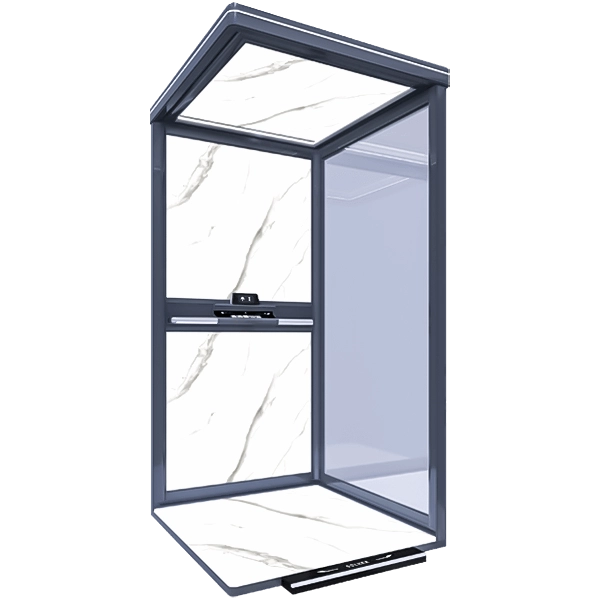
Materials and Finishes: Customizing Model-S for Luxury Homes
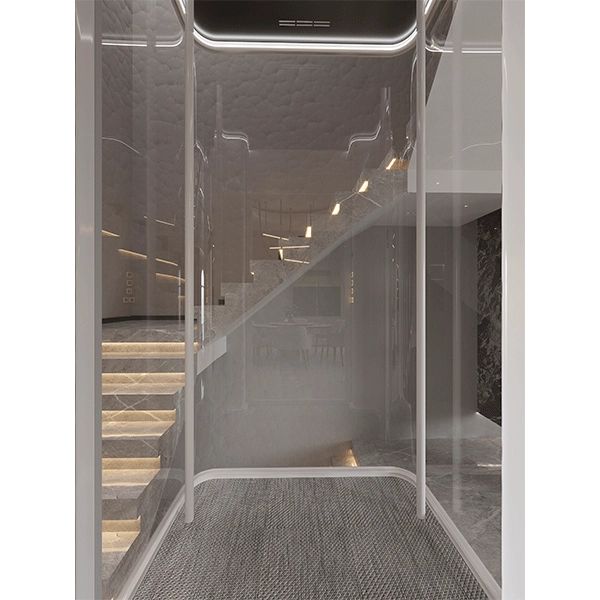
Energy Efficiency and Maintenance of the Model-mini Outdoor Elevator
Materials guide: glass, steel, and composite cabins for outdoors
Custom luxury home elevators Manufacturers and Suppliers
Customize
Can the elevator design be matched to my home's architecture?
Absolutely. Our designers tailor each cabin to complement your interior layout and style.
Can I customize the elevator to match my home style?
Absolutely. We offer multiple cabin styles, materials, and finishes to suit modern, classic, or minimalist interiors.
Can I choose specific materials or colors for the cabin?
Yes. We offer a wide range of premium materials and finishes — from stone to wood to glass.
Product
Can it be customized as required?
Yes.
How long is the production date required?
Under normal circumstances, the production time is 35 to 45 days.
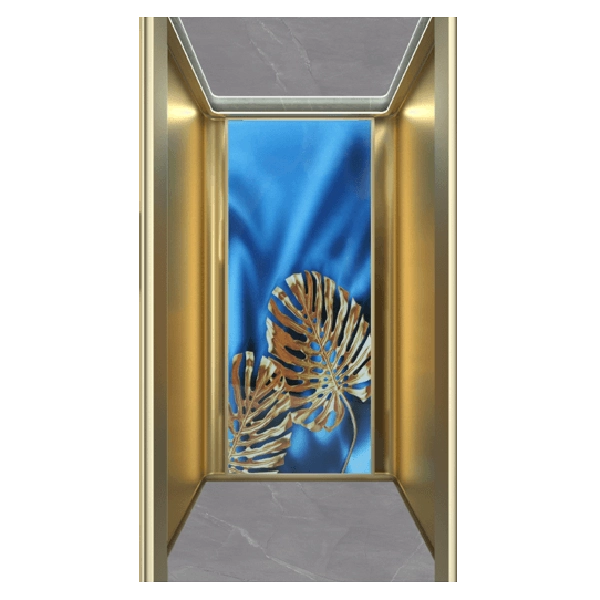
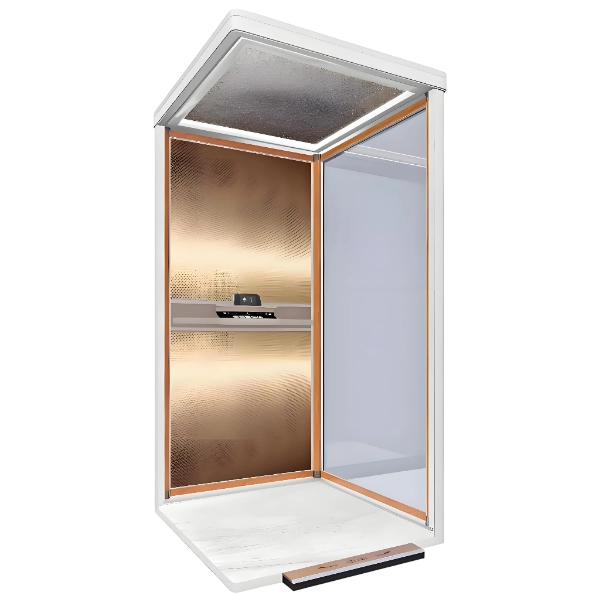
Minimalist design high-end and elegant villa home elevator Model-Q
The Model-Q is a home villa elevator in the Italian minimalist style. It features the most advanced elevator technology and has comprehensive safety protection measures. It is the most reliable guarantee for your passage in villa homes.
Minimalist design high-end and elegant villa home elevator Model-S
The Model-S is a home villa elevator in the Italian minimalist style. It features the most advanced elevator technology and has comprehensive safety protection measures. It is the most reliable guarantee for your passage in villa homes.
High-end and elegant villa home elevator Model-A
The Model A is a home villa elevator in the Italian minimalist style. It features the most advanced elevator technology and has comprehensive safety protection measures. It is the most reliable guarantee for your passage in villa homes.
Simple and elegant villa home elevator Model-mini
The Model-Mini is a home villa elevator in the Italian minimalist style. It features the most advanced elevator technology and has comprehensive safety protection measures. It is the most reliable guarantee for your passage in villa homes
Let's get in touch
Email: lin@solkerelevator.com
Tel: +86 133 1668 7566
Address: Floor 1, Building D, Nanxin Industry International, Nancheng District, Dongguan, China.
 Taiwan, China
 No. 21, Lane 38, 206 Yingtai Road, Yingge District, New Taipei City
 +886 0975-299-830
 United Arab Emirates
Capital Mall, Abu Dhabi, United Arab Emirates, 3rd floor, Luxera elevator +971 52 541 4685 Ceo@maharacare.com
 Melbourne, Australia
 19/12 Natalia Av, Oakleigh South, VIC 3167
+61 1300 771 86 sales@goldenhomelifts.com.au
Sydney, Australia
U28/323 Chisholm Road, Auburn, NSW 2144
+61 1300 771 86 sales@goldenhomelifts.com.au
SOLKER
SOLKER