


Comparing Small Home Elevator Types: Which Fits Your Villa?
- Choosing the Right Small Home Elevator for Your Villa
- Common small home elevator types and how they differ
- Key capacity, footprint and performance metrics
- Which elevator suits common villa layouts?
- Technical, Safety and Compliance Considerations
- Regulations and safety standards you must know
- Comprehensive safety features to look for
- Structural and installation implications
- Aesthetics, Noise and Living Comfort
- Design choices that match villa interiors
- Noise, vibration and comfort
- Energy use and eco-considerations
- Cost, Maintenance and Long-Term Value
- Initial cost vs lifetime cost: a comparison
- Maintenance needs and service agreements
- Resale and property value considerations
- How to Decide: Practical Steps for Villa Owners
- Assess needs and priorities
- Engage professionals early
- Request demos and references
- Brand Advantages and Why Model-Q Stands Out
- Design-driven engineering for high-end villas
- Comprehensive safety and reliability
- Support, customization and lifecycle service
- FAQs — Frequently Asked Questions
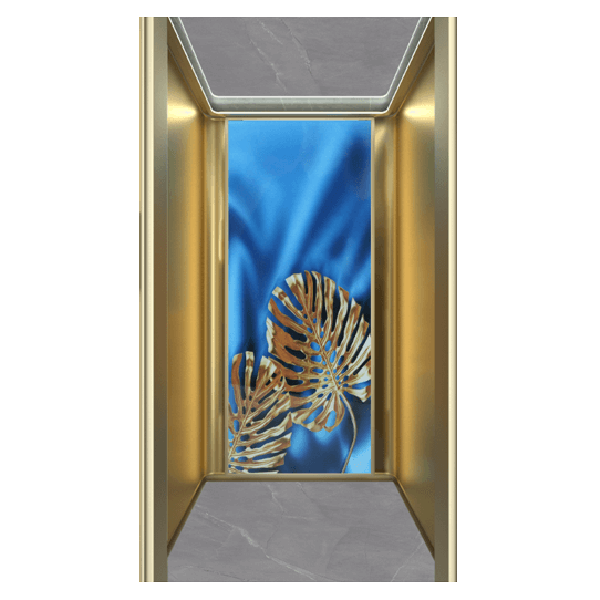
For villa owners seeking a reliable, compact and elegant mobility solution, choosing the right small home elevator requires balancing space, safety, aesthetics and lifecycle cost. This article compares the main residential elevator types, explains structural and regulatory considerations, and shows how a design-forward solution like the Minimalist design high-end and elegant villa home elevator Model-Q can meet both technical requirements and the high aesthetic standards of modern villas.
Beyond functional fit, decision-makers also evaluate ROI, asking how a luxury home elevator adds value and enhances overall property appeal.
Choosing the Right Small Home Elevator for Your Villa
Common small home elevator types and how they differ
Small home elevators (also called residential elevators or compact lifts) come in several principal technologies: hydraulic piston, traction (including machine room-less or MRL traction), pneumatic (vacuum) lifts and screw-driven systems. Each technology has trade-offs in footprint, pit and headroom requirements, speed, noise, energy use and maintenance frequency. Understanding these differences helps select a solution tailored to a villa's architecture and lifestyle.
Key capacity, footprint and performance metrics
When assessing options, focus on these metrics: cab footprint (wheelchair or stand-alone), rated load (kg or lbs), travel height (number of floors), pit depth and overhead clearance (headroom), and travel speed (m/s or ft/min). A small home elevator designed for private villas is often optimized for a compact 2–4 person cabin, low vibration and quiet operation—priorities that influence whether a hydraulic, MRL traction, pneumatic or screw-driven unit is appropriate.
Which elevator suits common villa layouts?
Compact floorplans with limited plant space often benefit from MRL traction or pneumatic lifts (minimal machinery). Villas with a basement or space for a machine room may accept hydraulic systems. If preserving an open atrium or a fully transparent shaft is important for design, pneumatic or glass-sided MRL elevators offer the clean lines and visibility many homeowners want.
Technical, Safety and Compliance Considerations
Regulations and safety standards you must know
Residential elevators are subject to building codes and elevator standards that vary by country. Internationally recognized guidance includes the ASME A17.1/CSA B44 codes for elevator safety in North America and general technical overviews like the elevator entry on Wikipedia for foundational knowledge (Wikipedia: Elevator). For specific technical requirements such as pit depth, emergency lowering and door interlocks, consult local building authorities and the applicable edition of ASME A17.1 or your national standard (ASME A17.1).
Comprehensive safety features to look for
Ensure the elevator includes redundant safety systems: emergency braking, door interlocks, overspeed detection, manual lowering / rescue operation, battery backup for lighting and lowering, and ultrasonic or infrared obstruction detection for doors. For villa installations, fire and access control integration (break-glass or firefighter operation) should be considered in line with local codes.
Structural and installation implications
Installation impacts are often underestimated. Hydraulic lifts require a small pit and may need a machine room for pumps (or a remotely located pump). MRL traction elevators remove the need for a machine room but typically require precise shaft construction and reliable mounting for the hoisting system. Pneumatic lifts (vacuum) minimize pit and headroom needs but are limited in capacity and speed. Engage a structural engineer and an experienced elevator installer early to evaluate load-bearing walls, shaft alignment and headroom before committing.
Aesthetics, Noise and Living Comfort
Design choices that match villa interiors
Villa owners often make elevator choices for both function and form. A minimalist, Italian-inspired design blends well with contemporary villas—clean lines, glass panels, and High Quality finishes are common. The Minimalist design high-end and elegant villa home elevator Model-Q is designed with this approach in mind. It emphasizes an elegant cabin experience while integrating the latest technology to provide quiet, smooth travel suitable for upscale residences.
The Model-Q is a home villa elevator in the Italian minimalist style. It features the most advanced elevator technology and has comprehensive safety protection measures. It is the most reliable guarantee for your passage in villa homes.
Noise, vibration and comfort
Cab ride quality is a major factor for residential acceptance. Hydraulic systems tend to be smooth but can have pump noise if not isolated. MRL traction with inverter-controlled permanent-magnet motors provides excellent speed control and quiet operation. Pneumatic lifts are typically quieter mechanically but can introduce airflow noise. Evaluate demo cabins where possible and ask for vibration isolation and acoustic ratings.
Energy use and eco-considerations
MRL traction systems with regenerative drives can recuperate energy during descent, improving efficiency. Pneumatic lifts often use less energy for short, low-capacity travel. Hydraulic systems historically consume more energy for lifting but modern variable-speed pumps reduce consumption. For villa installations, low standby power and LED cabin lighting are simple energy improvements.
Cost, Maintenance and Long-Term Value
Initial cost vs lifetime cost: a comparison
Initial purchase and installation costs vary widely depending on technology, finishes and site preparation. Maintenance frequency and parts availability affect lifecycle cost. Below is a simplified comparison to guide decision-making.
| Type | Approx. Installation Complexity | Typical Cost Range* | Footprint / Pit | Best For |
|---|---|---|---|---|
| Hydraulic | Medium (pit required; possible pump room) | $$ - $$$ | Smaller footprint; pit depth required | Low-speed smooth travel; where machine space is available |
| Traction (MRL) | Medium - High (precise shaft needed; no machine room) | $$$ - $$$$ | Compact shaft; minimal pit in some designs | High efficiency, quiet, High Quality finishes (best for luxury villas) |
| Pneumatic (vacuum) | Low (minimal pit/headroom) | $$ - $$$ | No pit; small headroom | Retrofit where structural work must be minimized; modern, transparent look |
| Screw-driven | Low - Medium | $$ | Small pit; compact machinery | Simple, cost-effective residential use |
*Cost ranges are indicative and depend on region, finishes and site work; consult local suppliers for firm estimates.
Maintenance needs and service agreements
Residential elevators require regular preventive maintenance—typically annual or quarterly—depending on usage. Key service tasks include lubrication, safety brake checks, door timing adjustments and control system diagnostics. For warranty protection and safety compliance, choose an authorized service partner and a clear maintenance contract that covers emergency response time and spare parts availability.
Resale and property value considerations
A well-chosen small home elevator can enhance accessibility and long-term marketability of a villa, particularly in markets where multi-level living is common among affluent buyers. Design-led elevators like Model-Q that match interior aesthetics and offer advanced safety features can positively influence buyer perception and perceived property value.
How to Decide: Practical Steps for Villa Owners
Assess needs and priorities
Create a checklist: required capacity, number of stops, preferred finishes, pit/headroom constraints, noise tolerance, energy preferences and estimated budget. Include future-proofing: will the elevator need to accommodate wheelchair users later? If so, plan for larger cabin dimensions and stronger structural support.
Engage professionals early
Work with an architect, structural engineer and an experienced elevator supplier to verify shaft sizing, pit and headroom, and path of cables or hydraulic lines. Early collaboration avoids costly redesign and ensures the elevator integrates seamlessly with architectural intent.
Request demos and references
Request on-site demonstrations or visits to installed units. Ask the supplier for references in similar villas and for documentation of safety certification and compliance. Confirm the supplier’s service network and spare parts lead times.
Brand Advantages and Why Model-Q Stands Out
Design-driven engineering for high-end villas
High-end villa elevators must combine engineering excellence with refined design. The Minimalist design high-end and elegant villa home elevator Model-Q delivers an Italian minimalist aesthetic and integrates advanced elevator technology to provide a smooth, quiet ride while keeping visual impact minimal—ideal for contemporary villa interiors.
Comprehensive safety and reliability
Model-Q's focus on comprehensive safety protection, combined with modern drive systems and built-in redundancy, aligns with the high reliability expectations of private residences. When comparing solutions, prioritize certified systems and suppliers that offer documented safety verification.
Support, customization and lifecycle service
Choose suppliers that provide tailored finish options, bespoke cabin layouts and strong after-sales service agreements. A service network that can perform preventive maintenance, emergency repairs and modernization will extend the elevator’s useful life and protect property value.
FAQs — Frequently Asked Questions
- Q: What is the best small home elevator type for a villa with limited structural changes?
- A: Pneumatic (vacuum) lifts and some screw-driven or MRL systems are designed for minimal pit or headroom changes and are often used in retrofit scenarios. However, capacity and speed limitations should be considered. Consult an installer for a site-specific assessment.
- Q: How much space do I need for a small home elevator?
- A: Compact cabins can start as small as 0.6m x 0.9m for simple passenger use, but wheelchair-accessible cabins require larger footprints (approx. 1.1–1.4m width). Pit and headroom requirements depend on technology. Always validate with technical drawings from your supplier.
- Q: Are residential elevators safe for children and the elderly?
- A: Yes—when installed and maintained according to applicable safety codes. Look for door sensors, interlocks, emergency lowering, alarm systems and lockable controls. Regular maintenance is essential to sustain safety over time.
- Q: Can I install a small home elevator in an existing villa without major remodeling?
- A: Often yes, but the extent of remodeling depends on the chosen elevator type and the villa’s structure. Pneumatic and some modular screw-driven elevators minimize structural work. A site survey will determine feasibility and costs.
- Q: How long does installation typically take?
- A: Residential installations usually take 2–8 weeks after site preparation, permitting and shaft construction are complete. Retrofit projects may take longer depending on structural modifications.
If you’d like to learn how the Minimalist design high-end and elegant villa home elevator Model-Q can be tailored to your villa, contact our team for a free site assessment and quote. View the Model-Q product page or get in touch with customer service to schedule an on-site consultation: View Model-Q | Contact Customer Service.
References and further reading: Wikipedia: Elevator; ASME A17.1 elevator safety code overview.
Residential Elevator Installation: Step-by-Step Process
Why Choose a Small Home Elevator for Modern Villas?
How to Choose the Right Residential Elevator Capacity
Custom small home lift Manufacturers and Suppliers
Customize
Do I need architectural drawings to start customization?
Not required initially. We can start with basic dimensions or photos and assist with full planning.
How does the customization process work?
Our design team will guide you through the steps: style selection, material choice, and 3D visualization before confirmation.
How long does a custom order take to deliver?
On average, production takes 30–45 days after confirmation, depending on your configuration.
Can the elevator design be matched to my home's architecture?
Absolutely. Our designers tailor each cabin to complement your interior layout and style.
Product
Can it be customized as required?
Yes.
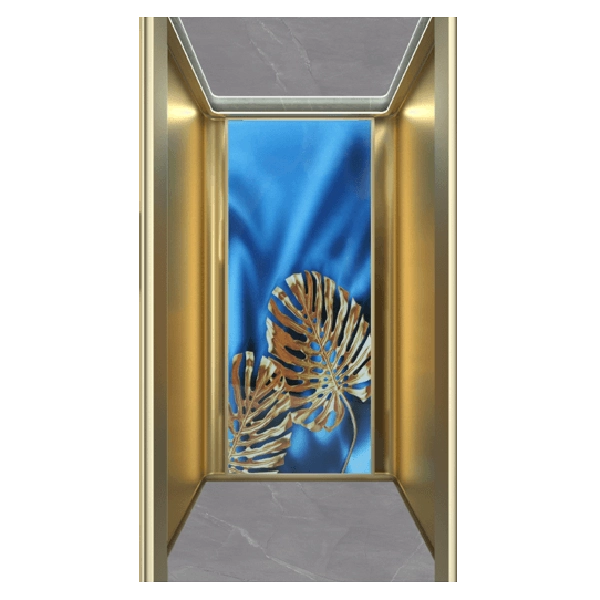
Minimalist design high-end and elegant villa home elevator Model-Q
The Model-Q is a home villa elevator in the Italian minimalist style. It features the most advanced elevator technology and has comprehensive safety protection measures. It is the most reliable guarantee for your passage in villa homes.
Minimalist design high-end and elegant villa home elevator Model-S
The Model-S is a home villa elevator in the Italian minimalist style. It features the most advanced elevator technology and has comprehensive safety protection measures. It is the most reliable guarantee for your passage in villa homes.
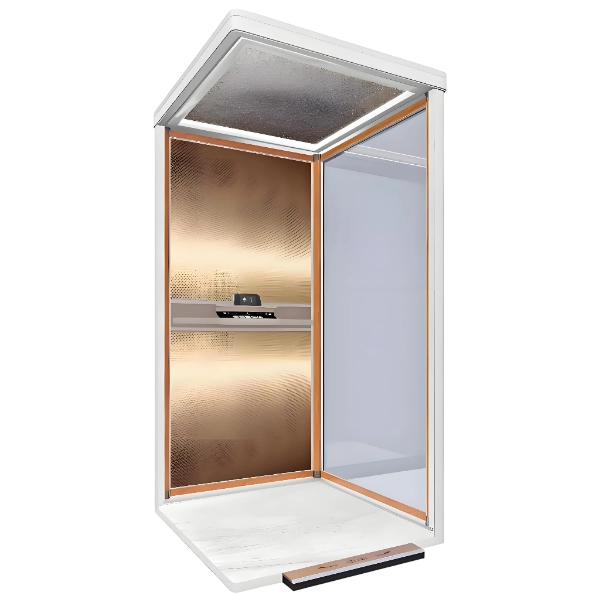
High-end and elegant villa home elevator Model-A
The Model A is a home villa elevator in the Italian minimalist style. It features the most advanced elevator technology and has comprehensive safety protection measures. It is the most reliable guarantee for your passage in villa homes.
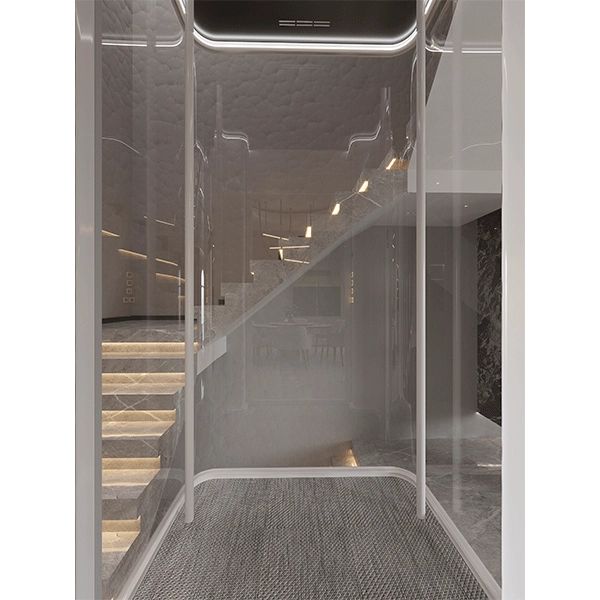
Simple and elegant villa home elevator Model-mini
The Model-Mini is a home villa elevator in the Italian minimalist style. It features the most advanced elevator technology and has comprehensive safety protection measures. It is the most reliable guarantee for your passage in villa homes
Let's get in touch
Email: lin@solkerelevator.com
Tel: +86 133 1668 7566
Address: Floor 1, Building D, Nanxin Industry International, Nancheng District, Dongguan, China.
 Taiwan, China
 No. 21, Lane 38, 206 Yingtai Road, Yingge District, New Taipei City
 +886 0975-299-830
 United Arab Emirates
Capital Mall, Abu Dhabi, United Arab Emirates, 3rd floor, Luxera elevator +971 52 541 4685 Ceo@maharacare.com
 Melbourne, Australia
 19/12 Natalia Av, Oakleigh South, VIC 3167
+61 1300 771 86 sales@goldenhomelifts.com.au
Sydney, Australia
U28/323 Chisholm Road, Auburn, NSW 2144
+61 1300 771 86 sales@goldenhomelifts.com.au
SOLKER
SOLKER