


Materials guide: glass, steel, and composite cabins for outdoors
- Why cabin material matters for outdoor home elevators
- Environmental exposure and long-term performance
- Safety, codes, and operational reliability
- Design intent for villas and luxury homes
- Material comparison: glass, steel, and composite cabins
- Key performance dimensions to compare
- Detailed comparative table
- How material choice influences maintenance scheduling
- Practical design and engineering considerations for outdoor cabins
- Thermal control and passenger comfort
- Corrosion resistance and coatings
- Safety, glazing, and impact resistance
- Choosing the right material for your villa's outdoor elevator
- Match material to climate and exposure
- Match material to intended aesthetic and integration
- Lifecycle cost vs initial investment
- Installation, durability testing, and code compliance
- Site preparation and structural considerations
- Durability testing and warranty expectations
- Compliance with regulatory standards
- Case studies and recommendations for the Model-S
- Model-S: minimalist luxury and practical choices
- Installation scenarios and recommended materials
- Operational tips to maximize lifespan
- FAQ
- Q: Which cabin material is best for an outdoor home elevator in a coastal villa?
- Q: Is a fully glass cabin practical for an outdoor elevator?
- Q: How do I ensure my outdoor elevator meets safety standards?
- Q: What is the expected maintenance frequency for each material?
- Q: Can the Model-S be customized with different cabin materials?
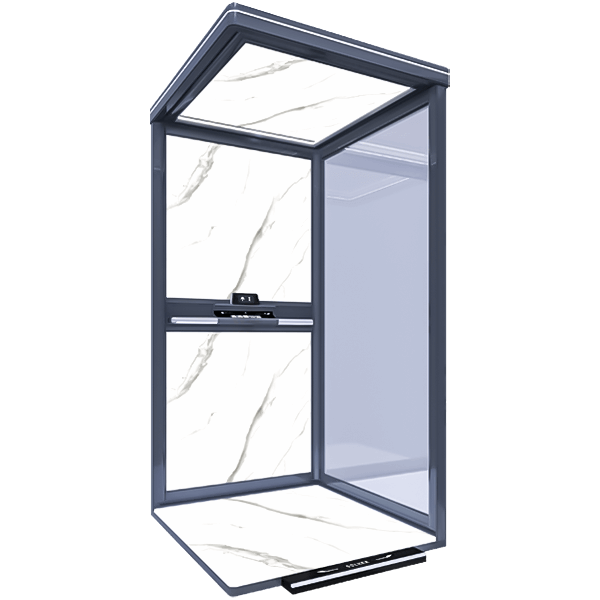
This materials guide focuses on selecting the right cabin material for an outdoor home elevator, helping homeowners, architects, and builders make informed choices that balance durability, weather resistance, aesthetics, and safety. Whether you are considering a glass panoramic shaft for light and views, a robust steel cabin for longevity, or advanced composite cabins for low maintenance and thermal control, this article shows how each material performs outdoors and which trade-offs are most relevant to villa installations and high-end designs like the Model-S.
Why cabin material matters for outdoor home elevators
Environmental exposure and long-term performance
Outdoor home elevator cabins face direct exposure to sun, rain, wind, UV radiation, salt (in coastal locations), and wide temperature swings. The cabin material determines how well the elevator copes with corrosion, color fading, thermal expansion, and sealing against moisture. Selecting appropriate materials is critical to achieving reliable year-round operation and minimizing lifecycle costs for any outdoor elevator installation.
Safety, codes, and operational reliability
Cabin materials interact with safety systems — fire-retardancy, impact resistance, and emergency egress — and must be compatible with regulatory requirements. For example, familiar standards and safety rules for lifts such as EN 81 provide guidance on construction and safety features; broader reference material about elevators is summarized on Wikipedia. For industry-standard safety and performance frameworks consult resources like the European EN 81 overview (EN 81) and committee information at ISO (ISO committee for lifts).
Design intent for villas and luxury homes
For villas, an outdoor home elevator often doubles as an architectural feature. A minimalist, elegant solution should not only match the aesthetic of the property but also achieve high reliability. The Model-S is positioned for this niche: it combines Italian minimalist styling with advanced elevator technology and comprehensive safety protection, making it ideal for villa passageways and patios.
The Model-S is a home villa elevator in the Italian minimalist style. It features the most advanced elevator technology and has comprehensive safety protection measures. It is the most reliable guarantee for your passage in villa homes.
Material comparison: glass, steel, and composite cabins
Key performance dimensions to compare
When assessing cabin materials for an outdoor home elevator, evaluate the following dimensions: corrosion resistance, impact resistance, UV stability, thermal insulation, acoustic performance, maintenance needs, and visual integration with the villa. These criteria determine how each material performs over the lifecycle of a residential outdoor elevator.
Detailed comparative table
The table below summarizes typical characteristics for glass, steel, and composite cabins used outdoors. These are general guidelines; specific products and surface treatments can change performance significantly.
| Material | Durability & Corrosion | Maintenance | Thermal & Acoustic | Aesthetic | Relative Cost | Best Use |
|---|---|---|---|---|---|---|
| Glass (tempered/laminated) | Good (with stainless-steel framing); prone to surface wear; needs seal integrity | Regular cleaning; seals and gaskets inspection; replace scratched panels | Poorer insulation unless double-glazed; can have good acoustic isolation if laminated | Panoramic, modern, luxurious | High (especially for large glazed areas and laminated safety glass) | Scenic panoramic shafts, modern villa facades |
| Steel (stainless or coated) | Excellent when using stainless or proper coatings; heavy but robust | Periodic anti-corrosion inspection and touch-ups for coatings | Better thermal mass; can be insulated internally for improved comfort | Sleek or industrial depending on finish | Medium (material cost moderate; fabrication costs vary) | High-use, secure, or heritage-integrated installations |
| Composite (GRP, carbon fiber reinforced, engineered polymers) | Very good corrosion resistance; engineered for UV and moisture stability | Low maintenance; occasional cleaning; minimal corrosion care | Can be engineered for excellent insulation and acoustic performance | Customizable finishes; lightweight modern look | Variable (can be cost-efficient for complex shapes) | Coastal locations, low-maintenance designs, thermally controlled cabins |
How material choice influences maintenance scheduling
Maintenance frequency affects total cost of ownership more than first purchase price in many cases. Glass cabins require frequent cosmetic maintenance and vigilance on seals; steel cabins require anti-corrosion checks but are forgiving in heavy-use settings; composites often reduce both routine maintenance and risk of visible aging.
Practical design and engineering considerations for outdoor cabins
Thermal control and passenger comfort
Outdoor home elevators must manage temperature extremes. Glass cabins offer high solar gain, which can create greenhouse effects; mitigations include low-E coatings, sunshades, or double-glazing. Steel cabins conduct heat and cold but can be insulated internally. Composite cabins can integrate thermal breaks and insulation layers during manufacturing for superior comfort. For guidance on energy performance of lifts, see resources such as industry whitepapers and ISO committee summaries (ISO lifts committee).
Corrosion resistance and coatings
For coastal or high-humidity villas, corrosion-protected stainless steel (e.g., 316 grade) or marine-grade coatings are recommended. Powder coatings, duplex systems, and anodized aluminum frames (for glass) extend service life. Composites inherently avoid galvanic corrosion but require UV-resistant surface layers for long-term aesthetics.
Safety, glazing, and impact resistance
Use safety glass (tempered or laminated) for glazed cabins. Laminated glass provides post-breakage integrity and sound insulation, while tempered glass offers high impact resistance but can shatter into small fragments. Standards and testing requirements are outlined in industry guidance; consult manufacturer documentation and recognized safety standards referenced by authoritative industry players such as Otis for elevator basics (Otis Elevator Basics).
Choosing the right material for your villa's outdoor elevator
Match material to climate and exposure
Climate drives most material choices. In sunny, dry regions, glass cabins create a dramatic architectural feature with manageable maintenance. In coastal or humid climates, composite cabins or stainless-steel solutions minimize corrosion risk. For areas with heavy hail or storm risk, choose impact-rated glazing or protective steel-face options.
Match material to intended aesthetic and integration
Minimalist villa designs often favor clean lines and neutral palettes. The Model-S, with its Italian minimalist approach, pairs especially well with glass or matte stainless-steel cabins that emphasize transparency and refined finishes. Composite materials with textured or metallic finishes can also replicate high-end looks while offering practical benefits.
Lifecycle cost vs initial investment
Consider total cost of ownership: initial procurement, installation complexities, annual maintenance, and likely repair events. A steel cabin might be cost-effective initially and robust long-term if corrosion is controlled; glass offers high initial cost and more cleaning; composites can lower maintenance and extend aesthetic life in corrosive environments. Reliable suppliers will provide comparative lifecycle cost models as part of specification and bid processes.
Installation, durability testing, and code compliance
Site preparation and structural considerations
Outdoor elevator installations often require foundations, weatherproofing at floor penetrations, and sheltered electrical/mechanical rooms. The cabin weight and dynamic loads differ by material — steel is heavier, glass assemblies may require specialized framing, and composites are lighter but need engineered fixing systems. Engage structural and elevator engineers early to coordinate loads and anchorage.
Durability testing and warranty expectations
Demand product datasheets that include UV-aging tests, salt-spray (ASTM B117) results for coated metals, impact tests for glazing, and thermal cycling results for composite assemblies. Confirm warranty coverage for outdoor exposure, including seals and finishes. Reputable manufacturers should provide documented test results or references on request.
Compliance with regulatory standards
Outdoor home elevators must meet local building codes and elevator safety regulations. International frameworks and standards (for example, EN 81-series or national equivalents) provide safety requirements and testing protocols; consult local authorities and certified installers. For general knowledge on elevator standards, see the EN 81 overview (EN 81) and ISO committee pages (ISO lifts committee).
Case studies and recommendations for the Model-S
Model-S: minimalist luxury and practical choices
The Minimalist design high-end and elegant villa home elevator Model-S is designed for villa environments where aesthetics and reliability are equally important. For a modern, open villa that emphasizes views and light, a glass cabin with stainless framing complements the Model-S minimal lines. For villas near the sea or with an emphasis on low maintenance, choose a composite cabin variant engineered for UV and salt resistance.
Installation scenarios and recommended materials
Example recommendations by scenario:
- Urban villa with protected yard: Glass cabin with double-glazing and low-E coating.
- Coastal villa with salt exposure: Composite cabin with marine-grade fixings or 316 stainless-steel exterior finishes.
- Heritage villa needing discreet integration: Powder-coated steel with matte finishes and integrated glazing strips.
Operational tips to maximize lifespan
Simple practices extend service life: schedule annual inspections, clean glazing and seals, check drainage and roof flashings for the shaft, and perform touch-ups on coatings every 3-5 years as needed. For high-use setups, consider a maintenance contract with certified elevator technicians experienced in outdoor systems.
FAQ
Q: Which cabin material is best for an outdoor home elevator in a coastal villa?
A: For coastal environments, composite cabins or 316 stainless-steel structures are typically best due to superior corrosion resistance. Composites can be engineered for UV and salt durability while stainless steel offers long-term structural resilience if properly detailed and maintained.
Q: Is a fully glass cabin practical for an outdoor elevator?
A: Yes, a fully glazed cabin can be practical and visually stunning, but it requires high-quality laminated or tempered glass, robust framing, effective sealing against moisture, and strategies for thermal management (low-E coatings, shading). Regular maintenance of seals and glass cleaning is essential.
Q: How do I ensure my outdoor elevator meets safety standards?
A: Work with certified elevator manufacturers and installers who provide compliance documentation. Reference recognized standards (such as EN 81 for safety rules or national equivalents) and request test reports for materials and components. Manufacturers should provide conformity certificates and detailed maintenance plans.
Q: What is the expected maintenance frequency for each material?
A: Typical guidance: glass cabins require visual inspection and cleaning monthly or as needed; steel cabins need anti-corrosion checks annually and coating touch-ups every few years; composite cabins often need only periodic cleaning and annual inspection, making them the lowest-maintenance option overall.
Q: Can the Model-S be customized with different cabin materials?
A: Yes, the Model-S platform is designed to accommodate different cabin finishes and materials to suit site conditions and aesthetic preferences. Discuss options with your Model-S representative to balance design intent and environmental demands.
If you have more questions or want to explore a tailored solution for your villa, contact our sales team or view the Model-S product page for full specifications and customization options: Contact Sales | View Model-S details.
Further reading and references: industry overviews and standards are useful for in-depth technical decisions — see elevator basics at Wikipedia, EN 81 standard summary at EN 81, manufacturer guidance at Otis Elevator Basics, and ISO lifts committee information at ISO.
Designing seamless indoor-outdoor flow with an exterior elevator
Noise and Vibration: Quiet Operation in Model-S Elevators
Where to Buy villa elevator in Saudi Arabia
Smart Home Integration with Residential Elevators
Product
Can it be customized as required?
Yes.
Customize
Can I choose specific materials or colors for the cabin?
Yes. We offer a wide range of premium materials and finishes — from stone to wood to glass.
What parts of the elevator can be customized?
You can personalize wall panels, flooring, lighting, control panels, handrails, and door finishes.
Can the elevator design be matched to my home's architecture?
Absolutely. Our designers tailor each cabin to complement your interior layout and style.
Can I customize the elevator to match my home style?
Absolutely. We offer multiple cabin styles, materials, and finishes to suit modern, classic, or minimalist interiors.
Minimalist design high-end and elegant villa home elevator Model-S
The Model-S is a home villa elevator in the Italian minimalist style. It features the most advanced elevator technology and has comprehensive safety protection measures. It is the most reliable guarantee for your passage in villa homes.
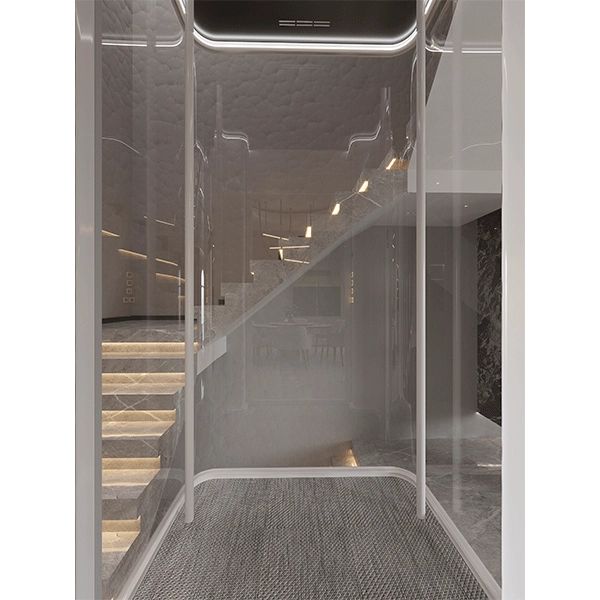
Simple and elegant villa home elevator Model-mini
The Model-Mini is a home villa elevator in the Italian minimalist style. It features the most advanced elevator technology and has comprehensive safety protection measures. It is the most reliable guarantee for your passage in villa homes
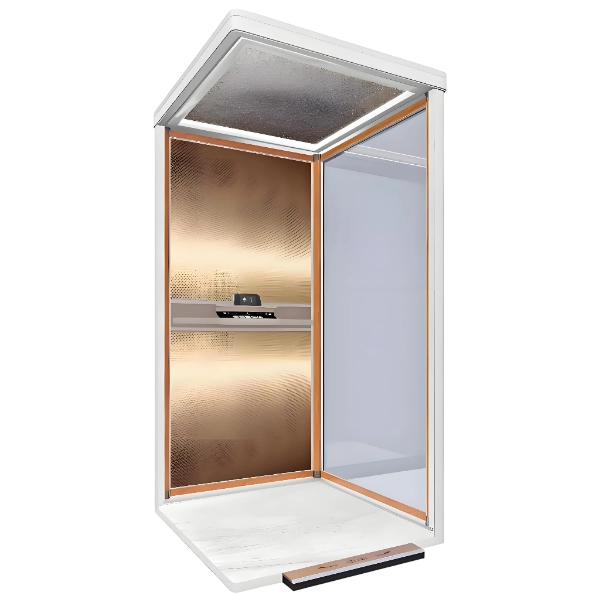
High-end and elegant villa home elevator Model-A
The Model A is a home villa elevator in the Italian minimalist style. It features the most advanced elevator technology and has comprehensive safety protection measures. It is the most reliable guarantee for your passage in villa homes.
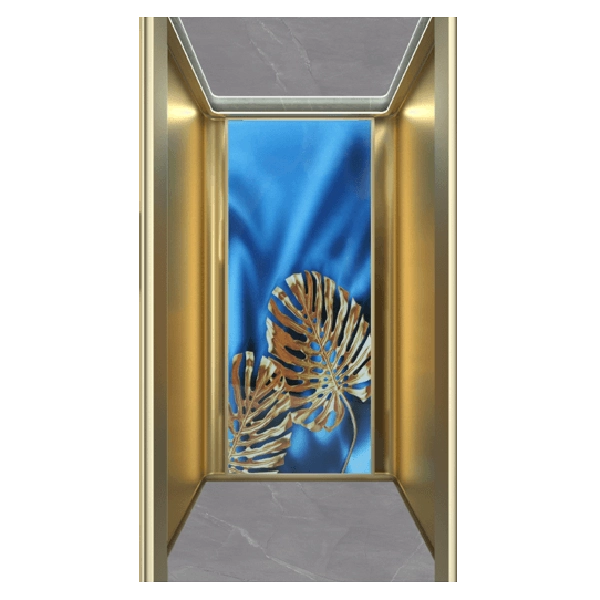
Minimalist design high-end and elegant villa home elevator Model-Q
The Model-Q is a home villa elevator in the Italian minimalist style. It features the most advanced elevator technology and has comprehensive safety protection measures. It is the most reliable guarantee for your passage in villa homes.
Let's get in touch
Email: lin@solkerelevator.com
Tel: +86 133 1668 7566
Address: Floor 1, Building D, Nanxin Industry International, Nancheng District, Dongguan, China.
 Taiwan, China
 No. 21, Lane 38, 206 Yingtai Road, Yingge District, New Taipei City
 +886 0975-299-830
 United Arab Emirates
Capital Mall, Abu Dhabi, United Arab Emirates, 3rd floor, Luxera elevator +971 52 541 4685 Ceo@maharacare.com
 Melbourne, Australia
 19/12 Natalia Av, Oakleigh South, VIC 3167
+61 1300 771 86 sales@goldenhomelifts.com.au
Sydney, Australia
U28/323 Chisholm Road, Auburn, NSW 2144
+61 1300 771 86 sales@goldenhomelifts.com.au
SOLKER
SOLKER