


Energy Efficiency and Maintenance of the Model-mini Outdoor Elevator
- Energy Efficiency and Maintenance of the Model-mini Outdoor Elevator
- Introduction: Why energy and upkeep matter for your outdoor home elevator
- Understand the Model-mini: design and built-in efficiency
- Core energy-saving features to prioritize
- Drive types compared — energy and suitability for outdoor home elevators
- How regenerative drives save energy in villa elevators
- Weatherproofing and insulation: why it affects energy and maintenance
- Routine maintenance checklist for energy-efficient operation
- Seasonal considerations for outdoor elevators
- Troubleshooting common energy-related issues
- Cost and ROI: energy savings vs. maintenance investment
- Safety, compliance, and inspection requirements
- Brand advantages of the Simple and elegant villa home elevator Model-mini
- FAQs — Energy Efficiency and Maintenance for the Model-mini
- Contact to learn more or view the Model-mini
- Authoritative references and further reading

Energy Efficiency and Maintenance of the Model-mini Outdoor Elevator
Introduction: Why energy and upkeep matter for your outdoor home elevator
Outdoor home elevators for villas blend convenience, accessibility, and design. The Simple and elegant villa home elevator Model-mini is an Italian minimalist outdoor home elevator designed to bring style and safety to modern villa residences. Maintaining high energy efficiency and following a robust maintenance plan not only reduces operating costs but also extends service life, ensures passenger safety, and preserves the elevator’s appearance and resale value. Below is a practical, expert guide to help owners, property managers, and installers optimize performance and lifecycle costs for the Model-mini outdoor elevator. With performance and efficiency clarified, homeowners often compare available solutions. Comparing outdoor home elevator types for luxury residences helps identify how Model-mini stacks up against alternative systems in terms of comfort, footprint, and design flexibility.
Understand the Model-mini: design and built-in efficiency
Product snapshot:
The Model-Mini is a home villa elevator in the Italian minimalist style. It features the most advanced elevator technology and has comprehensive safety protection measures. It is the most reliable guarantee for your passage in villa homes
The Model-mini outdoor home elevator is engineered with villa environments in mind: compact footprint, weather-resistant enclosure options, and finishes that match luxury exteriors. Its architecture emphasizes efficient mechanical systems (compact, high-efficiency drives), LED lighting, and standby control logic to minimize idle losses — all important for outdoor installations where exposure and access patterns differ from indoor lifts.
Core energy-saving features to prioritize
When evaluating or operating an outdoor home elevator such as the Model-mini, look for these energy-saving elements:
- High-efficiency drive systems: Gearless traction or compact permanent-magnet synchronous motors typically consume less energy than older hydraulic systems for frequent short trips.
- Regenerative drives: Return braking energy to the building grid or convert it for reuse, reducing net consumption during frequent stops and descents.
- Standby and sleep modes: Intelligent controllers cut power to nonessential systems (lighting, ventilation, display) when idle.
- LED lighting and low-power controls: LEDs and efficient control electronics lower auxiliary loads that otherwise add up over years.
- Insulated and sealed cabin/enclosure: For outdoor models, good seals prevent heat loss/gain that forces climate control systems (if installed) to work harder.
Drive types compared — energy and suitability for outdoor home elevators
Choosing the right drive affects both energy use and maintenance. The table below compares commonly used drive technologies for small outdoor home elevators.
| Drive Type | Typical Annual Energy Use (kWh) | Energy Efficiency | Maintenance Profile | Outdoor Suitability |
|---|---|---|---|---|
| Gearless traction (permanent-magnet) | 150–350 | High | Low (fewer wearing parts) | Excellent (compact, can be sealed) |
| Regenerative traction | 120–300 | Very High (recovers braking energy) | Moderate (electronics require care) | Very Good (requires protected electronics enclosure) |
| Hydraulic (oil-based) | 300–700 | Lower for frequent use | Higher (hydraulic seals, fluid maintenance) | Fair (pump room required; outdoor pumps need protection) |
Notes: figures are indicative for typical home usage profiles (several short trips per day). Actual consumption depends on travel height, load, stops, and usage patterns. See references for manufacturer data and independent analyses.
How regenerative drives save energy in villa elevators
Regenerative systems convert kinetic energy during deceleration into electrical energy. In villas where the elevator makes many short trips (downward travel with heavy loads), regeneration can reduce net electricity by up to 20–40% compared to non-regenerative systems. For an outdoor home elevator like the Model-mini, regeneration is ideal because frequent stop-start patterns are common. When pairing regenerative drives with well-designed standby strategies, cumulative savings over the lifetime of the elevator can be substantial.
Weatherproofing and insulation: why it affects energy and maintenance
Outdoor installations expose equipment to temperature swings, humidity, rain, salt (coastal locations), dust, and UV. Proper enclosure design reduces the need for climate control inside the car and protects electronics—both of which cut energy and maintenance costs. Key actions include:
- High-quality gaskets and drainage to prevent water ingress
- Thermal breaks and insulation to limit heat transfer
- UV-resistant finishes and corrosion-resistant materials (stainless steel, powder coatings)
- Climate-controlled machine room or fully sealed control cabinets with ventilation and filtering
Routine maintenance checklist for energy-efficient operation
Consistent, scheduled maintenance keeps the Model-mini running efficiently. A suggested checklist (frequency indicated) follows practical industry best practices adapted for villa outdoor elevators:
- Monthly: Visual inspection of rails, rollers, door operation, and seals; check cabin lighting and control responses.
- Quarterly: Lubricate guide rails where specified, check battery backups, verify door closers and sensors, inspect drainage paths.
- Biannual: Test safety devices (overspeed governor, emergency brakes), firmware and control software updates, check electrical connections for corrosion.
- Annual: Full performance tune-up by certified technician: motor/drive inspection, hydraulic fluid test (if applicable), seal replacement as needed, load test, and energy consumption audit.
- As-needed: Promptly address unusual noises, vibration, or inconsistent door operation—these can be signs of energy losses or failing components.
Seasonal considerations for outdoor elevators
Different seasons pose specific risks and energy impacts. Practical steps to minimize problems and energy waste:
- Winter: Ensure door and seal heaters (if provided) are functional to prevent ice buildup; check battery state of charge for emergency lowering during power outages.
- Summer: Verify ventilation and cooling for control electronics to avoid thermal derating and inefficiencies; inspect UV-exposed seals and finishes.
- Rainy/Storm seasons: Confirm drainage and gasket integrity; inspect external conduit entries and weatherproof enclosures to prevent short circuits and corrosion.
Troubleshooting common energy-related issues
Typical issues that increase energy use or indicate maintenance needs include:
- Inefficient travel or jerky starts — often due to control tuning or motor drive faults. A firmware or parameter re-tune by a technician can restore smooth, efficient operation.
- Continuous cabin lighting or ventilation remaining on — check control logic and occupancy sensors; set timers to reduce idle energy.
- Hydraulic leaks — cause loss of pressure and increased pump run-time; requires immediate attention to avoid energy waste and environmental hazards.
- Corroded electrical connections — increase resistance and heat, leading to higher consumption and potential failures.
Cost and ROI: energy savings vs. maintenance investment
Investing in efficient components (regenerative drives, LED lighting, good seals) adds upfront cost but typically shortens payback periods through lower operating costs and reduced maintenance. Example estimate for a typical villa elevator (illustrative):
| Item | Added Upfront Cost (USD) | Estimated Annual Energy Savings (USD) | Estimated Payback |
|---|---|---|---|
| Regenerative drive | 1,500–4,000 | 120–400 | 4–12 years |
| Weatherproofing & insulation upgrades | 800–2,500 | 50–150 | 5–12 years |
| LED and efficient lighting control | 200–600 | 15–50 | 3–8 years |
These figures are indicative. Evaluate based on local electricity prices, usage patterns, and specific configuration of the Model-mini installed in your villa.
Safety, compliance, and inspection requirements
Safety is non-negotiable. Outdoor home elevators must meet local codes and relevant standards (e.g., EN 81 series in Europe, ASME A17.1/CSA B44 in North America). Regular inspections by certified technicians and adherence to statutory testing intervals are essential not only for occupant safety but also for maintaining energy-efficient performance. Keep documentation of inspections and maintenance to support warranty claims and resale valuation.
Brand advantages of the Simple and elegant villa home elevator Model-mini
The Model-mini is purpose-built for upscale villas: it combines Italian minimalist aesthetics with modern elevator technology. Key brand advantages:
- Design synergy: Minimalist lines, customizable finishes, and compact installation options suited to both new villas and retrofit projects.
- Advanced drive options: Support for gearless, compact traction and regenerative drives to optimize energy use.
- Comprehensive safety: Multiple safety layers tailored for private-home use, including redundant brakes, emergency lowering, and intuitive controls.
- Service network and documentation: Professional commissioning, maintenance packages, and clear lifecycle documentation that meet E-E-A-T expectations for buyers and property managers.
FAQs — Energy Efficiency and Maintenance for the Model-mini
Q1: How much electricity will a Model-mini outdoor home elevator use per year?
A1: Usage varies with drive type, travel height, load, and number of trips. Typical ranges: 120–700 kWh/year. Gearless and regenerative systems are at the lower end. Have a certified technician perform an energy audit for an accurate estimate.
Q2: Is a regenerative drive worth the cost for a private villa?
A2: If your elevator sees frequent trips and significant weight variance, a regenerative drive often pays back its extra cost through energy savings. For very infrequent usage, payback may be slower.
Q3: How often should outdoor elevator seals and finishes be inspected?
A3: Visual inspection monthly; service technician review annually. In corrosive or coastal environments increase the inspection frequency.
Q4: Can I retrofit my existing outdoor elevator to improve energy efficiency?
A4: Many improvements — such as LED lighting, control logic updates, and sometimes drive retrofits — are possible. Feasibility depends on existing machine type and space. Consult an authorized installer.
Q5: What are the most common maintenance issues for outdoor elevators?
A5: Water ingress, corroded connections, worn door seals, and hydraulic leaks (if applicable) are common. Prompt attention prevents energy waste and safety issues.
Contact to learn more or view the Model-mini
If you are considering the Simple and elegant villa home elevator Model-mini for your villa, contact our sales and technical team for a site assessment, energy audit, and personalized maintenance plan. Schedule a demonstration or request a quotation to review drive options, finishing choices, and service packages tailored to outdoor installations.
Authoritative references and further reading
- Elevator — Wikipedia
- EN 81 — Safety rules for the construction and installation of lifts (Wikipedia)
- ASME A17.1 / CSA B44 safety codes (ASME)
- KONE — Eco-efficient elevators
- Otis — ReGen® Drive (regenerative elevator technology)
For installation, commissioning, and routine maintenance, always use certified elevator technicians and follow local regulations. Regular energy audits and preventive maintenance are the most effective ways to keep your Model-mini outdoor home elevator safe, efficient, and reliable.
Contact us: For product details, pricing, or to arrange an on-site evaluation, please contact our sales team or request a product brochure for the Simple and elegant villa home elevator Model-mini.
Design Tips: Integrating an In-Home Elevator into Modern Homes
Where to Buy stainless steel villa elevator in Saudi Arabia
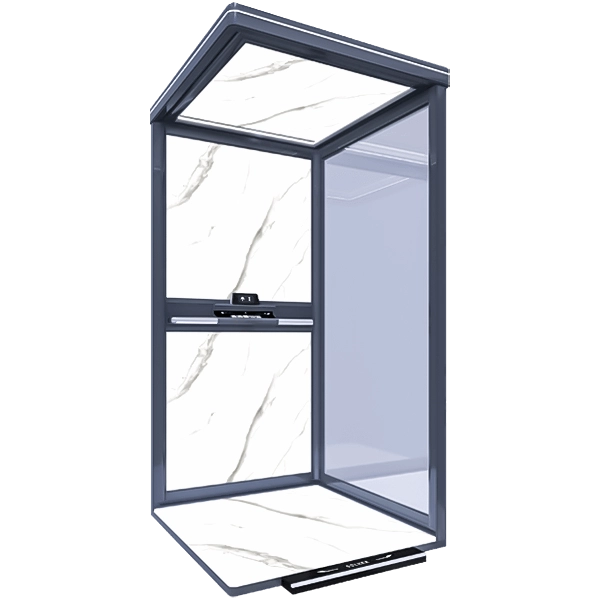
Best maintenance practices for Minimalist Model-S owners
Integration of Model-S Elevator with Smart Home Systems
Customize
Can I choose specific materials or colors for the cabin?
Yes. We offer a wide range of premium materials and finishes — from stone to wood to glass.
Can I customize the elevator to match my home style?
Absolutely. We offer multiple cabin styles, materials, and finishes to suit modern, classic, or minimalist interiors.
How long does a custom order take to deliver?
On average, production takes 30–45 days after confirmation, depending on your configuration.
Can the elevator design be matched to my home's architecture?
Absolutely. Our designers tailor each cabin to complement your interior layout and style.
Product
How long is the production date required?
Under normal circumstances, the production time is 35 to 45 days.
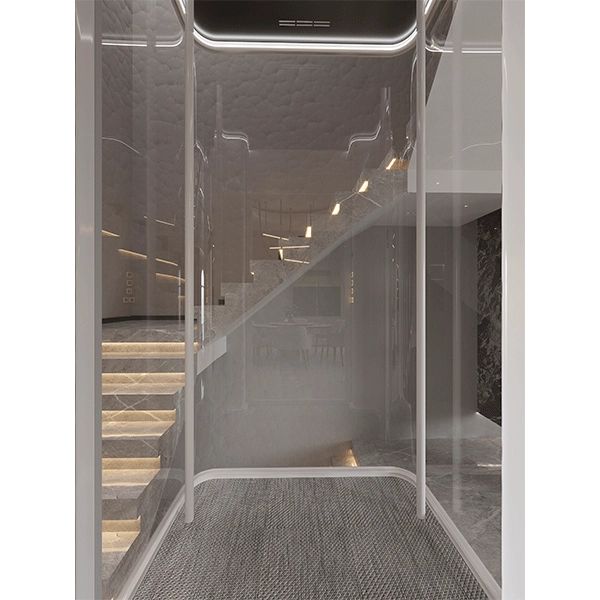
Simple and elegant villa home elevator Model-mini
The Model-Mini is a home villa elevator in the Italian minimalist style. It features the most advanced elevator technology and has comprehensive safety protection measures. It is the most reliable guarantee for your passage in villa homes
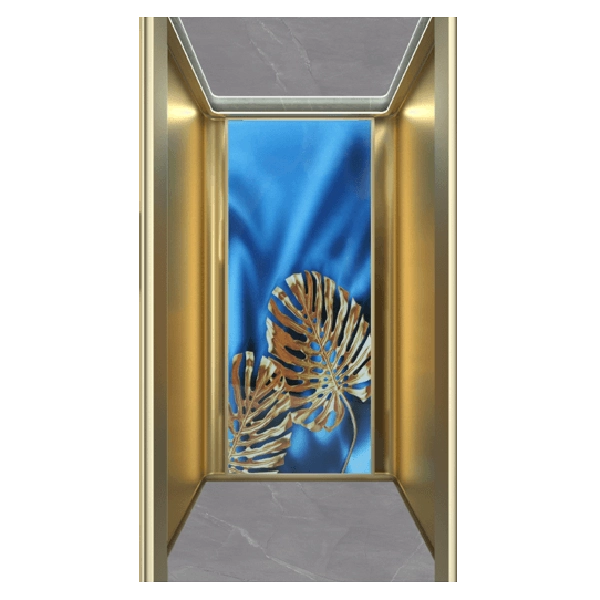
Minimalist design high-end and elegant villa home elevator Model-Q
The Model-Q is a home villa elevator in the Italian minimalist style. It features the most advanced elevator technology and has comprehensive safety protection measures. It is the most reliable guarantee for your passage in villa homes.
Minimalist design high-end and elegant villa home elevator Model-S
The Model-S is a home villa elevator in the Italian minimalist style. It features the most advanced elevator technology and has comprehensive safety protection measures. It is the most reliable guarantee for your passage in villa homes.
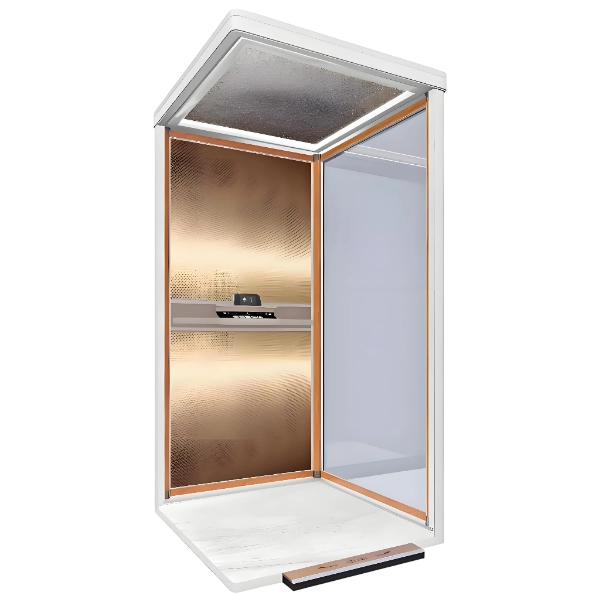
High-end and elegant villa home elevator Model-A
The Model A is a home villa elevator in the Italian minimalist style. It features the most advanced elevator technology and has comprehensive safety protection measures. It is the most reliable guarantee for your passage in villa homes.
Let's get in touch
Email: lin@solkerelevator.com
Tel: +86 133 1668 7566
Address: Floor 1, Building D, Nanxin Industry International, Nancheng District, Dongguan, China.
 Taiwan, China
 No. 21, Lane 38, 206 Yingtai Road, Yingge District, New Taipei City
 +886 0975-299-830
 United Arab Emirates
Capital Mall, Abu Dhabi, United Arab Emirates, 3rd floor, Luxera elevator +971 52 541 4685 Ceo@maharacare.com
 Melbourne, Australia
 19/12 Natalia Av, Oakleigh South, VIC 3167
+61 1300 771 86 sales@goldenhomelifts.com.au
Sydney, Australia
U28/323 Chisholm Road, Auburn, NSW 2144
+61 1300 771 86 sales@goldenhomelifts.com.au
SOLKER
SOLKER