


Best maintenance practices for Minimalist Model-S owners
- Why tailored maintenance matters for villa outdoor elevators
- Environmental challenges for outdoor home elevator installations
- Design-specific risks for Minimalist Model-S
- Standards and industry guidance to follow
- Proactive maintenance checklist and schedule
- Daily and weekly routines
- Monthly and quarterly maintenance
- Annual inspections and compliance checks
- Maintenance schedule table (recommended frequencies)
- Technical best practices: mechanical, electrical, and software
- Corrosion protection and weatherproofing
- Brake, motor, and drivetrain care
- Control systems, sensors, and remote diagnostics
- Operational safety, emergency preparedness, and documentation
- Testing emergency systems and occupant rescue
- Recordkeeping, training, and E-E-A-T compliance
- When to call professional service
- Model-S product introduction
- Design care hints for longevity
- Energy and sustainability considerations
- FAQ — Frequently asked questions
- How often should I schedule professional maintenance for my Model-S outdoor home elevator?
- Can I perform basic maintenance myself?
- What should I do if my elevator shows an error code or alarm?
- Are there special considerations for coastal or salt-air locations?
- Which standards should I reference for maintenance compliance?
- Contact and product CTA
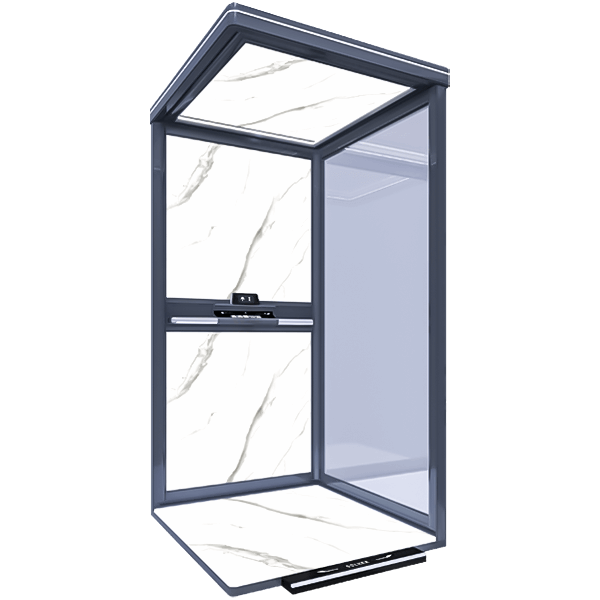
The Minimalist design high-end and elegant villa home elevator Model-S is engineered for refined villa settings and outdoor installations. For owners of outdoor home elevator systems like the Model-S, a maintenance program that addresses environmental exposure, advanced control systems, and stringent safety standards is essential. This guide provides practical, standards-backed maintenance practices you can implement or require from service providers to keep your Model-S performing safely and reliably.
Why tailored maintenance matters for villa outdoor elevators
Environmental challenges for outdoor home elevator installations
Outdoor home elevator installations face different stressors than indoor elevators: UV radiation, rain and humidity, temperature swings, airborne salts (in coastal areas), and increased risk of debris ingress. These factors accelerate corrosion, degrade seals, and can impact electronics if not addressed proactively. Owners should understand how the outdoor environment affects specific components of the Model-S so preventive actions are targeted and effective.
Design-specific risks for Minimalist Model-S
The Minimalist design high-end and elegant villa home elevator Model-S balances an open, refined aesthetic with advanced elevator technology. That aesthetic often includes large glazed panels, slim structural members, and integrated controls. These features require attention to glazing seals, slim-profile structural protection, and precise alignment checks. The Model-S is built with comprehensive safety protection measures, but long-term reliability depends on maintenance that respects its Italian minimalist materials and finishes.
Standards and industry guidance to follow
Maintenance and inspection should align with recognized codes and standards. Internationally referenced documents include general elevator information (see Elevator — Wikipedia) and region-specific safety codes such as EN 81 (Europe) and ASME A17.1 (North America). For global standardization and technical committees, consult the International Organization for Standardization (ISO). Following these references helps ensure compliance and supports safe operation.
Proactive maintenance checklist and schedule
Daily and weekly routines
Daily and weekly tasks are lightweight but they catch early signs of problems. Recommended routine checks for an outdoor home elevator like the Model-S include:
- Visual inspection of exterior glazing, seals, and drainage paths for blockages or water pooling.
- Check cabin operation (smooth start/stop, no unusual noises) during at least one full run.
- Verify emergency communication (intercom/phone) is functional.
- Quick check of the controller display for alarms or warnings.
Monthly and quarterly maintenance
These tasks require more hands-on attention and should be performed by qualified technicians or trained facilities staff:
- Inspect and clean door tracks, weather seals, and cabin threshold; replace damaged seals promptly.
- Lubricate guide rails and moving parts per manufacturer recommendations using corrosion-resistant lubricants.
- Check and tighten accessible fasteners on structural elements; inspect for micro-movements or unusual wear.
- Test safety devices (safety gear, overspeed governor triggers where applicable) under controlled conditions.
Annual inspections and compliance checks
At least once per year (or more often per local code), perform a full service inspection by a certified elevator technician. This should include:
- Detailed electrical inspection: controller, drives, sensors, and emergency power/battery backup.
- Mechanical inspection: motor, gearbox (if present), brake condition, cable or belt wear, and guide rail alignment.
- Corrosion assessment and repaint or protective coating touch-up for exposed metal parts.
- Documentation review and updating service logs, certification, and parts replacements.
Maintenance schedule table (recommended frequencies)
| Task | Daily/Weekly | Monthly/Quarterly | Annual |
|---|---|---|---|
| Visual exterior and drain check | ✓ | ✓ | ✓ |
| Door and seal inspection | ✓ | ✓ (replace if degraded) | |
| Guide rail lubrication | ✓ | ✓ (full service) | |
| Control system diagnostics | ✓ (alarm check) | ✓ (software/firmware review) | ✓ (safety compliance test) |
| Emergency battery backup test | ✓ |
Technical best practices: mechanical, electrical, and software
Corrosion protection and weatherproofing
For an outdoor home elevator, corrosion is a primary long-term threat. Minimalist finishes and slim profiles demand careful preservation:
- Ensure proper drainage under and around pit and supporting structures to prevent standing water.
- Use corrosion-resistant fasteners and coatings—consider stainless steel (A4) or appropriate marine-grade treatments in coastal environments.
- Replace or refurbish rubber and silicone seals at first signs of cracking; glass-to-frame seals should be water- and UV-resistant to preserve performance and appearance.
Manufacturer-recommended protective coatings should be used during annual maintenance. For technical reference on corrosion control and material selection, consult engineering best practices and ISO material standards available via ISO.
Brake, motor, and drivetrain care
The Model-S uses advanced drive and safety systems; correct maintenance of brakes, motors, and any traction belts or cables is critical:
- Check brake linings and friction surfaces for wear; measure stopping distances during a controlled test and compare against manufacturer tolerances.
- Inspect motor mounts, vibration isolators, and coupling elements for looseness or fatigue; maintain proper torque on motor mounting hardware.
- For traction systems, inspect ropes/belts for wear patterns; maintain correct tension and alignment to reduce premature wear.
Control systems, sensors, and remote diagnostics
Modern villa elevators like the Model-S integrate advanced electronic controls, sensors, and often remote monitoring. Best practices include:
- Keep firmware and control software up to date according to release notes, but apply updates on a scheduled test cycle to avoid unexpected changes.
- Implement remote diagnostics or cloud-based monitoring where possible to receive early warnings of anomalies (vibration, temperature rise, repeated faults).
- Log sensor outputs and alarm history; use this data to spot trends that predict failures before they occur.
Remote health monitoring can reduce downtime and improve safety; ensure data privacy and cybersecurity measures are part of any connected solution.
Operational safety, emergency preparedness, and documentation
Testing emergency systems and occupant rescue
Owners must ensure emergency communication, lighting, and battery backup systems are functional. Recommended actions:
- Monthly test of the emergency intercom/phone and cabin lighting on battery power.
- Annual load tests and drill with your service provider to confirm safe rescue procedures and response times.
- Maintain an up-to-date rescue and emergency plan posted where building staff and household members can access it.
Recordkeeping, training, and E-E-A-T compliance
Robust documentation is both a safety and compliance requirement. Keep a maintenance log that records:
- Date and description of every inspection, service action, and parts replaced.
- Technician qualifications and certification numbers for major inspections—prefer technicians certified to local or international standards such as those referenced in ASME A17.1 or EN 81.
- Firmware versions, software update records, and any remote-monitoring vendor reports.
Maintaining thorough records demonstrates Expertise, Experience, Authoritativeness, and Trustworthiness (E-E-A-T) and helps in claims processing, resale value, and regulatory inspections.
When to call professional service
Call certified technicians when you encounter any of these signs:
- Persistent or worsening unusual noises from the motor, gearbox, or guide rails.
- Fluid leaks near machinery spaces or hydraulic components.
- Repeated control faults, sudden changes in speed, or safety device activations.
- Visible structural buckling, excessive vibration, or severe corrosion.
Minor cleaning, seal replacement, and routine lubrication can be handled by trained building staff, but any safety-critical repair or major electrical/mechanical work should be done by certified professionals.
Model-S product introduction
The Model-S is a home villa elevator in the Italian minimalist style. It features the most advanced elevator technology and has comprehensive safety protection measures. It is the most reliable guarantee for your passage in villa homes.
Design care hints for longevity
Protect the Model-S finishes by using non-abrasive, pH-neutral cleaning agents on glazed panels and metal trims. Refinish or touch up exposed metal work using manufacturer-approved paints or coatings to preserve the minimalist aesthetic while preventing degradation.
Energy and sustainability considerations
Consider scheduling efficiency assessments. Many modern home elevators have variable-frequency drives and regenerative braking options—maintaining optimal drive settings and ensuring components operate within designed temperature ranges can reduce energy consumption and extend component life. For broader guidance on energy efficiency standards and measurement, consult resources from ISO or regional energy standards bodies.
FAQ — Frequently asked questions
How often should I schedule professional maintenance for my Model-S outdoor home elevator?
At minimum, schedule a certified technician inspection annually. For outdoor installations or harsh environments (coastal, high humidity), consider semi-annual inspections. Follow the detailed monthly and quarterly tasks listed above to reduce the need for emergency repairs.
Can I perform basic maintenance myself?
Yes—owners or facility staff can perform visual inspections, cleaning of exterior surfaces, clearing drainage paths, and basic lubrication of accessible components. However, safety-critical inspections, electrical work, brake adjustments, and rescue training must be done by qualified professionals.
What should I do if my elevator shows an error code or alarm?
Record the exact error code, cabin status, and any sounds or behaviors. If the elevator remains stopped or the alarm indicates a safety device activation, contact your certified service provider immediately. If the cabin contains passengers, follow emergency communication procedures and do not attempt to force doors open.
Are there special considerations for coastal or salt-air locations?
Yes. Salt air accelerates corrosion. Use marine-grade fasteners, increase inspection frequency, ensure seals and coatings are in pristine condition, and rinse exposed metal surfaces periodically to remove salt deposits. Annual corrosion audits are strongly recommended.
Which standards should I reference for maintenance compliance?
Consult the relevant regional code (for example, EN 81 in Europe or ASME A17.1 in North America) and international guidance from ISO. These will help determine inspection intervals, testing methods, and certification requirements.
Contact and product CTA
If you own or are considering the Minimalist design high-end and elegant villa home elevator Model-S and would like a tailored maintenance plan, certified service partners, or more product details, please contact our support team or view the Model-S product page. Professional maintenance and proactive care protect your investment and ensure the safety of everyone who depends on your outdoor home elevator.
Contact us: Email: support@villa-elevator.example | Phone: +1-800-XXX-XXXX | View Model-S details and request a service quote
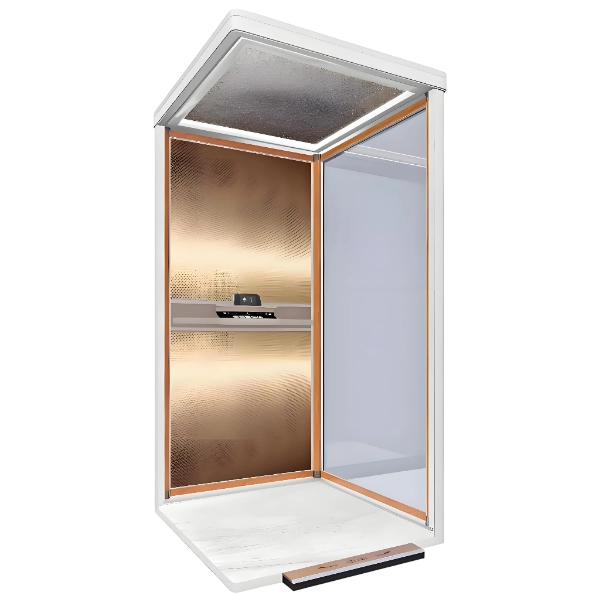
Design Tips to Blend a Luxury Elevator with Villa Interiors
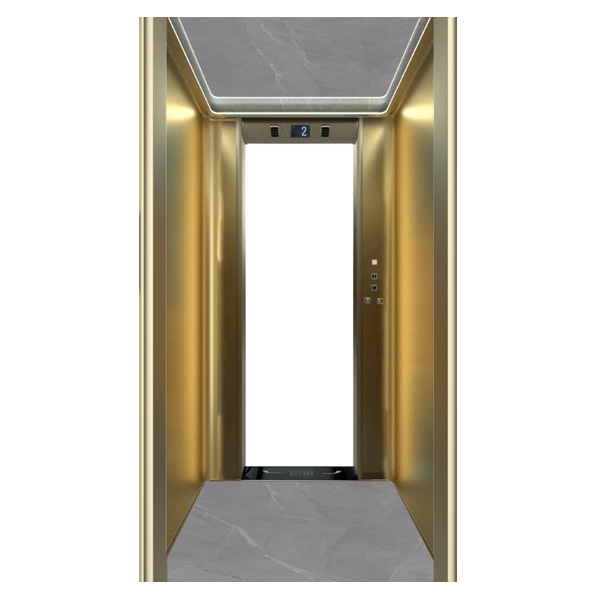
Value Added: How a Luxury Home Elevator Impacts Property Appeal
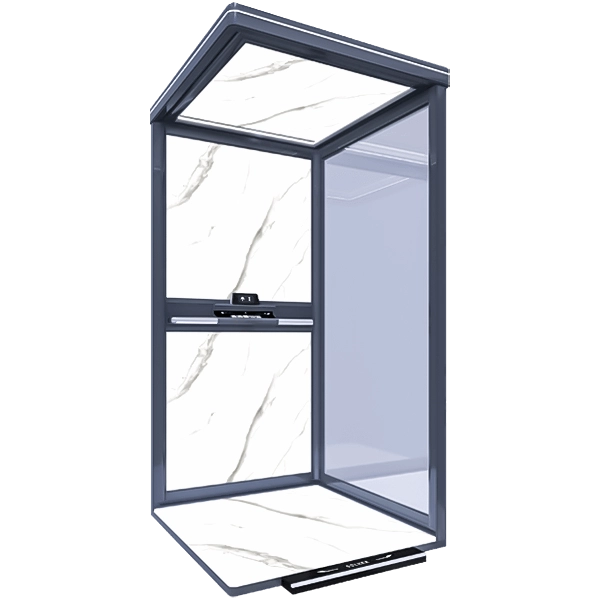
Preparing your villa for outdoor home elevator installation
Customizing Your High-end and Elegant Villa Home Elevator Model-A
Customize
Can the elevator design be matched to my home's architecture?
Absolutely. Our designers tailor each cabin to complement your interior layout and style.
How long does a custom order take to deliver?
On average, production takes 30–45 days after confirmation, depending on your configuration.
How does the customization process work?
Our design team will guide you through the steps: style selection, material choice, and 3D visualization before confirmation.
Product
How long is the production date required?
Under normal circumstances, the production time is 35 to 45 days.
How to install an elevator and what is the warranty?
We have overseas technicians who are at your service 24 hours a day, 365 days a year.
Minimalist design high-end and elegant villa home elevator Model-S
The Model-S is a home villa elevator in the Italian minimalist style. It features the most advanced elevator technology and has comprehensive safety protection measures. It is the most reliable guarantee for your passage in villa homes.
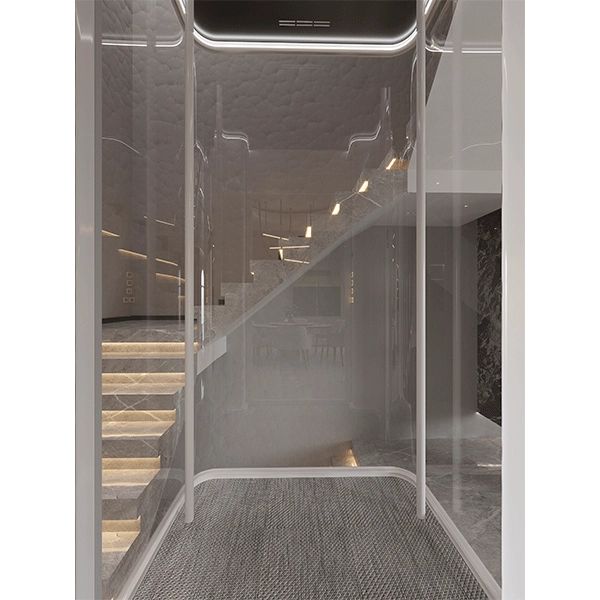
Simple and elegant villa home elevator Model-mini
The Model-Mini is a home villa elevator in the Italian minimalist style. It features the most advanced elevator technology and has comprehensive safety protection measures. It is the most reliable guarantee for your passage in villa homes
High-end and elegant villa home elevator Model-A
The Model A is a home villa elevator in the Italian minimalist style. It features the most advanced elevator technology and has comprehensive safety protection measures. It is the most reliable guarantee for your passage in villa homes.
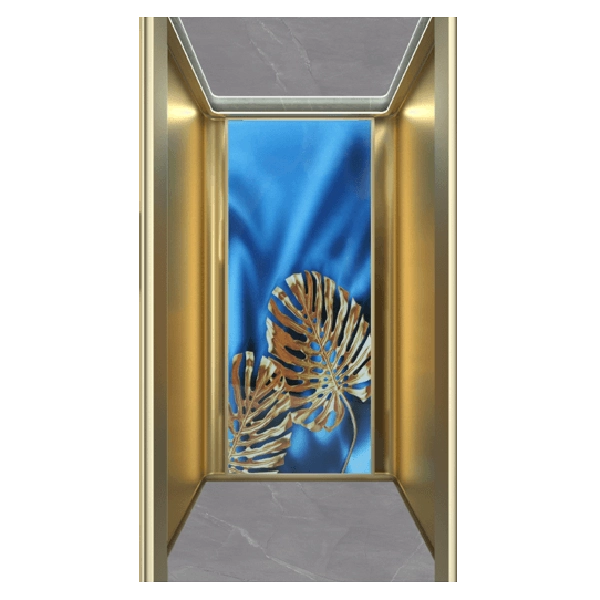
Minimalist design high-end and elegant villa home elevator Model-Q
The Model-Q is a home villa elevator in the Italian minimalist style. It features the most advanced elevator technology and has comprehensive safety protection measures. It is the most reliable guarantee for your passage in villa homes.
Let's get in touch
Email: lin@solkerelevator.com
Tel: +86 133 1668 7566
Address: Floor 1, Building D, Nanxin Industry International, Nancheng District, Dongguan, China.
 Taiwan, China
 No. 21, Lane 38, 206 Yingtai Road, Yingge District, New Taipei City
 +886 0975-299-830
 United Arab Emirates
Capital Mall, Abu Dhabi, United Arab Emirates, 3rd floor, Luxera elevator +971 52 541 4685 Ceo@maharacare.com
 Melbourne, Australia
 19/12 Natalia Av, Oakleigh South, VIC 3167
+61 1300 771 86 sales@goldenhomelifts.com.au
Sydney, Australia
U28/323 Chisholm Road, Auburn, NSW 2144
+61 1300 771 86 sales@goldenhomelifts.com.au
SOLKER
SOLKER