


Design Tips to Blend a Luxury Elevator with Villa Interiors
Designing a luxury elevator that feels like a natural extension of a villa interior requires attention to scale, sightlines, materials, lighting and technical constraints. For homeowners and designers aiming to integrate a luxury elevator into elegant villa spaces, this guide outlines practical tips, safety and code considerations, material and finish choices, and how to use the High-end and elegant villa home elevator Model-A to achieve a seamless result. The suggestions below help balance aesthetics, comfort and functionality while honoring the Italian minimalist design ethos.
- Integrating elevator architecture with interior flow
- Understand circulation and sightlines
- Scale, proportion and visual balance
- Integrating the elevator with stairs and ramps
- Materials, finishes and the Italian minimalist aesthetic
- Choosing complementary materials
- Color palettes and texture balance
- Door styles, frames and hardware
- Lighting, acoustics, technology and safety
- Layered lighting for mood and function
- Acoustic comfort and vibration control
- Smart controls, accessibility and compliance
- Practical installation considerations and retrofit strategies
- New build vs retrofit: structural and spatial constraints
- Service access, maintenance and longevity
- Timeline, costs and value proposition
- Brand integration: showcasing the Model-A in villa projects
- Product spotlight: High-end and elegant villa home elevator Model-A
- Why the Model-A complements luxury villas
- Compliance, warranties and after-sales
- Finishing touches: styling cues and personalization
- Cab interiors as curated living spaces
- Signature details and hardware choices
- Landscaping and exterior integration
- FAQs
- How much space does a luxury villa elevator like the Model-A require?
- Can the Model-A be installed in an existing villa without major structural changes?
- What safety standards govern residential elevators?
- How do I maintain acoustic privacy with a glass or panoramic elevator?
- Are there eco-friendly options for luxury elevators?

The integration of a luxury elevator into villa interiors should feel intentional and refined — an architectural element that enhances circulation and overall design rather than interrupting it. This guide provides practical, design-forward strategies to blend a luxury elevator with villa décor, floor plans and lifestyle requirements. It also highlights how the High-end and elegant villa home elevator Model-A can serve as both a visual and functional centerpiece in contemporary luxury residences.
Integrating elevator architecture with interior flow
Understand circulation and sightlines
A successful integration begins with planning circulation. Positioning the elevator so that it complements primary circulation paths (stairs, corridors, entryways) avoids awkward detours and preserves natural movement. Use sightlines to your advantage: a glass or panoramic cab can extend views and visually connect floors, while a more enclosed car can provide privacy where required. When planning placement, coordinate with the architectural plans early — elevator shafts affect structural loads, floor penetrations and ceiling treatments.
Scale, proportion and visual balance
Proportion is critical. A too-large cabin overwhelms an intimate hall; a too-small cabin looks utilitarian in a grand foyer. Match elevator dimensions to ceiling heights and room volumes. Consider the vestibule or lobby area adjacent to the cab: adding an architectural frame, niche, or decorative surround helps the elevator read as intentional. For villas with double-height spaces, a glass shaft can create a sculptural vertical element that remains visually light.
Integrating the elevator with stairs and ramps
Consider the visual dialogue between stairs and the elevator. Aligning materials (handrails, treads, balustrades) or repeating a finish helps them read as part of the same design language. If the stair and elevator share the foyer, plan for consistent lighting levels and acoustic separation so activities on one don't disturb the other.
Materials, finishes and the Italian minimalist aesthetic
Choosing complementary materials
Luxury elevators should harmonize with surrounding finishes. For an Italian minimalist villa, favor natural materials: warm woods with matte finishes, honed stone, brushed metals and glass. The Model-A's Italian minimalist styling makes it easy to pair with oak paneling, plaster walls, or stone floors. Match or deliberately contrast the cab interior with the adjacent walls to either blend in or create a focal point.
Color palettes and texture balance
Minimalist palettes often use neutral tones — warm whites, soft greys, muted beiges. Use texture rather than color contrast: a lightly textured plaster wall adjacent to a smooth glass elevator provides subtle depth without visual clutter. For villas with more dramatic interiors, consider a tonal contrast: a darker cab interior framed by light marble floors can feel luxurious without breaking the minimalist ethic.
Door styles, frames and hardware
Door style affects perceived quality. Flush doors with concealed frames read as refined and modern; brushed metal or powder-coated frames can be matched to other hardware in the villa (door handles, lighting fixtures). For added coherence, specify the same metal finish used for balustrades or kitchen hardware. The Model-A supports multiple door finishes to align with your interior design scheme.
Lighting, acoustics, technology and safety
Layered lighting for mood and function
Good elevator lighting has both functional and aesthetic roles. Integrate ambient downlights, accent strips and soft plinth lighting to create depth. For glass or panoramic cabs, light control is important to avoid glare and reflections; dimmable fixtures or warm-color LED strips help maintain a comfortable atmosphere. Consider theatrical, directional lighting for a luxurious reveal as the doors open onto a foyer.
Acoustic comfort and vibration control
Acoustics are often overlooked. Use resilient mounts, well-insulated shafts and rubber buffers to minimize transmitted noise and vibration. Cab finishing materials (upholstery panels, acoustic wood slats) can reduce reverberation and improve the perceived luxury. For villas with quiet sleeping areas near the shaft, increased acoustic isolation prevents disturbance.
Smart controls, accessibility and compliance
Modern luxury elevators should deliver both elegance and functionality. Integrate discreet controls, app-based operation, biometric access or voice commands for convenience. Always ensure compliance with safety codes; for example, reference basic international standards such as the general principles found on the Elevator Wikipedia page (https://en.wikipedia.org/wiki/Elevator) and regulatory frameworks like ASME A17.1 for vertical transportation safety (https://en.wikipedia.org/wiki/ASME_A17.1). These sources help guide structural, electrical and safety planning.
Practical installation considerations and retrofit strategies
New build vs retrofit: structural and spatial constraints
In new construction, integrate the elevator early to optimize shaft location, pit depth and headroom. For retrofits, accurate site surveys are critical. Many villas have limited space; choosing a compact drive (gearless traction, compact MRL systems) or a thinner shaft wall can save space. The Model-A is engineered for villa homes and offers options for limited-shaft installations while maintaining safety and a luxury finish.
Service access, maintenance and longevity
Plan for discreet maintenance access. Locate machinery rooms where they are accessible for technicians but not disruptive to living spaces. Regular maintenance increases lifespan and preserves smooth, silent operation — key attributes of luxury elevators. Consider service agreements that include periodic inspections and preventive maintenance to maintain performance and warranty validity.
Timeline, costs and value proposition
Installation timelines typically range from several weeks (for well-prepared sites) to a few months (complex retrofits with structural work). Costs vary by shaft construction, drive system, finishes and optional features. While a luxury elevator is an investment, it adds functional value, accessibility and resale High Quality. To compare offerings, see the table below outlining typical differences.
| Feature | High-end Model-A (Italian minimalist) | Generic Residential Elevator | Basic Hydraulic Lift |
|---|---|---|---|
| Design language | Italian minimalist, customizable finishes | Simple, functional | Industrial, utilitarian |
| Noise & vibration | Low (gearless motors, acoustic insulation) | Moderate | Higher (hydraulic rumble) |
| Safety & standards | Advanced safety systems, code-compliant | Compliant to basic standards | Compliant, fewer lux features |
| Customization | High — doors, cab, lighting, materials | Limited | Low |
| Typical installation time | 6–12 weeks (site-dependent) | 4–8 weeks | 4–10 weeks |
Brand integration: showcasing the Model-A in villa projects
Product spotlight: High-end and elegant villa home elevator Model-A
The Model A is a home villa elevator in the Italian minimalist style. It features the most advanced elevator technology and has comprehensive safety protection measures. It is the most reliable guarantee for your passage in villa homes.
Why the Model-A complements luxury villas
The Model-A is crafted to pair with high-end architecture. Its Italian minimalist approach emphasizes clean lines, restrained detailing and High Quality materials — qualities that help the elevator blend into bespoke interiors rather than dominate them. Advanced drive systems ensure smooth rides and minimal mechanical noise, while modular finish options allow interior designers to match cabs to cabinetry, flooring and metalwork.
Compliance, warranties and after-sales
When choosing a luxury elevator, prioritize products that adhere to recognized standards and come with clear warranty and service options. The Model-A is designed to meet common international safety norms; for specifics about local regulatory requirements, consult resources such as the Americans with Disabilities Act summary (https://en.wikipedia.org/wiki/Americans_with_Disabilities_Act) and local building codes. Ensure a service plan is included to protect your investment and maintain performance over time.
Finishing touches: styling cues and personalization
Cab interiors as curated living spaces
Treat the cab like a miniature room: use coordinated wall panels, a subtle mirror to enlarge perceived depth, and soft underfoot finishes to match hall rugs. Small design moves, like bookmatched veneer or concealed ambient lighting, elevate the experience. Choose finishes that patina gracefully and are easy to clean.
Signature details and hardware choices
Hardware finishes (brass, bronze, matte black, chrome) should be consistent with the villa’s palette. Consider custom call-buttons, engraved plates or integrated artwork panels to make the elevator feel bespoke. For secure luxury homes, integrate access control that blends with the aesthetic, such as a fingerprint reader with the same metal finish as the handrail.
Landscaping and exterior integration
When the shaft or elevator faces landscaped areas or terraces, plan reflections and sightlines that use the elevator as an architectural lens to frame views. Exterior glass and minimal mullions preserve vistas, while integrated planters or low walls soften the transition between elevator architecture and landscape.
FAQs
How much space does a luxury villa elevator like the Model-A require?
Space requirements vary by configuration (car size, shaft type). Typical compact villa elevators can fit in shafts as small as 1.1m x 1.4m, but custom sizes are possible. Final space planning requires a site survey and structural review to determine pit depth and headroom. For precise dimensions, request the Model-A technical datasheet from our sales team.
Can the Model-A be installed in an existing villa without major structural changes?
Many retrofits are possible with minimal structural impact, especially when using machine-room-less (MRL) or compact drive solutions. However, some cases require floor reinforcement, pit creation or ceiling modifications. A professional on-site assessment will determine the ideal approach.
What safety standards govern residential elevators?
Residential elevators follow national and regional codes. Internationally recognized references include general guidance found on the Elevator Wikipedia page (https://en.wikipedia.org/wiki/Elevator) and standards like ASME A17.1 (https://en.wikipedia.org/wiki/ASME_A17.1). Local building authorities will specify the exact code requirements for installation and inspection in your jurisdiction.
How do I maintain acoustic privacy with a glass or panoramic elevator?
Use laminated acoustic glass, insulated shaft walls, and vibration-damping mounting systems. Interior acoustic panels and soft finishes inside the cab also reduce noise. Planning shaft routing away from bedrooms and using soundproof doors can further protect quiet zones.
Are there eco-friendly options for luxury elevators?
Yes — options include regenerative drives that return energy to the building grid, LED lighting, recyclable finishes and materials sourced with lower embodied carbon. The Model-A offers energy-efficient motors and LED systems as part of its configurable options.
If you have additional questions or want a site assessment to integrate the High-end and elegant villa home elevator Model-A into your project, contact our customer service team or request a product brochure.
Contact Customer Service: Click here to get in touch
View Product: High-end and elegant villa home elevator Model-A — Product Page
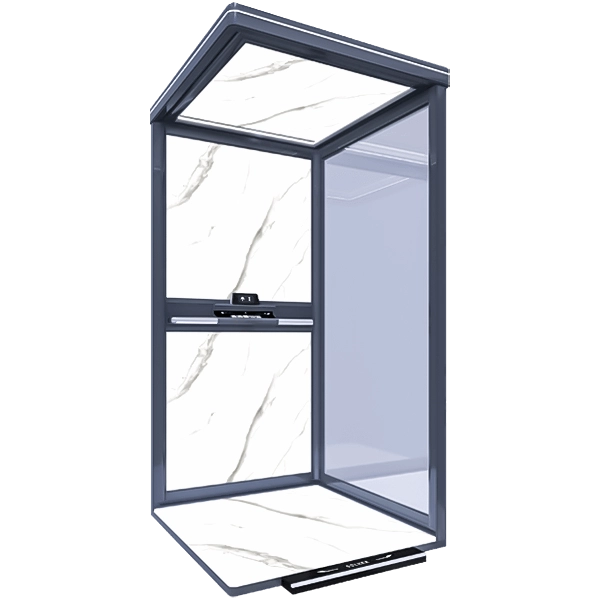
Installation Timeline and Project Management for Model-S Elevator
Compliance and Safety Standards for Elevator for Home Installations
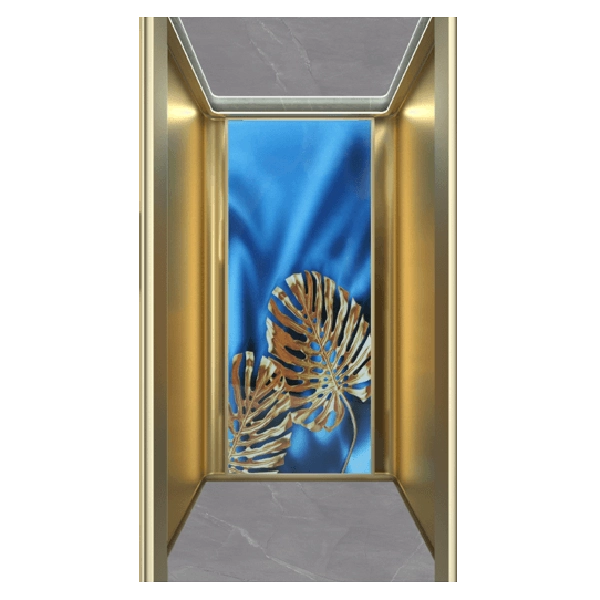
Logistics, Installation Planning and Lead Time for Model-Q
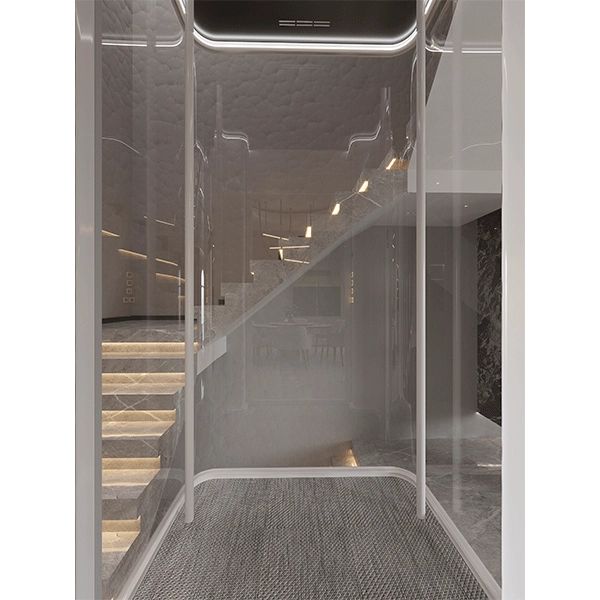
How the Model-mini Villa Home Elevator Enhances Curb Appeal
Customize
How does the customization process work?
Our design team will guide you through the steps: style selection, material choice, and 3D visualization before confirmation.
What parts of the elevator can be customized?
You can personalize wall panels, flooring, lighting, control panels, handrails, and door finishes.
Can I customize the elevator to match my home style?
Absolutely. We offer multiple cabin styles, materials, and finishes to suit modern, classic, or minimalist interiors.
How long does a custom order take to deliver?
On average, production takes 30–45 days after confirmation, depending on your configuration.
Product
How long is the production date required?
Under normal circumstances, the production time is 35 to 45 days.
Minimalist design high-end and elegant villa home elevator Model-Q
The Model-Q is a home villa elevator in the Italian minimalist style. It features the most advanced elevator technology and has comprehensive safety protection measures. It is the most reliable guarantee for your passage in villa homes.
Minimalist design high-end and elegant villa home elevator Model-S
The Model-S is a home villa elevator in the Italian minimalist style. It features the most advanced elevator technology and has comprehensive safety protection measures. It is the most reliable guarantee for your passage in villa homes.
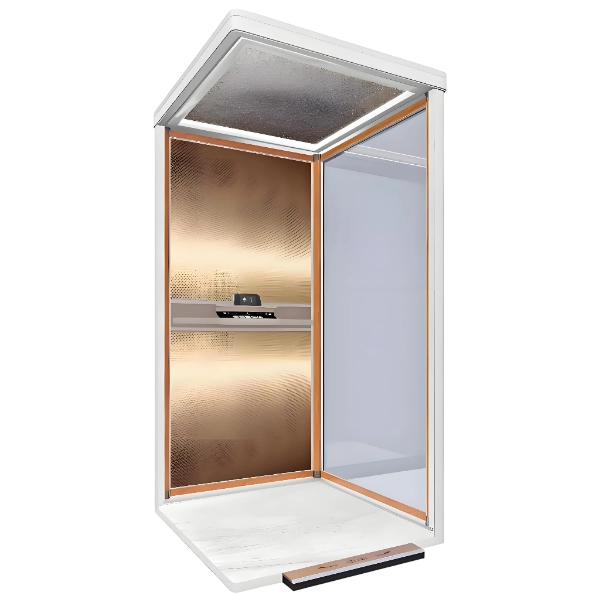
High-end and elegant villa home elevator Model-A
The Model A is a home villa elevator in the Italian minimalist style. It features the most advanced elevator technology and has comprehensive safety protection measures. It is the most reliable guarantee for your passage in villa homes.
Simple and elegant villa home elevator Model-mini
The Model-Mini is a home villa elevator in the Italian minimalist style. It features the most advanced elevator technology and has comprehensive safety protection measures. It is the most reliable guarantee for your passage in villa homes
Let's get in touch
Email: lin@solkerelevator.com
Tel: +86 133 1668 7566
Address: Floor 1, Building D, Nanxin Industry International, Nancheng District, Dongguan, China.
 Taiwan, China
 No. 21, Lane 38, 206 Yingtai Road, Yingge District, New Taipei City
 +886 0975-299-830
 United Arab Emirates
Capital Mall, Abu Dhabi, United Arab Emirates, 3rd floor, Luxera elevator +971 52 541 4685 Ceo@maharacare.com
 Melbourne, Australia
 19/12 Natalia Av, Oakleigh South, VIC 3167
+61 1300 771 86 sales@goldenhomelifts.com.au
Sydney, Australia
U28/323 Chisholm Road, Auburn, NSW 2144
+61 1300 771 86 sales@goldenhomelifts.com.au
SOLKER
SOLKER