


Installation & Project Planning for Model-A Villa Elevators
- Installation & Project Planning for Model-A Villa Elevators
- Overview: Why Model-A is among the best residential elevators for villa homes
- Pre-installation project planning: start with a professional site survey
- Project checklist: essential documentation and decisions
- Structural requirements and shaft options for the Model-A
- Machine room vs. MRL: tradeoffs for villa installations
- Electrical, communication and safety system requirements
- Choosing Model-A configurations, finishes and accessibility options
- Installation timeline, phases and practical scheduling
- Selecting the right installer and contractor
- Cost considerations & comparison
- Testing, commissioning and handover
- Long-term maintenance, monitoring and warranty
- Brand advantages: Why choose Model-A for villa projects
- FAQ — Installation & planning for Model-A villa elevators
- Q: How long does a typical Model-A installation take from permit to handover?
- Q: Can Model-A be installed without a dedicated machine room?
- Q: What structural work is usually required?
- Q: Are Model-A elevators compliant with accessibility standards?
- Q: What ongoing maintenance should I expect?
- Q: How do I get a precise cost estimate?
- Contact & next steps
- Authoritative references and further reading

Installation & Project Planning for Model-A Villa Elevators
Overview: Why Model-A is among the best residential elevators for villa homes
The High-end and elegant villa home elevator Model-A is a home villa elevator in the Italian minimalist style. It features the most advanced elevator technology and has comprehensive safety protection measures. It is the most reliable guarantee for your passage in villa homes.
Choosing a High Quality home elevator is both an aesthetic and logistical decision. Homeowners seeking the best residential elevators want reliability, safety, seamless integration with home design, minimal disruption during installation, and a clear plan for ongoing maintenance and compliance. This guide walks you through project planning and installation steps specific to Model-A so your project runs on time, stays on budget, and meets safety and code requirements. To extend the lifecycle of Model-A elevators, consider maintenance contracts and service models. Ensuring that you have a solid service agreement in place will protect your investment and keep the elevator running smoothly for years to come.
Pre-installation project planning: start with a professional site survey
Successful installation begins with a thorough site survey. The survey documents existing conditions and identifies potential challenges early so you can avoid costly changes during construction. For Model-A, a proper survey should include:
- Measured floor-to-floor height, available shaft location, and proposed cab footprint.
- Structural drawings or an on-site structural assessment to confirm load-bearing capacity for the shaft, pit, and headroom.
- Clearances for doors, corridors, and any interior finishes that could interfere with elevator access.
- Electrical service capacity assessment (voltage, breaker availability, suggested dedicated circuit) and location for control panels.
- Accessibility considerations depending on user needs (e.g., wider doors, voice announcements, lowered controls).
- Local codes and permitting requirements (building, elevator-specific, electrical, fire).
Deliverables from the survey should include a dimensional plan, site photos, and a prioritized list of obstacles. A certified elevator consultant or an experienced Model-A installer should perform or review the survey to ensure the solution qualifies as one of the best residential elevators for your property.
Project checklist: essential documentation and decisions
- Approved shaft location and dimension plan.
- Structural engineer sign-off if altering load-bearing elements.
- Electrical drawings and power upgrade plan if required.
- Local permit application and expected lead times.
- Selected cab finish and door style for Model-A to be ordered early.
- Installer contract with scope, timeline, payment milestones, and warranty details.
Structural requirements and shaft options for the Model-A
Understanding shaft and structural needs is critical. Model-A is designed to suit refined villa interiors, and installation options typically include a pre-built shaft, reinforced masonry, or a steel/stud framed shaft depending on the residence. Key structural considerations:
- Pit depth: many residential elevators require a minimal pit depth (commonly 100–300 mm for MRL units, more for hydraulic systems); confirm exact requirement for Model-A.
- Headroom: adequate overhead clearance above the top landing—Model-A may offer machine-room-less (MRL) options to reduce headroom demands.
- Floor reinforcement: where the shaft or equipment mounts to floors, reinforcement or concrete pads may be needed to support static/dynamic loads.
- Shaft finishes and openings: coordinate cab and finish selections with framings to allow for precise door installation and sightlines typical of Italian minimalist design.
Engage a structural engineer early if the planned shaft requires work to load-bearing walls or floors. Precise structural planning reduces schedule risk and helps maintain the elegant aesthetic integral to high-end villa elevators.
Machine room vs. MRL: tradeoffs for villa installations
Model-A supports compact, modern drive options. Two common configurations exist:
- MRL (Machine Room-Less): Saves space, easier to integrate into tight villa layouts, typically lower installation complexity and reduced construction for dedicated rooms. Popular for designers seeking clean lines and minimal visual impact.
- Machine Room: Offers easier access for heavy maintenance, may be preferred in older villas where shaft geometry or local code demands a machine room.
For many homeowners aiming for one of the best residential elevators with minimal architectural intrusion, MRL is the preferred choice — but the final selection depends on site constraints and local codes.
Electrical, communication and safety system requirements
Modern residential elevators integrate multiple electrical and electronic systems. Typical requirements and recommendations include:
- Dedicated power supply: single-phase or three-phase depending on the Model-A specification and local supply; a dedicated breaker and distribution are recommended.
- Backup lowering system or battery-powered emergency operation to ensure passenger evacuation during power loss.
- Grounding and surge protection to protect sensitive control electronics.
- Fire service recall integration if the elevator shaft passes through required fire zones (coordinate with local fire protection codes).
- Low-voltage communication lines for intercom, phone, and remote monitoring/IoT features that may be available with Model-A.
Early involvement of an electrician familiar with elevator installations reduces change orders. Confirm whether the chosen Model-A variant includes features like remote diagnostics, which can affect cab wiring and network requirements.
Choosing Model-A configurations, finishes and accessibility options
Model-A blends an Italian minimalist aesthetic with advanced tech. When configuring the elevator, consider:
- Capacity and cab size: typical residential capacities range from 250 kg to 400 kg. Choose based on household needs (wheelchair, furniture movement).
- Door types: center-opening, side-opening, or automatic swing doors—each impacts clearances and aesthetics.
- Finishes: metal trims, glass panels, wood veneers, and lighting choices that match villa interiors.
- Controls and accessibility features: tactile buttons, Braille, voice announcements, lowered control panels, and slow-speed options for sensitive users.
Selecting the right mix of features ensures Model-A stands out among the best residential elevators by combining usability with a bespoke appearance.
Installation timeline, phases and practical scheduling
A typical villa elevator installation follows predictable phases. A realistic timeline for Model-A might be:
- Design & permits: 2–6 weeks (depending on local authorities and complexity)
- Fabrication and component delivery: 4–12 weeks (based on customization level)
- Site preparation (shaft, pit, headroom work): 1–3 weeks
- Installation and mechanical assembly: 3–7 days on average for pre-fabricated units, longer if structural work is involved
- Testing, commissioning and local inspections: 1–2 weeks
Lead times vary by region, permit speed, and customization. Plan for contingencies in case of unexpected structural findings. Good installers will provide a phased schedule with milestone payments linked to completion stages.
Selecting the right installer and contractor
Choosing a certified, experienced installer is as important as choosing the elevator model. Consider:
- Installer certification and references — verify past Model-A or similar installations in villa homes.
- Warranty terms, service response times, and availability of original spare parts.
- Clear contract terms: scope, change-order process, completion guarantees, and liability insurance.
- Local code knowledge — a good installer simplifies permitting and inspections.
Cost considerations & comparison
Costs for high-end villa elevators depend on many variables: cab finishes, shaft construction, drive type, and local labor rates. Below is a high-level comparison to help plan budgets. These ranges are indicative — request a detailed quote for exact pricing.
| Feature | Model-A (High-end villa elevator) | Typical Basic Residential Elevator |
|---|---|---|
| Design & finish | Italian minimalist, High Quality materials, customizable | Standard finishes, limited customization |
| Installation complexity | Moderate to high (custom fit, aesthetic finishes) | Low to moderate |
| Typical installed cost range | $40,000–$120,000 (varies by region & customization) | $20,000–$50,000 |
| Maintenance & support | High Quality service plans, advanced diagnostics | Standard maintenance packages |
| Ideal for | Luxury villas, integrated architectural projects | Basic accessibility upgrades, functional installations |
Factoring long-term value, many homeowners see high-end models like Model-A as investments in comfort, property value, and design integrity — hallmarks of the best residential elevators.
Testing, commissioning and handover
Before handover, a thorough testing and commissioning process is required to ensure safety and performance compliance. Typical steps include:
- Functional tests: door operation, leveling, control accuracy, emergency lowering.
- Safety device tests: overspeed governors, safety gear, door interlocks, emergency communication systems.
- Load testing: verifying rated capacity and smooth operation under load.
- Inspection with local authority having jurisdiction (AHJ) and issuance of the occupancy/elevator permit once tests pass.
- Owner training: on emergency procedures, user controls, and basic troubleshooting.
Obtain written documentation of completion, maintenance schedule, and warranty terms at handover. These documents are critical for long-term compliance and resale value.
Long-term maintenance, monitoring and warranty
Routine maintenance ensures safety and longevity. Recommended best practices for Model-A include:
- Scheduled preventive maintenance every 3–6 months depending on usage.
- Remote diagnostics or IoT-enabled monitoring (if available) for early fault detection.
- Prompt corrective repairs by certified technicians using genuine parts.
- Keeping a maintenance log and renewal reminders for inspections and certificates required by local law.
A High Quality warranty and a responsive service contract are essential when purchasing a higher-end elevator. They ensure the Model-A remains among the best residential elevators in performance over time.
Brand advantages: Why choose Model-A for villa projects
When compared to other options, Model-A offers several advantages for villa installations:
- Design-first approach: Italian minimalist styling that integrates with luxury interiors without appearing industrial.
- Advanced technology: modern drive options, MRL availability, safety systems, and optional remote diagnostics.
- Comprehensive safety: multiple redundant protections designed for residential safety and peace of mind.
- Customization flexibility: finishes and control choices tailored to the homeowner’s aesthetic and accessibility needs.
- Project support: recommended installers and engineers familiar with villa projects to minimize disruption and deliver on schedule.
Taken together, these attributes are why discerning homeowners and designers consider Model-A among the best residential elevators for modern villas.
FAQ — Installation & planning for Model-A villa elevators
Q: How long does a typical Model-A installation take from permit to handover?
A: From permit approval to handover, expect 8–16 weeks in normal conditions. Customization and local permit timelines are the biggest variables.
Q: Can Model-A be installed without a dedicated machine room?
A: Yes. Model-A supports MRL configurations, which are common in villa installations to preserve interior space and architectural lines.
Q: What structural work is usually required?
A: Minimal pit and headroom preparation, shaft framing, and occasional floor reinforcement. A structural engineer should review any plan that modifies load-bearing elements.
Q: Are Model-A elevators compliant with accessibility standards?
A: Model-A can be configured with accessibility features such as wider doors, lowered controls, tactile buttons, and voice announcements to meet local accessibility regulations. Confirm local code requirements early in planning.
Q: What ongoing maintenance should I expect?
A: Regular preventive maintenance (typically every 3–6 months) and an annual safety inspection are recommended. High Quality service contracts with rapid response times are available and recommended for villa applications.
Q: How do I get a precise cost estimate?
A: Request an on-site survey and a formal quote from an authorized Model-A installer. The quote should itemize equipment, shaft/structural work, electrical upgrades, permits, and commissioning.
Contact & next steps
Ready to plan your Model-A installation? Contact our sales and project planning team for a complimentary site survey, tailored configuration options, and a detailed quote. For immediate assistance: info@example.com or call +1-800-XXX-XXXX. View product details and request a brochure at: https://www.example.com/model-a-villa-elevator
Authoritative references and further reading
Below are reputable sources on elevator safety, standards and general information that informed this guide:
- Elevator — Wikipedia: https://en.wikipedia.org/wiki/Elevator
- ASME A17.1 / CSA B44 — Safety Code for Elevators and Escalators (overview): https://www.asme.org/codes-standards/find-codes-standards/a17-1-elevator-safety
- European Commission — Lift (elevator) safety overview: https://ec.europa.eu/growth/sectors/mechanical-engineering/elevator-safety_en
- U.S. Department of Justice — ADA Standards for Accessible Design: https://www.ada.gov/2010ADAstandards_index.htm
- Occupational Safety and Health Administration (OSHA) — Elevators and escalators: https://www.osha.gov/SLTC/elevators/
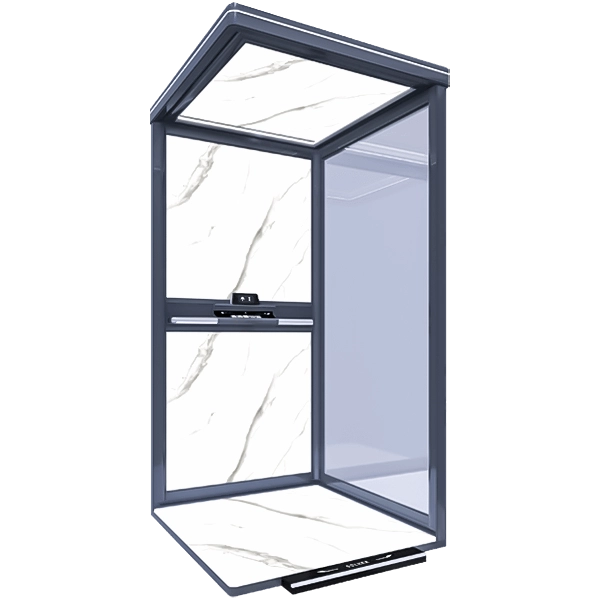
How Model-S Villa Home Elevator Enhances Luxury Property Value
Custom personal home lift Manufacturers and Suppliers
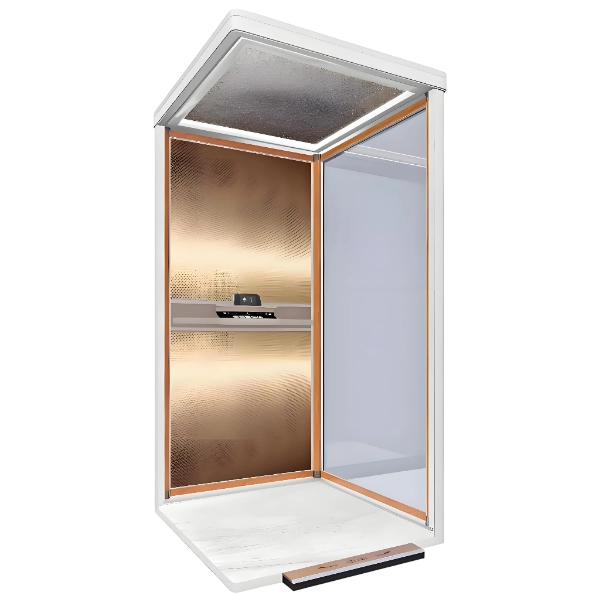
Why Choose Luxury Home Elevators: Model-A for Villa Elegance
Where to Buy indoor home villa elevator in Saudi Arabia
Product
Can it be customized as required?
Yes.
How long is the production date required?
Under normal circumstances, the production time is 35 to 45 days.
Customize
Can I customize the elevator to match my home style?
Absolutely. We offer multiple cabin styles, materials, and finishes to suit modern, classic, or minimalist interiors.
Can I choose specific materials or colors for the cabin?
Yes. We offer a wide range of premium materials and finishes — from stone to wood to glass.
How does the customization process work?
Our design team will guide you through the steps: style selection, material choice, and 3D visualization before confirmation.
Minimalist design high-end and elegant villa home elevator Model-S
The Model-S is a home villa elevator in the Italian minimalist style. It features the most advanced elevator technology and has comprehensive safety protection measures. It is the most reliable guarantee for your passage in villa homes.
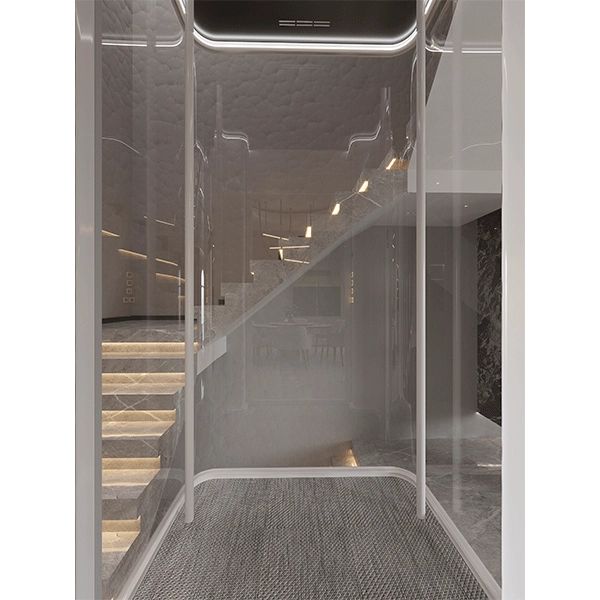
Simple and elegant villa home elevator Model-mini
The Model-Mini is a home villa elevator in the Italian minimalist style. It features the most advanced elevator technology and has comprehensive safety protection measures. It is the most reliable guarantee for your passage in villa homes
High-end and elegant villa home elevator Model-A
The Model A is a home villa elevator in the Italian minimalist style. It features the most advanced elevator technology and has comprehensive safety protection measures. It is the most reliable guarantee for your passage in villa homes.
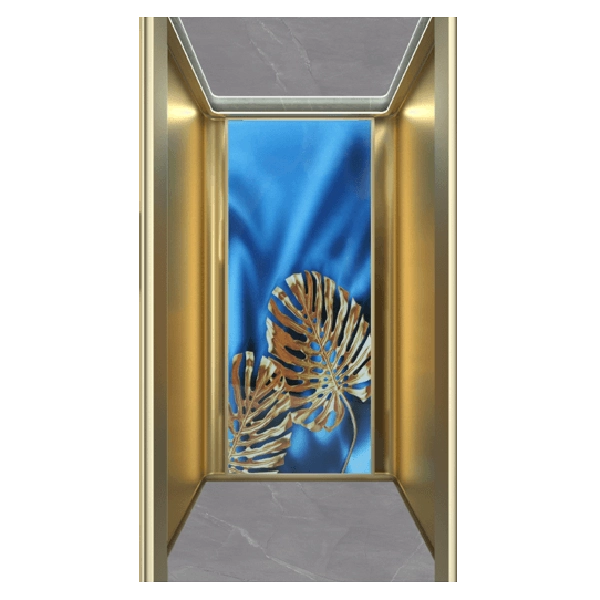
Minimalist design high-end and elegant villa home elevator Model-Q
The Model-Q is a home villa elevator in the Italian minimalist style. It features the most advanced elevator technology and has comprehensive safety protection measures. It is the most reliable guarantee for your passage in villa homes.
Let's get in touch
Email: lin@solkerelevator.com
Tel: +86 133 1668 7566
Address: Floor 1, Building D, Nanxin Industry International, Nancheng District, Dongguan, China.
 Taiwan, China
 No. 21, Lane 38, 206 Yingtai Road, Yingge District, New Taipei City
 +886 0975-299-830
 United Arab Emirates
Capital Mall, Abu Dhabi, United Arab Emirates, 3rd floor, Luxera elevator +971 52 541 4685 Ceo@maharacare.com
 Melbourne, Australia
 19/12 Natalia Av, Oakleigh South, VIC 3167
+61 1300 771 86 sales@goldenhomelifts.com.au
Sydney, Australia
U28/323 Chisholm Road, Auburn, NSW 2144
+61 1300 771 86 sales@goldenhomelifts.com.au
SOLKER
SOLKER