


Maintenance Contracts and Service Models for Model-A Elevators
- Maintenance Contracts and Service Models for Model-A Elevators
- Introduction: Why the right maintenance matters for the best residential elevators
- Common maintenance contract types for residential elevators (and which suits Model-A)
- Comparing service models: features, suitability and indicative costs
- Key SLA items and performance KPIs to require in your Model-A maintenance contract
- Predictive vs Preventive: which delivers the best value for Model-A?
- OEM maintenance vs third-party: pros and cons for villa homeowners
- What to include in a Model-A maintenance contract: a homeowner’s checklist
- Cost control, lifecycle planning and warranty alignment
- Safety, compliance and inspection obligations
- How technology enhances Model-A maintenance: IoT, remote diagnostics and firmware updates
- Brand Advantages: Why choose Model-A and recommended service approach
- Practical tips for negotiating a maintenance contract
- FAQ — Maintenance Contracts and Service Models for Model-A Elevators
- Q: How often should a Model-A elevator be inspected?
- Q: Will using a third-party technician void the Model-A warranty?
- Q: What are typical response times for emergencies?
- Q: Is predictive maintenance worth the extra cost?
- Q: How do I verify a provider’s qualifications?
- Contact us / View Model-A product
- Authoritative references

Maintenance Contracts and Service Models for Model-A Elevators
Introduction: Why the right maintenance matters for the best residential elevators
The High-end and elegant villa home elevator Model-A is designed for villa living with Italian minimalist aesthetics and advanced safety technology. Proper maintenance is essential to preserve ride quality, safety, reliability and long-term value. Choosing the right maintenance contract or service model protects both occupants and your investment, and helps ensure Model-A remains one of the best residential elevators available.
Product brief:
The Model A is a home villa elevator in the Italian minimalist style. It features the most advanced elevator technology and has comprehensive safety protection measures. It is the most reliable guarantee for your passage in villa homes.
Common maintenance contract types for residential elevators (and which suits Model-A)
Understanding the common contract types helps homeowners match service coverage to usage, budget and desired reliability. Below are the primary service models you will encounter:
- Preventive (scheduled) maintenance: Regular on-site inspections and servicing at fixed intervals (monthly, quarterly). Focus is on lubricating, safety checks, adjustments and minor parts replacement. Ideal for typical villa usage.
- Predictive maintenance (condition-based): Uses sensors, usage analytics and remote monitoring to service equipment based on actual wear or anomaly detection. Reduces unplanned downtime and optimizes parts replacement.
- Full-service / all-inclusive contracts: Combine preventive maintenance with labor and most parts included under a fixed annual fee, often with guaranteed response times. Best for owners who prioritize convenience and predictable costs.
- Pay-per-call (on-demand) service: No standing contract — you pay for visits and parts as needed. This can be lower cost for very rare use but carries higher risk of longer downtime and cumulative costs.
- OEM (original equipment manufacturer) vs Third-party service: OEM offers technicians trained specifically on Model-A and access to genuine parts; third-party firms may be less costly but vary in expertise and parts quality.
Comparing service models: features, suitability and indicative costs
The table below summarizes typical characteristics of each model. Cost ranges are indicative; actual pricing depends on contract terms, local labor rates and elevator configuration.
| Service Model | Coverage | Response Time | Parts & Labor | Best for | Indicative Annual Cost |
|---|---|---|---|---|---|
| Preventive maintenance | Scheduled inspections & adjustments | 24–72 hours | Labor usually included; parts billed separately | Most villa homeowners | $300–$1,200 |
| Predictive maintenance | Sensor-driven servicing & remote alerts | 4–24 hours | Labor included; parts may be extra or covered | High-use homes / tech-forward owners | $700–$2,000 |
| Full-service (all-inclusive) | Comprehensive parts & labor | 4–24 hours (SLA-dependent) | All major parts & labor included | Owners who want predictable costs | $900–$3,500 |
| Pay-per-call | As-requested only | Varies | Parts & labor billed per visit | Rarely used properties | Varies widely |
Key SLA items and performance KPIs to require in your Model-A maintenance contract
Service Level Agreements (SLAs) transform vague promises into measurable commitments. For Model-A, prioritize the following:
- Guaranteed response time: Emergency (entrapment/critical) — typically within 2–6 hours; non-emergency — within 24–72 hours.
- Uptime target: Specify an uptime percentage (e.g., 98–99%) and remedies for repeated failures.
- Parts availability: Maximum lead times for critical components (e.g., replacement motor/controller available within 3–7 days).
- Qualified technicians: Certification or training confirmation for technicians servicing Model-A (OEM training preferred).
- Remote monitoring & notification: If predictive service is included, define alert thresholds and notification workflows.
- Inspection checklist: Define what is covered on each visit (safety brakes, door operation, emergency systems, cables, sensors, cleaning, lubrication, firmware checks).
- Escalation & reporting: Clear escalation path and regular service reports including work performed and observed issues.
Predictive vs Preventive: which delivers the best value for Model-A?
Preventive maintenance is time-tested and reliable for residential use: scheduled checks catch wear before failure. Predictive maintenance adds measurable benefits for the Model-A’s advanced systems by using telemetry to prioritize interventions, reduce unnecessary visits and prevent unexpected failures. Consider predictive maintenance if your Model-A is used frequently, integrated with smart-home systems or if you want to minimize downtime and lifecycle cost.
OEM maintenance vs third-party: pros and cons for villa homeowners
Choosing between OEM and third-party providers affects safety, warranty and long-term costs.
- OEM advantages: Deep product knowledge, certified parts, firmware updates aligned with Model-A hardware, often better warranty compliance.
- OEM drawbacks: Typically higher fees; service availability depends on OEM network coverage.
- Third-party advantages: Potentially lower rates and broader local availability; can be flexible on contract terms.
- Third-party drawbacks: Variability in technician expertise and potential warranty or compatibility risks for proprietary components.
What to include in a Model-A maintenance contract: a homeowner’s checklist
Before signing, make sure the contract addresses these items:
- Type of contract (preventive, predictive, full-service), visit frequency and scheduled tasks.
- Clear SLA response times and uptime commitments.
- Detailed list of parts and labor included vs excluded.
- Emergency call-out terms and out-of-hours rates.
- Certification requirements for technicians (OEM credentials if applicable).
- Reporting cadence and documentation standards after each visit.
- Term length, renewal terms, termination rights and transferability (important for resale of villa).
- Price escalation clauses and parts pricing transparency.
- Remote monitoring/data ownership and privacy clauses if predictive services are used.
Cost control, lifecycle planning and warranty alignment
Maintenance planning should be part of a lifecycle-cost strategy. Early investment in predictive or full-service contracts can reduce long-term total cost of ownership by preventing catastrophic failures and extending component life. Ensure maintenance contract terms align with any manufacturer warranties (e.g., who performs warranty repairs and which parts are covered).
Safety, compliance and inspection obligations
Residential elevators are subject to local building codes and safety standards. Safe operation requires compliance with applicable regulations and periodic inspections — these may be required by law in some jurisdictions. Ensure your maintenance provider documents compliance and supports statutory inspection processes. For reference, industry and regulatory resources include ASME A17.1 and EU lift directives — consult local authorities for exact obligations.
How technology enhances Model-A maintenance: IoT, remote diagnostics and firmware updates
Modern residential elevators such as Model-A often support remote diagnostics and over-the-air firmware updates for control systems. These technologies enable:
- Early fault detection via vibration, temperature and usage analytics.
- Reduced unnecessary site visits through remote troubleshooting.
- Faster repairs due to pre-ordered parts based on diagnostics.
- Secure firmware updates that improve performance and security.
When selecting a service model, confirm how the provider handles remote data, cybersecurity, and whether remote monitoring cost is included or billed separately.
Brand Advantages: Why choose Model-A and recommended service approach
The High-end and elegant villa home elevator Model-A offers distinct advantages that influence maintenance choices:
- Advanced engineering: Modern drive systems and integrated safety measures benefit from OEM-trained maintenance to ensure optimal tuning.
- Minimalist Italian design: Aesthetic finishes require careful handling during maintenance to avoid surface damage — technicians familiar with luxury interiors are preferable.
- Comprehensive safety: The Model-A’s safety features (redundant brakes, sensors) should be checked by technicians who understand system interdependencies.
- Compatibility with predictive services: Model-A is designed for remote diagnostics and benefits most from a predictive or hybrid preventive-predictive maintenance model.
Recommended approach: For most Model-A homeowners, a predictive-enabled preventive contract (or full-service if you prefer fixed costs) with OEM-certified technicians provides the best balance of safety, convenience and lifecycle value.
Practical tips for negotiating a maintenance contract
- Ask for sample service reports and technician certifications.
- Negotiate clear SLA penalties or service credits for missed response times.
- Request transparent parts pricing or capped mark-up percentages.
- Confirm escalation paths and emergency contact availability (24/7) in writing.
- Consider multi-year contracts with review clauses to lock favorable pricing but retain ability to review performance annually.
FAQ — Maintenance Contracts and Service Models for Model-A Elevators
Q: How often should a Model-A elevator be inspected?
A: Typical preventive schedules are monthly or quarterly for residential elevators. Homes with higher usage may benefit from monthly checks or predictive monitoring to detect wear earlier.
Q: Will using a third-party technician void the Model-A warranty?
A: Warranty terms vary. OEM-performed maintenance often ensures warranty compliance. Always review your warranty terms; if uncertain, request written confirmation from the manufacturer or authorized service provider.
Q: What are typical response times for emergencies?
A: Reasonable emergency response times are 2–6 hours for entrapments and critical faults, with non-critical service visits within 24–72 hours depending on contract level.
Q: Is predictive maintenance worth the extra cost?
A: Predictive maintenance generally pays off in reduced downtime and fewer major repairs for frequently used elevators or installations where continuous availability is important. For occasional-use homes, preventive maintenance may suffice.
Q: How do I verify a provider’s qualifications?
A: Request technician training certificates, OEM authorization letters (if applicable), references from similar homes and recent service reports. Confirm insurance coverage and local licensing.
Contact us / View Model-A product
Finally, after understanding maintenance needs, revisit the procurement guide for choosing the best residential elevator Model-A. This cycle ensures that you have the most up-to-date and thorough information when making your purchase, completing your planning process.If you want a tailored maintenance proposal for your villa’s Model-A elevator, contact our service team to discuss contract options, SLA terms and predictive monitoring packages. For detailed product information, scheduling an on-site assessment or requesting a quotation, please contact our customer service or visit the Model-A product page.
Authoritative references
- Elevator - Wikipedia: https://en.wikipedia.org/wiki/Elevator
- European Commission — Lifts (safety & compliance overview): https://ec.europa.eu/growth/sectors/mechanical-engineering/lifts_en
- ASME — A17.1 / CSA B44 Elevator Safety Code overview: https://www.asme.org/codes-standards/find-codes-standards/a17-1-elevator-safety-code
- OSHA — Elevators & Conveyors (safety guidance): https://www.osha.gov/etools/material-handling/elevators-escalators
Note: Pricing ranges and practices differ by region. Use local service quotations and contract review by legal counsel for binding commitments.
In-Home Elevator Cost Guide 2026: Prices, Installation, Savings
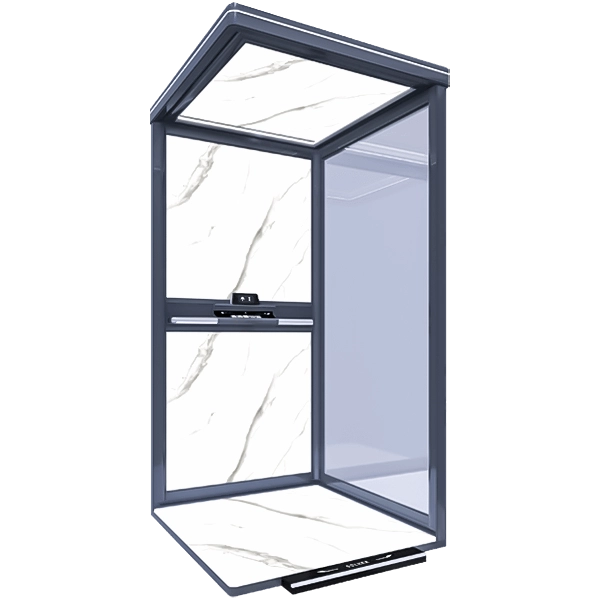
Best safety accessories for outdoor home elevator systems
Trends 2025: Smart and Minimalist Residential Elevators
Custom elevators for luxury home Manufacturers and Suppliers
Customize
Can I choose specific materials or colors for the cabin?
Yes. We offer a wide range of premium materials and finishes — from stone to wood to glass.
Do I need architectural drawings to start customization?
Not required initially. We can start with basic dimensions or photos and assist with full planning.
What parts of the elevator can be customized?
You can personalize wall panels, flooring, lighting, control panels, handrails, and door finishes.
Product
Can it be customized as required?
Yes.
How long is the production date required?
Under normal circumstances, the production time is 35 to 45 days.
Minimalist design high-end and elegant villa home elevator Model-S
The Model-S is a home villa elevator in the Italian minimalist style. It features the most advanced elevator technology and has comprehensive safety protection measures. It is the most reliable guarantee for your passage in villa homes.
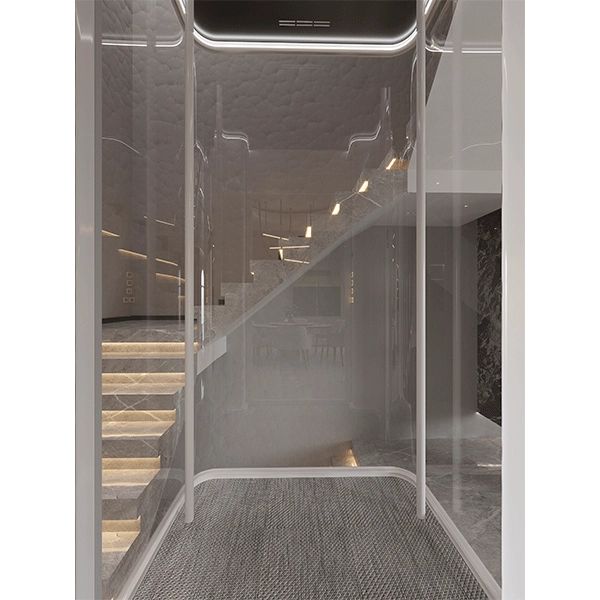
Simple and elegant villa home elevator Model-mini
The Model-Mini is a home villa elevator in the Italian minimalist style. It features the most advanced elevator technology and has comprehensive safety protection measures. It is the most reliable guarantee for your passage in villa homes
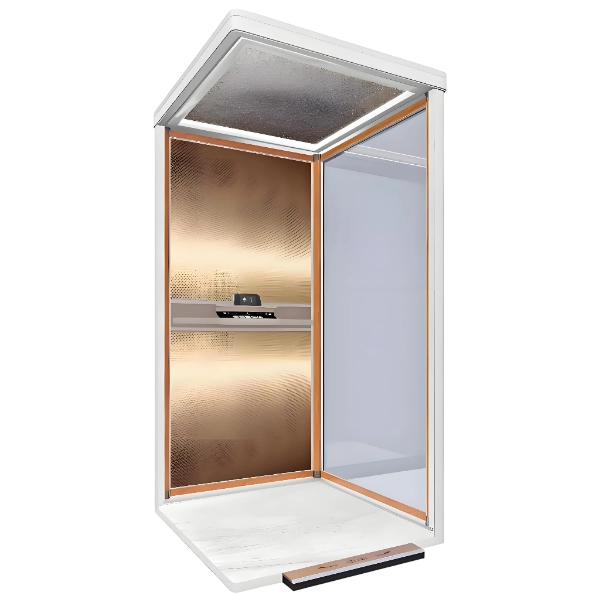
High-end and elegant villa home elevator Model-A
The Model A is a home villa elevator in the Italian minimalist style. It features the most advanced elevator technology and has comprehensive safety protection measures. It is the most reliable guarantee for your passage in villa homes.
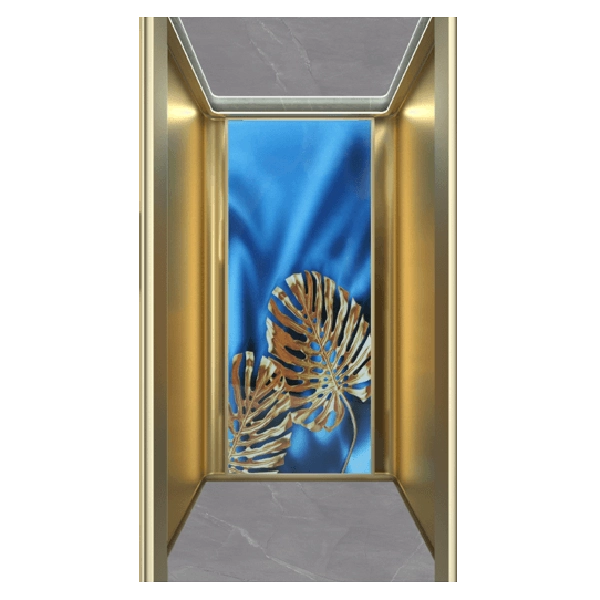
Minimalist design high-end and elegant villa home elevator Model-Q
The Model-Q is a home villa elevator in the Italian minimalist style. It features the most advanced elevator technology and has comprehensive safety protection measures. It is the most reliable guarantee for your passage in villa homes.
Let's get in touch
Email: lin@solkerelevator.com
Tel: +86 133 1668 7566
Address: Floor 1, Building D, Nanxin Industry International, Nancheng District, Dongguan, China.
 Taiwan, China
 No. 21, Lane 38, 206 Yingtai Road, Yingge District, New Taipei City
 +886 0975-299-830
 United Arab Emirates
Capital Mall, Abu Dhabi, United Arab Emirates, 3rd floor, Luxera elevator +971 52 541 4685 Ceo@maharacare.com
 Melbourne, Australia
 19/12 Natalia Av, Oakleigh South, VIC 3167
+61 1300 771 86 sales@goldenhomelifts.com.au
Sydney, Australia
U28/323 Chisholm Road, Auburn, NSW 2144
+61 1300 771 86 sales@goldenhomelifts.com.au
SOLKER
SOLKER