


Compliance & Safety Checklist for Purchasing Model-A Elevators
- Compliance & Safety Checklist for Purchasing Model-A Elevators — Best Residential Elevators
- Why compliance and safety matter when choosing the best residential elevators
- Regulatory and standards checklist for best residential elevators
- Structural and architectural checklist for best residential elevators
- Mechanical & electrical safety systems checklist for best residential elevators
- Emergency systems & rescue procedures checklist for best residential elevators
- Accessibility and usability checklist for best residential elevators
- Maintenance, inspection and documentation checklist for best residential elevators
- Testing, commissioning and acceptance checklist for best residential elevators
- Comparative safety features chart: Model-A vs typical luxury residential elevators — best residential elevators
- Vendor, installer and warranty verification checklist for best residential elevators
- Why the High-end and elegant villa home elevator Model-A ranks among the best residential elevators
- Additional practical checks before purchase — best residential elevators
- FAQs — best residential elevators
- Brand advantages summary — why choose Model-A among best residential elevators
- Contact & next steps — view product and request a safety review
- Authoritative references and further reading
- Final note on compliance

Compliance & Safety Checklist for Purchasing Model-A Elevators — Best Residential Elevators
Why compliance and safety matter when choosing the best residential elevators
Choosing one of the best residential elevators for a villa is about more than aesthetics. Elevators involve moving machinery, electrical systems, and human safety exposure in confined vertical spaces. Compliance with recognized safety standards and local building codes protects residents, increases property value, and reduces liability. The following checklist helps you evaluate the High-end and elegant villa home elevator Model-A against technical, regulatory, and operational criteria so you can make an informed purchase decision.
Regulatory and standards checklist for best residential elevators
Confirm the elevator meets the relevant international and local standards before purchase and installation. Key standards and rules to check include:
- ASME A17.1/CSA B44 (North America) — general safety code for elevators and escalators; many jurisdictions reference this for residential installations.
- EN 81 series (Europe) — EN 81-20/50 and other parts define safety rules for construction and installation of lifts; verify applicable parts for private homes.
- ISO 4190 — provides guidance on lift terminology and design considerations used internationally.
- Americans with Disabilities Act (ADA) or equivalent national accessibility rules — ensure controls, clearances and features meet accessibility requirements if required in your jurisdiction.
- Local building codes and fire codes — local authorities may have specific shaft/fire-rating, pit depth, or smoke control requirements.
Ask the vendor for documentation: certificates of conformity, test reports, and copies of the referenced standard clauses met by Model-A.
Structural and architectural checklist for best residential elevators
Proper structural design and site preparation prevent long-term safety and performance issues. Verify these items early in planning:
- Shaft/hoistway dimensions and clearances — minimum clearances to prevent entrapment and allow maintenance.
- Pit depth and overhead clearance — check compatibility with Model-A hoisting arrangement (traction, hydraulic, or machine-room-less options).
- Load capacity and car dimensions — ensure rated load, usable floor area and door clearances match intended use (stretcher or furniture considerations).
- Structural support and anchoring — ensure floor slabs and roof framing can handle dynamic loads; provide anchor details.
- Fire-rated shaft, doors and separation — verify if fire-rated enclosure or shaft ventilation is required by local code.
- Seismic and wind considerations — in seismically active regions, ensure anti-sway, flexible connections and bracing comply with local requirements.
Mechanical & electrical safety systems checklist for best residential elevators
Modern residential elevators must integrate multiple redundant safety systems. Inspect the Model-A against these mechanical and electrical requirements:
- Primary braking and secondary emergency brake (overspeed protection)
- Door interlocks and electrically monitored locks to prevent movement with doors open
- Governor or speed-sensing device for overspeed detection
- Low-speed smooth start/stop drive systems and shock suppression
- Earth leakage protection, proper grounding and overcurrent protection for elevator circuits
- Lockout/tagout points and emergency power isolation for maintenance
- Firefighter service or phase I/II emergency operation (if required by code)
Request technical datasheets for Model-A components (motor type, controller, brakes, door operators) and get them reviewed by your project engineer or third-party inspector.
Emergency systems & rescue procedures checklist for best residential elevators
Emergencies such as power outages, medical incidents or entrapment require reliable backup and rescue systems. Verify Model-A provides or can be fitted with:
- Battery backup or generator-backed operation allowing controlled descent/return to a landing during power loss
- Automatic emergency lighting inside the car
- Two-way emergency communication (hardwired intercom and a secondary mobile or GSM-based option)
- Emergency lowering or recall function that is code-compliant and can be operated remotely if needed
- Clear, accessible rescue and evacuation procedures included in handover documentation
Ensure a documented and practiced rescue plan is included in handover, and that local emergency services understand the elevator model and controls.
Accessibility and usability checklist for best residential elevators
Accessibility contributes to safety by ensuring that all residents, including mobility-impaired users, can use the elevator comfortably:
- Control panel height, tactile markings, and Braille labels meeting ADA or local accessibility standards
- Audible floor announcements and visible indicators for each landing
- Sufficient interior clearances for wheelchairs or mobility aids; smooth thresholds to prevent tripping
- Slow, comfortable door opening/closing times and anti-finger-trap features
Model-A’s cabin ergonomics and control layout should be evaluated in person to verify usability for elderly and mobility-impaired family members.
Maintenance, inspection and documentation checklist for best residential elevators
Ongoing maintenance is critical to safety and long-term performance. Before purchase, clarify these items:
- Recommended maintenance schedule (monthly/quarterly/annually) and what each service covers
- Availability of OEM-trained technicians and local service partners for Model-A
- Provision of a maintenance logbook and digital service records for inspection history
- Warranty coverage details (duration, parts, labor, response time) and extended service options
- Statutory periodic inspection intervals required by your jurisdiction and who will perform them (third-party inspector vs. manufacturer)
Ask to see a sample maintenance contract and confirm SLA for emergency repair calls. A well-documented maintenance regime reduces downtime and safety risks.
Testing, commissioning and acceptance checklist for best residential elevators
Commissioning validates that the installed elevator meets performance and safety criteria. Ensure these tests and documentation are completed prior to final acceptance:
- Factory Acceptance Test (FAT) documentation and witnessed testing results (if applicable)
- Site Acceptance Test (SAT) including leveling accuracy, door operation, emergency functions, brake tests, and load testing at rated capacity
- Insulation and earth continuity tests on electrical circuits
- Verification of control logic, interlocks and safety circuits with test reports
- Issuance of a final certificate of compliance and a signed handover pack with operation manuals
Do not sign final acceptance until all safety-related deficiencies are corrected and documented.
Comparative safety features chart: Model-A vs typical luxury residential elevators — best residential elevators
| Safety Feature | Typical Luxury Residential Elevator | High-end and elegant villa home elevator Model-A |
|---|---|---|
| Standards compliance (ASME/EN/ISO) | Variable — depends on vendor | Designed to comply with major international standards; certificates provided |
| Emergency power / battery backup | Optional | Integrated emergency descent and lighting as standard/optional packages |
| Two-way emergency communication | Usually available | Standard with dual-channel redundancy (hardwired + GSM option) |
| Door safety & interlocks | Industry standard | Advanced door sensors and positive locking systems |
| Accessibility features | Often configurable | Pre-configured ergonomic controls, Braille, audible announcement options |
| Remote monitoring | Optional | Tele-service-ready for predictive maintenance |
Vendor, installer and warranty verification checklist for best residential elevators
Even the safest elevator can be compromised by poor installation or inadequate warranty support. Verify the following before purchase:
- Installer qualifications: certified elevator technicians experienced with Model-A installations
- Proof of liability insurance and worker’s compensation from the installer
- Manufacturer reputation, global references and examples of installed Model-A units
- Warranty terms: parts, labor, response time, exclusions and transferability
- Availability of spare parts and typical lead times
Prefer vendors who provide a clear scope of work, a fixed-price installation contract, and post-installation training for residents.
Why the High-end and elegant villa home elevator Model-A ranks among the best residential elevators
High-end and elegant villa home elevator Model-A
The Model A is a home villa elevator in the Italian minimalist style. It features the most advanced elevator technology and has comprehensive safety protection measures. It is the most reliable guarantee for your passage in villa homes.
Model-A combines refined aesthetics with robust safety systems: compliant drive and braking systems, redundant emergency communication, battery-backed rescue functions, advanced door protection, and tele-service capability. For villa owners looking for a High Quality elevator that performs reliably and reduces long-term operational risk, Model-A is designed to meet both form and strict safety expectations.
Additional practical checks before purchase — best residential elevators
Practical considerations often determine long-term satisfaction and safety:
- Site visits to see a working demo or a live installation of Model-A
- Reviewing resident-facing documentation: quick-start guides, emergency instructions, and maintenance contact info
- Confirming expected noise, vibration and ride quality metrics
- Understanding the timeline from order to handover and any interim site requirements
FAQs — best residential elevators
Q1: Is Model-A compliant with local building codes?
A1: Model-A is designed to meet major international standards (ASME/EN/ISO) and can be supplied with compliance documentation. Local building codes vary — always confirm with your local authority having jurisdiction (AHJ) and provide them with the Model-A technical dossier for approval.
Q2: What emergency options are standard on Model-A?
A2: Model-A includes emergency lighting, a hardwired two-way intercom, and provisions for battery-backed controlled descent. Optional packages include GSM backup communication and full UPS or generator integration.
Q3: How often should Model-A be serviced?
A3: Typical preventive maintenance is quarterly for residential use, with annual comprehensive inspections. Frequency can increase with heavy usage or specific local code requirements. Service contracts and digital logbooks are recommended.
Q4: Can Model-A accommodate a stretcher or heavy furniture?
A4: Model-A is available in multiple cabin sizes and rated loads. For stretcher or heavy-furniture needs, select the appropriate car dimensions and specify load rating during design. Confirm door and landing clearances during site evaluation.
Q5: How to ensure accessibility compliance?
A5: Choose the Model-A configuration with ADA-compliant control panel heights, tactile/Braille buttons, audible announcements and appropriate interior clearances. Provide these specifications to the installer and AHJ during approval.
Brand advantages summary — why choose Model-A among best residential elevators
When comparing High Quality options, Model-A stands out for several reasons:
- Italian minimalist design that complements villa architecture without compromising safety
- Comprehensive safety feature set as standard, reducing the need for costly optional add-ons
- Tele-service capability for predictive maintenance and rapid diagnostics, lowering downtime
- Transparent compliance documentation and commissioning support to meet AHJ requirements quickly
- Customizable cabin finishes combined with ergonomic controls for all age groups
Together, these advantages make the High-end and elegant villa home elevator Model-A a strong candidate when selecting among the best residential elevators for a luxury villa.
Contact & next steps — view product and request a safety review
After addressing safety and compliance, think about design integration. Learn how to seamlessly incorporate Model-A into luxury villas to maintain architectural elegance while ensuring functionality. This integration will help elevate the appeal of the villa's overall design.If you are evaluating Model-A for your villa, contact our technical sales team to arrange a site survey, view a demonstration unit, or request a formal compliance and risk assessment. We provide full documentation, third-party inspection coordination, and tailored maintenance plans.
Call us or request a quote:
Authoritative references and further reading
- ASME — A17.1 / CSA B44 elevator and escalator safety code: https://www.asme.org
- EN 81 standard information (Wikipedia summary): https://en.wikipedia.org/wiki/EN_81
- ISO 4190 passenger lifts — basic concepts (Wikipedia): https://en.wikipedia.org/wiki/ISO_4190
- Americans with Disabilities Act (ADA) — accessibility guidelines: https://www.ada.gov
- General elevator article and safety overview (Wikipedia): https://en.wikipedia.org/wiki/Elevator
Final note on compliance
Safety and compliance are non-negotiable when installing an elevator in a private villa. Use this checklist to validate the High-end and elegant villa home elevator Model-A and involve qualified engineers and your AHJ early in the process. Proper documentation, commissioning, and a robust maintenance plan will maximize safety and long-term value.
To view Model-A specifications, request a compliance dossier, or schedule a site survey, contact our sales team today.
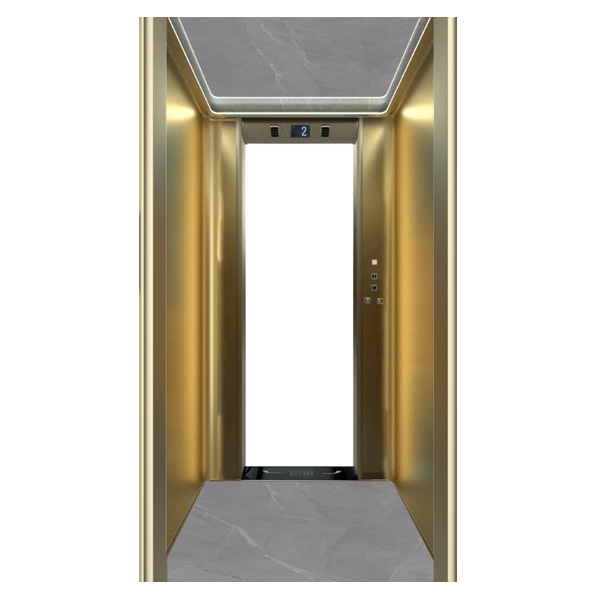
Supplier Selection Checklist for High-End Villa Elevators
Where to Buy lifts for villas in Saudi Arabia
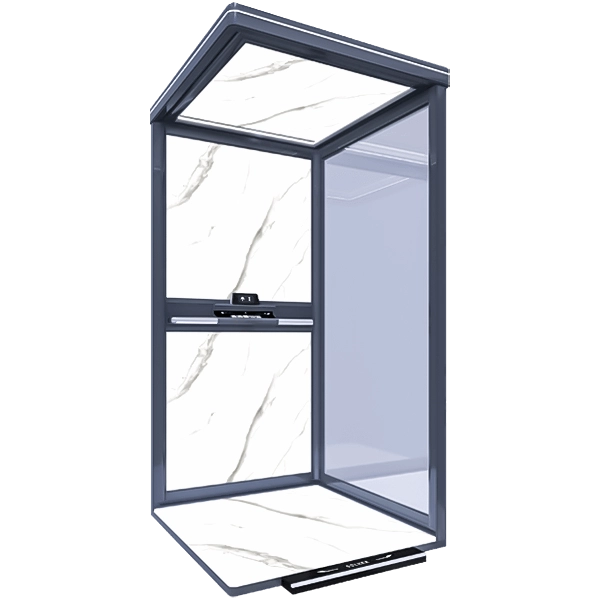
Installation guide for the Minimalist Model-S outdoor elevator
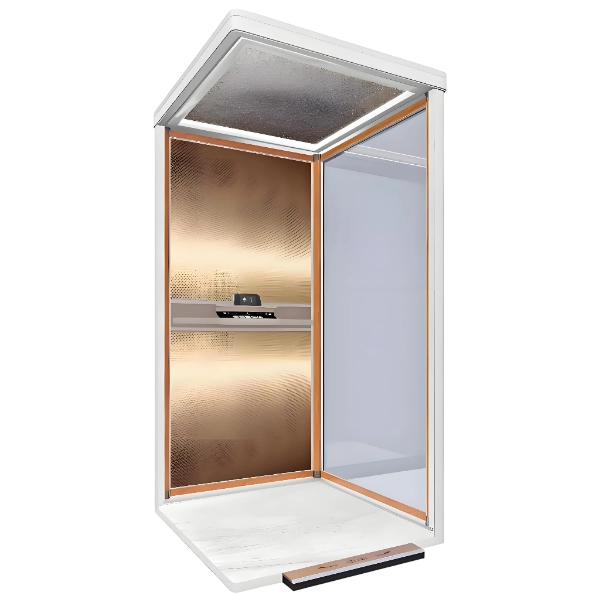
Model-A Villa Elevator: Specs That Matter for B2B Buyers
Customize
How long does a custom order take to deliver?
On average, production takes 30–45 days after confirmation, depending on your configuration.
Can I choose specific materials or colors for the cabin?
Yes. We offer a wide range of premium materials and finishes — from stone to wood to glass.
Do I need architectural drawings to start customization?
Not required initially. We can start with basic dimensions or photos and assist with full planning.
Is customization available for both indoor and outdoor elevators?
Yes. All custom options apply to indoor and weatherproof outdoor models.
Product
Can it be customized as required?
Yes.
Minimalist design high-end and elegant villa home elevator Model-S
The Model-S is a home villa elevator in the Italian minimalist style. It features the most advanced elevator technology and has comprehensive safety protection measures. It is the most reliable guarantee for your passage in villa homes.
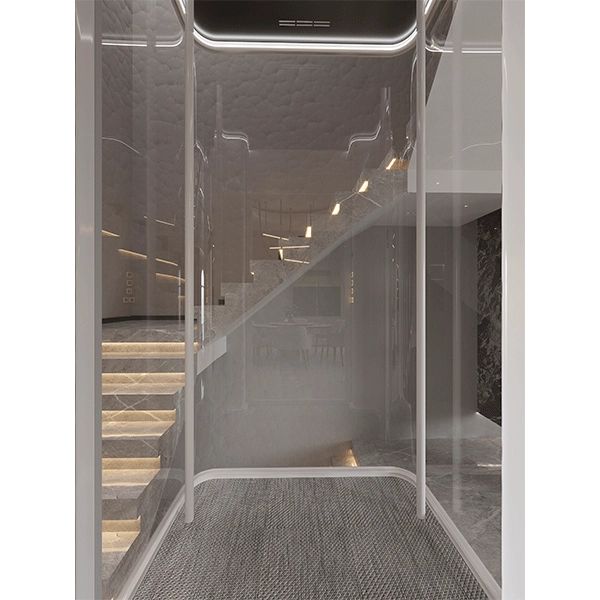
Simple and elegant villa home elevator Model-mini
The Model-Mini is a home villa elevator in the Italian minimalist style. It features the most advanced elevator technology and has comprehensive safety protection measures. It is the most reliable guarantee for your passage in villa homes
High-end and elegant villa home elevator Model-A
The Model A is a home villa elevator in the Italian minimalist style. It features the most advanced elevator technology and has comprehensive safety protection measures. It is the most reliable guarantee for your passage in villa homes.

Minimalist design high-end and elegant villa home elevator Model-Q
The Model-Q is a home villa elevator in the Italian minimalist style. It features the most advanced elevator technology and has comprehensive safety protection measures. It is the most reliable guarantee for your passage in villa homes.
Let's get in touch
Email: lin@solkerelevator.com
Tel: +86 133 1668 7566
Address: Floor 1, Building D, Nanxin Industry International, Nancheng District, Dongguan, China.
 Taiwan, China
 No. 21, Lane 38, 206 Yingtai Road, Yingge District, New Taipei City
 +886 0975-299-830
 United Arab Emirates
Capital Mall, Abu Dhabi, United Arab Emirates, 3rd floor, Luxera elevator +971 52 541 4685 Ceo@maharacare.com
 Melbourne, Australia
 19/12 Natalia Av, Oakleigh South, VIC 3167
+61 1300 771 86 sales@goldenhomelifts.com.au
Sydney, Australia
U28/323 Chisholm Road, Auburn, NSW 2144
+61 1300 771 86 sales@goldenhomelifts.com.au
SOLKER
SOLKER