


Installation guide for the Minimalist Model-S outdoor elevator
- Choosing Model-S: why this outdoor home elevator fits your villa
- Minimalist Italian design, high-end fit for villas
- Built for outdoors: materials and weather protection
- Safety systems and compliance
- Pre-installation planning and site requirements
- Structural foundation and mounting options
- Electrical, drainage and accessibility considerations
- Permits, standards and documentation
- Step-by-step installation of the Minimalist Model-S
- Delivery, staging and safety on site
- Assemble shaft and cab frame
- Electrical, control cabinet and safety devices
- Testing, commissioning and handover
- Safety checks, functional and load tests
- Commissioning and documentation
- Maintenance routine and troubleshooting
- Comparing Model-S with typical outdoor elevator options
- Frequently Asked Questions (FAQ)
- Q: Can the Model-S be installed in very cold climates?
- Q: What are the typical electrical requirements for an outdoor home elevator?
- Q: Do I need a pit or machine room for Model-S?
- Q: How is safety verified after installation?
- Q: Where can I find more information on elevator safety standards?
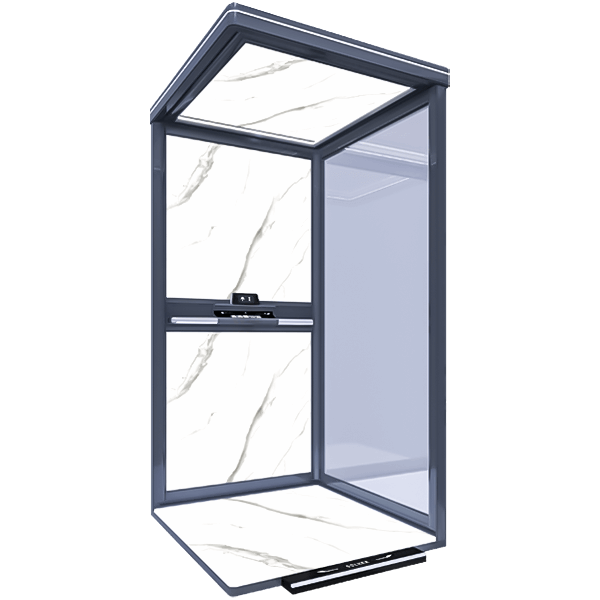
Summary for : The Minimalist design high-end and elegant villa home elevator Model-S is designed as a reliable outdoor home elevator solution for villas and luxury homes. With Italian minimalist styling, weatherproof fabrication and advanced safety systems, the Model-S adapts to climatic and site conditions while meeting internationally recognized elevator safety and performance standards. This guide explains site preparation, permitting, step-by-step installation, testing and commissioning so installers, architects and homeowners can plan and execute a secure outdoor elevator installation with clarity.
Choosing Model-S: why this outdoor home elevator fits your villa
Minimalist Italian design, high-end fit for villas
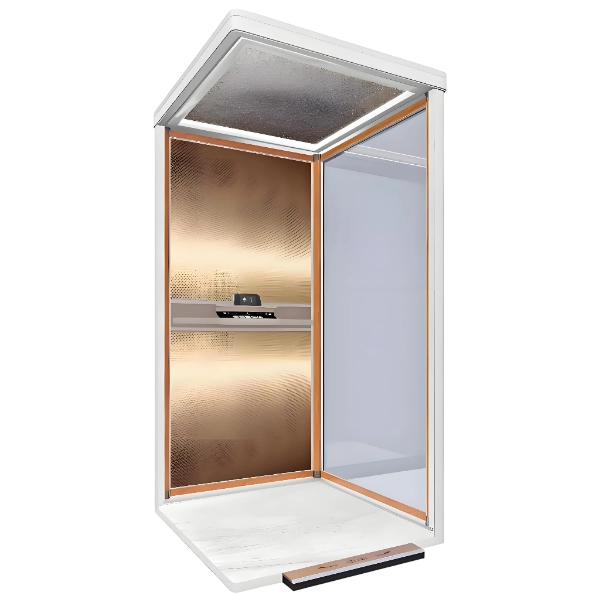
The Minimalist design high-end and elegant villa home elevator Model-S is a home villa elevator in the Italian minimalist style. It pairs glass and slim aluminum profiles for a near-seamless exterior installation, making it ideal where aesthetics matter as much as function. For villa owners who want an outdoor home elevator that complements contemporary architecture, the Model-S offers a discreet vertical circulation solution without bulky machine rooms or intrusive shafts.
Built for outdoors: materials and weather protection
Outdoor elevators require targeted protection against UV, rain, humidity and temperature swings. The Model-S uses corrosion-resistant aluminum alloy, tempered safety glass and sealed electrical compartments. Gaskets, drainage channels and protective coatings help the cab and shaft resist corrosion and water ingress. For colder climates, optional heating elements prevent condensation and door-freezing while maintaining smooth operation.
Safety systems and compliance
Safety is paramount in outdoor residential lifts. Model-S integrates overspeed governors, redundant braking, door interlocks, emergency lowering, phone/telemetry and load-sensing to prevent overloads. Installers should confirm compliance with local codes and recognized standards such as ASME A17.1/CSA B44 (North America) and the applicable European standards. For background on elevator safety and industry norms see the general elevator overview on Wikipedia and the International Organization for Standardization at ISO. The European Lift Association provides policy and safety guidance at European Lift Association.
Pre-installation planning and site requirements
Structural foundation and mounting options
Outdoor elevators have two common structural solutions: self-supporting glass shaft or anchored to an existing façade. The Model-S supports both approaches. Typical requirements:
- Concrete pad or base: minimum class C20 concrete, 150–200 mm thick depending on soil bearing capacity.
- Anchor bolts: chemical anchors into reinforced concrete or moment anchors into steel beams; spacing defined in the engineering drawing.
- Wind and seismic checks: site-specific loading must be verified by a structural engineer (local requirements vary).
Electrical, drainage and accessibility considerations
Model-S electrical requirements vary by configuration (motor type, heating, lighting). Typical specs:
- Power supply: single-phase 220–240V or three-phase 380–400V depending on motor chosen. Dedicated circuit and breaker recommended.
- Control wiring: 24V control circuit for safety devices; confirm voltage and cable sizes from the electrical diagram.
- Drainage: slope around base and drain or weep holes to avoid pooled water at pit/base.
- Access: crane or forklift access for delivery of modular sections and cab components.
Permits, standards and documentation
Before installation, obtain required building permits and verify which standards apply in your jurisdiction (for instance ASME A17.1/CSA B44 in North America or national adaptations of EN 81 in Europe). Consult local authorities; some regions require regular inspection certificates after installation. For standards overview and why they matter, see the ASME codes at ASME.
Step-by-step installation of the Minimalist Model-S
Delivery, staging and safety on site
1) Confirm deliveries against packing lists: glass panels, aluminum profiles, cab frame, doors, control cabinet, motor/drive and fasteners. 2) Stage components on level ground within 10 meters of installation. 3) Provide temporary barriers and signage; follow local occupational safety rules for working at heights and heavy lifting.
Assemble shaft and cab frame
Model-S is supplied in modular shaft and cab segments for efficient outdoor installation. Typical assembly sequence:
- Fix base framework to the prepared concrete pad with specified anchors.
- Erect vertical posts or install prefabricated modular shaft segments, aligning with plumb and square tolerances (±3 mm per meter recommended).
- Install intermediate floor rails and secure glass or cladding panels; apply sealants to external joints to maintain weatherproofing.
- Assemble cab frame inside the shaft; install guide rails and attach cab guide shoes. Confirm smooth travel path before finalizing fasteners.
Electrical, control cabinet and safety devices
With mechanical assembly complete, connect the Model-S electrical and control systems:
- Mount the control cabinet in the recommended location, with clear access for maintenance and ventilation.
- Wire the main power, emergency stop, door interlocks, safety edges and call stations per wiring diagram.
- Install the drive (VFD) or machine unit and program basic parameters like floor heights and speed limits. Always test under no-load conditions before loading the cab.
Testing, commissioning and handover
Safety checks, functional and load tests
Before handover, perform a full suite of tests:
- Functional tests: all call stations, doors, interlocks, indicator lights and emergency communication.
- Load test: verify rated load and then perform an overload trip test per the installation manual. Many standards define a proof load test (for example 125% of rated load) — check local code.
- Safety device verification: overspeed governor, governor ropes/belts (if applicable), emergency brake engagement and backup lowering system.
Commissioning and documentation
Document all tests, electrical measurements, controller parameters and as-built drawings. Provide the homeowner with an operation manual, emergency procedures and a maintenance schedule. Stamp and sign the compliance forms required by local authorities to close permit workflows.
Maintenance routine and troubleshooting
A preventative maintenance plan extends equipment life and keeps the Model-S safe and reliable. Typical schedule:
- Monthly: visual inspection of external seals, door operation, lighting and alarms.
- Quarterly: check guide lubrication, tighten anchor bolts, inspect electrical connections and clean drainage points.
- Annually: full safety inspection by certified technician, replace wear parts as needed and perform safety device recalibration.
Common troubleshooting tips:
- If doors stick in cold weather — check heater elements and seals; ensure correct drain clearance to avoid ice buildup.
- If cab exhibits vibration — verify guide shoe wear and alignment, and confirm anchor bolts remain secure.
- Control faults often trace to loose connections or low battery on emergency systems; use the controller's diagnostic logs to pinpoint issues.
Comparing Model-S with typical outdoor elevator options
| Feature | Minimalist Model-S | Typical Outdoor Home Elevator | Generic Indoor Home Elevator |
|---|---|---|---|
| Weatherproofing | High — sealed compartments, coated alloys | Moderate — may require extra treatments | Low — not designed for exterior exposure |
| Aesthetics | Italian minimalist, glass/aluminum | Varied — functional designs | Indoor-focused finishes |
| Installation speed | Moderate — modular design | Slow — custom shafts possible | Fast — built-in shaft compatibility |
| Compliance & Safety | Designed to meet major standards | Depends on spec and installer | Usually meets indoor codes |
Notes: specific values depend on chosen options and local building codes. Always cross-check with the provided technical manual.
Frequently Asked Questions (FAQ)
Q: Can the Model-S be installed in very cold climates?
A: Yes. Model-S offers optional climate packages (insulated glass, cab heaters, heated seals) that prevent freezing and condensation. Installers should also provide adequate drainage and consider local snow/wind loading when designing the mounting.
Q: What are the typical electrical requirements for an outdoor home elevator?
A: Typical configurations use single-phase 220–240V for smaller residential lifts, while higher-capacity or machine-room configurations may require three-phase 380–400V. A dedicated circuit, proper grounding and surge protection are recommended. Refer to the Model-S electrical diagram for final specifications.
Q: Do I need a pit or machine room for Model-S?
A: Model-S is designed to minimize pit depth and can often be installed without a large machine room by using a compact gearless drive or remote-mounted drive solutions. The exact pit and machine room needs depend on selected options — consult the technical installation drawings before breaking ground.
Q: How is safety verified after installation?
A: Installers perform a series of functional checks and load tests, and provide documentation of compliance. Many jurisdictions require an independent inspector to certify the installation. Follow local code and the supplied commissioning checklist for a compliant handover.
Q: Where can I find more information on elevator safety standards?
A: Key resources include the ASME A17.1/CSA B44 codes (North America) — see ASME, the International Organization for Standardization at ISO, and industry overviews like the Wikipedia elevator page for general context. The European Lift Association provides regional guidance at European Lift Association.
Contact & product info: To review technical specifications, request installation drawings or schedule an on-site survey, contact our sales and engineering team: sales@villa-elevator.com. View the full product page for the Minimalist Model-S here: Minimalist design high-end and elegant villa home elevator Model-S.
Maintenance Checklist for Home Elevators
Top Residential Elevator Brands Compared
How to Choose Between Cabin Sizes for Small Home Elevators
Energy Efficiency and Sustainability of Small Home Elevators
Product
How long is the production date required?
Under normal circumstances, the production time is 35 to 45 days.
Customize
Can I choose specific materials or colors for the cabin?
Yes. We offer a wide range of premium materials and finishes — from stone to wood to glass.
Is customization available for both indoor and outdoor elevators?
Yes. All custom options apply to indoor and weatherproof outdoor models.
Can the elevator design be matched to my home's architecture?
Absolutely. Our designers tailor each cabin to complement your interior layout and style.
How does the customization process work?
Our design team will guide you through the steps: style selection, material choice, and 3D visualization before confirmation.
Minimalist design high-end and elegant villa home elevator Model-S
The Model-S is a home villa elevator in the Italian minimalist style. It features the most advanced elevator technology and has comprehensive safety protection measures. It is the most reliable guarantee for your passage in villa homes.
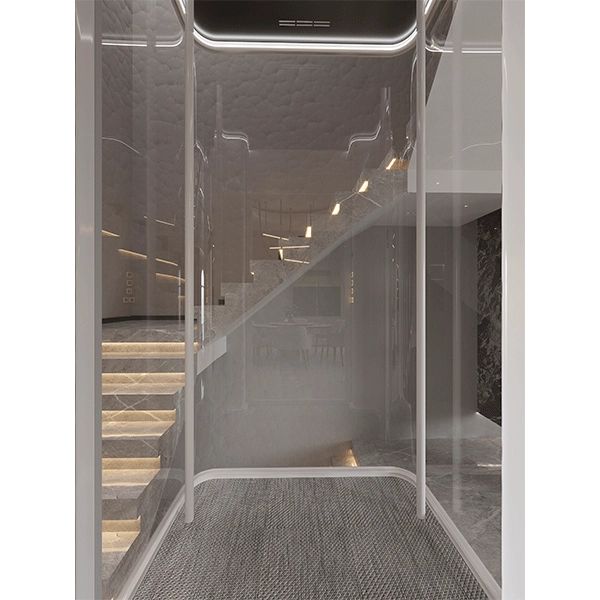
Simple and elegant villa home elevator Model-mini
The Model-Mini is a home villa elevator in the Italian minimalist style. It features the most advanced elevator technology and has comprehensive safety protection measures. It is the most reliable guarantee for your passage in villa homes
High-end and elegant villa home elevator Model-A
The Model A is a home villa elevator in the Italian minimalist style. It features the most advanced elevator technology and has comprehensive safety protection measures. It is the most reliable guarantee for your passage in villa homes.
Minimalist design high-end and elegant villa home elevator Model-Q
The Model-Q is a home villa elevator in the Italian minimalist style. It features the most advanced elevator technology and has comprehensive safety protection measures. It is the most reliable guarantee for your passage in villa homes.
Let's get in touch
Email: lin@solkerelevator.com
Tel: +86 133 1668 7566
Address: Floor 1, Building D, Nanxin Industry International, Nancheng District, Dongguan, China.
 Taiwan, China
 No. 21, Lane 38, 206 Yingtai Road, Yingge District, New Taipei City
 +886 0975-299-830
 United Arab Emirates
Capital Mall, Abu Dhabi, United Arab Emirates, 3rd floor, Luxera elevator +971 52 541 4685 Ceo@maharacare.com
 Melbourne, Australia
 19/12 Natalia Av, Oakleigh South, VIC 3167
+61 1300 771 86 sales@goldenhomelifts.com.au
Sydney, Australia
U28/323 Chisholm Road, Auburn, NSW 2144
+61 1300 771 86 sales@goldenhomelifts.com.au
SOLKER
SOLKER