


Model-A Villa Elevator: Specs That Matter for B2B Buyers
- Model-A Villa Elevator: Why Technical Specs Matter for B2B Buyers
- Understanding : choosing among the best residential elevators
- Key performance specs B2B buyers must evaluate
- Load capacity and cabin dimensions — matching use to design
- Rated speed and ride quality
- Footprint and shaft requirements — minimizing lost floor area
- Safety, compliance and accessibility: non-negotiable B2B specs
- Regulatory compliance
- Redundant safety systems and emergency features
- Drive systems, energy use and sustainability
- Traction vs hydraulic vs machine-room-less (MRL)
- Energy consumption and operational cost
- Customization, finishes and aesthetics for luxury villa projects
- Interior materials and control design
- Glass and visibility options
- Installation, timeline and site requirements
- Pre-installation checks and structural considerations
- Typical lead times and phased delivery
- Maintenance, warranties and total cost of ownership (TCO)
- Service contracts and preventive maintenance
- Warranty and spare parts availability
- Cost considerations and ROI for developers and owners
- Upfront cost vs lifecycle value
- Sample cost comparison (indicative)
- Comparing Model-A to other best residential elevators
- Where Model-A stands out
- Brand advantages and supplier considerations
- Why choose the Model-A brand for villa projects
- Procurement tips for B2B buyers
- Installation case studies and practical lessons
- Typical villa installation scenarios
- FAQ — Common questions from B2B buyers about Model-A and best residential elevators
- Q: What capacity options does Model-A offer and which should I pick?
- Q: What are Model-A’s typical lead times and installation duration?
- Q: Does Model-A meet international safety standards?
- Q: What maintenance does Model-A require?
- Q: How does Model-A compare in energy use to hydraulic elevators?
- Next steps and how to view or order Model-A
- Contact and product viewing
- References and authoritative resources

Model-A Villa Elevator: Why Technical Specs Matter for B2B Buyers
Understanding : choosing among the best residential elevators
When specifying residential elevators for luxury villas, architects, developers, property managers and installation contractors need clarity on performance, safety, space, cost and lifecycle impact. B2B buyers require product details that support bids, compliance checks and ROI calculations. The High-end and elegant villa home elevator Model-A is designed with Italian minimalist styling and advanced technology to meet these demands:
The Model A is a home villa elevator in the Italian minimalist style. It features the most advanced elevator technology and has comprehensive safety protection measures. It is the most reliable guarantee for your passage in villa homes. Once you’ve reviewed the Model-A specs, it’s time to explore how Model-A boosts ROI for high-end villa developments. Understanding how this elevator adds value to luxury properties can help justify the investment, making it an essential part of your development strategy.
Key performance specs B2B buyers must evaluate
Load capacity and cabin dimensions — matching use to design
Capacity drives nearly every other requirement: structural load, motor sizing, hoistway dimensions and permitted stops. For villa applications, typical capacities span 250–630 kg (3–8 persons). Model-A offers configurable capacities — commonly 300 kg (4 persons) and 400 kg (5 persons) — which balance comfort and compact footprint. B2B buyers should specify the intended user profile (single resident, family, staff with supplies, wheelchair access) to choose the correct capacity and cabin dimension set.
Rated speed and ride quality
Residential elevators usually run at 0.15–1.0 m/s. Model-A is optimized at 0.4–0.6 m/s to prioritize smooth start/stop behavior and low noise—suitable for homes where comfort matters more than transit time. For low-rise villas (2–4 floors) this speed preserves ride quality while keeping power requirements modest.
Footprint and shaft requirements — minimizing lost floor area
Villa interiors are High Quality space; minimizing shaft and pit dimensions preserves usable square meters. Model-A's Italian minimalist design supports compact shaft options: typical cabin width 700–900 mm and depth 800–1100 mm depending on capacity. Pit depth and overhead clearance can be tailored; B2B buyers should request CAD shaft drawings early to integrate with architectural plans and reduce change orders.
Safety, compliance and accessibility: non-negotiable B2B specs
Regulatory compliance
B2B purchasers must verify compliance with local and international standards. Model-A is engineered to meet key regulations where applicable: EN 81-20/50 (Europe), ASME A17.1/CSA B44 (North America), and accessibility guidelines such as ADA where required. Ensure project-specific certificates and inspection documentation are supplied before handover.
Redundant safety systems and emergency features
Villa elevators should include safety gear, overspeed governor, final limit switches, door interlocks, emergency lowering, battery backup lighting and telephone or GSM emergency communication. Model-A integrates multiple layers of protection—including a fail-safe brake system and automatic emergency descent—to reduce risk and liability for owners and operators.
Drive systems, energy use and sustainability
Traction vs hydraulic vs machine-room-less (MRL)
Drive type affects space, noise, efficiency and lifecycle costs. For luxury villas, B2B buyers often choose machine-room-less (MRL) traction or gearless traction for compact installation and high efficiency. Model-A offers a gearless permanent-magnet traction option and an MRL configuration where a separate machine room isn’t feasible. These choices typically lower energy use, reduce maintenance points and support regenerative drives that return energy to the building.
Energy consumption and operational cost
Energy efficiency matters for long-term operating expense and sustainability goals. Model-A’s efficient motor and standby control strategy minimize idle power use. When configured with a regenerative drive, electricity consumption during braking is recovered. For budgeting, request life-cycle energy estimates from the supplier based on expected daily runs and typical travel distances.
Customization, finishes and aesthetics for luxury villa projects
Interior materials and control design
High-end residential projects demand finishes aligned with interior design. Model-A supports multiple cabin layouts, High Quality panels (wood veneer, stainless steel brushed or mirror finish, glass), LED ambient lighting and tailored button panels. B2B buyers should coordinate finish samples and mock-ups prior to production to ensure consistency with luxury interiors.
Glass and visibility options
Panoramic glass cabins or partial glass walls help integrate an elevator into the villa’s design language. Model-A offers laminated safety glass options and concealed structural frames for a minimalist profile that matches Italian-inspired interiors while maintaining safety performance.
Installation, timeline and site requirements
Pre-installation checks and structural considerations
Early engagement with structural engineers saves time and cost. Typical requirements include reinforced pit slabs, landing thresholds, and electrical supply (voltage and dedicated circuit). Model-A includes an installation guide and recommended structural specs. For retrofit projects, check shaft straightness, existing pit depth and overhead clearance; small modifications can add significant lead times if discovered late.
Typical lead times and phased delivery
B2B procurement cycles often require tight schedules. Model-A standard lead times vary by customization but can be approximately 8–12 weeks from order to dispatch for typical configurations, shorter for standard finishes, and longer for bespoke options. Coordinate with suppliers about staging—pre-shipping cabin modules or doors to accelerate on-site assembly.
Maintenance, warranties and total cost of ownership (TCO)
Service contracts and preventive maintenance
Maintenance determines uptime and lifecycle cost. Model-A is designed for ease of service with accessible components and diagnostic systems. B2B buyers should compare included warranty terms, recommended preventive maintenance intervals, and availability of certified technicians. A full-service contract that includes callouts, parts and annual safety inspections is often the best value for multi-property owners.
Warranty and spare parts availability
Confirm duration and scope of the warranty (drive, control, cabin, doors) and guaranteed supply of spare parts. Model-A’s supply chain supports spare parts for at least 10 years; request a written parts availability commitment and lead times for critical components.
Cost considerations and ROI for developers and owners
Upfront cost vs lifecycle value
Price is only one element. Developers should analyze acquisition cost plus installation, maintenance, energy and expected lifespan to determine TCO. Model-A’s mid-to-high range initial cost is offset by energy efficiency, low maintenance design and high resale/value retention due to High Quality finishes—favorable when calculating ROI for luxury villa projects.
Sample cost comparison (indicative)
| Item | Model-A (typical) | Standard Residential Lift |
|---|---|---|
| Base price (est.) | $30,000–$60,000 | $20,000–$40,000 |
| Installation & site work | $8,000–$20,000 | $10,000–$25,000 |
| Annual maintenance | $700–$1,200 | $800–$1,500 |
| Energy per year (est.) | Low–Moderate | Moderate–High |
| Typical lifespan | 20+ years | 15–20 years |
Note: figures are indicative—request project-specific quotations and life-cycle cost estimates from vendors.
Comparing Model-A to other best residential elevators
Where Model-A stands out
Against many residential lifts, Model-A differentiates on: design language (Italian minimalist), configurable MRL/gearless drives, multiple redundancy safety systems, and high-end finish options. For projects prioritizing both aesthetic consistency and technical reliability, Model-A is positioned among the best residential elevators available for villas.
| Feature | Model-A | Typical Competitor |
|---|---|---|
| Design focus | Italian minimalist, High Quality finishes | Functional to mid-range finishes |
| Drive options | Gearless traction / MRL, regenerative option | Hydraulic or traction, limited regen |
| Customization | High (panels, lighting, glass) | Moderate |
| Compliance | Engineered for EN/ASME standards | Varies by model |
| Serviceability | Accessible components, diagnostic tools | Varies |
Brand advantages and supplier considerations
Why choose the Model-A brand for villa projects
Brand reliability matters for B2B partners who manage risk across projects. Model-A’s strengths include:
- Product engineered to meet international safety standards and supplied with compliance documentation.
- Flexible configurations that reduce the need for structural rework.
- High-quality finish options tailored to luxury interior design palettes.
- Service network with trained technicians and predictable maintenance contracts.
- Energy-efficient drive options that lower operating costs and support sustainability goals.
Procurement tips for B2B buyers
To minimize project risk and procurement friction, follow these steps: 1) Integrate elevator requirements early in design; 2) Request complete technical packages & CAD files; 3) Obtain site-specific installation quotations; 4) Verify warranty and parts availability; 5) Check local code compliance and inspection timelines.
Installation case studies and practical lessons
Typical villa installation scenarios
Common real-world considerations include retrofits into existing stairwells, basement pit modifications, and coordinating electrical service upgrades. B2B buyers report the following best practices: pre-approve shaft tolerances, allow buffer weeks for unforeseen structural changes, and conduct finish sign-offs before final assembly to avoid costly rework.
FAQ — Common questions from B2B buyers about Model-A and best residential elevators
Q: What capacity options does Model-A offer and which should I pick?
A: Model-A commonly offers 300 kg (4 persons) and 400 kg (5 persons) as standard configurations, with options up to 630 kg for heavier duty. Choose capacity based on intended users—if wheelchair access or frequent goods transport is required, select the higher capacity and larger cabin dimensions.
Q: What are Model-A’s typical lead times and installation duration?
A: Lead times typically range 8–12 weeks for standard configurations; highly customized finishes may extend that schedule. On-site installation usually takes 3–7 days for new shafts, longer for complex retrofits. Always coordinate early and include contingency days in the project timeline.
Q: Does Model-A meet international safety standards?
A: Yes—Model-A is engineered with compliance to key standards such as EN 81-20/50 and ASME A17.1 in mind. Final certification depends on local inspections and project-specific configuration, so ensure the supplier provides all documentation and arranges any required local testing.
Q: What maintenance does Model-A require?
A: Routine preventive maintenance every 6–12 months is recommended, covering lubrication points, safety device testing, electrical diagnostics and door operation checks. Service contracts that include emergency callouts and parts replacement are available and recommended for multi-property owners.
Q: How does Model-A compare in energy use to hydraulic elevators?
A: Gearless traction and MRL options generally consume less energy than hydraulic drives, especially when regenerative drives are used to recover energy during braking. Hydraulic lifts may use more power and require hydraulic fluid handling; discuss your energy targets with the supplier for a tailored analysis.
Next steps and how to view or order Model-A
Contact and product viewing
If you are specifying elevators for villa projects or preparing procurement documents, request a technical package, CAD shaft drawings and sample finish boards. To arrange a site visit or product demo, contact our sales team—ask for the High-end and elegant villa home elevator Model-A brochure and project-specific quotation.
Contact us: sales@yourcompany.com | View product page: High-end and elegant villa home elevator Model-A
References and authoritative resources
For compliance and best practices, consult the following authoritative resources:
- Elevator — Wikipedia: https://en.wikipedia.org/wiki/Elevator
- ASME A17.1 / CSA B44 safety code: https://www.asme.org/codes-standards/find-codes-standards/a17-1-a18-1
- EN 81-20 and EN 81-50 European lift safety standards overview: https://www.cen.eu
- Americans with Disabilities Act (ADA) guidelines: https://www.ada.gov
- ISO 25745 — energy performance of lifts: https://www.iso.org/standard/50442.
- U.S. Department of Energy — Building Technologies: https://www.energy.gov/eere/buildings/building-technologies-office
For detailed quotes, CAD files and compliance documents for Model-A, contact our technical sales team who will provide project-specific data and references.
Where to Buy villa elevator in Saudi Arabia
Integration of Model-Q Into High-End Villa Architecture
Custom mansion elevator Manufacturers and Suppliers
Custom personal home lift Manufacturers and Suppliers
Customize
Do I need architectural drawings to start customization?
Not required initially. We can start with basic dimensions or photos and assist with full planning.
How long does a custom order take to deliver?
On average, production takes 30–45 days after confirmation, depending on your configuration.
Can the elevator design be matched to my home's architecture?
Absolutely. Our designers tailor each cabin to complement your interior layout and style.
Product
How long is the production date required?
Under normal circumstances, the production time is 35 to 45 days.
Can it be customized as required?
Yes.
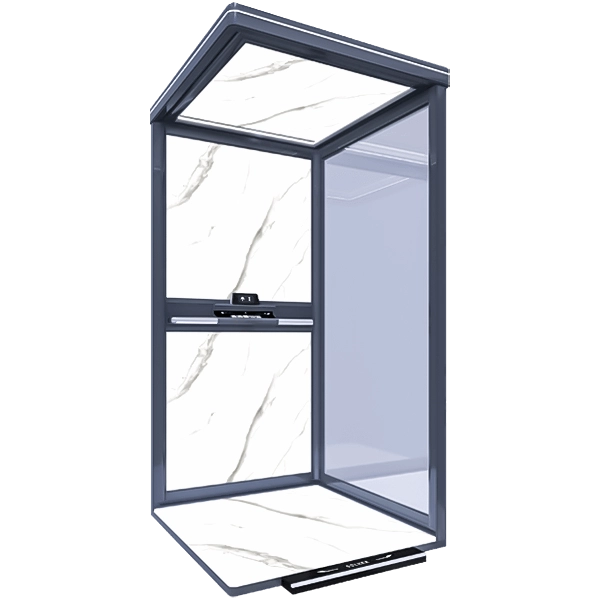
Minimalist design high-end and elegant villa home elevator Model-S
The Model-S is a home villa elevator in the Italian minimalist style. It features the most advanced elevator technology and has comprehensive safety protection measures. It is the most reliable guarantee for your passage in villa homes.
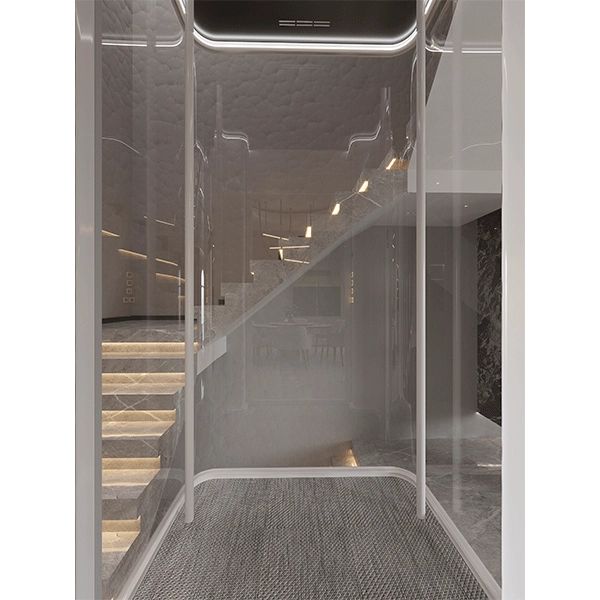
Simple and elegant villa home elevator Model-mini
The Model-Mini is a home villa elevator in the Italian minimalist style. It features the most advanced elevator technology and has comprehensive safety protection measures. It is the most reliable guarantee for your passage in villa homes
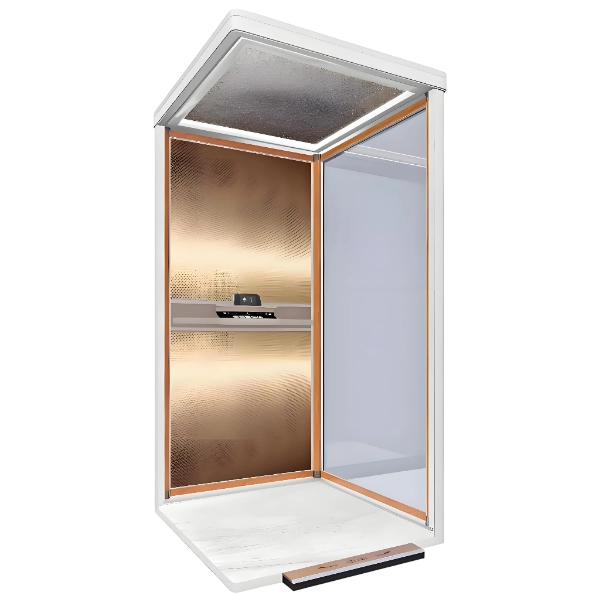
High-end and elegant villa home elevator Model-A
The Model A is a home villa elevator in the Italian minimalist style. It features the most advanced elevator technology and has comprehensive safety protection measures. It is the most reliable guarantee for your passage in villa homes.
Minimalist design high-end and elegant villa home elevator Model-Q
The Model-Q is a home villa elevator in the Italian minimalist style. It features the most advanced elevator technology and has comprehensive safety protection measures. It is the most reliable guarantee for your passage in villa homes.
Let's get in touch
Email: lin@solkerelevator.com
Tel: +86 133 1668 7566
Address: Floor 1, Building D, Nanxin Industry International, Nancheng District, Dongguan, China.
 Taiwan, China
 No. 21, Lane 38, 206 Yingtai Road, Yingge District, New Taipei City
 +886 0975-299-830
 United Arab Emirates
Capital Mall, Abu Dhabi, United Arab Emirates, 3rd floor, Luxera elevator +971 52 541 4685 Ceo@maharacare.com
 Melbourne, Australia
 19/12 Natalia Av, Oakleigh South, VIC 3167
+61 1300 771 86 sales@goldenhomelifts.com.au
Sydney, Australia
U28/323 Chisholm Road, Auburn, NSW 2144
+61 1300 771 86 sales@goldenhomelifts.com.au
SOLKER
SOLKER