


Design Ideas: Integrating the Model-mini Elevator into Villas
- Design Ideas: Integrating the Model-mini Elevator into Villas
- Understanding the Simple and elegant villa home elevator Model-mini as an outdoor home elevator
- Why choose an outdoor home elevator for villas?
- Placement and site planning for your outdoor home elevator
- Architectural integration: materials and visual strategies
- Landscape and exterior design around an outdoor home elevator
- Structural, foundation and waterproofing considerations for outdoor installation
- Building codes, permits and accessibility compliance for outdoor home elevator projects
- Safety systems and modern elevator technology
- Energy efficiency and environmental considerations for an outdoor home elevator
- Maintenance, serviceability and lifecycle cost planning
- Three practical case layouts: how Model-mini fits different villa types
- Checklist: choosing the right outdoor home elevator for your villa
- Brand strengths: why choose our Model-mini outdoor home elevator for villas
- Frequently Asked Questions (FAQs)
- Can the Model-mini be installed outdoors in cold or wet climates?
- Does installing an outdoor home elevator require a machine room?
- How much space does the Model-mini need?
- What maintenance should villa owners expect?
- How long does installation take?
- Contact us / View the Model-mini
- Authoritative references
- Final notes

Design Ideas: Integrating the Model-mini Elevator into Villas
Understanding the Simple and elegant villa home elevator Model-mini as an outdoor home elevator
The Model-Mini is a home villa elevator in the Italian minimalist style. It features the most advanced elevator technology and has comprehensive safety protection measures. It is the most reliable guarantee for your passage in villa homes.
The Simple and elegant villa home elevator Model-mini (hereafter Model-mini) is designed for high-end villas that demand a compact footprint, elegant lines and reliable operation. As an outdoor home elevator option, it helps owners bridge level differences between terraces, garden levels and garage entrances while maintaining a cohesive architectural language. In this article we present detailed, actionable design ideas and technical considerations to integrate this outdoor home elevator into villa projects with minimal disruption and maximum value. When design and integration are complete, it’s helpful to step back and reassess the overall lifestyle value. Revisiting the benefits of an outdoor home elevator for accessible villa living reinforces how thoughtful planning enhances comfort, accessibility, and long-term property appeal.
Why choose an outdoor home elevator for villas?
Outdoor home elevators are increasingly popular in modern villa design for accessibility, convenience and resale value. Compared with ramps or long staircases, an outdoor elevator conserves landscape, reduces walking distance, and creates a signature architectural feature. The Model-mini’s Italian minimalist aesthetic enables it to blend or stand out depending on material and finish choices—making it suitable for both contemporary and classic villas.
Placement and site planning for your outdoor home elevator
Placement is the first and most impactful design decision. Consider these site-planning factors when integrating an outdoor home elevator into a villa landscape:
- Circulation: Place the elevator along primary circulation routes between main living spaces, the garage, pool level and outdoor terraces. Shorten walking flows to improve day-to-day convenience.
- Privacy and views: Position the car so passengers can enjoy views without compromising private sightlines. Frosted glass panels can preserve privacy while keeping daylight.
- Sun and weather exposure: Orientation affects solar gain and weathering. Consider a north or shaded orientation where possible, or specify UV-resistant glass and finishes for southern exposures.
- Drainage and grading: Ensure the pit or base area has proper drainage to avoid standing water. A gravel perimeter, sloped paving, and a surface drain connected to a suitable stormwater line are recommended.
- Noise and vibration: Place machine rooms and drive units away from bedrooms; use anti-vibration mounts if located near quiet zones.
Architectural integration: materials and visual strategies
The Model-mini’s Italian minimalist style is defined by clean geometry, restrained details and material honesty. To integrate it visually:
- Glass and frame choices: Full-height glass with slim metal frames reinforces a floating, modern look. For a more classic villa, choose bronze or dark powder-coated frames to echo window trims.
- Cladding options: Use natural stone or matching stucco on adjacent walls to visually tie the elevator into the facade. Alternatively, treat the elevator as a contrasting sculptural object using corten steel or lacquered panels.
- Balustrade and landing continuity: Extend terrace balustrades and handrails around the elevator landing to create continuity and safety coherence.
- Lighting: Integrate LED strips along door thresholds and downlights on landings to emphasize the elevator as an architectural element at night.
Landscape and exterior design around an outdoor home elevator
Thoughtful landscape design will make the elevator feel like an intentional part of the villa grounds instead of an add-on. Key strategies:
- Soft buffers: Plant evergreen shrubs or ornamental grasses around the base to soften the transition from hard surface to elevator base.
- Step transitions: Design short stepped landings or intermediate terraces that create comfortable approach distances and integrate paths with the elevator entry doors.
- Lighting and wayfinding: Use low-level path lighting, bollards and ground washers to guide guests to the elevator. Consider motion-activated lights for energy savings.
- Outdoor furniture and amenities: Create a small terrace or seating area near the elevator exit to increase utility and sociability.
Structural, foundation and waterproofing considerations for outdoor installation
Even though the Model-mini is compact, outdoor installations require careful structural planning:
- Foundations: A compact reinforced concrete pad or strip footing sized for the elevator base and live loads is typical. Soil-bearing capacity must be assessed by a geotechnical engineer.
- Pit vs. pitless: Many modern villa elevators, including Model-mini variants, can be installed pitless with a shallow pit or slab-mounted configuration, reducing excavation and waterproofing needs. Confirm the specific model requirements during planning.
- Seismic and wind loads: In high-wind or seismic zones, lateral restraints and anchorage to the main structure or separate reinforced foundations will be necessary.
- Waterproofing: Detail junctions where the elevator meets building envelope and paving. Use durable seals and integrate with site drainage to avoid water ingress into mechanical components.
Building codes, permits and accessibility compliance for outdoor home elevator projects
Codes vary by jurisdiction, but expect to address:
- Local building permit requirements and elevator inspections.
- Accessibility standards (where applicable), such as clear door openings and minimum car dimensions for wheelchair users. Even if not mandated, designing to recognized accessibility standards increases home value.
- Electrical permits for dedicated supply circuits and emergency power systems.
- Outdoor-specific rules: regulations concerning glass safety, parapet heights and fall protection around landings.
Early engagement with local authorities and an elevator specialist will prevent delays. If your villa is in a historic district, coordinate with conservation officers about visual impact and finishes.
Safety systems and modern elevator technology
The Model-mini incorporates advanced safety systems appropriate for outdoor home elevator installations:
- Redundant braking and door interlocks to prevent motion with open doors.
- Emergency lowering systems and battery backup to return the car to a safe floor during power loss.
- Full-height glass or sealed panel options with tempered or laminated safety glass for outdoor conditions.
- Smart diagnostics and remote monitoring to notify service teams of faults before they become critical.
Designers should also consider lightning protection and surge suppression for outdoor installations to protect sensitive electronics.
Energy efficiency and environmental considerations for an outdoor home elevator
Energy-conscious buyers benefit from low-consumption drives and regenerative systems:
- Variable-frequency drives (VFDs) reduce energy usage by matching motor speed to demand.
- LED cabin lighting and motion sensors reduce standby power.
- Regenerative drives can feed energy back to the villa’s electrical system during descent under load.
- Thermal considerations: choose glazing with appropriate solar control to reduce cooling loads in sun-exposed locations.
Maintenance, serviceability and lifecycle cost planning
Long-term performance depends on proactive maintenance. Typical recommendations for a villa outdoor home elevator:
- Quarterly visual inspections and annual preventive maintenance by certified technicians.
- Planned replacement schedule: consumables like door seals and guide rollers typically replaced on a multi-year cycle depending on usage.
- Service access: design machine-room or car-top access that allows technicians to reach components safely without dismantling finishes.
- Cost comparison table: estimated initial cost, annual maintenance and expected service life for common lift types.
| Lift Type | Estimated Initial Cost (USD) | Annual Maintenance (USD) | Typical Life (Years) |
|---|---|---|---|
| Model-mini (compact outdoor home elevator) | 30,000 - 65,000 | 800 - 1,500 | 20 - 30 |
| Conventional hydraulic villa elevator | 35,000 - 70,000 | 1,000 - 2,000 | 15 - 25 |
| Traction machine-roomless (MRL) elevator | 40,000 - 80,000 | 1,000 - 2,500 | 20 - 30 |
| Stairlift (limited applicability) | 3,000 - 10,000 | 200 - 500 | 10 - 15 |
Note: Costs depend on site complexity, finishes and local labor rates. Model-mini offers competitive pricing for a high-design outdoor home elevator by lowering excavation and mechanical-room needs while offering High Quality finishes.
Three practical case layouts: how Model-mini fits different villa types
Case 1 – Coastal modern villa: Place the Model-mini between pool deck and main living level. Use tinted glass and corrosion-resistant finishes. Add wind baffles if exposed to strong coastal gusts.
Case 2 – Hillside multi-level villa: Locate Model-mini adjacent to an outdoor stair sequence to reduce long internal travel from garage to kitchen. Structure the elevator on a shallow foundation to minimize excavation on slope.
Case 3 – Historic villa with modern insert: Treat the elevator as a subtle modern intervention with dark metal framing and stone cladding to echo original masonry while providing contemporary access.
Checklist: choosing the right outdoor home elevator for your villa
Use this checklist with your architect or elevator partner:
- Primary use: occasional use, daily family use, or heavy traffic?
- Capacity needs: wheelchair access required? Number of passengers?
- Site constraints: space, soil, and proximity to structure.
- Finish and aesthetic goals: transparent, concealed, or standout feature?
- Budget for installation and ongoing maintenance.
- Local permitting timeline and code requirements.
- Service and warranty options from manufacturer or local dealer.
Brand strengths: why choose our Model-mini outdoor home elevator for villas
The Simple and elegant villa home elevator Model-mini is engineered to address villa owners’ core concerns:
- Design-first approach: Italian minimalist styling that complements high-end villas while remaining highly configurable.
- Reliable technology: modern drives, safety interlocks and battery-backed emergency functions reduce operational risk.
- Flexible installation: pitless and shallow-pit options reduce site disruption and installation time.
- Service network: dedicated support, remote diagnostics and routine service plans keep lifecycle costs predictable.
Frequently Asked Questions (FAQs)
Can the Model-mini be installed outdoors in cold or wet climates?
Yes. The Model-mini is available with weather-resistant finishes, sealed electrical enclosures and options for heated door thresholds to prevent ice build-up. Proper drainage and waterproof detailing are still essential; consult local codes and our installation guide for climate-specific requirements.
Does installing an outdoor home elevator require a machine room?
Many Model-mini configurations use compact drive systems that do not require a separate machine room (MRL design). Some higher-capacity or specialty configurations may still use a small external machinery enclosure. Your project team will recommend the best option based on capacity and site constraints.
How much space does the Model-mini need?
The Model-mini is designed for a small footprint. Typical car sizes can start from approximately 0.8m x 1.1m (for simple two-person designs) up to larger wheelchair-accessible cars. Exact dimensions depend on the configuration—concealed vs. exposed, door types and local code minimums.
What maintenance should villa owners expect?
Routine maintenance typically includes quarterly inspections and annual preventive checks. Homeowners can purchase service packages that include emergency response and parts coverage. Regular maintenance extends equipment life and maintains warranty validity.
How long does installation take?
Installation timelines vary by site complexity. For a straightforward pitless outdoor installation, typical lead time from order to commissioning is 8–14 weeks, with onsite installation taking between 3–7 working days depending on site prep and finishes.
Contact us / View the Model-mini
To discuss your villa project and receive a site-specific consultation, contact our sales team. We offer on-site evaluations, 3D visualizations and sample finish boards to help you choose the right outdoor home elevator solution. Click to view the Model-mini product page or request a quote today.
Authoritative references
For more background on elevator safety, accessibility and regulations, consult these authoritative sources:
- Wikipedia – Elevator: https://en.wikipedia.org/wiki/Elevator
- ADA (Americans with Disabilities Act) – Official site: https://www.ada.gov/
- EN 81 (Safety rules for the construction and installation of lifts) overview: https://en.wikipedia.org/wiki/EN_81
- International Building Code (IBC) – ICC: https://www.iccsafe.org/
- Energy Efficiency Resources – U.S. Department of Energy: https://www.energy.gov/
Final notes
Integrating an outdoor home elevator like the Simple and elegant villa home elevator Model-mini into a villa is both an architectural opportunity and an engineering challenge. With careful site planning, attention to finishes, adherence to codes, and a proactive maintenance plan, the Model-mini can deliver years of reliable, elegant access that enhances both livability and property value.
Design Tips: Integrating an In-Home Elevator into Modern Homes
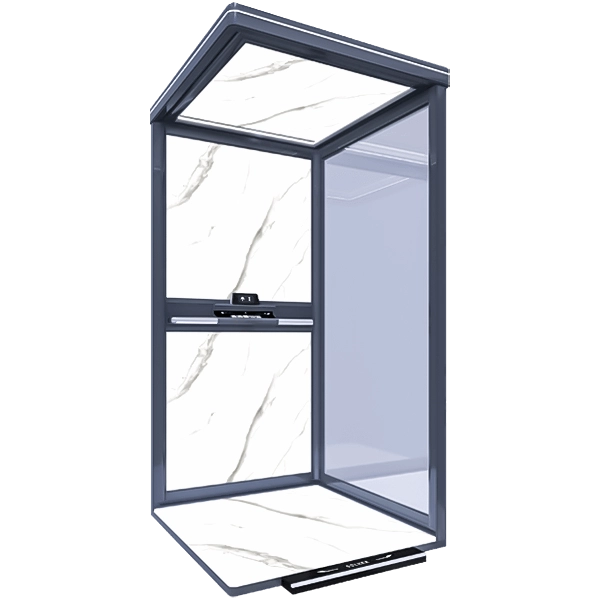
Top 10 safety features for outdoor home elevator Model-S
Where to Buy luxury home lift in UAE
Long-term Value: Does a Small Home Elevator Add Home Appeal?
Product
How to install an elevator and what is the warranty?
We have overseas technicians who are at your service 24 hours a day, 365 days a year.
How long is the production date required?
Under normal circumstances, the production time is 35 to 45 days.
Customize
Can I customize the elevator to match my home style?
Absolutely. We offer multiple cabin styles, materials, and finishes to suit modern, classic, or minimalist interiors.
Can I choose specific materials or colors for the cabin?
Yes. We offer a wide range of premium materials and finishes — from stone to wood to glass.
How long does a custom order take to deliver?
On average, production takes 30–45 days after confirmation, depending on your configuration.
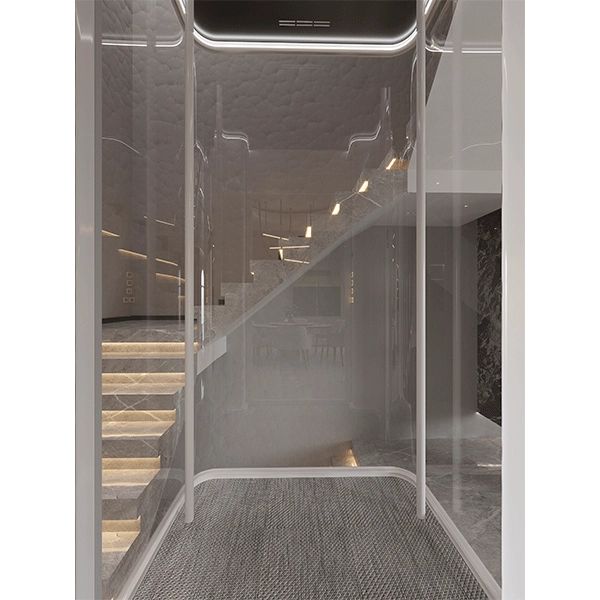
Simple and elegant villa home elevator Model-mini
The Model-Mini is a home villa elevator in the Italian minimalist style. It features the most advanced elevator technology and has comprehensive safety protection measures. It is the most reliable guarantee for your passage in villa homes
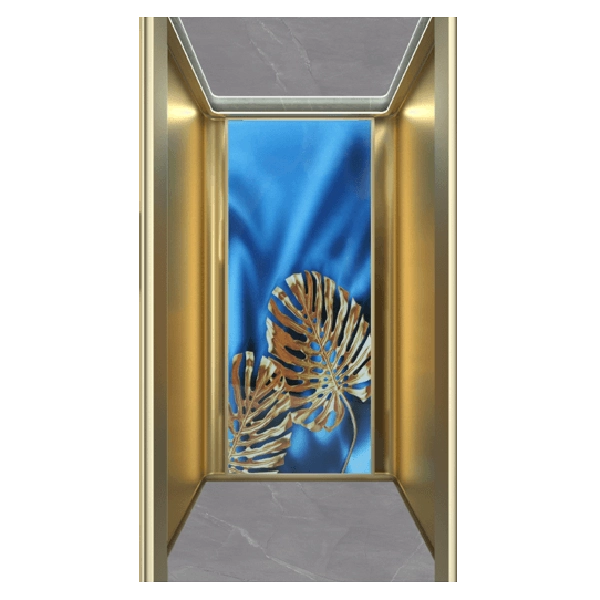
Minimalist design high-end and elegant villa home elevator Model-Q
The Model-Q is a home villa elevator in the Italian minimalist style. It features the most advanced elevator technology and has comprehensive safety protection measures. It is the most reliable guarantee for your passage in villa homes.
Minimalist design high-end and elegant villa home elevator Model-S
The Model-S is a home villa elevator in the Italian minimalist style. It features the most advanced elevator technology and has comprehensive safety protection measures. It is the most reliable guarantee for your passage in villa homes.
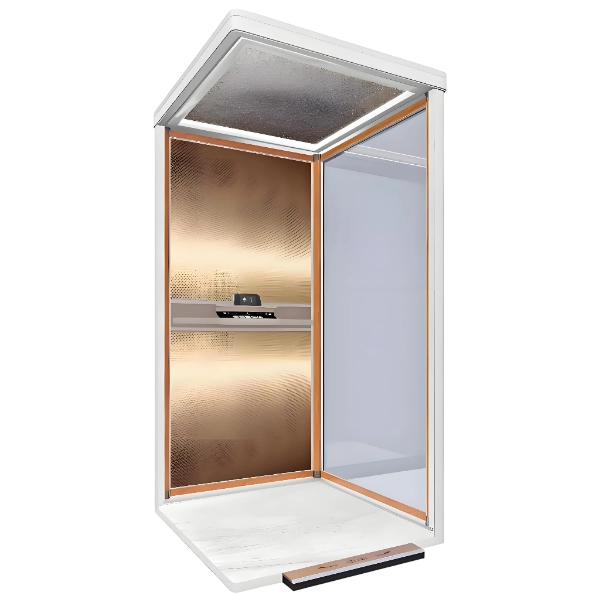
High-end and elegant villa home elevator Model-A
The Model A is a home villa elevator in the Italian minimalist style. It features the most advanced elevator technology and has comprehensive safety protection measures. It is the most reliable guarantee for your passage in villa homes.
Let's get in touch
Email: lin@solkerelevator.com
Tel: +86 133 1668 7566
Address: Floor 1, Building D, Nanxin Industry International, Nancheng District, Dongguan, China.
 Taiwan, China
 No. 21, Lane 38, 206 Yingtai Road, Yingge District, New Taipei City
 +886 0975-299-830
 United Arab Emirates
Capital Mall, Abu Dhabi, United Arab Emirates, 3rd floor, Luxera elevator +971 52 541 4685 Ceo@maharacare.com
 Melbourne, Australia
 19/12 Natalia Av, Oakleigh South, VIC 3167
+61 1300 771 86 sales@goldenhomelifts.com.au
Sydney, Australia
U28/323 Chisholm Road, Auburn, NSW 2144
+61 1300 771 86 sales@goldenhomelifts.com.au
SOLKER
SOLKER