


Buyer's guide: choosing an outdoor home elevator for villas
- Why install an outdoor elevator in a villa?
- Enhancing accessibility and daily convenience
- Adding value and lifestyle appeal
- Design integration with landscapes and architecture
- Key selection criteria for an outdoor home elevator
- Weatherproofing and materials
- Capacity, speed, and footprints
- Power source and drive type
- Safety, standards, and regulatory compliance
- Applicable standards and certifications
- Essential safety features for outdoor lifts
- Inspection, testing, and documentation
- Practical considerations: installation, maintenance, cost, and ROI
- Site assessment and installation timeline
- Maintenance needs and total cost of ownership
- Comparing options — quick reference table
- How Model-S meets villa outdoor elevator needs
- Italian minimalist styling that complements villas
- Advanced technology and comprehensive safety
- Customization and installation flexibility
- Buying checklist and questions to ask suppliers
- Essential questions for any outdoor elevator vendor
- Evaluating installation and service support
- Budgeting and financial considerations
- FAQs
- Q: Is an outdoor home elevator safe in bad weather?
- Q: How long does installation take?
- Q: What permits are required?
- Q: Can outdoor elevators be retrofitted to existing villas?
- Q: How do I choose between hydraulic and traction drives?
- Contact and next steps
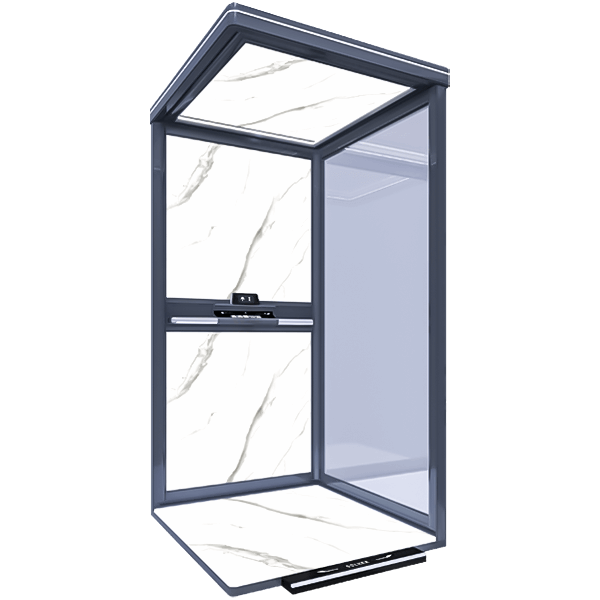
The outdoor home elevator is an increasingly popular solution for villa owners seeking accessibility, style, and added property value. This guide explains how to choose the right outdoor home elevator for villas, focusing on durability, weatherproofing, safety standards, and aesthetics. It highlights the Minimalist design high-end and elegant villa home elevator Model-S as a benchmark product that combines Italian minimalist styling with advanced elevator technology and robust safety protections.
Why install an outdoor elevator in a villa?
Enhancing accessibility and daily convenience
Outdoor home elevators make multi-level villas more accessible for elderly family members, guests with limited mobility, and for moving heavy items such as luggage, groceries, or furniture between floors. Unlike external ramps or stairlifts, an exterior residential lift provides full-floor access and can integrate with patio or garden entrances for a smooth flow of movement.
Adding value and lifestyle appeal
An outdoor lift is often perceived as a high-end feature that increases a property's marketability and resale value. High-quality residential lifts designed for villas — especially those with refined finishes like glass or stainless steel — can become an architectural highlight. The Model-S, for example, is a home villa elevator in the Italian minimalist style. It features the most advanced elevator technology and has comprehensive safety protection measures. It is the most reliable guarantee for your passage in villa homes.
Design integration with landscapes and architecture
Outdoor elevators should complement outdoor living areas rather than dominate them. Choices in glazing, finishes, and slender cabin profiles help preserve sightlines and the visual harmony of gardens, terraces, and facades. The minimalist approach reduces visual bulk while maintaining High Quality aesthetics.
Key selection criteria for an outdoor home elevator
Weatherproofing and materials
Outdoor lifts must resist moisture, UV exposure, temperature swings, and salt (for coastal villas). Look for stainless steel frames (AISI 304 or AISI 316 for coastal exposure), tempered glass panels with UV coatings, and seals rated for outdoor use. Weatherproof electrical and control components are essential; ensure enclosures have appropriate IP ratings (Ingress Protection) to prevent corrosion and electrical faults.
Capacity, speed, and footprints
Define the lift's required load capacity (commonly 250–400 kg for residential lifts) based on expected users and items. Cab size and pit/headroom limitations determine whether a cab-forward solution or shafted exterior elevator is needed. Typical residential speeds range from 0.15 to 0.6 m/s; choose a comfortable speed (0.3–0.4 m/s) to balance transit time and ride smoothness.
Power source and drive type
Common drive technologies include hydraulic, traction (gearless), and screw-drive systems. Gearless traction offers smooth, energy-efficient operation with compact machine rooms, suitable for High Quality villa installations. Hydraulic systems provide strong lifting power and minimal shaft requirements but need a concealed machine room and careful environmental handling. Consider energy consumption, noise, and maintenance needs when selecting drive types.
Safety, standards, and regulatory compliance
Applicable standards and certifications
Choose elevators that comply with recognized safety standards. International and regional standards include ISO standards for lift energy and safety, EN 81 series for Europe, and ASME A17.1 for North America. These standards address design, installation, emergency features, and testing. For an overview on elevators, see the authoritative summary on Wikipedia: https://en.wikipedia.org/wiki/Elevator.
For energy and safety-related ISO guidance, consult ISO publications such as ISO 25745 (energy performance of lifts): https://www.iso.org/standard/50412.. For regional safety rules, see ASME resources on elevator safety: ASME A17.1. European EN standards provide detailed directives for safety of elevators and escalators; one reference overview is available here: https://en.wikipedia.org/wiki/EN_81.
Essential safety features for outdoor lifts
Required features include emergency stop and alarm, mechanical door locks, overspeed governors, buffer systems, manual lowering mechanisms, battery backup for lighting and doors, and tamper-proof control panels. For exterior units, automatic drainage and freeze-protection for seals and sensors are critical to avoid malfunction in cold climates.
Inspection, testing, and documentation
Regular inspections by certified technicians are not optional. Before purchase, verify that the manufacturer or installer provides detailed schematics, maintenance manuals, and an inspection schedule. Ensure local authorities accept the proposed installation and that permits are obtained. Proper documentation speeds up approvals and helps maintain warranty coverage.
Practical considerations: installation, maintenance, cost, and ROI
Site assessment and installation timeline
Conduct a professional site survey to assess foundation requirements, clearances, structural support, power availability, and route planning. Outdoor vertical shaft systems often require a reinforced base slab and anchoring to the façade. Prefabricated shaftless or glass shaft solutions can reduce on-site construction and cut the install timeline to a few weeks; bespoke shafted installations may take longer.
Maintenance needs and total cost of ownership
Routine maintenance includes lubrication, seal replacement, electrical checks, and software/controls updates. Plan for an annual full safety inspection plus periodic filter and gasket replacements for outdoor exposure. While purchase price varies greatly by region, drive type, and finishes, lifecycle costs (energy + maintenance) are important; gearless traction tends to be more energy-efficient over time.
Comparing options — quick reference table
| Feature | Model-S (Italian minimalist) | Hydraulic outdoor lift | Shaftless glass elevator |
|---|---|---|---|
| Design | Minimalist glass & stainless finish | Solid panels, compact cabin | Transparent, slim footprint |
| Drive | Advanced gearless/traction option | Hydraulic ram | Self-supporting screw or traction |
| Weather resistance | High—marine-grade options available | Moderate—requires protection | High—designed for exterior use |
| Noise | Low | Moderate | Low |
| Maintenance | Routine, manufacturer-backed plan | Regular hydraulic checks | Routine; glass care included |
| Typical lifespan | 20+ years with maintenance | 15–20 years | 20+ years |
How Model-S meets villa outdoor elevator needs
Italian minimalist styling that complements villas
The Minimalist design high-end and elegant villa home elevator Model-S is purpose-built for upscale residential settings. Its streamlined silhouette and High Quality finishes allow the elevator to function as both a utility and a design statement without overpowering exterior architecture.
Advanced technology and comprehensive safety
Model-S integrates modern drive systems that offer smooth starts/stops and energy-efficient operation, coupled with safety features such as overspeed governors, emergency lowering, battery backup, and weatherproof electronic controls. These elements help meet or exceed regional standards like EN 81 and ASME guidelines.
Customization and installation flexibility
Model-S offers modular installation options (shafted or shaftless with glass enclosures), multiple finish choices for coastal or urban environments, and a selection of cabin sizes to meet capacity and spatial constraints. The manufacturer provides full installation planning and maintenance contracts to ensure long-term reliability.
Buying checklist and questions to ask suppliers
Essential questions for any outdoor elevator vendor
- Which standards and certifications does this model comply with (ISO, EN 81, ASME)?
- What IP rating and corrosion resistance are specified for outdoor components?
- What is included in the warranty and what are the recommended maintenance intervals?
- Are remote diagnostics, backup power, and emergency lowering included?
- Can you provide references for similar villa installations and site photos?
Evaluating installation and service support
Confirm that the supplier offers local installation teams or certified partners, and that spare parts and service contracts are available in your area. A strong local service network reduces downtime and protects your investment.
Budgeting and financial considerations
Request detailed quotes that separate equipment, installation, civil works (slab, anchoring), permits, and maintenance. Consider financing options and the potential resale value improvement to estimate return on investment.
FAQs
Q: Is an outdoor home elevator safe in bad weather?
A: Yes — when specified and installed for exterior use. Weatherproof materials, sealed electrical enclosures (high IP ratings), and frost/UV protections are necessary. Ensure the model is rated for your climate and that drainage and heating measures are in place to prevent ice and water ingress.
Q: How long does installation take?
A: Installation timelines vary by model and site work required. Prefabricated shaftless systems often install in 2–4 weeks after site preparation; custom shafted installations can take 6–12 weeks including civil works and finishing.
Q: What permits are required?
A: Permits depend on local building codes. Typical requirements include structural permits for foundations or anchor points, electrical permits, and elevator safety inspections. Your installer should guide you through the local approval process.
Q: Can outdoor elevators be retrofitted to existing villas?
A: Yes — many outdoor lifts are designed for retrofit. Site surveys determine whether a shaftless glass elevator or a shallow pit solution is feasible. Retrofitting minimizes changes to the building interior and often requires only an external base slab.
Q: How do I choose between hydraulic and traction drives?
A: Choose based on priorities: traction (gearless) is more energy-efficient and smooth, suitable for higher-end installations; hydraulic is robust and can be more affordable but requires a hydraulic power unit and environmental safeguards. Consider noise, energy, and maintenance differences.
Contact and next steps
If you are considering an outdoor home elevator for your villa, the Minimalist design high-end and elegant villa home elevator Model-S is engineered to blend refined aesthetics with advanced safety and durability. To discuss site requirements, options for finishes, and to get a detailed proposal, contact our product specialists or view the Model-S product page.
Contact customer service | View Model-S product page
References:
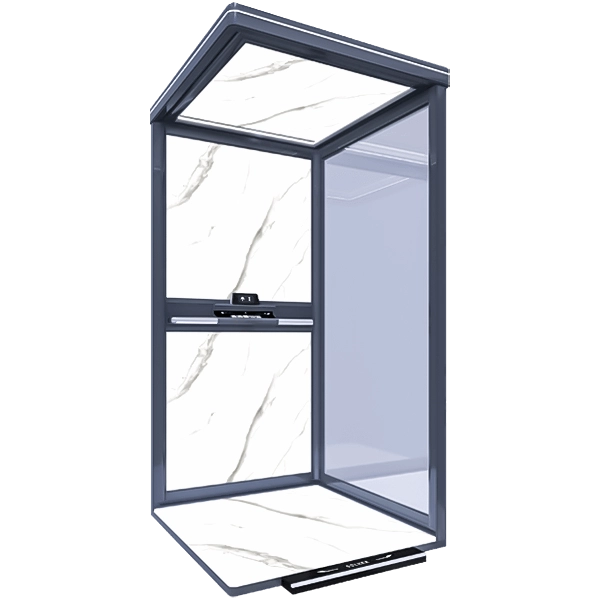
Common myths about outdoor home elevator safety debunked
Maintenance Checklist for Luxury Residential Elevators
Designing a Home Elevator to Match Modern Villa Architecture
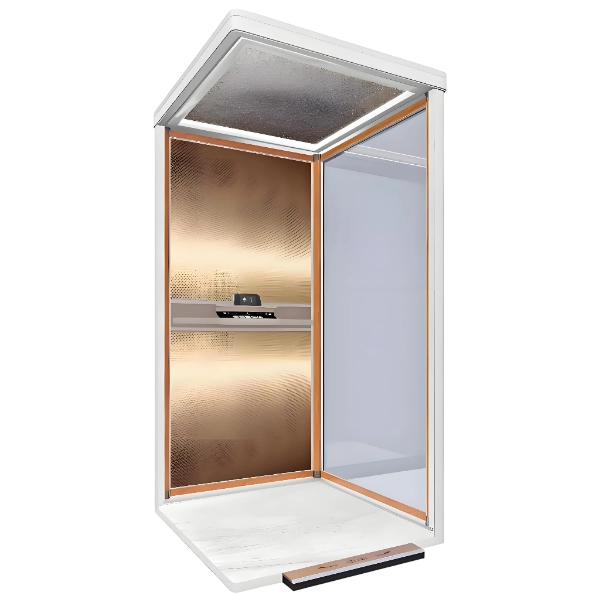
Why Choose a Luxury Elevator for Your Villa Home
Product
How long is the production date required?
Under normal circumstances, the production time is 35 to 45 days.
Customize
How does the customization process work?
Our design team will guide you through the steps: style selection, material choice, and 3D visualization before confirmation.
How long does a custom order take to deliver?
On average, production takes 30–45 days after confirmation, depending on your configuration.
What parts of the elevator can be customized?
You can personalize wall panels, flooring, lighting, control panels, handrails, and door finishes.
Can I choose specific materials or colors for the cabin?
Yes. We offer a wide range of premium materials and finishes — from stone to wood to glass.
Minimalist design high-end and elegant villa home elevator Model-S
The Model-S is a home villa elevator in the Italian minimalist style. It features the most advanced elevator technology and has comprehensive safety protection measures. It is the most reliable guarantee for your passage in villa homes.
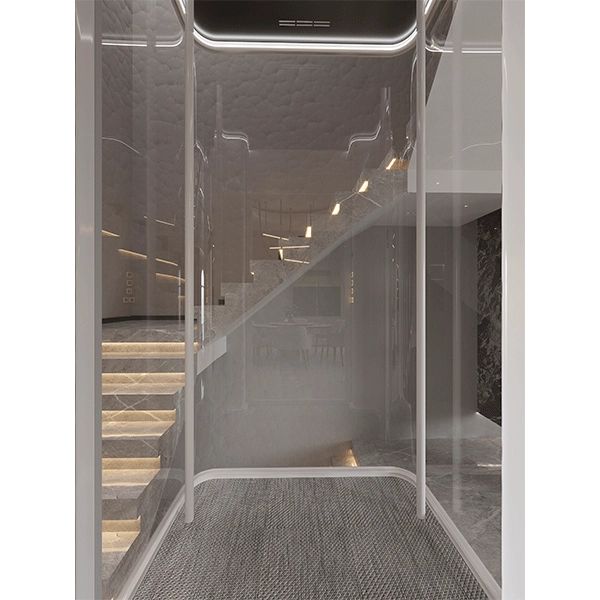
Simple and elegant villa home elevator Model-mini
The Model-Mini is a home villa elevator in the Italian minimalist style. It features the most advanced elevator technology and has comprehensive safety protection measures. It is the most reliable guarantee for your passage in villa homes
High-end and elegant villa home elevator Model-A
The Model A is a home villa elevator in the Italian minimalist style. It features the most advanced elevator technology and has comprehensive safety protection measures. It is the most reliable guarantee for your passage in villa homes.
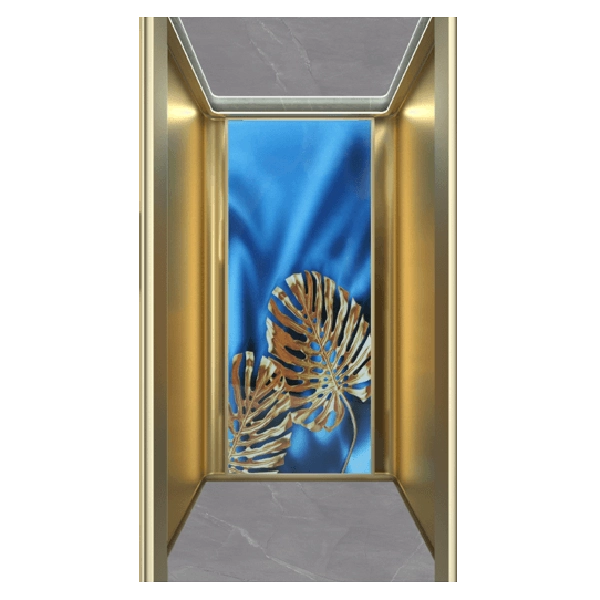
Minimalist design high-end and elegant villa home elevator Model-Q
The Model-Q is a home villa elevator in the Italian minimalist style. It features the most advanced elevator technology and has comprehensive safety protection measures. It is the most reliable guarantee for your passage in villa homes.
Let's get in touch
Email: lin@solkerelevator.com
Tel: +86 133 1668 7566
Address: Floor 1, Building D, Nanxin Industry International, Nancheng District, Dongguan, China.
 Taiwan, China
 No. 21, Lane 38, 206 Yingtai Road, Yingge District, New Taipei City
 +886 0975-299-830
 United Arab Emirates
Capital Mall, Abu Dhabi, United Arab Emirates, 3rd floor, Luxera elevator +971 52 541 4685 Ceo@maharacare.com
 Melbourne, Australia
 19/12 Natalia Av, Oakleigh South, VIC 3167
+61 1300 771 86 sales@goldenhomelifts.com.au
Sydney, Australia
U28/323 Chisholm Road, Auburn, NSW 2144
+61 1300 771 86 sales@goldenhomelifts.com.au
SOLKER
SOLKER