


Planning Space and Layout for a Villa Home Luxury Elevator
- Integrating a Luxury Elevator into Villa Floorplans
- Choosing the best location: proximity to circulation and structure
- Open-plan vs. enclosed layouts: panoramic and minimalist approaches
- Accessibility and daily workflow planning
- Technical Space Requirements and Structural Considerations
- Typical cabin and shaft dimensions: guidelines and examples
- Structural load paths and reinforcement requirements
- Machine-room, MRL and drive options: space trade-offs
- Designing Elegant Cabin, Door and Shaft Details for Model-A
- Italian minimalist cabin finishes and lighting strategies
- Door types, swing considerations and threshold integration
- Acoustic and vibration control in refined interiors
- Safety, Codes, and Operational Planning
- Codes and standards references
- Safety systems and emergency planning
- Maintenance access, lifecycle planning and costs
- Practical Steps: From Concept to Handover
- Early coordination checklist for architects and builders
- Working with the Model-A: installation and commissioning highlights
- Cost and value considerations
- References
- FAQ — Frequently Asked Questions
- What are the minimum shaft dimensions required for the Model-A?
- Can Model-A be installed without a machine room?
- How much structural work is typically needed?
- What maintenance is required and how often?
- How long does installation take?

When planning a luxury elevator for a villa, thoughtful space and layout decisions determine performance, safety and the overall aesthetic integration of the home lift. This guide explains practical dimensions, structural and mechanical considerations, code references and design tips that help architects, homeowners and builders evaluate options for installing a luxury elevator—focusing on the Italian minimalism of the High-end and elegant villa home elevator Model-A to combine technology, safety and refined appearance.
Product introduction:
The Model A is a home villa elevator in the Italian minimalist style. It features the most advanced elevator technology and has comprehensive safety protection measures. It is the most reliable guarantee for your passage in villa homes.
Integrating a Luxury Elevator into Villa Floorplans
Choosing the best location: proximity to circulation and structure
Placing a luxury elevator such as the Model-A requires balancing convenience, structural simplicity and visual impact. For most villa projects the ideal locations are adjacent to the main staircase, close to the primary entrance or near the kitchen and master suite for daily convenience. Locating the elevator near existing vertical circulation often minimizes new structural interventions because stair landings, header beams and corridors provide natural load paths and allow easier consolidation of mechanical and electrical runs.
Open-plan vs. enclosed layouts: panoramic and minimalist approaches
Modern villa elevators can be designed as enclosed villa elevator shafts or panoramic glazed cabins that become a design feature. The Model-A’s Italian minimalist cabin pairs well with both approaches. For an open-plan atrium, a panoramic glass shaft enhances daylight and creates a visual centerpiece; for a private, enclosed plan an invisible, flush-mounted elevator maintains the minimalist aesthetic. Budget, privacy and thermal considerations determine which approach is preferred.
Accessibility and daily workflow planning
A properly sited home lift optimizes everyday movement: place it in proximity to frequently used zones (kitchen, master bedroom, garage) and ensure access clearances meet local accessibility guidance. Consider door swing, foyer clearance and whether vestibule or through-traffic travel is necessary. Designing for universal usability will increase long-term value and functionality.
Technical Space Requirements and Structural Considerations
Typical cabin and shaft dimensions: guidelines and examples
Home-lift cabin sizes and shaft dimensions vary by capacity and drive type. Below is a practical reference table for common residential configurations. These are guidance ranges—local codes and site-specific constraints should be verified before finalizing design.
| Capacity (persons/kg) | Typical cabin size (mm) | Minimum shaft internal (mm) | Door width (mm) | Pit depth (mm) | Headroom (overhead) (mm) |
|---|---|---|---|---|---|
| 4 / 320 kg | 800 x 1100 (approx) | 1100 x 1400 | 700 - 800 | 100 - 200 | 2500 - 3000 |
| 6 / 450 kg | 1000 x 1250 | 1250 x 1500 | 800 - 900 | 150 - 300 | 2800 - 3200 |
| 8 / 630 kg | 1100 x 1400 | 1400 x 1600 | 900 - 1000 | 150 - 400 | 3000 - 3500 |
Notes: The Model-A is optimized for villa spaces and intentionally designed to fit within compact shafts while offering comfortable cabin proportions. Confirm final shaft, pit and headroom with the manufacturer’s technical pack and local code requirements before construction.
Structural load paths and reinforcement requirements
An elevator shaft imposes concentrated loads and dynamic forces on floor slabs and foundations. Structural engineers must evaluate: 1) point loads where guide rails attach to floors, 2) pit formation and waterproofing, and 3) overhead support for buffer and head components. In retrofit projects, it’s common to add steel-reinforced beams or local slab strengthening to accept the rail brackets and car safety gear. Early coordination avoids costly rework.
Machine-room, MRL and drive options: space trade-offs
Modern luxury home elevators often favor machine-room-less (MRL) traction drives to minimize building footprint and preserve usable floor area. Hydraulic systems typically require a machine-room or plant area for the oil reservoir and pump, adding to space needs. MRL and gearless traction systems reduce mechanical volume but may require a larger overhead and slightly deeper pit. Compare options on energy, noise and space as summarized below.
| Drive Type | Space Impact | Energy / Noise | Best Use |
|---|---|---|---|
| MRL (Machine-Room-Less) Traction | Minimal room required; small overhead | High efficiency, low noise | Most villa installations where footprint is limited |
| Hydraulic | Requires plant space for pump / reservoir | Moderate energy, more noise/vibration | Low-rise with heavier loads or where shaft size is constrained |
| Conventional Traction with MR | Machine room needed — extra floor area | Efficient, low noise | High use or multi-level luxury residences |
Designing Elegant Cabin, Door and Shaft Details for Model-A
Italian minimalist cabin finishes and lighting strategies
Model-A’s Italian minimalist language emphasizes clean lines, subtle materials and warm light. Choosing finishes—matte metal trims, wood veneer or neutral stone—must balance durability and maintenance. Integrated LED perimeter lighting and soft downlights produce even illumination without visual clutter. Consider underrail handrails concealed into the wall and flush floor transitions to reinforce the minimalist aesthetic.
Door types, swing considerations and threshold integration
Door selection affects clearance and aesthetic. Center-opening automatic doors are common for villa elevators and deliver balanced appearance and comfortable entry. Pocket or sliding doors save corridor space but need accurate shaft and wall planning. Thresholds should be flush and finished with resilient materials to handle wheelchair access and wheeled luggage. Ensure door widths meet local accessibility guidance.
Acoustic and vibration control in refined interiors
Noise and vibration can undermine the feeling of luxury. Isolate the elevator guide rail fixings with resilient mountings, use vibration-damping pads in pit and overhead, and specify quiet, speed-governed drives. The Model-A’s advanced drive systems minimize noise; pairing those with acoustic door seals and soft-close mechanisms preserves the tranquil villa atmosphere.
Safety, Codes, and Operational Planning
Codes and standards references
Complying with recognized elevator standards is essential for safety and insurance. Useful references include the general overview of elevator technology on Wikipedia (Wikipedia - Elevator), the American standard ASME A17.1 for elevators (ASME A17.1) and the international classification for lifts and escalators on ISO (ISO - Elevators and escalators). Confirm which standard applies in your jurisdiction—many countries reference EN 81 series or ASME codes for design, safety circuits, emergency egress and testing protocols.
Safety systems and emergency planning
Modern luxury elevators must include redundant safety systems: overspeed governors, emergency brakes, battery-operated emergency lowering, two-way communication and emergency lighting. For villa environments, consider provision for a remote monitoring and diagnostic system so technicians can remotely assess fault codes—minimizing downtime. The Model-A is supplied with comprehensive safety protection features and complies with recognized testing protocols; review the technical datasheet for specific items and certification levels.
Maintenance access, lifecycle planning and costs
Plan maintenance access around the chosen drive system. MRLs typically provide rooftop or hatch access for periodic service; machine-roomed systems centralize maintenance needs. Factor lifecycle costs—energy consumption, periodic replacement of brakes, cab finishes and door drives—into the long-term ownership model. Energy standards (see ISO energy guidance) and predictive maintenance reduce operating cost and extend service life.
Practical Steps: From Concept to Handover
Early coordination checklist for architects and builders
- Confirm intended elevator location and align with structural grid.
- Obtain the Manufacturer’s technical/installation pack for exact shaft, pit and headroom dimensions.
- Clarify drive type (MRL vs hydraulic vs machine-room) and associated space needs.
- Coordinate electrical supply—dedicated power, emergency battery reserves and remote monitoring circuits.
- Plan finishes, door thresholds and natural light integration in living spaces.
Working with the Model-A: installation and commissioning highlights
When selecting the High-end and elegant villa home elevator Model-A, request factory-approved installation supervision. Common timelines: site preparation and structural reinforcement (2–4 weeks, variable), shaft construction (2–6 weeks), installation and commissioning (1–2 weeks). Commissioning should include load testing, safety device calibration and user training for the homeowner.
Cost and value considerations
Initial installation cost varies with shaft complexity, drive type and finishes. While a luxury elevator increases upfront cost, it also raises resale value, improves daily livability and future-proofs multi-level access. Evaluate total cost of ownership—including energy, maintenance contracts and periodic modernization—when choosing equipment and finishes.
References
Authoritative resources for further reading and compliance:
- Elevator — Wikipedia
- ASME A17.1 - Safety Code for Elevators and Escalators
- ISO — Elevators and escalators (ICS 13.220)
- Elevator World — Industry news and technical articles
FAQ — Frequently Asked Questions
What are the minimum shaft dimensions required for the Model-A?
Minimum shaft dimensions depend on the selected cabin size and capacity. Typical guidance ranges are shown in the table above (for example, a 4-person/320 kg cabin may fit into a shaft around 1100 x 1400 mm). Always request the Model-A installation pack for exact dimensional templates and confirm with your local building authority.
Can Model-A be installed without a machine room?
Yes. Model-A can be configured with MRL (machine-room-less) traction drives to minimize footprint. MRL systems typically require slightly increased overhead or pit dimensions compared to some hydraulic setups, but eliminate the need for a separate machine room.
How much structural work is typically needed?
Structural work varies by whether you are retrofitting or building new. New construction allows for integrated shafts and reduced reinforcement. Retrofits frequently require localized slab reinforcement, pit construction and beam modifications at guide-rail fixings. Early structural evaluation and cooperation with the elevator supplier reduces surprises.
What maintenance is required and how often?
Regular preventive maintenance is recommended—typically a service visit every 6–12 months depending on usage. Maintenance covers safety device tests, lubrication, door operation checks and control diagnostics. Many owners opt for a service contract with remote monitoring for faster response times.
How long does installation take?
Installation timelines depend on site readiness: simple new-build installations can be completed in a few weeks once the shaft is prepared. Retrofitted installations can take longer if structural modifications are necessary. Typical installation and commissioning for a villa lift after shaft completion is 1–3 weeks.
If you have further technical questions or need dimensioned drawings for planning, contact our team or view full product details for the High-end and elegant villa home elevator Model-A. For immediate assistance, contact our sales & design team or view the Model-A product page.
Where to Buy stainless steel villa elevator in Saudi Arabia
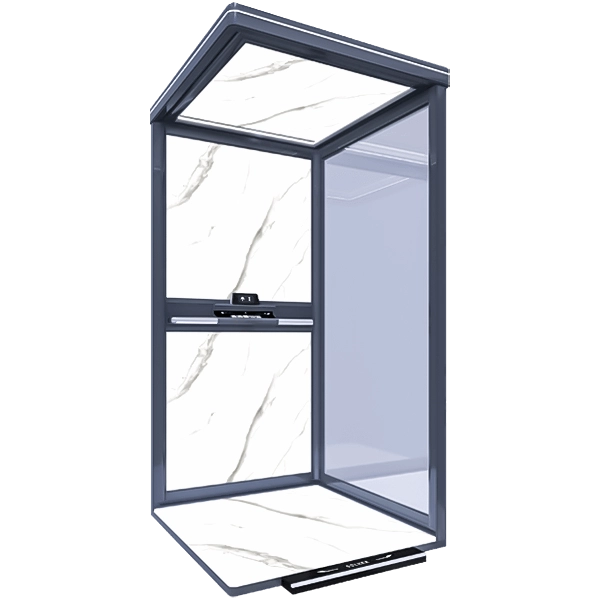
Top 10 outdoor home elevator features for luxury villas
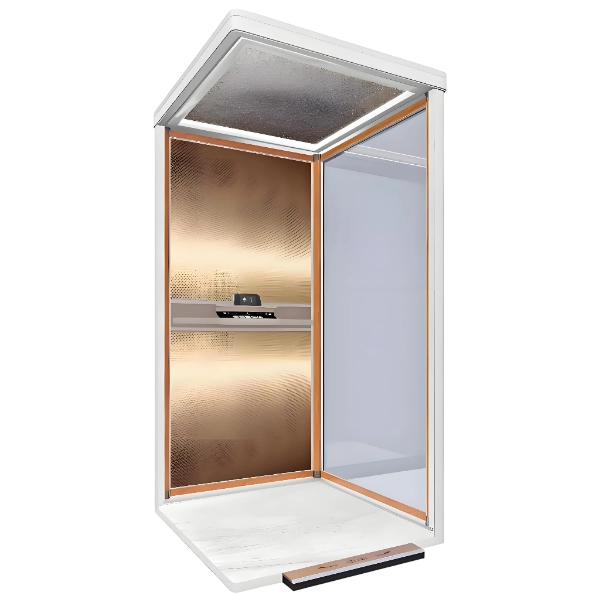
How Luxury Home Elevators Improve Accessibility and Home Value
Custom home lift kit Manufacturers and Suppliers
Product
How long is the production date required?
Under normal circumstances, the production time is 35 to 45 days.
Can it be customized as required?
Yes.
Customize
Can I choose specific materials or colors for the cabin?
Yes. We offer a wide range of premium materials and finishes — from stone to wood to glass.
How does the customization process work?
Our design team will guide you through the steps: style selection, material choice, and 3D visualization before confirmation.
Is customization available for both indoor and outdoor elevators?
Yes. All custom options apply to indoor and weatherproof outdoor models.
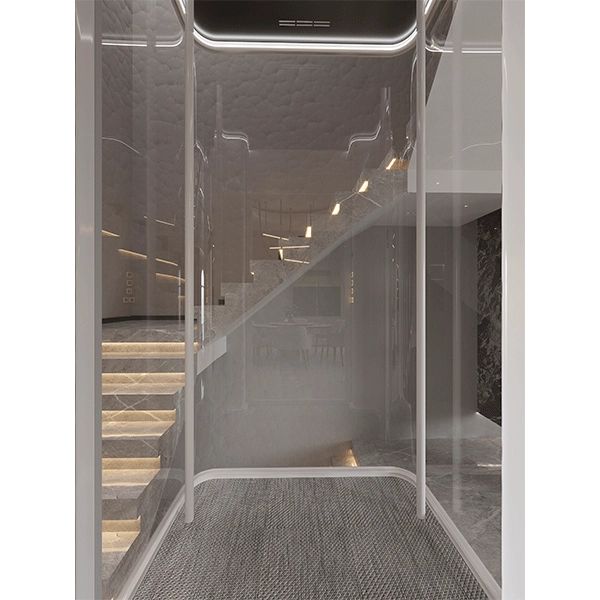
Simple and elegant villa home elevator Model-mini
The Model-Mini is a home villa elevator in the Italian minimalist style. It features the most advanced elevator technology and has comprehensive safety protection measures. It is the most reliable guarantee for your passage in villa homes
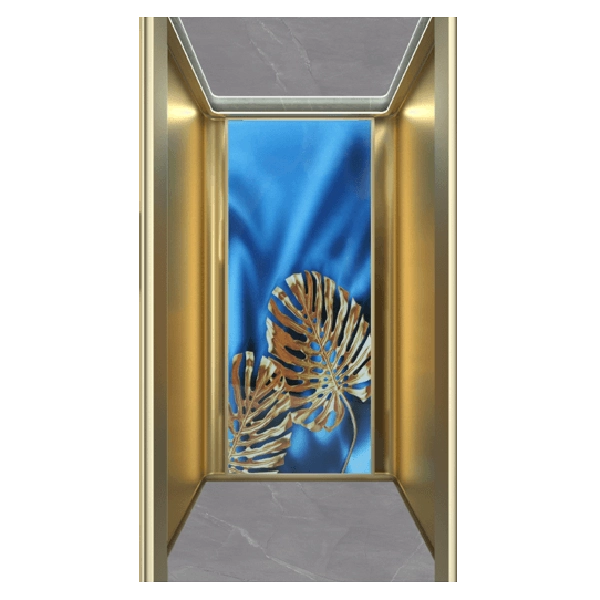
Minimalist design high-end and elegant villa home elevator Model-Q
The Model-Q is a home villa elevator in the Italian minimalist style. It features the most advanced elevator technology and has comprehensive safety protection measures. It is the most reliable guarantee for your passage in villa homes.
Minimalist design high-end and elegant villa home elevator Model-S
The Model-S is a home villa elevator in the Italian minimalist style. It features the most advanced elevator technology and has comprehensive safety protection measures. It is the most reliable guarantee for your passage in villa homes.
High-end and elegant villa home elevator Model-A
The Model A is a home villa elevator in the Italian minimalist style. It features the most advanced elevator technology and has comprehensive safety protection measures. It is the most reliable guarantee for your passage in villa homes.
Let's get in touch
Email: lin@solkerelevator.com
Tel: +86 133 1668 7566
Address: Floor 1, Building D, Nanxin Industry International, Nancheng District, Dongguan, China.
 Taiwan, China
 No. 21, Lane 38, 206 Yingtai Road, Yingge District, New Taipei City
 +886 0975-299-830
 United Arab Emirates
Capital Mall, Abu Dhabi, United Arab Emirates, 3rd floor, Luxera elevator +971 52 541 4685 Ceo@maharacare.com
 Melbourne, Australia
 19/12 Natalia Av, Oakleigh South, VIC 3167
+61 1300 771 86 sales@goldenhomelifts.com.au
Sydney, Australia
U28/323 Chisholm Road, Auburn, NSW 2144
+61 1300 771 86 sales@goldenhomelifts.com.au
SOLKER
SOLKER