


Safety and Compliance Checklist for Villa Home Elevators
- Regulatory Standards and Certifications You Must Check
- National and regional standards
- Documentation and certification
- Authority guidance and official references
- On-site Compliance Checklist Before Installation
- Structural and spatial requirements
- Electrical, fire, and life-safety systems
- Accessibility and user needs
- Operational Safety, Maintenance and Emergency Preparedness
- Routine inspection and scheduled maintenance
- Emergency systems and occupant training
- Remote monitoring and smart diagnostics
- Practical Safety Checklist: Pre-installation to Daily Use
- Pre-installation verification
- Installation and handover
- Daily-use best practices
- Why the Minimalist Design Model-Q Is a Strong Choice for Villas
- Design, technology and small home elevator suitability
- Comprehensive safety protection measures
- Installation support and aftercare
- Comparison: Typical Small Home Elevator Features (Quick Reference)
- Brand Advantages and Trust Signals
- Proven engineering and certified components
- Customer support, training and spare parts
- Design-led approach without compromising safety
- FAQ (Frequently Asked Questions)
- Is a small home elevator safe for elderly family members?
- What certifications should I ask for before buying?
- How often should a small home elevator be serviced?
- Can Model-Q be retrofitted into an existing villa without major structural changes?
- What emergency systems are standard on Model-Q?
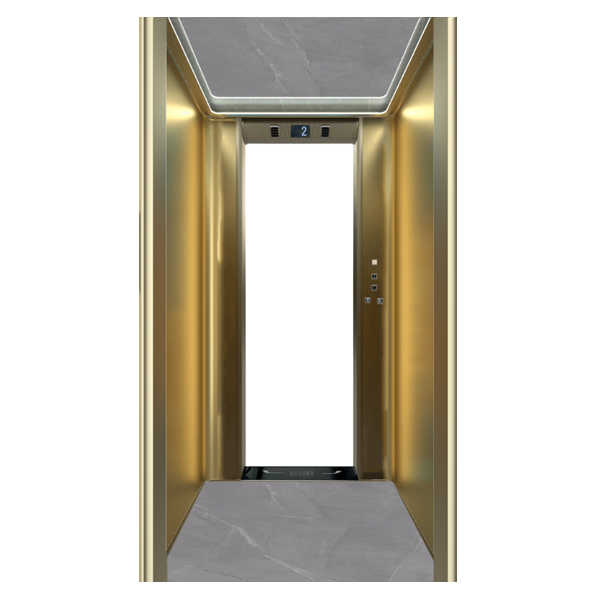
This article provides a clear, actionable safety and compliance checklist tailored for villa homeowners, architects, and installers considering a small home elevator. It highlights regulatory standards, on-site readiness, operational safety, maintenance best practices, and emergency procedures to maximize occupant safety and long-term reliability. References to authoritative industry standards and guidance are included to support decision-making.
The Model-Q is a home villa elevator in the Italian minimalist style. It features the most advanced elevator technology and has comprehensive safety protection measures. It is the most reliable guarantee for your passage in villa homes. With regulatory requirements satisfied, long-term performance becomes the priority, particularly energy efficiency and smart controls for small home elevators that support modern living standards.
Regulatory Standards and Certifications You Must Check
National and regional standards
Small home elevators used in villas must comply with local building codes and elevator safety standards. In many markets this means conformity with standards such as ASME A17.1 / CSA B44 in North America or EN 81 in Europe. These documents define design, testing, and safety requirements for elevators and ensure consistent risk mitigation across installations.
Documentation and certification
Before purchase or installation, request documented evidence that the chosen small home elevator is certified to applicable standards: factory test reports, third-party inspection certificates, and conformity declarations. Keep a copy of the manufacturer’s installation manual, maintenance instructions, and local acceptance certificates for future audits.
Authority guidance and official references
Industry guidance from recognized organizations strengthens compliance. For general reference on elevator technology and safety principles see Wikipedia: Elevator. For legal or code-specific questions consult local building authorities or a licensed elevator inspector to confirm regional interpretations of standards.
On-site Compliance Checklist Before Installation
Structural and spatial requirements
Verify that the proposed machine space, shaft, and pit dimensions match the manufacturer's requirements for your chosen small home elevator. For villa retrofit projects, structural reinforcement may be necessary where floor openings or new shafts are created. Confirm load-bearing capacities, clearances for the cabin, and headroom to ensure compliance and avoid last-minute changes.
Electrical, fire, and life-safety systems
Confirm dedicated power supply, correct circuit protection, and emergency power provisions where required. Small home elevators should be integrated with the home's fire safety plan—this includes coordination with smoke detectors and fire alarm systems where local codes require elevator recall or hold-open functions during fire events.
Accessibility and user needs
Ensure the cabin layout, door widths, controls, and operating heights meet expected use cases. For villas hosting older adults or visitors with reduced mobility, design choices for a small home elevator should prioritize easy-to-reach controls, non-slip flooring, adequate cabin dimensions, and audible/visual indicators.
Operational Safety, Maintenance and Emergency Preparedness
Routine inspection and scheduled maintenance
A regular maintenance program is essential to keep a small home elevator safe. Typical schedule elements include:
| Task | Typical Frequency | Why it matters |
|---|---|---|
| Visual safety inspection | Monthly | Detect wear, loose fixtures, or obvious faults early |
| Functional tests (brakes, door interlocks) | Quarterly | Ensure critical safety systems operate correctly |
| Full service visit (mechanical/electrical) | Annually | Preventative maintenance increases reliability and lifespan |
Emergency systems and occupant training
Small home elevators should include fail-safe systems such as emergency lowering, battery-powered lighting, an alarm or two-way communication, and a manual rescue procedure. Maintain clear, visible instructions in the cabin and ensure household members know how to call for help and what to do if the elevator stops between floors. Conduct a simple drill so occupants are familiar with emergency contact numbers and manufacturer support channels.
Remote monitoring and smart diagnostics
Modern small home elevators can integrate remote monitoring to alert service teams to faults before they become critical. Predictive diagnostics can reduce downtime and ensure parts are replaced proactively. When choosing a system, confirm data privacy practices and whether remote access meets your security expectations.
Practical Safety Checklist: Pre-installation to Daily Use
Pre-installation verification
Before installation, confirm the following with a checklist signed off by the installer and homeowner:
- Site measurements validated against manufacturer drawings
- Structural reinforcement plans approved (if required)
- Electrical supply and emergency power verified
- Fire safety integration reviewed with authorities
- All required permits obtained
Installation and handover
During handover, demand a full demonstration of emergency procedures, operation of door interlocks, braking systems, and communication equipment. Request a written handover certificate that details the equipment installed, serial numbers, and the commissioning test results.
Daily-use best practices
For households using a small home elevator in a villa, simple daily practices improve safety: avoid overloading the cabin, keep the door area clear, supervise young children, and report unusual noises or behavior to maintenance immediately. Maintain an accessible folder (digital or printed) with the elevator’s manuals and emergency contacts.
Why the Minimalist Design Model-Q Is a Strong Choice for Villas
Design, technology and small home elevator suitability
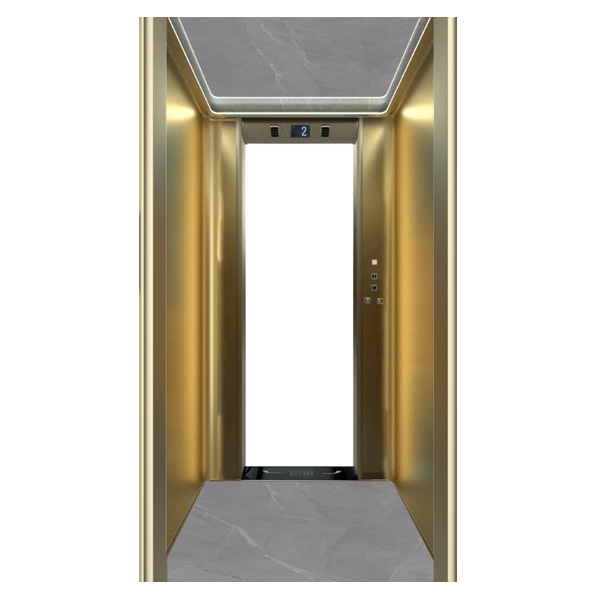
The Minimalist design high-end and elegant villa home elevator Model-Q blends Italian minimalist aesthetics with advanced, compact elevator technology—making it particularly suitable for villas where space is at a High Quality and design is a priority. Its compact footprint makes Model-Q an excellent small home elevator choice for tasteful villas, guest houses, and retrofits where preserving architecture is essential.
Comprehensive safety protection measures
Model-Q incorporates multiple safety redundancies—certified braking systems, door interlocks, emergency lowering, battery lighting, and optional remote monitoring. These features ensure compliance with recognized standards and offer peace of mind for families relying on a small home elevator for daily mobility.
Installation support and aftercare
Professional installation and timely maintenance are critical. Model-Q is supported by trained installation teams and a recommended maintenance schedule aligned with industry best practices. Factory-backed parts supply and a transparent warranty further strengthen long-term safety and compliance.
Comparison: Typical Small Home Elevator Features (Quick Reference)
| Feature | Basic Home Lift | Model-Q (Minimalist villa elevator) |
|---|---|---|
| Safety Certification | Varies | Designed to meet regional standards; documented testing |
| Door Interlocks | Standard | Redundant interlocks and safety sensors |
| Emergency Power | Optional | Battery emergency lighting and lowering |
| Remote Monitoring | Rare | Available as option for predictive maintenance |
| Design / Finish | Functional | High-end Italian minimalist finish |
Brand Advantages and Trust Signals
Proven engineering and certified components
Our approach prioritizes certified components, third-party testing, and transparent documentation. When selecting a small home elevator for villa use, insist on visible certifications and a manufacturer who publishes technical data and safety documentation.
Customer support, training and spare parts
Reliable after-sales support, installer training programs, and local spare parts availability reduce lifecycle risk. Model-Q is backed by manufacturer service plans and an authorized network to ensure quick response times and consistent maintenance quality.
Design-led approach without compromising safety
Villa owners do not need to compromise aesthetics for safety. The Model-Q demonstrates that high-end minimalist design can be combined with robust safety systems to deliver a small home elevator that is both elegant and dependable.
FAQ (Frequently Asked Questions)
Is a small home elevator safe for elderly family members?
Yes—when properly specified, installed, and maintained. Choose a model with certified safety systems, easy controls, appropriate cabin dimensions, and scheduled maintenance. Also consider features like emergency communication and non-slip surfaces.
What certifications should I ask for before buying?
Request conformity to local codes and internationally recognized standards (e.g., ASME A17.1 / CSA B44 for North America or EN 81 for Europe). Obtain factory test reports, commissioning certificates, and third-party inspection documentation.
How often should a small home elevator be serviced?
At minimum, perform monthly visual inspections, quarterly functional checks, and a full annual service by an authorized technician. Maintenance frequency may increase with heavier use.
Can Model-Q be retrofitted into an existing villa without major structural changes?
Model-Q is designed with compact installation requirements and often fits into retrofit scenarios with minimal structural modification. A site survey by an authorized installer will confirm feasibility and identify any required reinforcements.
What emergency systems are standard on Model-Q?
Model-Q includes door interlocks, redundant braking, battery-powered lighting, emergency lowering, and an alarm/communication system. Optional remote diagnostics and monitoring are also available.
If you have more questions or want a site assessment, contact our support team or view the full Model-Q specification sheet.
Contact & Product: For consultation, quotes, or to schedule a site survey, please contact our sales team or view Model-Q product details. Our specialists will guide you through compliance checks, installation planning, and maintenance options.
Case Studies: Villa Elevator Installations Worldwide
Value Added: How a Luxury Home Elevator Impacts Property Appeal
Benefits of Installing a Home Elevator in Luxury Villas
Maintenance Contracts and Service SLAs for Model-Q Elevators
Customize
Can the elevator design be matched to my home's architecture?
Absolutely. Our designers tailor each cabin to complement your interior layout and style.
How does the customization process work?
Our design team will guide you through the steps: style selection, material choice, and 3D visualization before confirmation.
Is customization available for both indoor and outdoor elevators?
Yes. All custom options apply to indoor and weatherproof outdoor models.
Do I need architectural drawings to start customization?
Not required initially. We can start with basic dimensions or photos and assist with full planning.
Product
How to install an elevator and what is the warranty?
We have overseas technicians who are at your service 24 hours a day, 365 days a year.
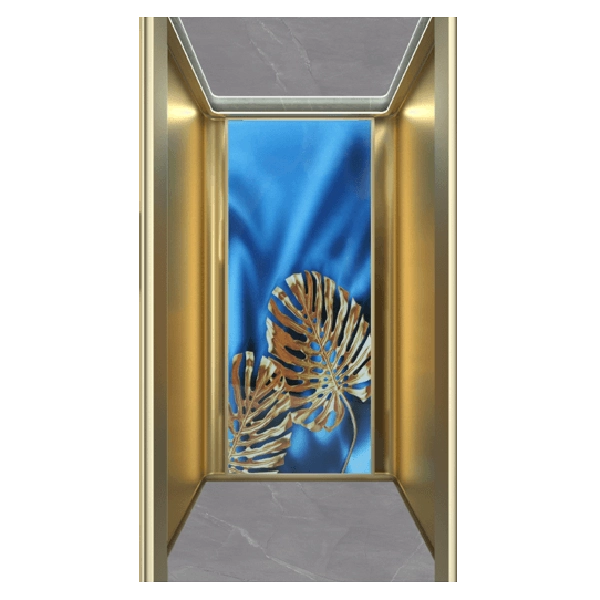
Minimalist design high-end and elegant villa home elevator Model-Q
The Model-Q is a home villa elevator in the Italian minimalist style. It features the most advanced elevator technology and has comprehensive safety protection measures. It is the most reliable guarantee for your passage in villa homes.
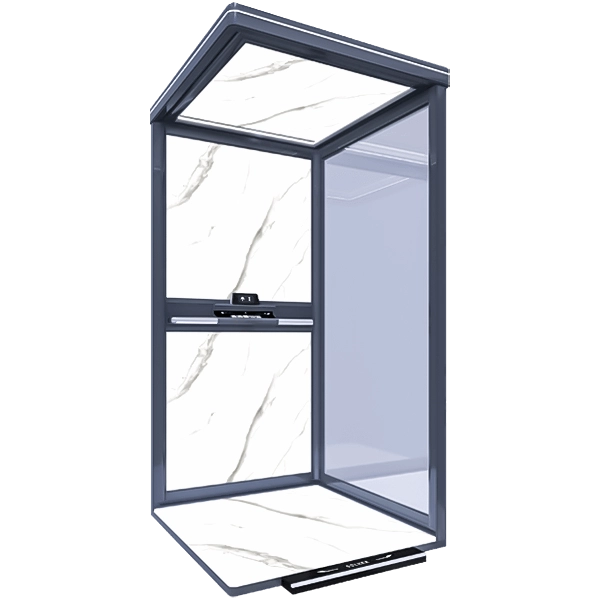
Minimalist design high-end and elegant villa home elevator Model-S
The Model-S is a home villa elevator in the Italian minimalist style. It features the most advanced elevator technology and has comprehensive safety protection measures. It is the most reliable guarantee for your passage in villa homes.
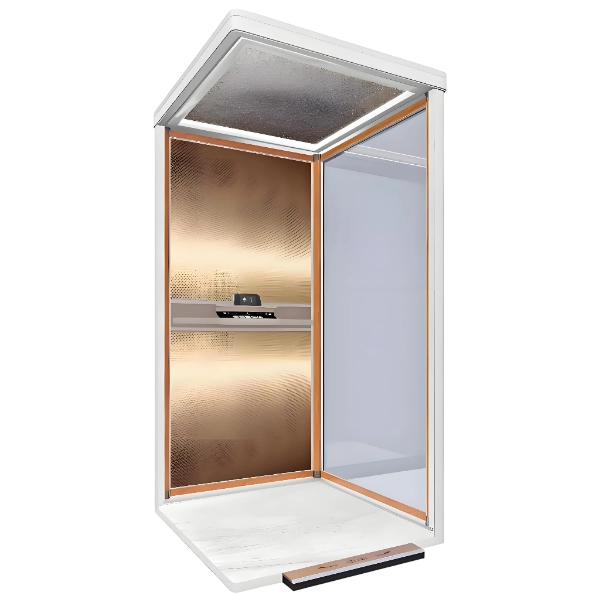
High-end and elegant villa home elevator Model-A
The Model A is a home villa elevator in the Italian minimalist style. It features the most advanced elevator technology and has comprehensive safety protection measures. It is the most reliable guarantee for your passage in villa homes.
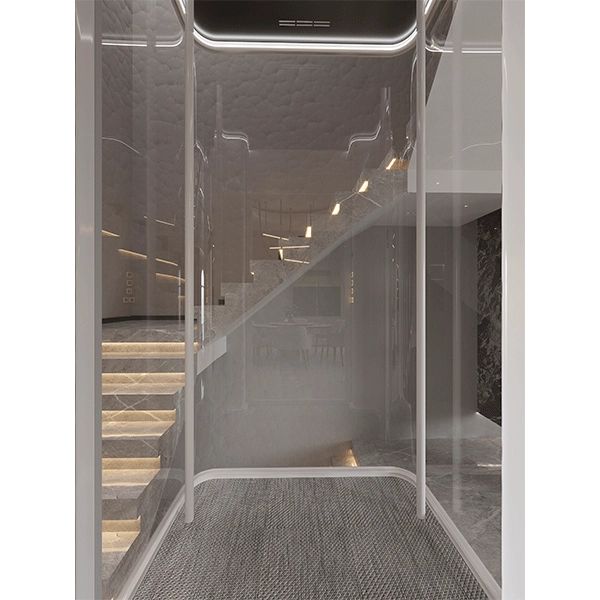
Simple and elegant villa home elevator Model-mini
The Model-Mini is a home villa elevator in the Italian minimalist style. It features the most advanced elevator technology and has comprehensive safety protection measures. It is the most reliable guarantee for your passage in villa homes
Let's get in touch
Email: lin@solkerelevator.com
Tel: +86 133 1668 7566
Address: Floor 1, Building D, Nanxin Industry International, Nancheng District, Dongguan, China.
 Taiwan, China
 No. 21, Lane 38, 206 Yingtai Road, Yingge District, New Taipei City
 +886 0975-299-830
 United Arab Emirates
Capital Mall, Abu Dhabi, United Arab Emirates, 3rd floor, Luxera elevator +971 52 541 4685 Ceo@maharacare.com
 Melbourne, Australia
 19/12 Natalia Av, Oakleigh South, VIC 3167
+61 1300 771 86 sales@goldenhomelifts.com.au
Sydney, Australia
U28/323 Chisholm Road, Auburn, NSW 2144
+61 1300 771 86 sales@goldenhomelifts.com.au
SOLKER
SOLKER