


Top 10 materials for weatherproof outdoor home elevator cabins
- Why materials define long-term performance
- Corrosion and moisture resistance
- Thermal, UV and condensation considerations
- Structural performance versus weight
- Top 10 materials for weatherproof outdoor elevator cabins
- Metals: stainless steel, aluminum and galvanized steel
- Glazing, stone and wood alternatives
- Composites, polymers and advanced panels
- Design, maintenance and installation best practices
- Seals, drainage and gasket materials
- Finishes and protective coatings
- Compliance with standards and safety
- Choosing materials for your villa elevator Model-S
- Aesthetic match with minimalist Italian design
- Climate-specific recommendations
- Lifecycle cost, warranties and procurement
- Useful references and standards
- FAQ
- Q: Which single material is best for a seaside villa outdoor elevator cabin?
- Q: Can I use natural wood on an outdoor elevator cabin?
- Q: Do I need a special finish for metal cabins in high-UV areas?
- Q: How often should seals and coatings be inspected on an outdoor home elevator?
- Q: Is glass safe for an outdoor elevator cabin?
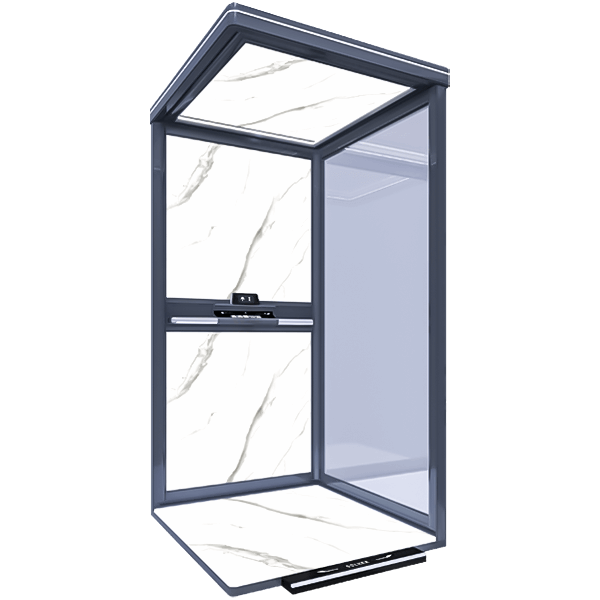
Outdoor home elevator cabins require material choices that balance weather resistance, safety, aesthetics and maintenance. For villa owners who want reliable vertical mobility, selecting the right combination of metals, glass, composites and sealants ensures the cabin withstands rain, sun, salt air and temperature swings. This article examines the top 10 weatherproof cabin materials and provides practical guidelines for designers, installers and homeowners considering an outdoor home elevator such as the Minimalist design high-end and elegant villa home elevator Model-S.
Why materials define long-term performance
Corrosion and moisture resistance
Outdoor elevator cabins face direct exposure to moisture, airborne salts and pollutants. Materials with inherent corrosion resistance (e.g., marine-grade stainless steel) or protective finishes (e.g., powder coating over galvanized steel) drastically reduce rust risk and structural degradation. Choosing the right base material and finish for an outdoor elevator cabin lengthens service life and lowers lifecycle costs.
Thermal, UV and condensation considerations
Exposure to sun and temperature swings affects both structural panels and glazing. Some materials expand or discolor under UV exposure; others trap heat causing thermal stress. Proper glazing selection and thermal breaks prevent condensation and maintain cabin comfort for users of an outdoor home elevator.
Structural performance versus weight
Lightweight materials (aluminum, composite panels) reduce hoist load and energy use but may need reinforcement to meet safety codes. Heavier materials (stone, thick stainless steel) are extremely durable but increase installation complexity. An optimized cabin design balances weight, stiffness and finish quality to comply with elevator standards while matching the aesthetic of villa elevators like the Model-S.
Top 10 materials for weatherproof outdoor elevator cabins
Metals: stainless steel, aluminum and galvanized steel
1. Stainless steel (Grade 316): Marine-grade 316 stainless steel is one of the best choices for outdoor elevator cabins because of its excellent corrosion resistance, long-term durability and High Quality appearance. It resists chloride attack and is easy to clean—ideal for seaside villas or humid climates.
2. Aluminum (anodized or powder-coated): Aluminum alloys (e.g., 6000 series) are lightweight and naturally corrosion-resistant. Anodizing or durable powder-coating improves scratch and UV resistance. Aluminum is useful where low weight and a modern finish are priorities for an outdoor home elevator.
3. Hot-dip galvanized steel with powder coat: Galvanized steel provides strong structural performance at lower cost. Modern epoxy or polyester powder coatings add additional weatherproofing and color options, though coatings must be regularly inspected for chips or scratches that expose the zinc layer.
Glazing, stone and wood alternatives
4. Laminated tempered glass: For panoramic outdoor home elevator cabins, laminated tempered glass offers safety (doesn’t shatter dangerously) and weather sealing when used with proper gaskets and drip rails. Use low-iron glass for clarity and consider fritted or UV-protective coatings to reduce solar gain.
5. Natural stone (granite, engineered stone cladding): Stone panels convey luxury and are highly durable. However, they are heavy and need a robust support frame. Stone is best used as cladding accents rather than as primary structural panels in an outdoor elevator cabin.
6. Teak and engineered hardwoods (sealed): High-quality, well-sealed hardwoods like teak can be used inside cabins or as accent cladding on protected faces. They require periodic sealing and are not recommended as primary exterior surfaces without overhang protection.
Composites, polymers and advanced panels
7. Fiber Reinforced Polymer (FRP): FRP panels combine light weight, high corrosion resistance and low maintenance. They are often used for utility enclosures and can be formed into design-specific shapes for a villa elevator cabin. FRP tolerates coastal environments well.
8. Aluminium Composite Panels (ACP): ACPs (aluminum cover sheets with a polymer core) provide a smooth, modern finish, and good weather resistance when properly detailed. Choose fire-retardant cores and high-quality adhesives to meet local elevator codes.
9. Powder-coated or anodized perforated metal: Perforated metal adds ventilation and a contemporary look while still providing protection when combined with inner glazing and seals. Good for sheltered elevator entrances and architectural accents.
10. High-density PVC/UPVC and engineered polymers: These polymers are low-cost, UV-stable and rot-resistant, making them suitable for trim, window frames and gasket housings in an outdoor home elevator cabin. They are not structurally load-bearing but are excellent for weatherproof details.
| Material | Corrosion Resistance | Maintenance | Approx Relative Cost | Best Use |
|---|---|---|---|---|
| 316 Stainless Steel | Excellent | Low (cleaning, occasional polish) | High | Exterior panels, handrails, trim |
| Anodized/Powder-coated Aluminum | Very Good | Low (touch-ups for coating) | Medium | Structural frame, panels, modern finishes |
| Galvanized Steel + Powder Coat | Good | Medium (inspect coatings) | Medium-Low | Cost-effective structural panels |
| Laminated Tempered Glass | Very Good (with framing) | Low (cleaning, seal inspection) | Medium-High | Panoramic cabin walls |
| FRP | Excellent | Very Low | Medium | Decorative cladding, enclosures |
| ACP (Aluminium Composite) | Good | Low | Medium | Exterior panels with clean lines |
| Natural Stone | Excellent | Low (sealants may be needed) | High | Luxury cladding accents |
| Teak / Engineered Wood | Good (if sealed) | Medium-High (periodic maintenance) | High | Interior accents, protected faces |
| Perforated Metal (coated) | Good | Low | Medium | Ventilated facades and accents |
| High-density PVC / UPVC | Very Good | Very Low | Low | Seals, frames, trim |
Notes: Relative costs and maintenance are generalized; local material prices and labor affect final budgets.
Design, maintenance and installation best practices
Seals, drainage and gasket materials
Weatherproofing depends as much on details as on primary materials. Use EPDM or silicone gaskets for long-term resilience against UV and temperature changes. Design drip edges, weep holes and sloped sills to prevent water pooling. For high-salt environments, select gasket materials and fasteners specifically rated for chloride exposure.
Finishes and protective coatings
Finishes (anodizing, powder-coating, fluoropolymer-based paints) extend material life and determine the cabin’s visual appearance. When using metals choose finishes with documented outdoor performance. For galvanized or mild steel, ensure regular inspection and spot repair of coatings to prevent corrosion initiation.
Compliance with standards and safety
Outdoor home elevators must comply with regional safety codes and elevator standards. In Europe EN 81 series is central to elevator safety; in the U.S. the ASME A17.1/CSA B44 standards apply. Energy and performance are addressed in standards such as ISO 25745. Refer to authoritative sources when specifying materials and installation methods to ensure compliance and insurance coverage. See general elevator context on Wikipedia’s elevator article for background and links to standards.
Choosing materials for your villa elevator Model-S
Aesthetic match with minimalist Italian design
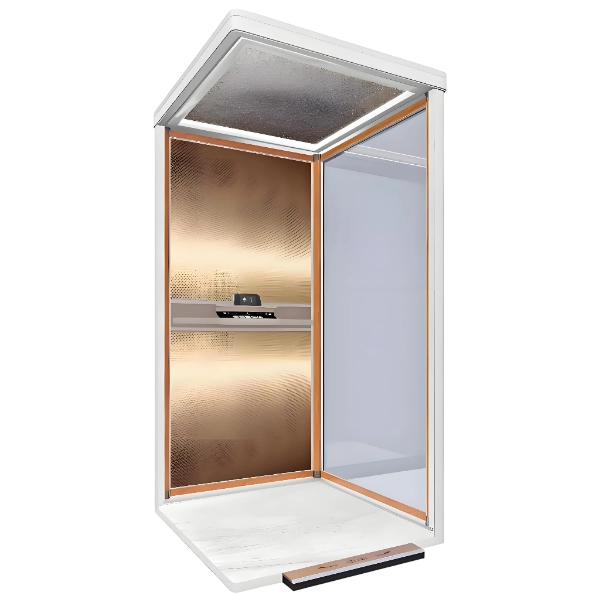
The Minimalist design high-end and elegant villa home elevator Model-S blends modern lines and High Quality materials. For that restrained Italian aesthetic, recommended exterior combinations include 316 stainless steel trim with low-iron laminated glass, or anodized aluminum panels with a warm-engineered-wood interior. The Model-S’s design intention favors clean materials that age gracefully and keep maintenance simple.
The Model-S is a home villa elevator in the Italian minimalist style. It features the most advanced elevator technology and has comprehensive safety protection measures. It is the most reliable guarantee for your passage in villa homes.
Climate-specific recommendations
- Coastal (high salt): Use 316 stainless steel, FRP, or anodized aluminum for exposed faces; use stainless fasteners and EPDM gaskets.
- Cold climates: Thermal breaks in glazing and insulated ACP or composite panels reduce condensation and heat loss.
- Hot, sunny climates: Use low-E coated glass and UV-stable polymers to reduce solar gain and fading.
- Urban/polluted areas: Choose easily cleanable finishes like stainless or powder-coated smooth panels.
Lifecycle cost, warranties and procurement
Initial material cost is only part of lifecycle cost. Factor in expected maintenance, touch-up painting, gasket replacement and cleaning. For villa elevators like Model-S, choose materials with manufacturer warranties and proven supplier references. Ask for samples and accelerated weathering test reports; reputable suppliers often provide technical data sheets demonstrating corrosion resistance and UV stability.
Useful references and standards
To design and install an outdoor home elevator that meets safety and durability expectations, consult recognized standards and technical references. Key starting points include the international elevator overview at Wikipedia, European safety standards (EN 81 series, see EN 81 overview), ISO 25745 for energy performance, and national codes such as ASME (see ASME.org).
FAQ
Q: Which single material is best for a seaside villa outdoor elevator cabin?
A: Marine-grade 316 stainless steel is generally the best single material for exposed exterior panels due to excellent chloride resistance and low maintenance. Combine it with laminated tempered glass and EPDM seals for best overall performance.
Q: Can I use natural wood on an outdoor elevator cabin?
A: Wood can be used as interior accents or on protected faces but is not recommended as the primary external material unless there is significant overhang protection and frequent maintenance (sealing). Engineered woods and properly finished teak perform better than most softwoods.
Q: Do I need a special finish for metal cabins in high-UV areas?
A: Yes. Choose UV-stable powder coats or fluoropolymer paints for colored finishes, and consider anodizing for aluminum. UV-stable sealants and gaskets are also essential to prevent brittle failure.
Q: How often should seals and coatings be inspected on an outdoor home elevator?
A: Inspect visually at least twice a year and after severe weather events. Plan for professional maintenance annually; seals and coatings often need touch-ups every 3-7 years depending on exposure and material quality.
Q: Is glass safe for an outdoor elevator cabin?
A: Yes, when using laminated tempered glass within properly engineered framing and with drainage/sealing details. Laminated glass prevents dangerous shattering and adds security; low-E coatings control solar gain.
Interested in seeing how these material choices are applied to a real product? Learn more about the Minimalist design high-end and elegant villa home elevator Model-S or contact our technical sales team for a personalized material and climate recommendation.
Contact & Product: For project quotes, installation specifics, or to view Model-S details, contact our support team or request a brochure. Experience the reliability and elegance of a villa elevator designed for the outdoors.
Emergency Power and Backup Systems for Home Elevators
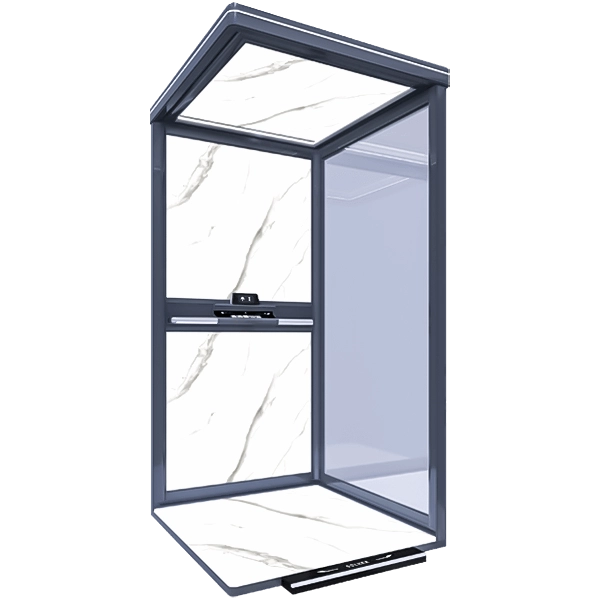
Designing seamless indoor-outdoor flow with an exterior elevator
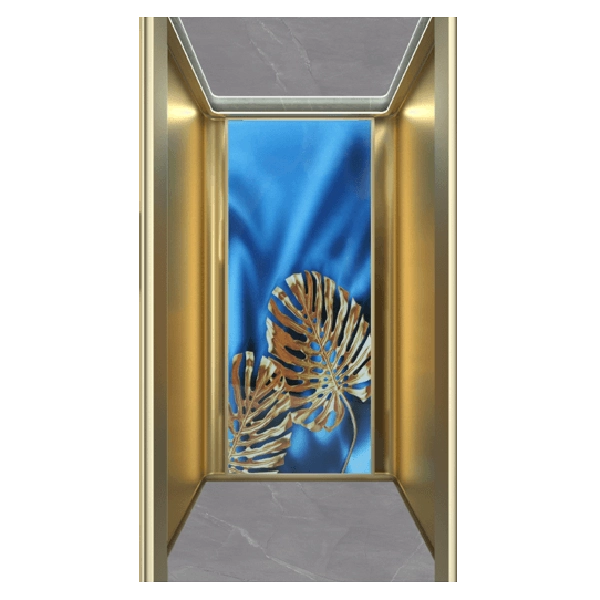
Energy Efficiency and Sustainability of Small Home Elevators
Noise Reduction Tips for Smooth Home Elevator Operation
Customize
Can I choose specific materials or colors for the cabin?
Yes. We offer a wide range of premium materials and finishes — from stone to wood to glass.
Do I need architectural drawings to start customization?
Not required initially. We can start with basic dimensions or photos and assist with full planning.
Can the elevator design be matched to my home's architecture?
Absolutely. Our designers tailor each cabin to complement your interior layout and style.
Can I customize the elevator to match my home style?
Absolutely. We offer multiple cabin styles, materials, and finishes to suit modern, classic, or minimalist interiors.
Product
Can it be customized as required?
Yes.
Minimalist design high-end and elegant villa home elevator Model-S
The Model-S is a home villa elevator in the Italian minimalist style. It features the most advanced elevator technology and has comprehensive safety protection measures. It is the most reliable guarantee for your passage in villa homes.
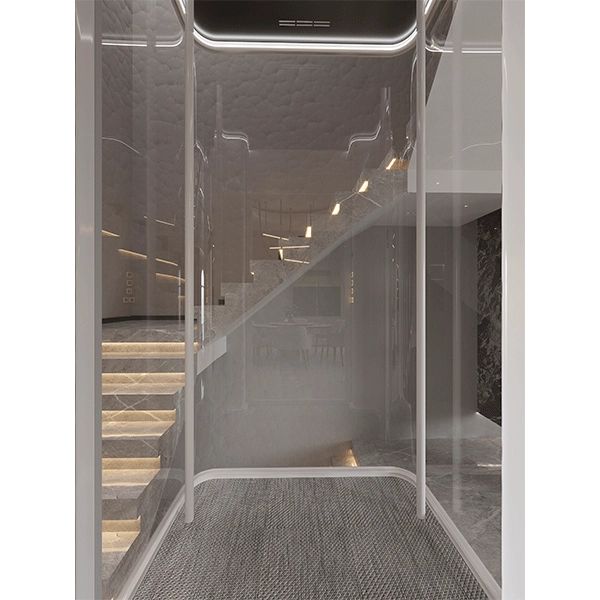
Simple and elegant villa home elevator Model-mini
The Model-Mini is a home villa elevator in the Italian minimalist style. It features the most advanced elevator technology and has comprehensive safety protection measures. It is the most reliable guarantee for your passage in villa homes
High-end and elegant villa home elevator Model-A
The Model A is a home villa elevator in the Italian minimalist style. It features the most advanced elevator technology and has comprehensive safety protection measures. It is the most reliable guarantee for your passage in villa homes.
Minimalist design high-end and elegant villa home elevator Model-Q
The Model-Q is a home villa elevator in the Italian minimalist style. It features the most advanced elevator technology and has comprehensive safety protection measures. It is the most reliable guarantee for your passage in villa homes.
Let's get in touch
Email: lin@solkerelevator.com
Tel: +86 133 1668 7566
Address: Floor 1, Building D, Nanxin Industry International, Nancheng District, Dongguan, China.
 Taiwan, China
 No. 21, Lane 38, 206 Yingtai Road, Yingge District, New Taipei City
 +886 0975-299-830
 United Arab Emirates
Capital Mall, Abu Dhabi, United Arab Emirates, 3rd floor, Luxera elevator +971 52 541 4685 Ceo@maharacare.com
 Melbourne, Australia
 19/12 Natalia Av, Oakleigh South, VIC 3167
+61 1300 771 86 sales@goldenhomelifts.com.au
Sydney, Australia
U28/323 Chisholm Road, Auburn, NSW 2144
+61 1300 771 86 sales@goldenhomelifts.com.au
SOLKER
SOLKER