


Installation Guide for the Simple and Elegant Model-mini Elevator
- Installation Guide for the Simple and elegant Model-mini Elevator
- Overview: What the Simple and elegant villa home elevator Model-mini Is and Why It Fits Outdoor Home Elevator Needs
- Pre-Installation Considerations for an Outdoor Home Elevator
- Required Site Measurements and Documentation
- Tools, Materials and Safety Equipment
- Step-by-Step Installation Process
- 1 Foundation and Pit Preparation
- 2 Shaft or Frame Assembly
- 3 Cabin and Guide Installation
- 4 Mechanical Installation: Drive System and Safety Devices
- 5 Electrical Connections and Control Systems
- 6 Final Testing, Inspection and Commissioning
- Comparison Table: Model-mini Versus Typical Villa Elevators and Outdoor Rated Elevators
- Maintenance and Aftercare
- Common Installation Challenges and Troubleshooting
- Why Choose the Simple and elegant villa home elevator Model-mini for Your Outdoor Home Elevator Project
- Return on Investment and Value Considerations
- FAQ
- Is the Model-mini suitable for outdoor installation?
- How long does installation typically take?
- Do I need a pit for the Model-mini?
- What are the power requirements?
- What safety certifications does the Model-mini meet?
- Contact and Next Steps
- Authority References and Further Reading
- Final Note
- Contact CTA

Installation Guide for the Simple and elegant Model-mini Elevator
Overview: What the Simple and elegant villa home elevator Model-mini Is and Why It Fits Outdoor Home Elevator Needs
The Model-Mini is a home villa elevator in the Italian minimalist style. It features the most advanced elevator technology and has comprehensive safety protection measures. It is the most reliable guarantee for your passage in villa homes. Designed for both indoor and outdoor home applications, the Simple and elegant villa home elevator Model-mini combines compact footprint, weather adapted options, and proven safety systems to meet modern villa accessibility needs.
Pre-Installation Considerations for an Outdoor Home Elevator
Before beginning installation, perform a full site survey. Outdoor home elevator projects differ from indoor installations in key ways. Considerations include exposure to weather, sun and wind load, drainage, local building codes for exterior structures, and integration with existing walkways or terraces. For retrofit installs, identify structural load points, potential utilities conflicts, and safe working clearances.
Key checklist items:
- Confirm installation location and clear vertical travel path
- Check soil type and bearing capacity for foundation design
- Verify local codes and permits for outdoor elevator structures and any required fire egress changes
- Plan for weatherproofing and corrosion-resistant finishes for external components
- Ensure access to required electrical supply and emergency power procedures
Required Site Measurements and Documentation
Collect accurate dimensions including pit depth or no pit option, overhead clearance, travel height, and shaft footprint. Gather structural drawings of the villa, utility maps for underground lines, and landscape plans. Photograph the proposed installation area and note slope or drainage patterns.
Tools, Materials and Safety Equipment
Standard tools and safety gear required for a Model-mini installation include:
- Concrete tools for foundations, formwork and leveling instruments
- Precision alignment tools such as laser level and plumb line
- Lifting equipment: mobile crane or hoist depending on component weight
- Electrical testers, multimeter, and insulated tools for wiring
- Personal protective equipment including helmets, gloves, eye protection, and fall arrest gear for elevated work
- Weather protection gear when working outdoors, and corrosion-resistant fasteners
Step-by-Step Installation Process
1 Foundation and Pit Preparation
Whether the Model-mini is installed with a pit or on a no-pit solution, foundation preparation is critical for safety and ride quality.
- Excavate to specified pit depth if required. Compact base and add required gravel or base course for drainage.
- Install formwork and reinforcement per project drawings. Anchor plates for guide rails and bottom buffers must be cast in precise locations.
- Pour concrete with required strength and allow specified curing time. Maintain flatness and level tolerances as defined in the installation manual.
- For no-pit installations, construct a structural base slab sized to bear elevator loads and to permit secure anchoring of guide frames.
- Provide floor drains and slope for water runoff in exterior pits to prevent standing water and corrosion.
2 Shaft or Frame Assembly
Model-mini can be installed in a glass shaft, steel framed enclosure or open exterior frame depending on design choice. The installation sequence:
- Assemble vertical guide frames on foundation anchors and temporarily secure plumbness using braces.
- Install horizontal bracing and panels where required. For glass shaft, place glazing with appropriate gaskets and seals to maintain weather resistance.
- Verify alignment of guide rails using laser and ensure parallelism within tolerance across full travel height.
3 Cabin and Guide Installation
Cabin assembly typically occurs near the installation point and is lifted into position once guides are ready.
- Assemble cabin structure, install interior finishes, lighting, buttons and ventilation per factory instruction.
- Lift cabin into the guide frame using a crane or hoist. Secure cabin rollers to guide rails and check smooth movement by hand for any binding.
- Install door mechanisms, interlocks and external call stations at each landing following alignment checks.
4 Mechanical Installation: Drive System and Safety Devices
The Model-mini supports advanced compact drive options that optimize energy use and reduce machine room needs.
- Mount the drive unit and motor per manufacturer layout. For outdoor applications select sealed or coated units if specified.
- Install counterweight or traction system elements according to design. Adjust tension and align sheaves.
- Install primary safety devices including overspeed governor, safety gear, buffers and emergency stop mechanisms.
- Ensure all mechanical fasteners are torqued to specified values and safety guards are fitted around moving parts.
5 Electrical Connections and Control Systems
Electrical work must be performed by a licensed electrician and inspected according to local regulations. Key steps include:
- Provide dedicated electrical supply sized for drive and control loads. Consider provision for backup power if required.
- Connect drive controller, cabin lighting, ventilation and signal circuits. Grounding and bonding must follow code.
- Program the elevator control for travel distances, floor stops and door timings. Verify logic for emergency operation and fire mode if applicable.
- Install intrusion and weather sensors for outdoor doors and ensure door edges have presence detection to prevent closure injuries.
6 Final Testing, Inspection and Commissioning
Commissioning validates safety, reliability and comfort. A methodical test sequence should include:
- Static load tests at rated capacity and at 1.25 times rated load where required by local code
- Full travel runs to verify leveling, stopping accuracy and speed stability
- Safety device activation tests including overspeed, emergency stop and door interlocks
- Electrical safety checks for insulation, grounding and fault protection
- Environmental tests for exterior installations to ensure sealing, drainage and corrosion resistance
After successful testing, provide the owner with operation and maintenance manuals and schedule the initial maintenance visits.
Comparison Table: Model-mini Versus Typical Villa Elevators and Outdoor Rated Elevators
| Feature | Model-mini | Typical Villa Elevator | Outdoor Rated Elevator |
|---|---|---|---|
| Capacity | 250 300 kg options | 250 400 kg | 300 500 kg |
| Drive Type | Gearless/compact traction | Hydraulic or traction | Weather sealed traction |
| Weather Protection | Optional seals and coated components for outdoor use | Usually indoor only | Standard external rated finishes |
| Safety Systems | Comprehensive overspeed, door interlocks, emergency brakes | Standard safety systems | Enhanced corrosion resistant safety gear |
| Footprint | Compact, optimized for villa retrofits | Varies, often larger | May require larger structural supports |
| Typical Installation Time | 2 4 weeks depending on site | 3 6 weeks | 4 8 weeks |
Maintenance and Aftercare
Regular maintenance preserves safety and reduces downtime. For Model-mini follow a maintenance schedule that includes:
- Monthly visual inspections of doors, seals and cabin lights
- Quarterly lubrication of moving parts and checks on guide rail wear
- Annual full safety inspection and load test by certified technician
- Immediate corrosion treatment and re-sealing for any exterior damage to prevent deterioration
Keep a log book at site that records all maintenance, incidents and component replacements. If the elevator is used outdoors expose it to more frequent inspections due to weathering.
Common Installation Challenges and Troubleshooting
Typical challenges include alignment discrepancies, poor drainage in pits, electrical supply issues, and door alignment problems. Practical troubleshooting steps:
- If cabin binds on guides, recheck plumb of guides and adjust roller positions
- For leveling errors at landings, verify encoder calibration and mechanical limit switches
- For intermittent electrical faults, inspect grounding, control wiring connections and check for moisture ingress in outdoor installations
- If doors fail to close smoothly, clean and realign tracks and inspect door motors and sensors
Why Choose the Simple and elegant villa home elevator Model-mini for Your Outdoor Home Elevator Project
The Model-mini is engineered for villa environments where aesthetics and reliability matter. Brand advantages include:
- Italian minimalist design that integrates elegantly with villa architecture
- Advanced compact drive technology for smooth, quiet operation
- Comprehensive safety features to meet or exceed regulatory requirements
- Flexible installation options including pit or no pit and modular shaft systems
- Outdoor adaptation with corrosion resistant finishes and weather seals for external installations
- Energy efficient operation and optional smart diagnostics for proactive maintenance
Return on Investment and Value Considerations
A well-installed Model-mini increases property accessibility and value, reduces long term maintenance cost with its energy efficient drive, and offers High Quality finish options that enhance villa appeal. For outdoor home elevator installations the long term benefit includes reliable access between levels and minimal visual intrusion when chosen in the minimalist style.
FAQ
Is the Model-mini suitable for outdoor installation?
Yes. The Model-mini offers outdoor adaptation options including sealed drive units, coated metals and weatherproof glazing. Site specific specification and protective measures are required to ensure longevity.
How long does installation typically take?
For most villa projects installation time ranges from 2 to 4 weeks when site prep and permit approvals are completed in advance. Complex structural changes or long travel heights increase duration.
Do I need a pit for the Model-mini?
The Model-mini supports both pit and no pit installations. No pit solutions reduce civil work but require a properly designed structural base.
What are the power requirements?
Power requirements depend on chosen drive and cabin options but typically a single phase or 3 phase dedicated supply is needed. Always consult the project electrical plan and local code for exact specifications.
What safety certifications does the Model-mini meet?
Model-mini is designed to comply with applicable regional safety standards such as ASME A17.1 in the US and EN 81 standards in Europe. Certification scope depends on local market version and options. Confirm final certification with your sales representative.
Contact and Next Steps
For a personalized site survey, quote, or to view the Simple and elegant villa home elevator Model-mini specifications and accessories visit the product page or contact our sales team. Click to view product details at /products/model-mini or request a site survey at /contact. Our engineers can provide installation drawings, foundation templates, and a compliant commissioning plan tailored to your villa.
Authority References and Further Reading
Authoritative resources for elevator safety standards and general information:
- Wikipedia page on home elevators https://en.wikipedia.org/wiki/Home_elevator
- ASME Elevator and Escalator Safety Code A17.1 https://www.asme.org/codes-standards/find-codes-standards/a17-1-elevator-and-escalator-safety-code
- CENELEC and European standards information https://www.cenelec.eu
- ISO standards information https://www.iso.org
Final Note
Installing an outdoor home elevator like the Simple and elegant villa home elevator Model-mini requires careful planning, certified technicians and compliance with local codes. Follow this guide to prepare, execute and commission a safe, reliable and aesthetically pleasing elevator that increases mobility and property value. For assistance contact our technical sales team and schedule a site survey today.
Contact CTA
Once the installation process is understood, it becomes easier to evaluate whether a specific system fits your property. This makes choosing an outdoor home elevator: key factors to consider essential for aligning technical needs with lifestyle expectations.Ready to proceed or have questions? Visit /products/model-mini to view the Model-mini or go to /contact to request a site survey and quote. Our customer service and installation teams are ready to assist.
Benefits of Installing an In-Home Elevator for Aging in Place
Where to Buy customized villa elevator in Saudi Arabia
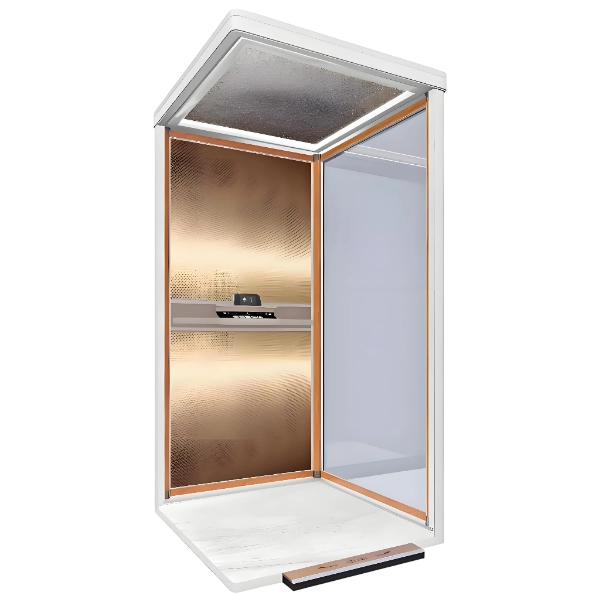
Lifecycle Cost Analysis: Model-A vs Other Residential Elevators
Tips for buy small residential elevators from China
Product
How to install an elevator and what is the warranty?
We have overseas technicians who are at your service 24 hours a day, 365 days a year.
Customize
Can I customize the elevator to match my home style?
Absolutely. We offer multiple cabin styles, materials, and finishes to suit modern, classic, or minimalist interiors.
Is customization available for both indoor and outdoor elevators?
Yes. All custom options apply to indoor and weatherproof outdoor models.
How long does a custom order take to deliver?
On average, production takes 30–45 days after confirmation, depending on your configuration.
Do I need architectural drawings to start customization?
Not required initially. We can start with basic dimensions or photos and assist with full planning.
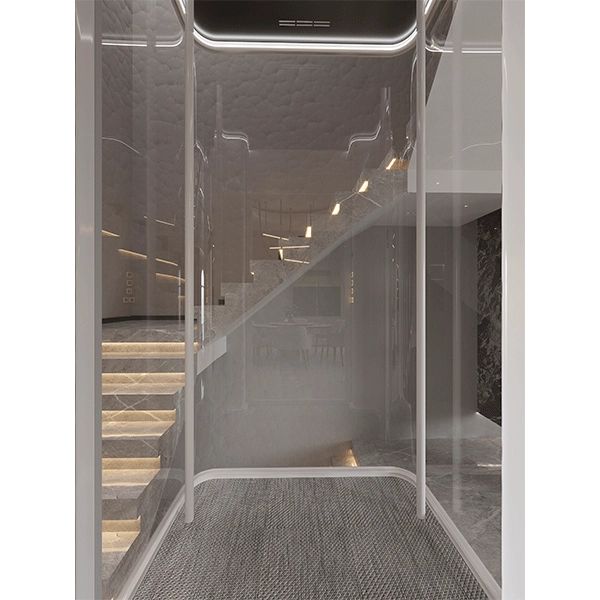
Simple and elegant villa home elevator Model-mini
The Model-Mini is a home villa elevator in the Italian minimalist style. It features the most advanced elevator technology and has comprehensive safety protection measures. It is the most reliable guarantee for your passage in villa homes
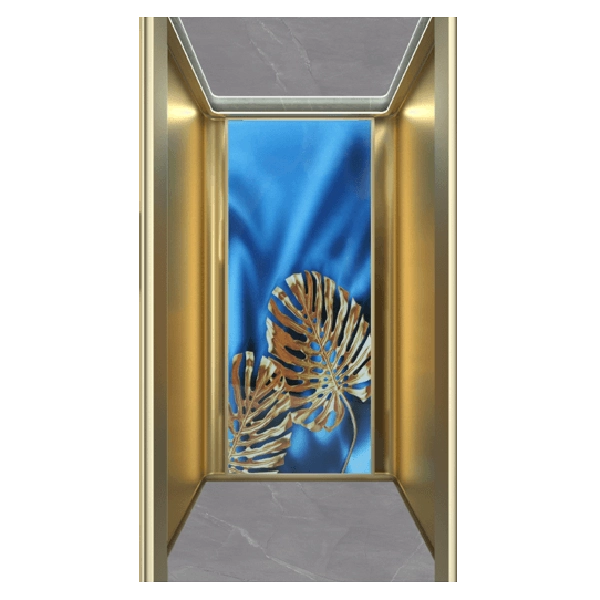
Minimalist design high-end and elegant villa home elevator Model-Q
The Model-Q is a home villa elevator in the Italian minimalist style. It features the most advanced elevator technology and has comprehensive safety protection measures. It is the most reliable guarantee for your passage in villa homes.
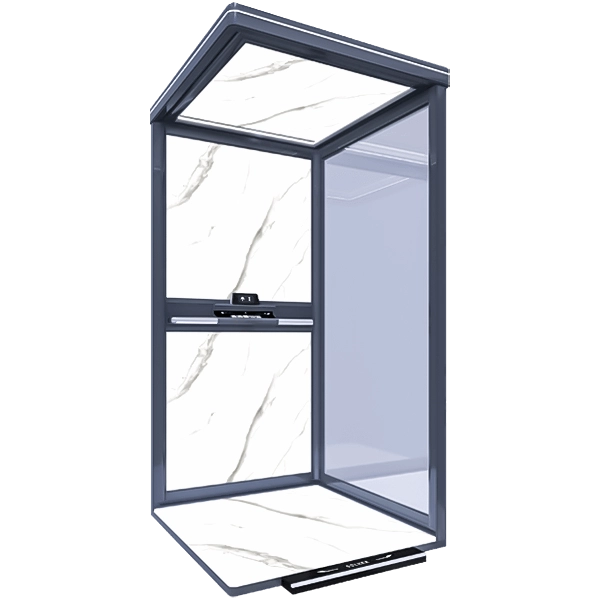
Minimalist design high-end and elegant villa home elevator Model-S
The Model-S is a home villa elevator in the Italian minimalist style. It features the most advanced elevator technology and has comprehensive safety protection measures. It is the most reliable guarantee for your passage in villa homes.
High-end and elegant villa home elevator Model-A
The Model A is a home villa elevator in the Italian minimalist style. It features the most advanced elevator technology and has comprehensive safety protection measures. It is the most reliable guarantee for your passage in villa homes.
Let's get in touch
Email: lin@solkerelevator.com
Tel: +86 133 1668 7566
Address: Floor 1, Building D, Nanxin Industry International, Nancheng District, Dongguan, China.
 Taiwan, China
 No. 21, Lane 38, 206 Yingtai Road, Yingge District, New Taipei City
 +886 0975-299-830
 United Arab Emirates
Capital Mall, Abu Dhabi, United Arab Emirates, 3rd floor, Luxera elevator +971 52 541 4685 Ceo@maharacare.com
 Melbourne, Australia
 19/12 Natalia Av, Oakleigh South, VIC 3167
+61 1300 771 86 sales@goldenhomelifts.com.au
Sydney, Australia
U28/323 Chisholm Road, Auburn, NSW 2144
+61 1300 771 86 sales@goldenhomelifts.com.au
SOLKER
SOLKER