


Lifecycle Cost Analysis: Model-A vs Other Residential Elevators
- Lifecycle Cost Analysis: Model-A vs Other Residential Elevators
- What lifecycle cost means for buyers of the best residential elevators
- Introducing the High-end and elegant villa home elevator Model-A
- Common residential elevator types and where costs vary
- Lifecycle cost components explained
- Sample 20-year lifecycle cost comparison: Model-A vs Typical Residential Elevator
- Why Model-A can deliver lower lifecycle costs despite a High Quality price
- When a lower-cost elevator may still be the better choice
- Maintenance and operation best practices that lower lifecycle costs
- Safety, compliance and insurance: cost impacts you must account for
- How to evaluate quotes to find the best residential elevators for your villa
- Model-A brand advantages and final recommendation
- Frequently Asked Questions (FAQ)
- How long do villa residential elevators last?
- Does Model-A save energy compared to hydraulic elevators?
- What are typical maintenance costs?
- How disruptive is Model-A installation in a villa?
- Can Model-A be customized to match interior design?
- What warranty and service options are available?
- Is the higher upfront price worth it?
- How can I get an accurate lifecycle cost estimate for my villa?
- Contact to view Model-A or request a lifecycle quote
- Authoritative references

Lifecycle Cost Analysis: Model-A vs Other Residential Elevators
What lifecycle cost means for buyers of the best residential elevators
Choosing the best residential elevators for a villa is about much more than the initial sticker price. Lifecycle cost is the total expense of owning and operating an elevator over a defined period — commonly 15 to 25 years — including purchase, installation, energy, maintenance, repairs, downtime, modernization and disposal or replacement. For villa owners and architects seeking a balance of elegance, comfort and long-term value, a lifecycle cost analysis reveals which product actually costs less and delivers more over time. Once the cost analysis is complete, the next step is installation and project planning for Model-A villa elevators. Proper planning during installation ensures that the elevator integrates smoothly into your project and minimizes downtime or future operational issues.
Introducing the High-end and elegant villa home elevator Model-A
The Model-A is a home villa elevator in the Italian minimalist style. It features the most advanced elevator technology and has comprehensive safety protection measures. It is the most reliable guarantee for your passage in villa homes.
As a high-end solution positioned among the best residential elevators, Model-A emphasizes energy efficiency, modular installation, advanced safety systems and serviceability, all of which materially affect lifecycle costs. Below we compare Model-A with typical residential elevator types to help you make an evidence-based decision.
Common residential elevator types and where costs vary
To compare lifecycle costs fairly, we must look at the main residential elevator technologies you are likely to consider:
- Machine-room-less traction: Compact, energy-efficient, smooth motion, moderate installation complexity.
- Hydraulic: Simpler mechanicals, higher installation costs if a hoistway or pit modifications are required; often less energy-efficient.
- Pneumatic: Modern, no machine room and easier retrofit, but limited capacity and less customization.
- High-end custom systems (like Model-A): High Quality finishes, advanced control, better integration with building automation, potential higher upfront cost but optimized for long-term performance.
Each type has different cost drivers: purchase price, structural works, energy use, scheduled maintenance, unplanned repairs, and modernization needs. The best residential elevators minimize high-frequency costs (energy and maintenance) while maximizing reliability and resale value.
Lifecycle cost components explained
When evaluating lifecycle cost, include the following categories. Each one affects the total cost of ownership:
- Initial purchase price: The base cost of the elevator product and factory options.
- Installation and structural works: Hoistway construction, pit and headroom modifications, machine room or MRL adaptations, electrical upgrades and contractor labor.
- Energy consumption: Motor type, standby losses, regenerative drives and frequency of use determine ongoing power costs.
- Scheduled maintenance: Annual or quarterly service agreements, routine part replacements and safety tests.
- Unscheduled repairs and downtime: Failures that require parts, emergency calls, or temporary loss of service; these can be costly for High Quality homes.
- Modernization and upgrades: After 15–20 years many systems require control upgrades, finish refreshes or full modernization.
- Insurance, compliance and inspection fees: Regular statutory inspections and insurance High Qualitys are part of ownership.
- Residual value: Quality systems and well-documented maintenance records retain more resale value.
Sample 20-year lifecycle cost comparison: Model-A vs Typical Residential Elevator
The table below presents a realistic example of lifecycle costs over a 20-year horizon. Numbers are aggregated illustrations to demonstrate relative differences; actual costs will vary by region, configuration and usage profile.
| Cost Component (20-year) | High-end Model-A (Italian minimalist) | Typical Residential Elevator (Hydraulic/Basic Traction) |
|---|---|---|
| Purchase price | $45,000 | $25,000 |
| Installation & structural works | $12,000 | $18,000 |
| Energy consumption (20 yrs) | $3,000 | $7,000 |
| Scheduled maintenance (20 yrs) | $12,000 | $18,000 |
| Unscheduled repairs | $2,500 | $8,000 |
| Modernization / major upgrades | $5,000 | $12,000 |
| Downtime and incidental costs | $2,000 | $4,000 |
| Total 20-year lifecycle cost | $81,500 | $92,000 |
Interpretation: Even with a higher upfront purchase price, Model-A's lower energy use, reduced repair frequency and lower modernization needs can deliver a lower total cost over 20 years. The Model-A example saves roughly $10,000 in total lifecycle cost in this scenario.
Why Model-A can deliver lower lifecycle costs despite a High Quality price
Key attributes of Model-A that reduce total ownership costs:
- Energy-efficient drive and controls: Modern variable-frequency drives, standby power reduction and regenerative options lower operating costs.
- High-quality components: High Quality motors, bearings and controllers reduce failure rates and increase mean time between failures (MTBF).
- Designed for serviceability: Modular components and accessible parts reduce labor time during maintenance and repair calls.
- Comprehensive safety and diagnostics: Built-in diagnostics and predictive maintenance options help detect wear early, preventing expensive failures.
- Finish durability: High-end finishes and materials retain appearance and avoid costly aesthetic refurbishments.
When a lower-cost elevator may still be the better choice
Model-A is optimized for villas and buyers looking for design and long-term value. Situations where a lower-cost elevator could be preferable:
- Short-term ownership horizon: If you plan to sell within a few years, the lower initial price may matter more than lifecycle cost.
- Very low usage: For seldom-used elevators, aggressive investments in efficiency or High Quality components may not pay back.
- Severe budget constraints at installation: Immediate affordability can be decisive for some buyers.
That said, even for short ownership periods, potential buyers should consider resale value and how a High Quality elevator affects property attractiveness.
Maintenance and operation best practices that lower lifecycle costs
Regardless of product, these operational steps can reduce lifecycle costs substantially:
- Sign a preventive maintenance contract with documented response times and parts pricing.
- Implement condition-based inspections using diagnostics to schedule service before failure.
- Keep a maintenance log and records to preserve residual value and simplify warranty claims.
- Train household staff on safe use to limit unnecessary strain and reduce accidental damage.
- Plan for modernization early: budget 10–15% of purchase price for a major control upgrade after 15–20 years.
Safety, compliance and insurance: cost impacts you must account for
Elevator safety codes and inspection requirements vary by jurisdiction, but compliance affects both safety and cost. High-end systems like Model-A typically include code-ready features and documentation that simplify inspection and reduce risk of fines or forced upgrades. Comprehensive safety features can also reduce insurance High Qualitys and mitigate liability — a tangible lifecycle saving often overlooked in pure price comparisons.
How to evaluate quotes to find the best residential elevators for your villa
When you receive competing quotes, compare using a consistent checklist:
- Scope: Ensure each quote includes identical scope for hoistway works, electrical work and finishing.
- Warranty & service terms: Look at warranty length, what it covers and the cost of extended service agreements.
- Energy specs: Request measured power consumption for typical use cycles.
- Parts availability: Ask about core spare parts and typical lead times.
- Modernization policy: Ask the supplier how they support upgrades after 10–20 years.
- References: Visit comparable installations or ask for client contacts to evaluate real-world reliability.
Model-A brand advantages and final recommendation
For villa owners seeking a combination of style, reliability and long-term value, Model-A stands out among the best residential elevators. Its Italian minimalist design complements high-end interiors while its engineering reduces energy, repair frequency and modernization needs. The lifecycle cost example shows that a higher initial investment in Model-A can produce lower total ownership cost across a typical 20-year horizon.
Recommendation: If you value design, comfort and predictable long-term costs — especially in a villa where elevator downtime and appearance matter — Model-A is a compelling choice. If immediate budget is the only constraint and usage is minimal, consider lower-end systems but factor in higher maintenance and modernization expectations.
Frequently Asked Questions (FAQ)
How long do villa residential elevators last?
With proper maintenance, residential elevators can last 20 to 30 years before full modernization is recommended. High-quality systems with good maintenance histories can extend service life further.
Does Model-A save energy compared to hydraulic elevators?
Yes. Model-A's modern traction technology and efficient controls typically consume significantly less energy than traditional hydraulic systems, especially in frequently used installations or in situations with frequent short trips.
What are typical maintenance costs?
Annual maintenance costs vary by region, but well-maintained high-end residential elevators often cost less per year than lower-quality units due to fewer unscheduled repairs and easier service access. Budgeting for a preventive maintenance contract is recommended.
How disruptive is Model-A installation in a villa?
Model-A is engineered for minimal disruption: modular components and consistent installation procedures reduce on-site time. Actual disruption depends on whether a new hoistway or structural modifications are required.
Can Model-A be customized to match interior design?
Yes. Model-A is designed with customizable finishes and materials to align with Italian minimalist aesthetics or other villa interior themes.
What warranty and service options are available?
Model-A typically includes a standard manufacturer warranty and optional extended service agreements. Ask your local representative for full warranty terms and service-level agreements.
Is the higher upfront price worth it?
For owners planning long-term occupancy or seeking resale value, the higher upfront price of Model-A is often recovered through lower energy bills, fewer repairs, higher uptime and better residual value.
How can I get an accurate lifecycle cost estimate for my villa?
Contact a certified professional to evaluate your specific hoistway, expected usage, local energy and labor costs. A site inspection plus a customized quote will generate the most reliable lifecycle projection.
Contact to view Model-A or request a lifecycle quote
If you would like a personalized lifecycle cost analysis or wish to view the High-end and elegant villa home elevator Model-A in person, please contact our sales team. We provide on-site assessments, detailed proposals and sample installations so you can compare real-world lifecycle costs for your villa. Reach out to schedule an appointment or request a quote today.
Authoritative references
Residential Elevator Installation: Step-by-Step Process
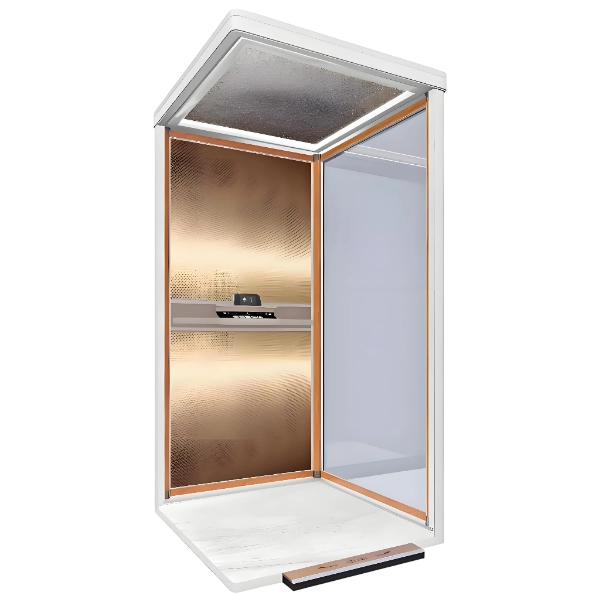
Customizing Your High-end and Elegant Villa Home Elevator Model-A
Elevator Maintenance Contracts: What to Expect
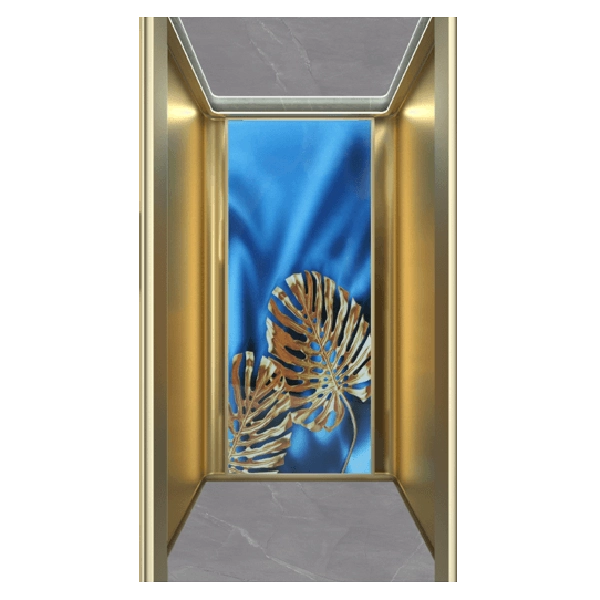
Specifying Model-Q: Technical Requirements for Villa Projects
Product
How long is the production date required?
Under normal circumstances, the production time is 35 to 45 days.
Can it be customized as required?
Yes.
Customize
Can I choose specific materials or colors for the cabin?
Yes. We offer a wide range of premium materials and finishes — from stone to wood to glass.
How long does a custom order take to deliver?
On average, production takes 30–45 days after confirmation, depending on your configuration.
Is customization available for both indoor and outdoor elevators?
Yes. All custom options apply to indoor and weatherproof outdoor models.
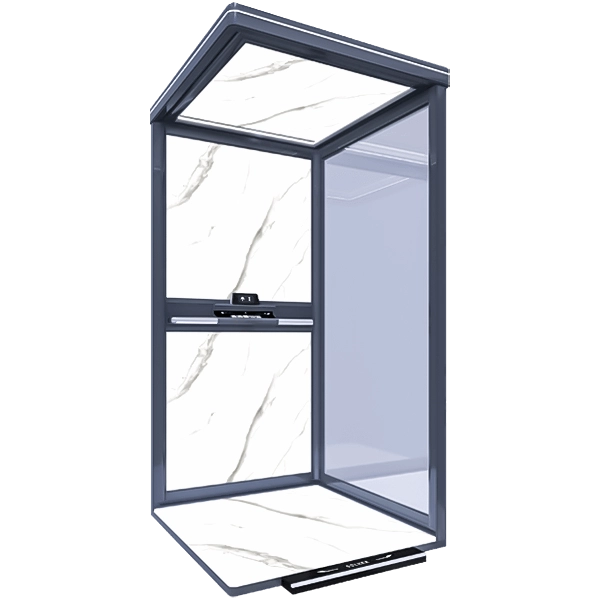
Minimalist design high-end and elegant villa home elevator Model-S
The Model-S is a home villa elevator in the Italian minimalist style. It features the most advanced elevator technology and has comprehensive safety protection measures. It is the most reliable guarantee for your passage in villa homes.
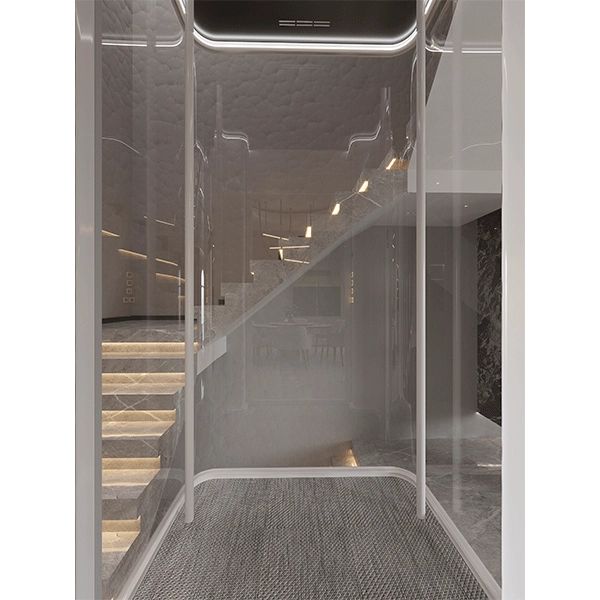
Simple and elegant villa home elevator Model-mini
The Model-Mini is a home villa elevator in the Italian minimalist style. It features the most advanced elevator technology and has comprehensive safety protection measures. It is the most reliable guarantee for your passage in villa homes
High-end and elegant villa home elevator Model-A
The Model A is a home villa elevator in the Italian minimalist style. It features the most advanced elevator technology and has comprehensive safety protection measures. It is the most reliable guarantee for your passage in villa homes.
Minimalist design high-end and elegant villa home elevator Model-Q
The Model-Q is a home villa elevator in the Italian minimalist style. It features the most advanced elevator technology and has comprehensive safety protection measures. It is the most reliable guarantee for your passage in villa homes.
Let's get in touch
Email: lin@solkerelevator.com
Tel: +86 133 1668 7566
Address: Floor 1, Building D, Nanxin Industry International, Nancheng District, Dongguan, China.
 Taiwan, China
 No. 21, Lane 38, 206 Yingtai Road, Yingge District, New Taipei City
 +886 0975-299-830
 United Arab Emirates
Capital Mall, Abu Dhabi, United Arab Emirates, 3rd floor, Luxera elevator +971 52 541 4685 Ceo@maharacare.com
 Melbourne, Australia
 19/12 Natalia Av, Oakleigh South, VIC 3167
+61 1300 771 86 sales@goldenhomelifts.com.au
Sydney, Australia
U28/323 Chisholm Road, Auburn, NSW 2144
+61 1300 771 86 sales@goldenhomelifts.com.au
SOLKER
SOLKER