


Accessibility Benefits of Small Home Elevators for Aging in Place
- Accessibility Benefits of Small Home Elevators for Aging in Place
- Why small home elevator solutions matter for aging in place
- Maintaining independence: mobility advantages of a small home elevator
- How a small home elevator compares to alternative solutions
- Safety and fall prevention with a small home elevator
- Model-S: combining safety with Italian minimalist aesthetics
- Space, design, and installation considerations for small home elevator projects
- Design integration: keeping the villa aesthetic
- Cost, value, and long-term benefits of installing a small home elevator
- Estimated comparison — stairs vs stairlift vs small home elevator
- Regulatory compliance and safety standards for small home elevators
- Why code compliance matters for aging residents
- Maintenance, reliability, and lifecycle planning for small home elevators
- Practical maintenance tips for homeowners
- Choosing the right small home elevator: questions to ask vendors
- Why the Model-S is a strong option for villa owners
- Financial supports, incentives, and resale considerations
- Practical steps for financing and planning
- FAQ — Frequently Asked Questions about small home elevators and aging in place
- Brand strengths and how Model-S supports aging in place
- Next steps and contact
- References and authoritative resources
- Product & topic related FAQs — Contact & next steps
- End of article
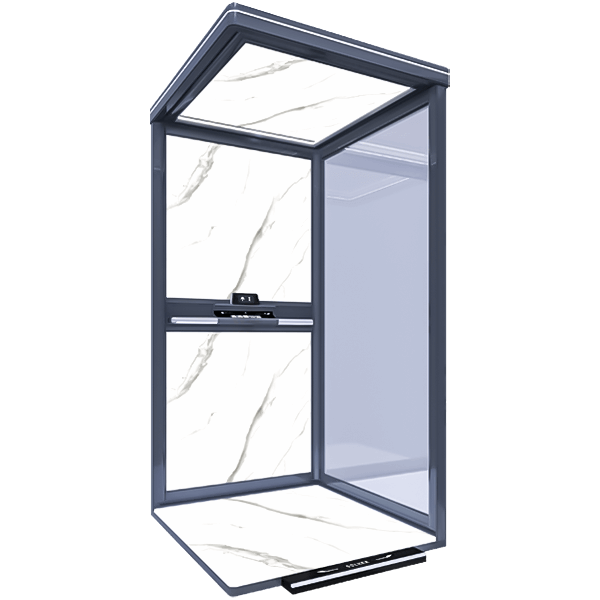
Accessibility Benefits of Small Home Elevators for Aging in Place
Why small home elevator solutions matter for aging in place
As populations age, more homeowners choose to remain in their homes rather than move to assisted living. A small home elevator is one of the most effective long-term investments to support aging in place: it reduces fall risk, preserves independence, and can be integrated into an existing villa or new build without sacrificing design. For villa homeowners who value both safety and aesthetics, products such as the Minimalist design high-end and elegant villa home elevator Model-S provide a balanced solution that blends advanced safety features with an Italian minimalist design language.
Maintaining independence: mobility advantages of a small home elevator
Mobility is central to remaining independent at home. Stairways are a leading barrier for older adults and people with limited mobility. A small home elevator enables full access to vertical levels — bedrooms, bathrooms, kitchens and terraces — without the need for transferring to mobility devices or relying on caregivers for stair assistance. This preserves autonomy in daily routines such as cooking, personal care, and social activities.
How a small home elevator compares to alternative solutions
Many homeowners consider stairlifts, ramps, or relocating essential rooms to the ground floor. Each option has trade-offs. Stairlifts can be inexpensive initially but still require the user to transfer on and off the seat and only serve one stair run. Ramps can be impractical for multi-level villas due to space needs. A small home elevator offers a comprehensive, dignified solution: effortless vertical transport, accommodating passengers, caregivers, and occasionally small loads (groceries, linen), without the risk of repeated transfers.
Safety and fall prevention with a small home elevator
Falls on stairs are among the most serious hazards for older adults. A small home elevator significantly reduces the frequency and severity of stair-related falls by removing stair use for many daily trips. Modern home elevators incorporate safety systems such as emergency brakes, battery backup, door interlocks, overload detection, and low-speed operation to minimize injury risk. Choosing a product compliant with recognized safety codes ensures that these protections are implemented and inspected.
Model-S: combining safety with Italian minimalist aesthetics
The Minimalist design high-end and elegant villa home elevator Model-S is designed for villa environments where both looks and reliability matter. The manufacturer describes the product as follows:
The Model-S is a home villa elevator in the Italian minimalist style. It features the most advanced elevator technology and has comprehensive safety protection measures. It is the most reliable guarantee for your passage in villa homes.
That combination — contemporary minimal visuals plus comprehensive safety features — makes Model-S a strong candidate for homeowners who need reliable, attractive accessibility solutions.
Space, design, and installation considerations for small home elevator projects
One of the main questions homeowners ask is whether there is enough space for an elevator. Small home elevators are engineered to fit compact shafts or shaftless installations and can often be retrofitted into existing villas with modest remodeling. Key considerations include available floor area, headroom, structural support, and access points on each level. A professional site assessment will determine whether a hoist-way, pit, or shaftless (self-supporting) solution is appropriate.
Design integration: keeping the villa aesthetic
For luxury villa owners, an elevator should enhance rather than detract from the interior design. The Model-S emphasizes an Italian minimalist style that complements modern and classic interiors. Options such as glass walls, slim-frame doors, neutral finishes, and customizable cabin lighting allow homeowners to align the elevator visually with staircases, corridors, and terraces. Thoughtful placement — e.g., near an existing stairwell or within a central core — can make the elevator both convenient and discreet.
Cost, value, and long-term benefits of installing a small home elevator
Upfront costs for a small home elevator vary by model, travel height, finish level, and site work. While initial investment is greater than a stairlift, the long-term benefits often justify the cost: reduced risk of injury and related healthcare expenses, improved home resale value, and ongoing independence for occupants. For families planning to remain in the home for many years, the value proposition is compelling.
Estimated comparison — stairs vs stairlift vs small home elevator
Below is an estimated comparison table to help homeowners weigh trade-offs. (Estimates vary by region and project specifics; obtain quotes for precise budgeting.)
| Feature | Traditional Stairs | Stairlift | Small Home Elevator (e.g., Model-S) |
|---|---|---|---|
| Typical upfront cost | Existing – no cost | Low to moderate (USD 3,000–10,000) | Moderate to high (USD 20,000–60,000+) |
| Space required | Existing stair footprint | Small, along stair run | Small dedicated footprint or shaftless installation |
| Accessibility & ease-of-use | Poor for mobility-impaired | Good for seated transfers only | Excellent for seated or standing passengers, caregivers, small loads |
| Safety (fall prevention) | Higher risk | Moderate (transfer risks remain) | High (removes stair negotiation) |
| Home value impact | Neutral | Small positive | Positive, appeals to aging buyers |
| Maintenance | Low | Low to moderate | Moderate (annual inspection recommended) |
Regulatory compliance and safety standards for small home elevators
Compliance with recognized safety standards is crucial. Home elevators should conform to local building codes and national standards where applicable. In many regions, elevating devices are subject to codes such as ASME A17.1 for elevators and ASME A18.1 for platform lifts/stairway chairlifts in the United States, and corresponding national standards elsewhere. Installation by certified professionals and regular inspections help maintain safety, functionality, and insurance compliance.
Why code compliance matters for aging residents
Older adults are particularly vulnerable to accidents. Choosing a compliant product and following the manufacturer's guidelines for installation and periodic maintenance reduces liability and maximizes occupant safety. Key features to confirm include emergency communication, battery backup (for power outages), safety doors/interlocks, and overload sensors.
Maintenance, reliability, and lifecycle planning for small home elevators
Regular maintenance ensures reliable operation and extends service life. Typical maintenance includes periodic inspections, lubrication, safety system checks, and any necessary part replacements. Many manufacturers and certified service providers offer maintenance plans tailored to residential elevators. Budgeting for annual inspections and occasional repairs is an important part of lifecycle planning.
Practical maintenance tips for homeowners
- Schedule an annual professional inspection by a certified technician.
- Keep the shaft, pit (if applicable), and cabin clean and free of debris.
- Test emergency features (alarm, intercom, battery backup) periodically.
- Use the elevator as intended — avoid overloading and misuse.
- Keep documentation and service records for warranties and resale value.
Choosing the right small home elevator: questions to ask vendors
When evaluating solutions, ask vendors these practical questions: Does the model meet local codes? What are the precise space and structural requirements? What safety features are included? Are there options for customization of finishes? What does the warranty cover? How long will installation take, and who performs maintenance? Confirming answers will help you compare proposals objectively.
Why the Model-S is a strong option for villa owners
The Model-S is positioned for villa homeowners who prioritize an elegant appearance alongside advanced technology and safety. Its Italian minimalist styling integrates well with high-end interiors, while the manufacturer emphasizes comprehensive safety protections. For homeowners seeking both aesthetics and functionality, Model-S addresses common concerns about appearance, reliability, and long-term usability.
Financial supports, incentives, and resale considerations
Depending on location, grants, tax credits, or home modification programs may offset some costs for accessibility improvements. Additionally, accessible homes often have broader resale appeal to older buyers or multi-generational families, which can support return on investment. Consult local housing agencies or occupational therapists for guidance on funding or tax implications.
Practical steps for financing and planning
- Obtain multiple quotes that include site work and finishing options.
- Ask about manufacturer financing, installment plans, or local grants.
- Consult an occupational therapist to confirm elevator features match resident needs.
- Keep detailed installation and maintenance records to support home valuation.
FAQ — Frequently Asked Questions about small home elevators and aging in place
Q: How much space does a small home elevator require?
A: Many compact elevators need as little as 4–6 square feet of floor space for the cabin footprint, plus clearance for doors and possible shaft or pit. Shaftless or self-supporting models can reduce structural work. A site survey will provide precise dimensions.
Q: Are small home elevators safe for older adults?
A: Yes, when installed and maintained per code. Modern home elevators include safety interlocks, emergency brakes, battery backup, and alarms. Regular inspections and professional maintenance are essential.
Q: Can a small home elevator be added to an existing villa without major renovation?
A: Often yes. Many small home elevators are designed for retrofit installations. The extent of remodeling depends on the layout, whether a shaft or pit is needed, and desired finishes.
Q: What maintenance is required?
A: Annual inspections and routine servicing—such as lubrication, safety checks, and minor adjustments—are typical. Some manufacturers offer maintenance plans.
Q: How long does installation take?
A: Typical installation ranges from a few days for very simple, pre-fitted modular units to several weeks for custom shafts and finishes. The installer’s site assessment will provide a timeline.
Brand strengths and how Model-S supports aging in place
Model-S combines essential strengths that match the needs of homeowners who want to age in place: compact footprint options, modern safety technology, and a high-end minimalist appearance suited to villas. The manufacturer emphasizes comprehensive protection measures and reliability, making Model-S a practical choice for families who value both function and design. Choosing a brand with robust support, warranty coverage, and certified installation teams is crucial for long-term satisfaction.
Next steps and contact
If you are considering a small home elevator to support aging in place, start with a professional site survey and an evaluation of daily accessibility needs. To learn more about the Minimalist design high-end and elegant villa home elevator Model-S, request product specifications, site assessment, and a quote. Elevating the home’s accessibility is just one way the Model-S can improve your villa. Materials and finishes of elevators play an equally important role. In our article on customizing your Model-S elevator, we explain how luxury homes can incorporate high-end finishes and unique materials for a tailored look.
Contact customer service / View product: Visit '/products/model-s' or contact our sales team for a personalized consultation and site assessment.
References and authoritative resources
- Centers for Disease Control and Prevention (CDC), Older Adult Falls: https://www.cdc.gov/homeandrecreationalsafety/falls/index.
- World Health Organization (WHO), Falls: https://www.who.int/news-room/fact-sheets/detail/falls
- AARP, Home and Community: https://www.aarp.org/livable-communities/
- ASME – Codes & Standards (A17.1): https://www.asme.org/codes-standards/find-codes-standards/a17-1
- Wikipedia, Elevator (overview of elevator types and usage): https://en.wikipedia.org/wiki/Elevator
Product & topic related FAQs — Contact & next steps
For a detailed site assessment, custom finish options, or a formal quote for the Model-S, please contact our customer service. We provide site visits, accessibility consultations, and full installation & maintenance packages designed specifically for villa homes.
End of article
In-Home Elevator Safety Inspections and Certification
Tips for buy custom home lift
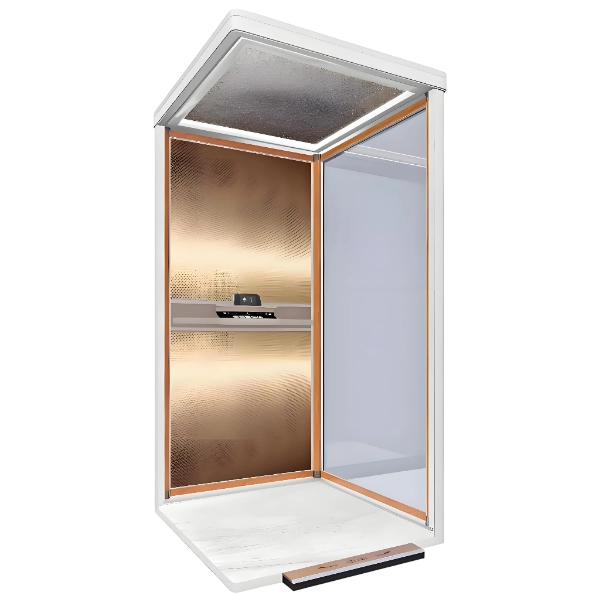
Design Tips to Blend a Luxury Elevator with Villa Interiors
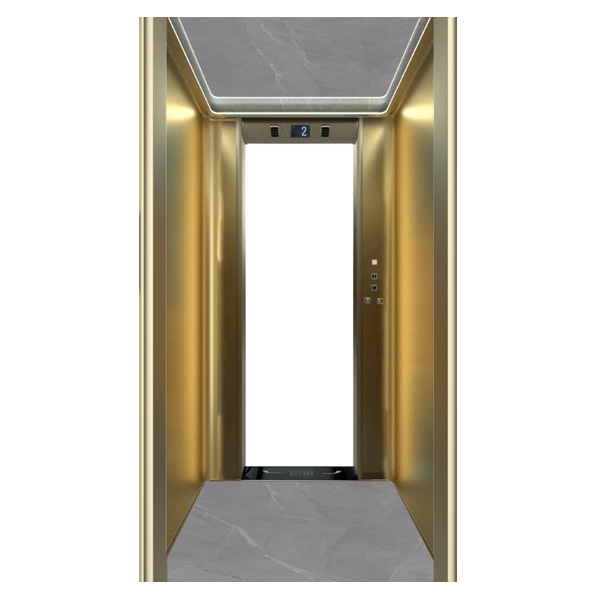
Energy Efficiency and Smart Controls for Small Home Elevators
Customize
Can I choose specific materials or colors for the cabin?
Yes. We offer a wide range of premium materials and finishes — from stone to wood to glass.
Is customization available for both indoor and outdoor elevators?
Yes. All custom options apply to indoor and weatherproof outdoor models.
Can the elevator design be matched to my home's architecture?
Absolutely. Our designers tailor each cabin to complement your interior layout and style.
Product
How long is the production date required?
Under normal circumstances, the production time is 35 to 45 days.
How to install an elevator and what is the warranty?
We have overseas technicians who are at your service 24 hours a day, 365 days a year.
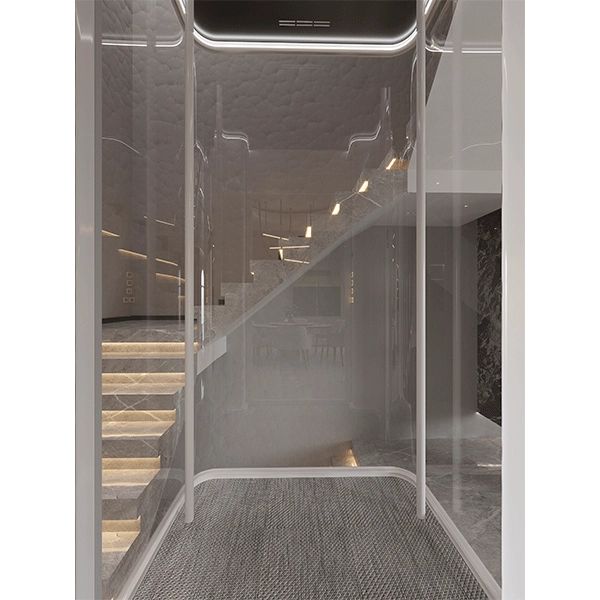
Simple and elegant villa home elevator Model-mini
The Model-Mini is a home villa elevator in the Italian minimalist style. It features the most advanced elevator technology and has comprehensive safety protection measures. It is the most reliable guarantee for your passage in villa homes
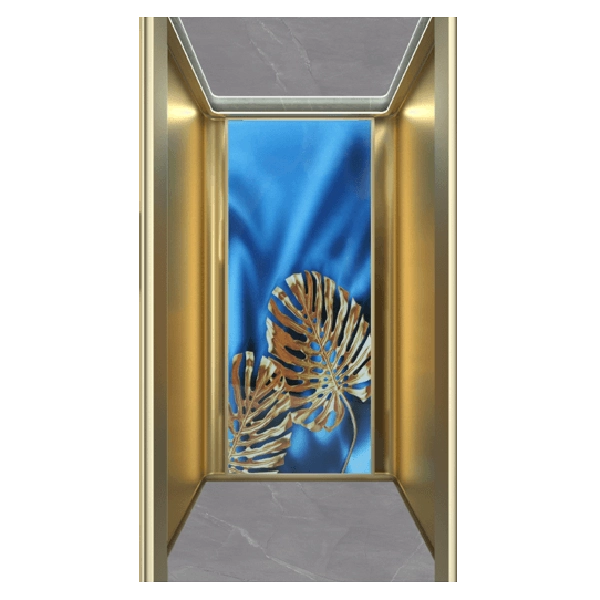
Minimalist design high-end and elegant villa home elevator Model-Q
The Model-Q is a home villa elevator in the Italian minimalist style. It features the most advanced elevator technology and has comprehensive safety protection measures. It is the most reliable guarantee for your passage in villa homes.
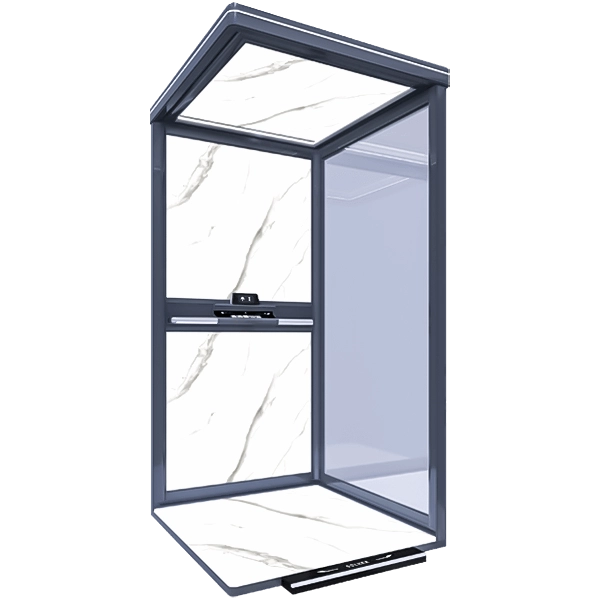
Minimalist design high-end and elegant villa home elevator Model-S
The Model-S is a home villa elevator in the Italian minimalist style. It features the most advanced elevator technology and has comprehensive safety protection measures. It is the most reliable guarantee for your passage in villa homes.
High-end and elegant villa home elevator Model-A
The Model A is a home villa elevator in the Italian minimalist style. It features the most advanced elevator technology and has comprehensive safety protection measures. It is the most reliable guarantee for your passage in villa homes.
Let's get in touch
Email: lin@solkerelevator.com
Tel: +86 133 1668 7566
Address: Floor 1, Building D, Nanxin Industry International, Nancheng District, Dongguan, China.
 Taiwan, China
 No. 21, Lane 38, 206 Yingtai Road, Yingge District, New Taipei City
 +886 0975-299-830
 United Arab Emirates
Capital Mall, Abu Dhabi, United Arab Emirates, 3rd floor, Luxera elevator +971 52 541 4685 Ceo@maharacare.com
 Melbourne, Australia
 19/12 Natalia Av, Oakleigh South, VIC 3167
+61 1300 771 86 sales@goldenhomelifts.com.au
Sydney, Australia
U28/323 Chisholm Road, Auburn, NSW 2144
+61 1300 771 86 sales@goldenhomelifts.com.au
SOLKER
SOLKER