


Sustainable options for a green outdoor home elevator installation
- Material choices and weatherproof design for outdoor home elevators
- Corrosion resistance, structural longevity and eco‑friendly materials
- Weatherproofing, insulation and site‑specific sealing
- Energy systems: efficient drives and renewable integration
- Regenerative drives, efficient motors and standby energy savings
- Solar, batteries and hybrid power systems for outdoor elevators
- Installation, codes, performance and lifecycle planning
- Site assessment, permitting and local climate considerations
- Maintenance strategy, monitoring and long‑term sustainability
- Why the Minimalist design high-end and elegant villa home elevator Model-S is a good green choice
- Design benefits: efficiency, safety and minimalist aesthetics
- Cost, ROI and comparative performance
- Practical recommendations for an eco‑conscious outdoor home elevator project
- Pre‑installation checklist
- Long‑term operational tips
- References and further reading
- FAQ — Sustainable outdoor home elevator (Model‑S) common questions
- Q: Can an outdoor home elevator like Model‑S be powered by solar panels alone?
- Q: How does a regenerative drive improve sustainability?
- Q: What maintenance does an outdoor elevator require compared with an indoor unit?
- Q: Is Model‑S compliant with international safety standards?
- Q: How should I choose between a glass‑enclosed shaft and a solid shaft for an outdoor elevator?
Designing a green outdoor home elevator requires balancing energy efficiency, durability in all weather conditions, aesthetic fit with the landscape, and long life‑cycle performance. This article explains sustainable options for an outdoor home elevator installation, from corrosion‑resistant materials and passive design to regenerative drives and solar integration. It also outlines site assessment, maintenance strategies, local regulation considerations, and real ROI comparisons so homeowners, architects and builders can make informed, climate‑sensitive choices for villa projects.
Material choices and weatherproof design for outdoor home elevators
Corrosion resistance, structural longevity and eco‑friendly materials
Outdoor elevators face UV exposure, driving rain, salt air in coastal zones and temperature swings. Choosing materials and finishes designed for long service lives reduces resource consumption and replacement waste. Stainless steel (316 grade for coastal), powder‑coated aluminum and glass with low‑iron content offer both longevity and a High Quality minimalist look. Thermally broken frames and UV‑stable sealants improve durability and reduce thermal stress.
For sustainable sourcing, look for materials with recycled content and suppliers who publish Environmental Product Declarations (EPDs). Durable components reduce lifetime embodied carbon; a higher initial material quality often pays back in fewer replacements and lower lifetime environmental impact. For a broader overview of elevator design and materials, see the general reference on elevators: Wikipedia: Elevator.
Weatherproofing, insulation and site‑specific sealing
Proper weatherproofing includes gaskets and seals rated for outdoor use, drainage planning around the pit and machine spaces, and attention to condensation control. When installing an outdoor home elevator, use insulated enclosures and moisture barriers to avoid thermal bridging and intermittent condensation that can corrode electronics. Passive measures such as shade over the shaft and proper orientation can reduce direct solar gain, lowering cooling needs for control cabinets.
Energy systems: efficient drives and renewable integration
Regenerative drives, efficient motors and standby energy savings
Electric drive improvements are the fastest way to reduce an outdoor home elevator's operational energy. Regenerative drives capture braking energy and feed it back to the building grid or into local storage, cutting net energy consumption substantially for frequent short trips typical of home use. Permanent magnet synchronous motors (PMSM) and gearless traction systems reduce mechanical losses and are common in high‑end residential elevators.
Case studies from major lift manufacturers show regenerative systems can reduce energy use by 20–40% depending on usage patterns. For safety and compliance, ensure drive systems meet relevant codes such as the ASME A17.1 Safety Code for Elevators and Escalators: ASME A17.1.
Solar, batteries and hybrid power systems for outdoor elevators
Integrating photovoltaic (PV) panels with battery storage allows an outdoor home elevator to operate with a low carbon footprint, especially in off‑grid or remote villa installations. Options include:
- Grid‑tied PV with net‑metering and regeneration to reduce overall grid draw.
- PV with battery backup sized to guarantee operation during power outages — valuable for safety and accessibility.
- Hybrid configurations where the elevator draws from battery for normal trips and returns regenerated energy to recharge the batteries.
When designing a PV system, size it based on realistic trip counts, average trip length, and the elevator's rated power. Manufacturer whitepapers on regenerative technology are useful references; for example, technical overviews by lift manufacturers explain energy recovery methods and efficiency gains: Otis ReGen (example).
Installation, codes, performance and lifecycle planning
Site assessment, permitting and local climate considerations
Start with a site assessment: microclimate, prevailing winds, exposure to salt spray, earthquake risk, and snow loads influence shaft design and materials. Local codes and standards determine allowable drive types, emergency power requirements and machine room specifications. Engaging a qualified elevator consultant or engineer early prevents costly redesigns. Provide installers with site photos, elevation differences, access points and utility locations to allow precise planning.
Maintenance strategy, monitoring and long‑term sustainability
Predictive maintenance and remote monitoring can extend equipment life, reduce downtime and avoid over‑servicing. Modern controllers allow remote diagnostics and software updates, enabling targeted maintenance interventions. Establish a maintenance contract that includes seasonal inspections for seals, corrosion checks, and battery health (if used). A lifecycle approach — considering replacement intervals for ropes, brakes, and electronics — should be part of the initial sustainability assessment.
Why the Minimalist design high-end and elegant villa home elevator Model-S is a good green choice
Design benefits: efficiency, safety and minimalist aesthetics
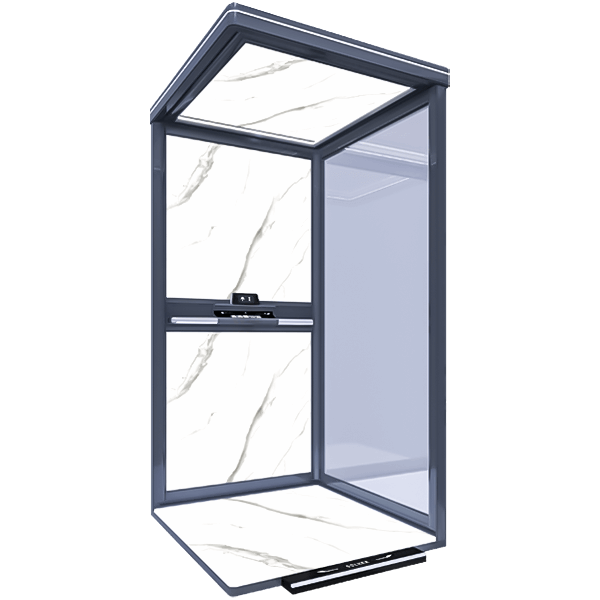
The Minimalist design high-end and elegant villa home elevator Model-S is a home villa elevator in the Italian minimalist style. It features the most advanced elevator technology and has comprehensive safety protection measures. It is the most reliable guarantee for your passage in villa homes.
Model-S's compact, minimalist form reduces material use while maintaining the High Quality finish expected in high‑end villas. Its gearless traction and electronic drive systems are optimized for low standby and trip energy, making it a suitable choice for homeowners prioritizing both aesthetics and sustainability. The Model-S design also supports multiple glazing and finish options compatible with corrosion‑resistant specifications for outdoor installations.
Cost, ROI and comparative performance
When evaluating options for an outdoor home elevator, consider initial capital cost, installation complexity, energy consumption and maintenance. Below is a comparison table showing typical performance and suitability of different configurations for outdoor villa installations.
| Option | Typical Initial Cost | Energy Efficiency | Outdoor Suitability | Maintenance / Lifespan |
|---|---|---|---|---|
| Model‑S (gearless + regen capable) | High | Very High (regen + PMSM) | High (weatherproof options available) | Long with predictive maintenance |
| Conventional traction (non‑regen) | Medium | Moderate | Medium (requires corrosion protection) | Medium |
| Hydraulic outdoor lift | Low–Medium | Low | Medium (seals critical) | Shorter without intensive maintenance |
| Solar + battery powered system | Medium–High (depends on storage) | Very High (if PV sized well) | High (ideal off‑grid) | Depends on battery technology |
Model‑S offers the efficiency advantages in the top row when configured with regenerative drives and outdoor finishes. Although initial costs are higher, energy savings, lower replacements and higher property value in villa markets typically yield a favorable payback period, especially where electricity costs are high or where resiliency (backup power) increases property utility.
Practical recommendations for an eco‑conscious outdoor home elevator project
Pre‑installation checklist
- Complete a full site and microclimate assessment with your installer.
- Choose Corrosion Class (C3/C4/C5) materials depending on environment (coastal vs inland).
- Specify regenerative drive, LED lighting, and energy‑saving standby modes.
- Plan PV/battery capacity if integrating renewables; size for realistic trip counts.
- Confirm compliance with local codes and obtain necessary permits before ordering.
Long‑term operational tips
- Implement a remote monitoring plan for predictive maintenance and to track energy use.
- Seasonally inspect seals, drainage and control enclosures for moisture intrusion.
- Keep firmware updated and favor modular components for easier future upgrades.
- Document a replacement schedule to plan for end‑of‑life recycling and reuse.
References and further reading
Selected authoritative sources that inform best practice and standards for elevator safety and energy performance:
- Wikipedia: Elevator — overview of elevator types and technology.
- ASME A17.1 Safety Code for Elevators and Escalators — U.S. safety code reference for design and installation.
- Otis ReGen (manufacturer whitepaper and product pages) — examples of regenerative drive technology and efficiency gains.
FAQ — Sustainable outdoor home elevator (Model‑S) common questions
Q: Can an outdoor home elevator like Model‑S be powered by solar panels alone?
A: Yes, provided you size the PV array and battery storage to the elevator's typical daily usage and ensure backup for emergency calls. For villas with moderate use (several short trips per day), a properly sized PV + battery hybrid can cover most operating needs, though a grid‑tied configuration often simplifies permitting and reliability.
Q: How does a regenerative drive improve sustainability?
A: A regenerative drive converts kinetic energy generated during braking into electrical energy that can be returned to the building grid or used to recharge batteries. This reduces net energy consumption and lowers operating costs over time—especially effective in residential installations with frequent short trips.
Q: What maintenance does an outdoor elevator require compared with an indoor unit?
A: Outdoor units need additional checks for seals, drainage, corrosion, UV degradation, and potential bird or insect ingress. Annual or semi‑annual inspections are recommended for exterior finishes, and electrical cabinets should be humidity controlled. Predictive monitoring reduces unexpected failures.
Q: Is Model‑S compliant with international safety standards?
A: Model‑S is engineered to meet prevalent safety standards and can be configured to comply with regional codes during specification and installation. Always confirm local code requirements with the installing partner and request documentation of compliance and certification.
Q: How should I choose between a glass‑enclosed shaft and a solid shaft for an outdoor elevator?
A: Glass‑enclosed shafts offer exceptional aesthetics and views but require low‑iron, tempered glass and careful sealing to withstand weather. Solid shafts provide better thermal and acoustic performance and may be easier to maintain. The choice depends on climate, desired look, and maintenance tolerance.
If you would like to discuss a site assessment, request product specifications, or receive a tailored sustainability estimate for an outdoor home elevator installation, contact our sales and technical team today. View detailed Model‑S product information or request a quote: View Model‑S | Contact us.
Best maintenance practices for Minimalist Model-S owners
Top Design Features of High-end and Elegant Villa Home Elevator Model-A
Aging in Place: In-Home Elevators 2026 Mobility Solutions
Best smart integrations for outdoor home elevator Model-S
Product
How to install an elevator and what is the warranty?
We have overseas technicians who are at your service 24 hours a day, 365 days a year.
Customize
Can I customize the elevator to match my home style?
Absolutely. We offer multiple cabin styles, materials, and finishes to suit modern, classic, or minimalist interiors.
How long does a custom order take to deliver?
On average, production takes 30–45 days after confirmation, depending on your configuration.
What parts of the elevator can be customized?
You can personalize wall panels, flooring, lighting, control panels, handrails, and door finishes.
Is customization available for both indoor and outdoor elevators?
Yes. All custom options apply to indoor and weatherproof outdoor models.
High-end and elegant villa home elevator Model-A
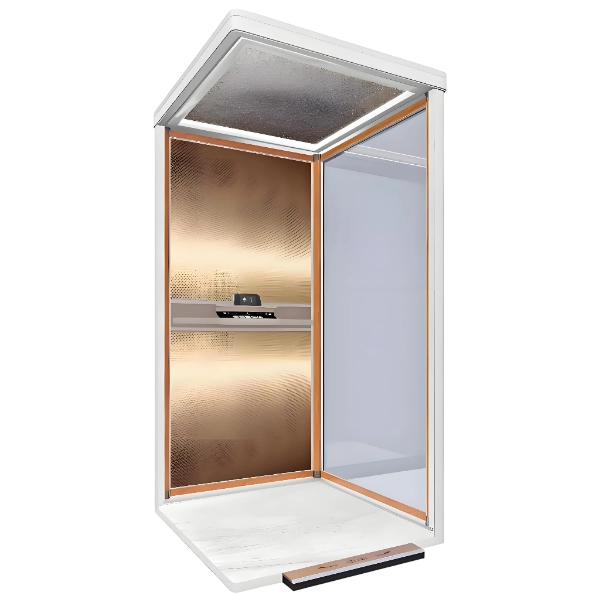
The Model A is a home villa elevator in the Italian minimalist style. It features the most advanced elevator technology and has comprehensive safety protection measures. It is the most reliable guarantee for your passage in villa homes.
Minimalist design high-end and elegant villa home elevator Model-S
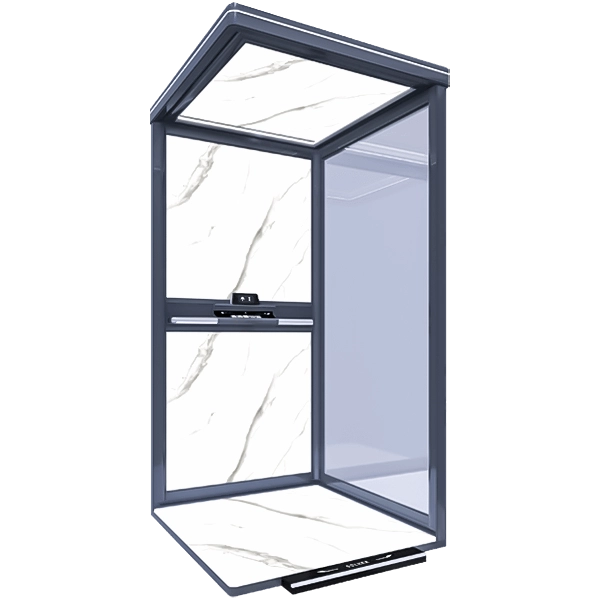
The Model-S is a home villa elevator in the Italian minimalist style. It features the most advanced elevator technology and has comprehensive safety protection measures. It is the most reliable guarantee for your passage in villa homes.
Simple and elegant villa home elevator Model-mini
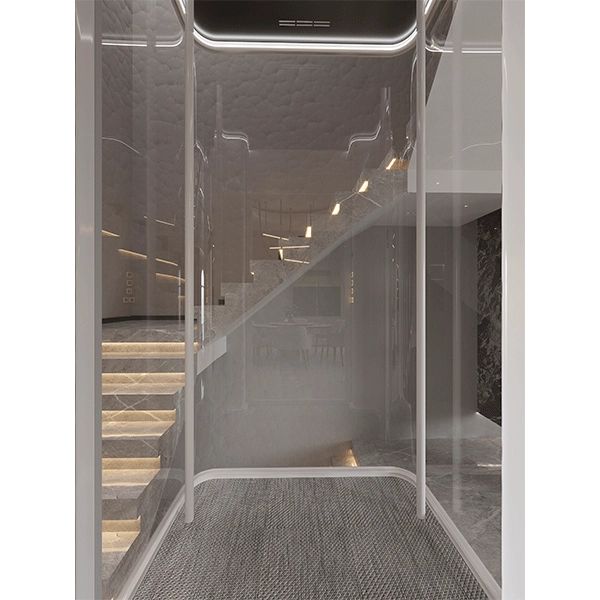
The Model-Mini is a home villa elevator in the Italian minimalist style. It features the most advanced elevator technology and has comprehensive safety protection measures. It is the most reliable guarantee for your passage in villa homes
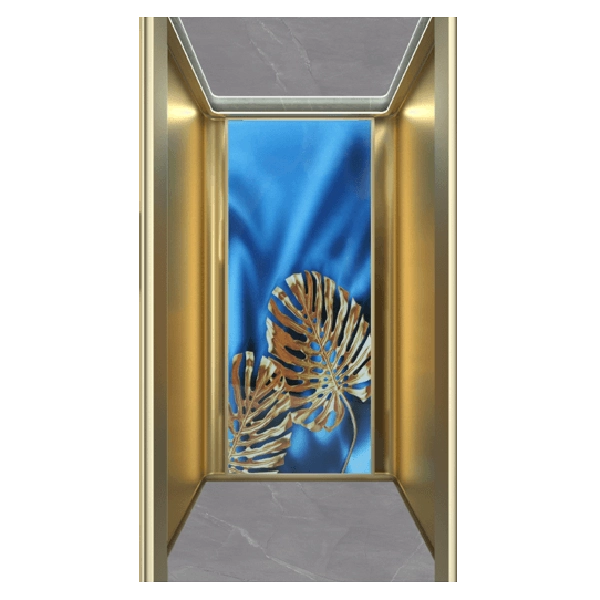
Minimalist design high-end and elegant villa home elevator Model-Q
The Model-Q is a home villa elevator in the Italian minimalist style. It features the most advanced elevator technology and has comprehensive safety protection measures. It is the most reliable guarantee for your passage in villa homes.
Let's get in touch
Email: lin@solkerelevator.com
Tel: +86 133 1668 7566
Address: Floor 1, Building D, Nanxin Industry International, Nancheng District, Dongguan, China.
 Taiwan, China
 No. 21, Lane 38, 206 Yingtai Road, Yingge District, New Taipei City
 +886 0975-299-830
 United Arab Emirates
Capital Mall, Abu Dhabi, United Arab Emirates, 3rd floor, Luxera elevator +971 52 541 4685 Ceo@maharacare.com
 Melbourne, Australia
 19/12 Natalia Av, Oakleigh South, VIC 3167
+61 1300 771 86 sales@goldenhomelifts.com.au
Sydney, Australia
U28/323 Chisholm Road, Auburn, NSW 2144
+61 1300 771 86 sales@goldenhomelifts.com.au
SOLKER
SOLKER