


Safety Features to Look for in Villa Outdoor Home Elevators
- Safety Features to Look for in Villa Outdoor Home Elevators
- Why outdoor home elevator safety matters
- Structural and materials: corrosion resistance and weatherproofing for outdoor home elevator durability
- Mechanical safety systems: emergency brakes, overspeed protection and redundant systems in outdoor home elevator design
- Electrical safety and emergency power for outdoor home elevators
- Door and entrance safety: interlocks, sensor edges and access control for outdoor home elevators
- Safe ride quality: leveling accuracy, soft start/stop, and vibration control in outdoor home elevators
- Environmental protections: temperature, drainage, and freeze-proof design for outdoor home elevators
- Monitoring, alarms and remote diagnostics for proactive outdoor home elevator safety
- Certifications and standards to verify before purchasing an outdoor home elevator
- Standards comparison table
- Maintenance, inspection and lifecycle practices that keep outdoor home elevators safe
- Accessibility, user training and signage for safer outdoor home elevator use
- Why the Simple and elegant villa home elevator Model-mini is a strong safety choice
- How to evaluate vendors and installers for your outdoor home elevator project
- Budgeting for safety: total cost of ownership considerations for an outdoor home elevator
- FAQ — Frequently Asked Questions about outdoor home elevator safety and the Model-Mini
- Q: Is the Model-Mini suitable for all climates?
- Q: What happens if there is a power outage?
- Q: How often should an outdoor home elevator be inspected?
- Q: Are remote monitoring and alarms standard on Model-Mini?
- Q: What certifications should I ask to see?
- Contact and next steps — view the Model-Mini or speak to an expert
- Authoritative references and further reading

Safety Features to Look for in Villa Outdoor Home Elevators
Outdoor home elevators for villas combine convenience, accessibility, and style. But when an elevator is exposed to sun, rain, wind and temperature swings, safety and durability become top priorities. This article breaks down the essential safety features every homeowner and specifier should insist upon when selecting an outdoor home elevator — with practical checks, standards to verify, and how the Simple and elegant villa home elevator Model-mini answers those needs.
Why outdoor home elevator safety matters
Outdoor elevators (often called outdoor home elevators) face environmental stresses that indoor elevators do not: UV exposure, temperature extremes, humidity, insects, and wind-driven rain. These factors can accelerate material degradation and affect electrical systems. A safe outdoor elevator protects passengers, reduces liability for the homeowner, minimizes maintenance costs, and preserves property value. The Model-Mini is a home villa elevator in the Italian minimalist style. It features the most advanced elevator technology and has comprehensive safety protection measures. It is the most reliable guarantee for your passage in villa homes.
Structural and materials: corrosion resistance and weatherproofing for outdoor home elevator durability
Look for corrosion-resistant metals (stainless steel 304/316 for critical components), powder-coated or anodized finishes, and UV-stable glazing and sealants. For outdoor home elevators, a sealed cabin and shaft design prevents water ingress and insect intrusion. Key checks include:
- Corrosion rating of exposed metals (preferred: 316 stainless or marine-grade treatments).
- IP rating for electrical enclosures (IP54 or higher is recommended for external installations).
- Thermal break glazing or insulated panels to reduce condensation inside the cab.
Why it matters: Corrosion or moisture on sensors, brakes, or electronics can cause failures or false alarms. Proper material selection extends service life and reduces hidden safety risks.
Mechanical safety systems: emergency brakes, overspeed protection and redundant systems in outdoor home elevator design
Mechanical safety devices are the last line of defense. An outdoor home elevator should include:
- Primary and secondary braking systems (service brake + mechanical safety brake).
- Speed governor/overspeed detection to engage mechanical brakes on runaway conditions.
- Load sensors to prevent overloading and ensure the elevator operates within design limits.
- Shock-absorbing buffers at the pit or landing zones to reduce impact energy in rare fall scenarios.
These systems should be independently tested and fail-safe by design. Redundancy is crucial; for example, if an electronic controller fails, a mechanical safety brake must still engage.
Electrical safety and emergency power for outdoor home elevators
Power interruptions are more than inconvenient; they can trap passengers. Important electrical safety features for an outdoor home elevator include:
- Uninterruptible power supply (UPS) or battery backup sufficient for emergency lowering and lighting.
- Separate, protected circuit with surge protection and weatherproof switchgear.
- Automatic emergency lowering system that can safely move the cab to the nearest landing during a power loss.
- Ground-fault protection and proper earthing to prevent electrical shocks in wet conditions.
For villa owners who experience grid instability or frequent storms, a UPS plus a manual emergency lowering override provides peace of mind.
Door and entrance safety: interlocks, sensor edges and access control for outdoor home elevators
Doors are a primary hazard when moving between floors. Safety features to verify:
- Interlocked doors that prevent the elevator from moving unless doors are fully closed and latched.
- Presence-sensing edges or light curtains to detect people or obstructions during door movement.
- Weather seals and thresholds to prevent slipping hazards at entrances.
- Secure access control options (key switches, coded entry, or remote lockouts) for second-floor balconies or garden levels to prevent misuse or accidental entry by children.
Modern systems also include pinch-point protections and slow-close functions that reduce impact risk.
Safe ride quality: leveling accuracy, soft start/stop, and vibration control in outdoor home elevators
Safety also includes comfort. Poor leveling, abrupt starts/stops, or excessive vibration can cause trips and falls when entering or exiting. For outdoor home elevators look for:
- Automatic leveling accuracy within +/- 6 mm (typical benchmark) to reduce trip hazards.
- Soft start and soft stop drive profiles to reduce jerk and sudden movements.
- Anti-vibration mounting or tuned suspension for smooth travel despite thermal expansion or wind loads on the shaft.
These features also reduce wear on mechanical components and electronics, improving long-term safety and reducing maintenance frequency.
Environmental protections: temperature, drainage, and freeze-proof design for outdoor home elevators
Outdoor installations must handle water and temperature extremes:
- Proper drainage in pit and roof areas to prevent standing water that can damage components.
- Freeze protection for hydraulics and exposed pipes if installed in cold climates (e.g., heat tracing or drain-back systems).
- Temperature-rated components and lubricants suitable for the operating range expected in your locale.
- UV-resistant interior finishes to avoid embrittlement of plastics and seals over time.
Designs that ignore these factors often show early degradation in sensors, seals, and finishing — a hidden safety hazard when parts fail unexpectedly.
Monitoring, alarms and remote diagnostics for proactive outdoor home elevator safety
Modern outdoor home elevators benefit from connected features that provide early warning of problems:
- Audible and visual emergency alarms inside the cab with clear instructions.
- Two-way telephone or GSM modules to call maintenance or emergency services if someone is trapped.
- Remote diagnostics and health monitoring that report anomalies (door faults, motor current spikes, unusual vibrational signatures) to service teams before failures develop.
- Logging of service events and safety incidents for audit and continuous improvement.
Remote monitoring can shorten downtime and result in safer, better-maintained installations.
Certifications and standards to verify before purchasing an outdoor home elevator
Always verify the elevator meets recognized safety standards. Relevant standards include:
- ASME A17.1/CSA B44 (North America) — covers safety rules for elevators.
- EN 81 series (Europe) — safety rules for the construction and installation of lifts.
- Local building and accessibility codes (which may reference or modify international standards).
Additionally, look for third-party testing, factory inspections, and documented compliance (not just marketing claims). Certifications validate design, manufacturing quality, and testing procedures.
Standards comparison table
| Feature | ASME A17.1/CSA B44 | EN 81 | Villa/outdoor relevance |
|---|---|---|---|
| Door interlocks | Required | Required | Prevents movement with open doors — essential for balconies |
| Overspeed protection | Required | Required | Critical for mechanical safety and redundancy |
| Environmental rating (IP) | Specified for enclosures | Depends on application | High relevance for outdoor installations |
| Emergency communication | Recommended/required | Required | Needed to assist trapped passengers |
Maintenance, inspection and lifecycle practices that keep outdoor home elevators safe
Even the best design needs ongoing care. A maintenance program should include:
- Scheduled inspections by certified technicians (frequency depends on usage but at least biannually).
- Annual full safety audits that include brakes, governor, door interlocks, and structural checks for corrosion.
- Prompt replacement of weather seals, batteries, and rubber components which age faster outdoors.
- Documented maintenance logs and clear instructions for owners on what to inspect between professional visits.
Proactive maintenance reduces the risk of unexpected failures and keeps warranty protections valid.
Accessibility, user training and signage for safer outdoor home elevator use
Safety is also about correct use. Provide clear signage for weight limits, capacity, and emergency procedures. Include a simple user orientation for family members and staff so everyone knows how to operate emergency lowering, alarms and communications. Consider childproofing or access control to prevent unsupervised use by minors.
Why the Simple and elegant villa home elevator Model-mini is a strong safety choice
The Simple and elegant villa home elevator Model-mini is designed for villa environments with a focus on aesthetics and comprehensive safety protections. Key safety-oriented features of Model-Mini include weatherproof materials, redundant braking systems, automatic emergency lowering with battery backup, IP-rated electrical enclosures, and factory testing to recognized standards. The Model-Mini's minimalist Italian styling does not compromise safety — instead it integrates advanced technologies to deliver both elegance and peace of mind for outdoor home elevator installations.
How to evaluate vendors and installers for your outdoor home elevator project
Choosing the right supplier is as important as choosing the product. When evaluating vendors, check the following:
- Documented experience with outdoor installations and references from villa projects.
- Certified installation teams with local licensing and insurance.
- Transparent warranty and service level agreements (SLA), including response time for emergency callouts.
- Availability of spare parts and clear maintenance contracts tailored to outdoor exposure conditions.
A reliable installer should also conduct a site survey to validate anchoring, drainage, electrical supply, and wind/load requirements before quoting.
Budgeting for safety: total cost of ownership considerations for an outdoor home elevator
Initial purchase price is only part of the cost. Include these items in your budget:
- Installation (site prep, foundations, electrical, permits).
- Weatherproofing upgrades and drainage solutions.
- Annual maintenance and periodic component replacements (seal kits, batteries).
- Extended warranty or service contracts for peace of mind.
Often, selecting components and features that reduce long-term corrosion and electrical failure will lower total cost of ownership and improve safety over the elevator’s life.
FAQ — Frequently Asked Questions about outdoor home elevator safety and the Model-Mini
Q: Is the Model-Mini suitable for all climates?
A: Model-Mini is engineered with corrosion-resistant materials, IP-rated enclosures, and temperature-rated components for a wide range of climates. For extreme cold or marine environments, request site-specific options such as heated pits, freeze protection, or marine-grade stainless (316) on exposed fittings.
Q: What happens if there is a power outage?
A: The Model-Mini includes battery backup and an automatic emergency lowering system to safely return the cab to the nearest landing and power emergency lighting and communications.
Q: How often should an outdoor home elevator be inspected?
A: We recommend certified technician inspections at least twice a year for outdoor units, with a full safety audit annually. High-use installations or harsh environments may require more frequent checks.
Q: Are remote monitoring and alarms standard on Model-Mini?
A: Remote monitoring and emergency communication options are available. Many customers opt for remote diagnostics to enable proactive service and faster response to issues.
Q: What certifications should I ask to see?
A: Ask for relevant compliance documentation against regional standards (e.g., ASME A17.1/CSA B44 or EN 81), third-party test reports, and proof of factory inspection. Also request product datasheets showing IP ratings and material specifications.
Contact and next steps — view the Model-Mini or speak to an expert
After ensuring the right safety standards, long-term ownership factors come into focus. Energy efficiency and maintenance of the Model-mini outdoor elevator explains how modern systems reduce operating costs while remaining easy to maintain.If you’re planning an outdoor home elevator for a villa, safety should drive every specification decision. To learn more about the Simple and elegant villa home elevator Model-mini, request a site survey or speak with our technical team for a tailored safety assessment. Contact our sales and support team to schedule an on-site inspection or view a demonstration unit.
Contact us today to request a quote, schedule a demonstration, or speak to a safety engineer about Model-Mini.
Authoritative references and further reading
- ASME A17.1 / CSA B44 Safety Code for Elevators and Escalators — https://www.asme.org
- EN 81 series — Safety rules for the construction and installation of lifts — https://www.cenelec.eu
- Wikipedia — Elevator — https://en.wikipedia.org/wiki/Elevator
- International Building Code (IBC) — https://www.iccsafe.org
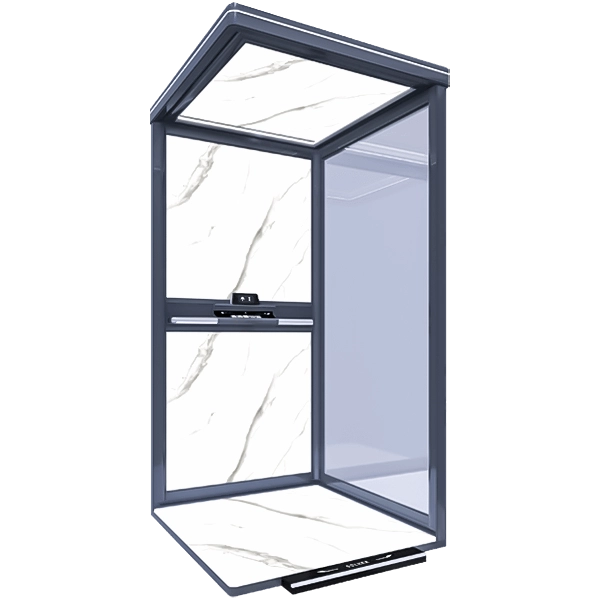
Compliance and Safety Standards for Elevator for Home Installations
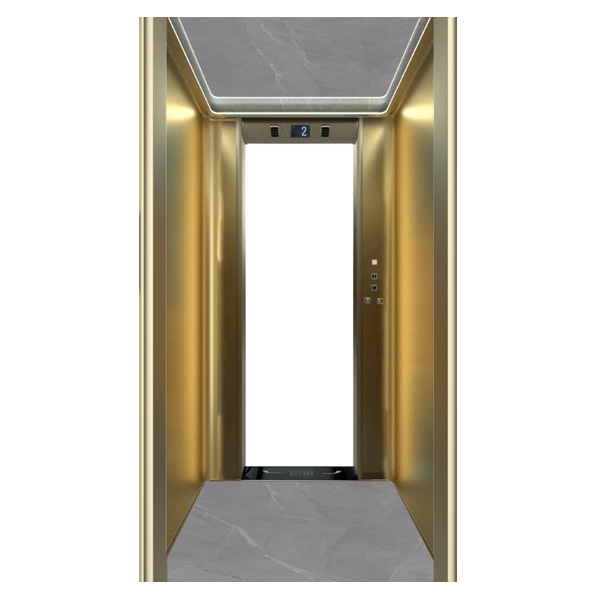
Supplier Selection Checklist for High-End Villa Elevators
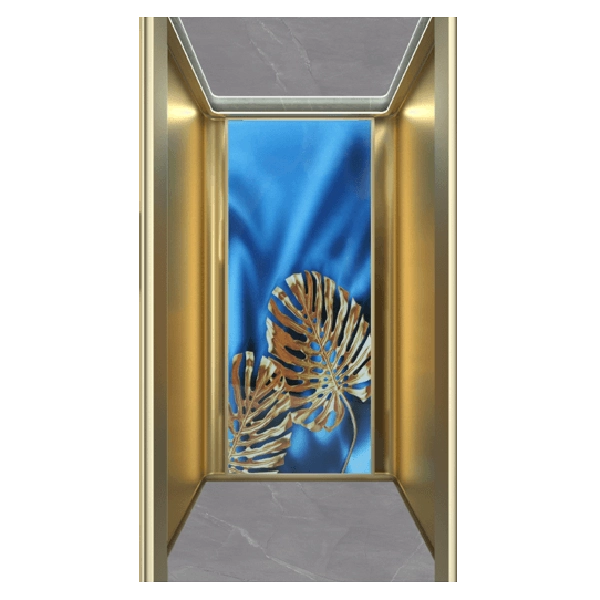
Specifying Model-Q: Technical Requirements for Villa Projects
Eco-Friendly In-Home Elevators 2026: Energy Efficient Models
Product
Can it be customized as required?
Yes.
How long is the production date required?
Under normal circumstances, the production time is 35 to 45 days.
Customize
Can I choose specific materials or colors for the cabin?
Yes. We offer a wide range of premium materials and finishes — from stone to wood to glass.
How long does a custom order take to deliver?
On average, production takes 30–45 days after confirmation, depending on your configuration.
Can the elevator design be matched to my home's architecture?
Absolutely. Our designers tailor each cabin to complement your interior layout and style.
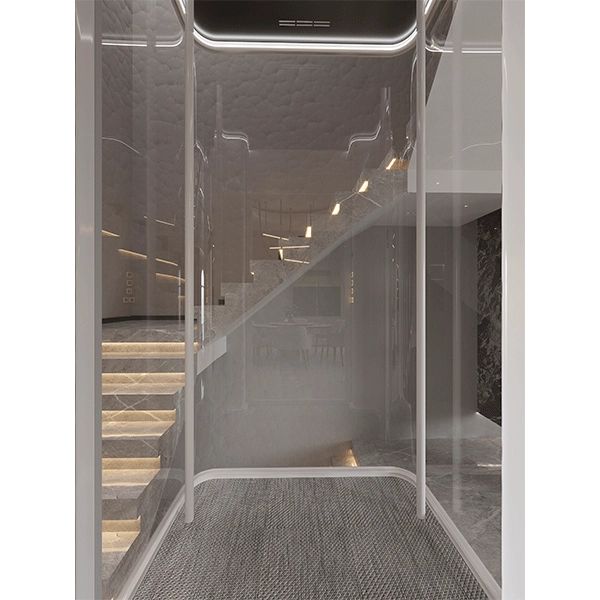
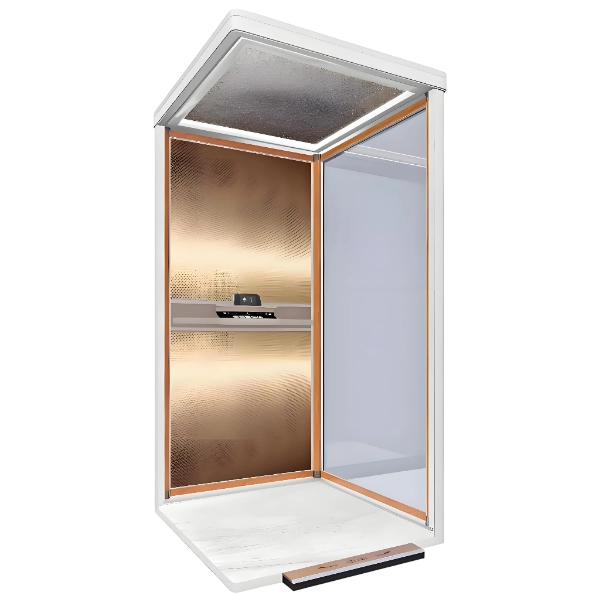
Simple and elegant villa home elevator Model-mini
The Model-Mini is a home villa elevator in the Italian minimalist style. It features the most advanced elevator technology and has comprehensive safety protection measures. It is the most reliable guarantee for your passage in villa homes
Minimalist design high-end and elegant villa home elevator Model-Q
The Model-Q is a home villa elevator in the Italian minimalist style. It features the most advanced elevator technology and has comprehensive safety protection measures. It is the most reliable guarantee for your passage in villa homes.
Minimalist design high-end and elegant villa home elevator Model-S
The Model-S is a home villa elevator in the Italian minimalist style. It features the most advanced elevator technology and has comprehensive safety protection measures. It is the most reliable guarantee for your passage in villa homes.
High-end and elegant villa home elevator Model-A
The Model A is a home villa elevator in the Italian minimalist style. It features the most advanced elevator technology and has comprehensive safety protection measures. It is the most reliable guarantee for your passage in villa homes.
Let's get in touch
Email: lin@solkerelevator.com
Tel: +86 133 1668 7566
Address: Floor 1, Building D, Nanxin Industry International, Nancheng District, Dongguan, China.
 Taiwan, China
 No. 21, Lane 38, 206 Yingtai Road, Yingge District, New Taipei City
 +886 0975-299-830
 United Arab Emirates
Capital Mall, Abu Dhabi, United Arab Emirates, 3rd floor, Luxera elevator +971 52 541 4685 Ceo@maharacare.com
 Melbourne, Australia
 19/12 Natalia Av, Oakleigh South, VIC 3167
+61 1300 771 86 sales@goldenhomelifts.com.au
Sydney, Australia
U28/323 Chisholm Road, Auburn, NSW 2144
+61 1300 771 86 sales@goldenhomelifts.com.au
SOLKER
SOLKER