


Small Home Elevator Safety Features Families Need
- Small Home Elevator Safety Features Families Need
- Why safety matters for a small home elevator in family homes
- Core mechanical safety features every small home elevator should have
- Intelligent door systems and passenger protection for families
- Emergency power, communication and accessibility features
- Redundancy, remote diagnostics and proactive monitoring
- Fire safety and emergency planning for villa homes
- Design choices that reduce everyday risks for families
- Model-S: Minimalist design high-end and elegant villa home elevator — safety features in focus
- Comparison: Model-S vs Typical small home elevator
- Maintenance, inspection and certification families should insist on
- Installation best practices for villa homes
- Brand advantages — why Model-S stands out for families
- Frequently Asked Questions (FAQ)
- Q: Are small home elevators safe for children?
- Q: What happens during a power outage?
- Q: How often should a home elevator be serviced?
- Q: Can I install Model-S in an existing villa without major structural changes?
- Q: What weight capacity should I choose for a family elevator?
- Q: How do I verify the elevator meets safety codes?
- Contact us / View Model-S
- References and sources
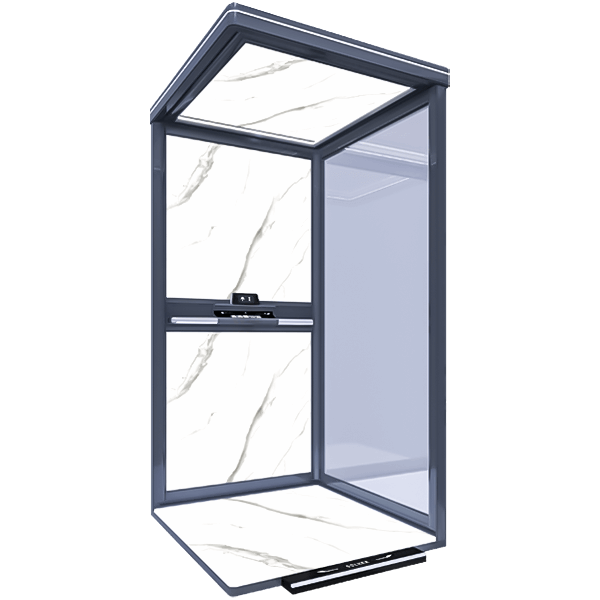
Small Home Elevator Safety Features Families Need
Why safety matters for a small home elevator in family homes
For families considering a small home elevator, safety is the primary concern. Home elevators are increasingly chosen to improve accessibility for multigenerational households, reduce fall risks on stairs, and add convenience in villa homes. However, installing an elevator introduces mechanical and operational risks if features, installation, and maintenance are not correct. Understanding which safety features matter — from mechanical brakes to childproof controls and emergency communications — helps families choose a reliable solution that protects children, older adults, pets, and everyday users.
Core mechanical safety features every small home elevator should have
A safe small home elevator relies first on proven mechanical protections. Key items to prioritize include:
- Overspeed governor and emergency braking: Prevents the car from free-falling and brings it to a controlled stop if speed limits are exceeded.
- Redundant braking systems: Primary and secondary brakes ensure stopping capability even if one system fails.
- Door interlocks and safety edges: Prevents the elevator from moving unless doors are fully closed and uses sensors to stop or reverse when obstruction is detected.
- Buffers and shock absorbers: Energy-absorbing devices at pit and head to protect passengers from impact in exceptional events.
- Load sensing / overload protection: Prevents operation if passenger/weight limits are exceeded and prompts safe action.
These mechanical features form the baseline of safe operation and are commonly required or recommended by recognized safety standards for elevators.
Intelligent door systems and passenger protection for families
Doors are where most everyday risks occur — entrapment, pinching, or accidental movement when someone or a pet is nearby. Modern small home elevators should include:
- Presence detection (photocells or infrared) to detect people, children or pets in the doorway and prevent doors from closing.
- Soft-start / soft-stop door operation to reduce sudden movements and pinch risks.
- Anti-pinch edges that reverse door motion on contact with a soft surface.
- Child-lock or keyed controls so young children cannot operate the elevator unsupervised.
Emergency power, communication and accessibility features
An elevator that becomes inoperative during a power outage or fails during use can be frightening and dangerous for families. Essential features include:
- Battery backup / emergency lowering that allows the car to return to the nearest landing or safely lower to the ground during a power failure.
- Hardwired emergency intercom or dedicated phone that connects to a monitored service or the homeowner so trapped passengers can call for help.
- Interior emergency lighting to avoid panic if cabin lighting fails.
- Accessible controls — low-mounted, tactile/braille buttons and audible floor announcements for passengers with vision or mobility limitations.
Redundancy, remote diagnostics and proactive monitoring
Beyond the physical protections, intelligent control systems can significantly improve safety and reduce downtime:
- Redundant control electronics reduce single-point failure risk.
- Remote diagnostics and alerting allow service teams to be notified of faults before they escalate.
- Data logging — records operational anomalies, door cycles and emergency events to guide maintenance.
These features help ensure families won’t be left without assistance and that small faults are addressed quickly.
Fire safety and emergency planning for villa homes
While building-level fire safety is governed by local codes, small home elevators for villa properties should follow best practices around fire situations:
- Fire recall and shutdown modes to prevent elevator use during a building fire (when applicable by code).
- Clear signage and instruction so residents know to avoid elevators during a fire and how to use the elevator safely in other emergencies.
- Smoke detection integration so elevator controls can respond appropriately to a detected fire or smoke.
Design choices that reduce everyday risks for families
Design decisions influence both safety and user experience. For family-centric installations consider:
- Transparent but safe cabin walls (toughened safety glass) to avoid a feeling of confinement while meeting impact standards.
- Non-slip flooring and rounded handrails to reduce slip-and-fall risk.
- Low thresholds and wide doors to accommodate strollers, wheelchairs and easier loading.
Model-S: Minimalist design high-end and elegant villa home elevator — safety features in focus
The Minimalist design high-end and elegant villa home elevator Model-S is an Italian minimalist-style home villa elevator that pairs refined aesthetics with engineered safety. The Model-S combines advanced elevator technologies and comprehensive safety protection measures—making it a reliable guarantee for family passage in villa homes.
Key Model-S safety features include:
- Dual braking systems and overspeed governor for redundant stopping power.
- Advanced door sensors and anti-pinch edges with multi-zone detection to protect children and pets.
- Battery-backed emergency lowering and automatic lighting for power failures.
- Integrated emergency intercom linked to the homeowner or a monitored service.
- Overload sensing and clear cabin capacity indicators to prevent unsafe loading.
- Remote monitoring and diagnostic capability for proactive service and faster fault resolution.
- Fire mode compatibility and smoke-detection interface where required by local code.
- Child-lock and programmable user access to restrict unsupervised use.
These functions are packaged in an elegant, low-profile cabin that fits villa interiors while meeting modern safety expectations.
Comparison: Model-S vs Typical small home elevator
The table below compares select safety and convenience features. This helps families evaluate what to require when shopping.
| Feature | Model-S (Minimalist villa elevator) | Typical small home elevator |
|---|---|---|
| Dual braking & overspeed protection | Standard – redundant systems installed | Often single system; redundancy varies by model |
| Door sensors & anti-pinch | Multi-zone photocells + anti-pinch edges | Basic photocell; anti-pinch may be optional |
| Battery backup / emergency lowering | Integrated battery backup included | Optional or limited-duration backup |
| Emergency communication | Hardwired intercom + remote alerting | Push-button alarm only (may require phone) |
| Remote diagnostics | Standard remote monitoring and alerts | Typically not included |
| Child-lock / access control | Programmable child-lock standard | Usually optional or absent |
| Certification & code compliance | Designed to meet regional ASME/EN standards | Compliance varies; check model certification |
Notes: The typical column reflects entry-level small home elevators on the market; High Quality villa models usually include more redundancy and smarter safety. Feature availability varies by region and manufacturer.
Maintenance, inspection and certification families should insist on
Safety does not stop at purchase. Regular maintenance and certified inspections are necessary to maintain safe operation:
- Scheduled maintenance: Follow manufacturer recommendations (often quarterly or semi-annual checks for home elevators with routine lubrication, functional testing of brakes, doors, and safety systems).
- Annual safety inspection: A licensed inspector should certify compliance with local codes and national standards like ASME A17.1 / CSA B44 or EN 81 (as applicable).
- Service contract: Choose a qualified service partner experienced with villa or residential elevators and able to provide timely emergency response.
Installation best practices for villa homes
Correct installation protects both structure and users. Homeowners should verify these points before work begins:
- Site survey and structural assessment to ensure floor loads, pit and headroom requirements are met.
- Use of certified installers who follow manufacturer instructions and local code requirements.
- Clear emergency access and adherence to ventilation and electrical requirements for enclosed elevator shafts or hoistways.
- Integration with home safety systems — wiring for fire alarms, power backup, and remote monitoring when required.
Brand advantages — why Model-S stands out for families
When evaluating villa elevators, families want a blend of aesthetics, comfort and uncompromised safety. The Model-S delivers on these priorities:
- Italian minimalist design — elegant finishes and a slim footprint that complement upscale villa interiors without sacrificing safety features.
- High-end engineering — redundant safety systems, remote diagnostics and integrated emergency features are standard, not optional.
- Family-focused controls — child-lock, overload alerts, low-mounted controls and clear visual/audible cues reduce everyday risk.
- Comprehensive after-sales support — recommended maintenance plans and rapid-response service to keep the elevator safe and dependable.
- Code-aware configuration — Model-S can be configured to meet local ASME or EN requirements and be tailored for regional compliance.
These brand advantages create a reliable, attractive solution for families who want both form and function in a residential elevator.
Frequently Asked Questions (FAQ)
Q: Are small home elevators safe for children?
A: Yes, when the elevator is equipped with the correct safety features: reliable door sensors, anti-pinch edges, child-lock controls, audible/visual approach alerts, and regular maintenance. Supervision is recommended for young children.
Q: What happens during a power outage?
A: A properly equipped elevator like the Model-S includes battery backup and emergency lowering to move the car to the nearest landing or safely lower it. It also provides interior emergency lighting and a working intercom to call for assistance.
Q: How often should a home elevator be serviced?
A: Regular service intervals depend on usage and manufacturer guidance. Typically, residential elevators receive service every 6–12 months, with an annual safety inspection by a licensed inspector.
Q: Can I install Model-S in an existing villa without major structural changes?
A: Many installations can be completed with minimal structural impact, especially with shaftless or through-floor configurations. A site survey determines pit and headroom needs, and custom adaptations are often possible to fit the existing architecture.
Q: What weight capacity should I choose for a family elevator?
A: Standard small home elevators typically support 300–500 kg (660–1100 lbs). For families who need wheelchair access or frequent transport of strollers and luggage, select a capacity on the higher end of that range. Model-S can be specified to meet typical villa needs — consult product specs for the exact capacity options.
Q: How do I verify the elevator meets safety codes?
A: Ask for documentation showing compliance with regional standards (e.g., ASME A17.1 / CSA B44 for North America, EN 81 series for Europe). Confirm that the installer is certified and that the unit will receive official inspection and certification upon completion.
Contact us / View Model-S
In addition to safety, energy efficiency is a major consideration. Learn about the energy efficiency of villa home elevators in our article, where we discuss what you can expect in terms of long-term savings, environmentally friendly operation, and low energy consumption.If you want a safe, elegant small home elevator for your villa, request a consultation and site survey for the Minimalist design high-end and elegant villa home elevator Model-S. Our team will review safety features, code compliance options, and provide a tailored proposal.
Contact our sales team: sales@villa-elevator.example or call +1-800-EXAMPLE (availability varies by region). Visit the Model-S product page to view specifications and finish options.
References and sources
- ASME International — Elevator and Escalator Safety Standards (ASME A17.1). Source: https://www.asme.org/codes-standards
- European Committee for Standardization — EN 81 series for safety rules for the construction and installation of lifts. Source: https://standards.cen.eu
- U.S. Consumer Product Safety Commission (CPSC) — Consumer safety guidance and product recall information. Source: https://www.cpsc.gov
- Centers for Disease Control and Prevention (CDC) — Older adult falls: data and prevention recommendations. Source: https://www.cdc.gov/falls
- Elevator World — Industry articles on residential elevator technology and safety trends. Source: https://www.elevatorworld.com
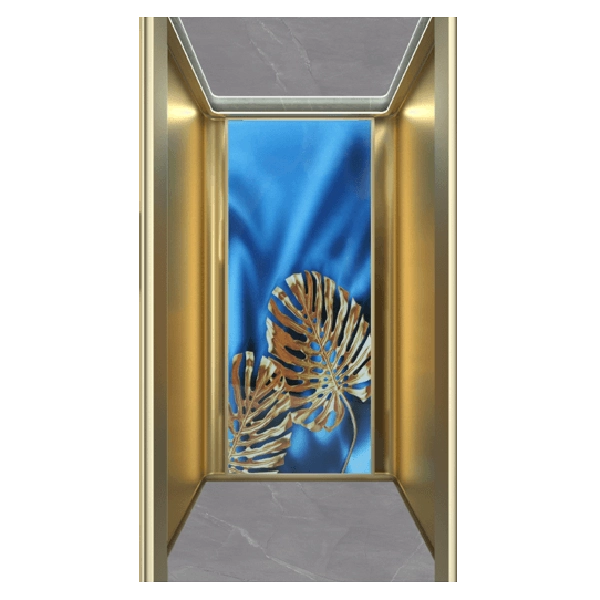
Space-Saving Design: Small Home Elevator for Tight Layouts
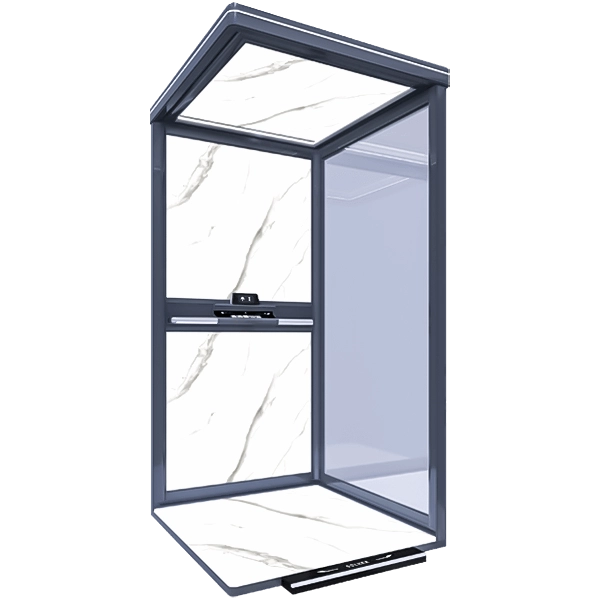
Top 10 design trends for outdoor home elevator installations
Permits and Regulations for In-Home Elevators 2026: Guide
Where to Buy lift for villa in Saudi Arabia
Customize
How does the customization process work?
Our design team will guide you through the steps: style selection, material choice, and 3D visualization before confirmation.
Can I customize the elevator to match my home style?
Absolutely. We offer multiple cabin styles, materials, and finishes to suit modern, classic, or minimalist interiors.
How long does a custom order take to deliver?
On average, production takes 30–45 days after confirmation, depending on your configuration.
Can I choose specific materials or colors for the cabin?
Yes. We offer a wide range of premium materials and finishes — from stone to wood to glass.
Can the elevator design be matched to my home's architecture?
Absolutely. Our designers tailor each cabin to complement your interior layout and style.
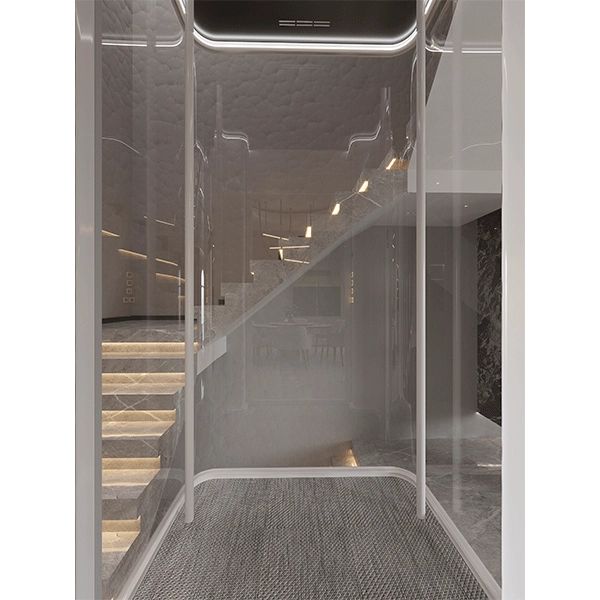
Simple and elegant villa home elevator Model-mini
The Model-Mini is a home villa elevator in the Italian minimalist style. It features the most advanced elevator technology and has comprehensive safety protection measures. It is the most reliable guarantee for your passage in villa homes
Minimalist design high-end and elegant villa home elevator Model-Q
The Model-Q is a home villa elevator in the Italian minimalist style. It features the most advanced elevator technology and has comprehensive safety protection measures. It is the most reliable guarantee for your passage in villa homes.
Minimalist design high-end and elegant villa home elevator Model-S
The Model-S is a home villa elevator in the Italian minimalist style. It features the most advanced elevator technology and has comprehensive safety protection measures. It is the most reliable guarantee for your passage in villa homes.
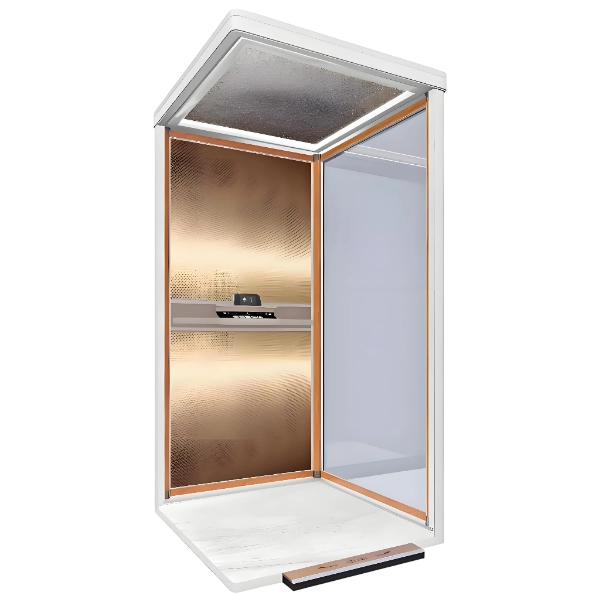
High-end and elegant villa home elevator Model-A
The Model A is a home villa elevator in the Italian minimalist style. It features the most advanced elevator technology and has comprehensive safety protection measures. It is the most reliable guarantee for your passage in villa homes.
Let's get in touch
Email: lin@solkerelevator.com
Tel: +86 133 1668 7566
Address: Floor 1, Building D, Nanxin Industry International, Nancheng District, Dongguan, China.
 Taiwan, China
 No. 21, Lane 38, 206 Yingtai Road, Yingge District, New Taipei City
 +886 0975-299-830
 United Arab Emirates
Capital Mall, Abu Dhabi, United Arab Emirates, 3rd floor, Luxera elevator +971 52 541 4685 Ceo@maharacare.com
 Melbourne, Australia
 19/12 Natalia Av, Oakleigh South, VIC 3167
+61 1300 771 86 sales@goldenhomelifts.com.au
Sydney, Australia
U28/323 Chisholm Road, Auburn, NSW 2144
+61 1300 771 86 sales@goldenhomelifts.com.au
SOLKER
SOLKER