


Home Elevator Drive Systems & Pricing: The Complete 2026 Guide
- What Are Home Elevator Drive Systems?
- Key Takeaways: 2026 Home Elevator Trends
- The 5 Main Types of Residential Drive Systems
- 1. Hydraulic Drive Systems
- 2. Winding Drum & Cable Drives
- 3. Inline Gear / Chain Drives
- 4. Gearless Traction Systems
- 5. Pneumatic Vacuum Elevators
- 2026 Pricing Guide & Total Cost of Ownership
- Data Comparison: Drive System Pricing & Maintenance
- Expert Tips & Common Mistakes When Choosing a Drive
- Why High-End Villas Choose SOLKER Elevator Technology
- The SOLKER Advantage: Safety, Elegance, and Innovation
- Conclusion
- FAQs About Home Elevator Drive Systems
- Which home elevator drive system is the quietest?
- How much space is required for a hydraulic home elevator?
- What is a machine roomless (MRL) elevator?
- How much does a home elevator cost to maintain annually?
- Are pneumatic vacuum elevators safe during a power outage?
- How long does a residential elevator drive system last?
- Can I retrofit a luxury villa elevator into an existing home?
- What is the difference between a winding drum and a traction elevator?
When designing a custom luxury residence or planning a high-end retrofit, the architectural focus often naturally gravitates toward aesthetics—glass cabs, custom wood veneers, and modern lighting. However, the true heartbeat of any vertical mobility solution lies hidden behind the walls. Understanding Home Elevator Drive Systems is the single most critical step in ensuring your investment is safe, quiet, and seamlessly integrated into your home's blueprint.
In 2026, residential elevator technology has evolved far beyond the clunky, noisy machines of the past. Today's market offers whisper-quiet, energy-efficient, and space-saving mechanisms that cater specifically to the demands of luxury living. Whether you are an architect drafting a multi-story villa or a homeowner future-proofing your property for aging in place, selecting the appropriate drive system will dictate your project's total cost, spatial footprint, and long-term maintenance requirements.
This comprehensive guide will break down the mechanics, pricing, and expert strategies for choosing the perfect elevator drive system for your home.
What Are Home Elevator Drive Systems?
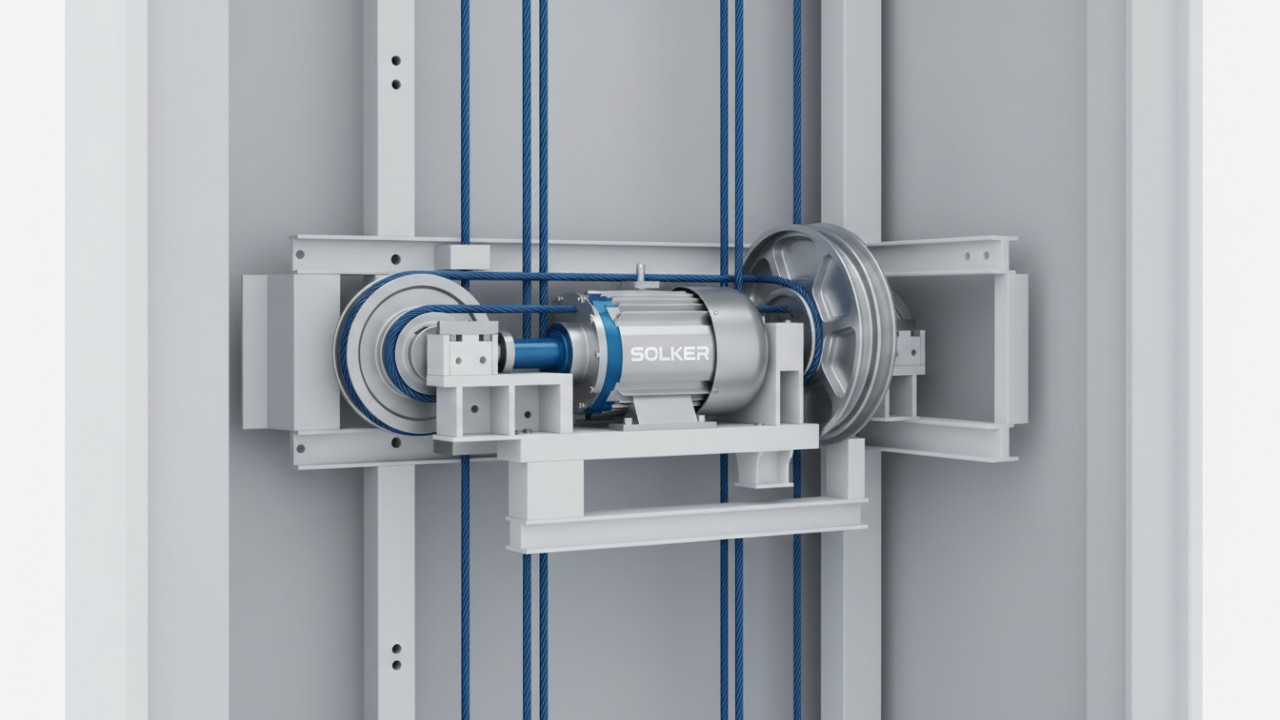
A home elevator drive system is the core mechanical lifting mechanism responsible for safely moving the elevator cab between floors. Comprising motors, cables, hydraulics, or pneumatic turbines, it dictates the elevator's speed, weight capacity, noise level, and spatial footprint within your home.
At its most basic level, the drive system is the engine of your elevator. Without a properly specified drive, even the most beautiful elevator cab will suffer from jerky movements, excessive operational noise, or frequent breakdowns. The architectural implications of your chosen drive system are immense. Some systems require a deep concrete pit excavated below the lowest floor, while others require significant overhead clearance or a dedicated, climate-controlled machine room to house heavy pumps and controllers.
Choosing the right drive system is critical for optimizing home architecture, ensuring passenger safety, and minimizing long-term maintenance costs. As residential building codes become stricter and homeowners demand smarter, eco-friendly technologies, understanding these mechanical foundations ensures you avoid costly redesigns during the construction phase.
Key Takeaways: 2026 Home Elevator Trends
In 2026, Machine roomless (MRL) elevators dominate residential designs by saving valuable square footage. Energy efficiency has become a primary factor, with gearless traction systems leading the market. Initial costs vary widely, and luxury villa integration demands silent operation and seamless aesthetic concealment.
- The Rise of MRL Technology: Traditional elevators required a separate 3x4 foot room to house the motor and controller. In 2026, MRL technology integrates these components directly into the hoistway, freeing up premium real estate inside the home.
- Eco-Friendly Innovations: Modern homeowners are prioritizing green building standards. Gearless traction systems, which use counterweights and highly efficient motors, draw significantly less electricity than older models.
- Financial Investment: Initial costs range broadly from $20,000 to over $50,000. This variance depends entirely on the chosen drive technology and the level of bespoke custom finishes applied to the cab and landing doors.
- Aesthetic Integration: Luxury villa architecture demands that mechanical elements remain invisible. The latest drive systems offer silent operation and can be perfectly concealed behind custom cabinetry or integrated into open-concept glass shafts.
The 5 Main Types of Residential Drive Systems
The five primary residential elevator lifting mechanisms include hydraulic, winding drum, inline gear, gearless traction, and pneumatic vacuum systems. Each mechanism offers distinct advantages regarding space requirements, operational noise, and energy consumption, making it critical to match the system to your specific architectural layout.
1. Hydraulic Drive Systems
Hydraulic elevators operate using a heavy-duty piston and pressurized hydraulic fluid. An electric pump pushes fluid into a cylinder, extending the piston and lifting the cab. To descend, a valve simply opens, allowing gravity to gently lower the cab while the fluid returns to the reservoir.
- Pros: Known for exceptionally smooth rides and high weight capacities (often easily handling 1,000+ lbs). The descent uses almost zero electricity.
- Cons: Requires a dedicated machine room for the fluid tank and pump, as well as a pit at the bottom of the shaft.
2. Winding Drum & Cable Drives
This is one of the most traditional drive systems. It utilizes heavy-duty steel cables that wind around a rotating drum powered by an electric motor. As the drum turns, it spools the cable tightly to lift the elevator car.
- Pros: Generally more cost-effective upfront and does not require a machine room or a deep pit.
- Cons: The motor works harder because there is no counterweight, leading to higher energy consumption. It can also be slightly noisier than hydraulic or traction alternatives.
3. Inline Gear / Chain Drives
Operating via an electric motor attached to a drive shaft and a heavy-duty chain, this system uses a counterweight to balance the elevator cab.
- Pros: Excellent for homes without the space for a machine room. It requires minimal overhead clearance and a very shallow pit.
- Cons: Chain drives require regular lubrication and tension adjustments to maintain a smooth, quiet ride over decades of use.
4. Gearless Traction Systems
Representing the pinnacle of modern elevator engineering, gearless traction systems utilize flat steel belts or woven ropes positioned over a sheave (pulley). A counterweight perfectly balances the cab, meaning the motor only expends energy to move the difference in weight.
- Pros: Highly energy-efficient, whisper-quiet, and ideal for continuous, heavy use. They are the standard for high-end MRL applications.
- Cons: Higher initial installation cost compared to winding drum systems.
5. Pneumatic Vacuum Elevators
These futuristic elevators use air pressure differentials within a sleek, transparent polycarbonate tube. A turbine at the top creates a vacuum, and atmospheric pressure beneath the cab pushes it upward.
- Pros: Visually striking, offering 360-degree views. They require absolutely no pit or machine room, making them perfect for retrofits.
- Cons: When evaluating a pneumatic vs hydraulic home elevator, pneumatic systems are generally limited in weight capacity (often maxing out around 450-500 lbs) and can produce a noticeable "vacuum" sound during operation.
2026 Pricing Guide & Total Cost of Ownership
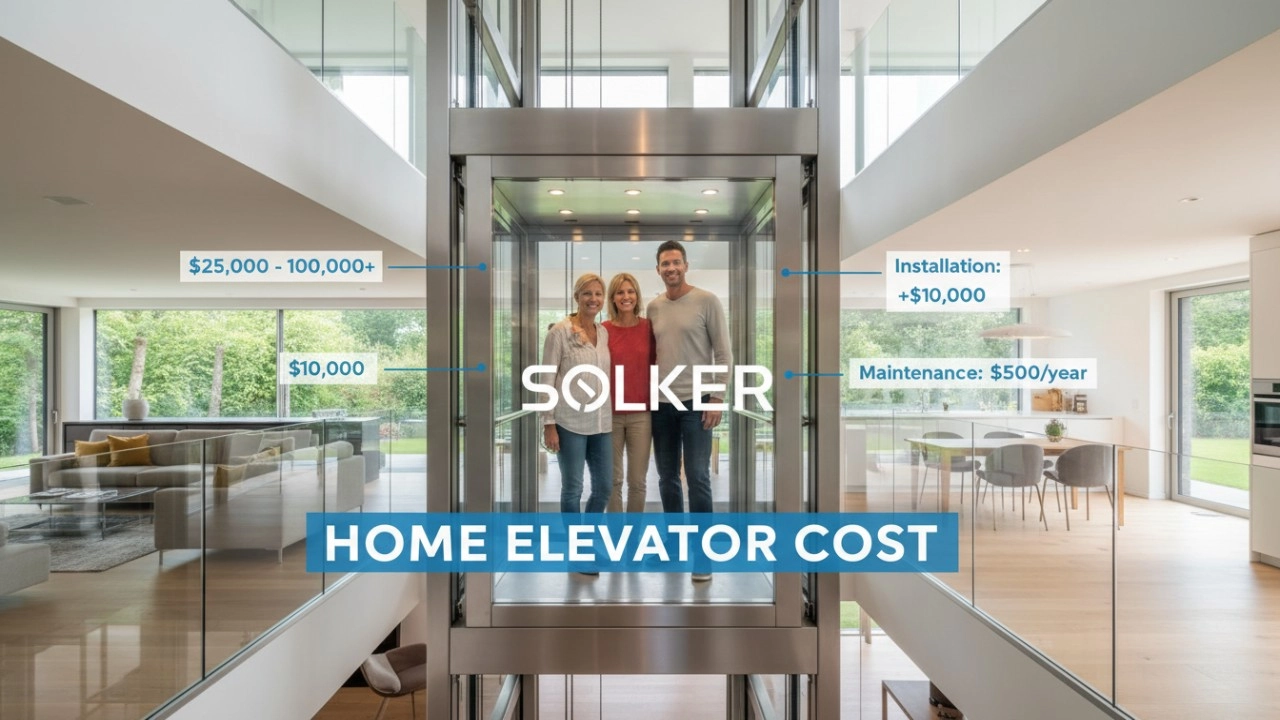
The complete home elevator cost breakdown 2026 includes initial installation, energy consumption, and annual maintenance fees. Upfront prices range from $20,000 to over $50,000, while homeowners must also budget $300 to $1,000 annually for routine safety inspections, fluid replacements, and cable tensioning.
Understanding the Total Cost of Ownership (TCO) is vital. While a winding drum system might save you money on day one, a gearless traction system will cost significantly less in electricity over a 20-year lifespan.
Data Comparison: Drive System Pricing & Maintenance
| Drive System | Average Initial Cost (2026) | Annual Maintenance | Best Application |
|---|---|---|---|
| Hydraulic | $20,000 - $30,000 | $500 - $1,000 | Heavy loads, smooth rides, new builds |
| Winding Drum | $20,000 - $25,000 | $300 - $600 | Budget-friendly retrofits |
| Inline Gear | $25,000 - $35,000 | $400 - $700 | Space-saving installations |
| Gearless Traction | $25,000 - $40,000 | $300 - $500 | Eco-friendly, frequent use, luxury villas |
| Pneumatic | $35,000 - $50,000+ | $300 - $500 | Visually striking, structural retrofits |
Beyond the mechanical costs, installing an elevator is a proven financial asset. According to recent market data from the National Association of Realtors, installing a high-end luxury elevator can increase property value by up to 10% to 25% in competitive housing markets, effectively offsetting the initial installation cost.
For a deeper dive into the financial benefits and comprehensive installation budgeting, read our Home Elevator Cost Guide: Pricing, ROI & Installation for Luxury Villas (2026).
Expert Tips & Common Mistakes When Choosing a Drive

Selecting the wrong drive system can lead to unexpected architectural costs and noise issues. Always verify overhead clearance, pit depth requirements, and local building codes early in the blueprint phase to ensure a seamless, compliant installation that protects your long-term investment.
Mistake 1: Overlooking Spatial Requirements Early On One of the most expensive mistakes a homeowner can make is failing to account for pit depth and overhead clearance during the architectural framing phase. If you select a hydraulic system but your contractor pours a standard foundation without a 12-inch pit, retrofitting the concrete will cost thousands of dollars.
Mistake 2: Ignoring Operational Noise If your elevator hoistway shares a wall with a master bedroom or a quiet study, installing a noisy mechanical pump nearby is a critical error. In these scenarios, a gearless traction system or a remote-located hydraulic pump is essential.
Expert Tip 1: Prioritize Code Compliance Always ensure your chosen drive system is fully compliant with the ASME A17.1 Safety Code, which governs critical residential safety standards. This includes the strict "3/4-inch by 4-inch rule" that limits the gap between the landing door and the elevator cab gate to prevent child entrapment.
Expert Tip 2: Demand Customization Prioritize manufacturers that offer deep customization. The mechanical elements of your drive system should be entirely hidden, allowing the elevator to blend into your home's decor rather than looking like a commercial utility lift.
Why High-End Villas Choose SOLKER Elevator Technology
High-end villas require vertical transportation that blends cutting-edge engineering with bespoke aesthetics. SOLKER Elevator specializes in luxury villa elevator technology, providing ultra-quiet, space-saving drive systems with private customization services that perfectly match your home decoration style without compromising architectural integrity.
With over two decades of dedicated industry experience, Dongguan SOLKER Elevator Technology Co., Ltd. has established itself as a premier high-end villa elevator brand. We understand that luxury homeowners do not want off-the-shelf products. They require vertical mobility solutions that serve as an extension of their home's unique architectural voice.
SOLKER's advanced research and development team ensures that our drive systems are meticulously engineered for whisper-quiet operation and minimal spatial footprints. Whether you require a sleek MRL traction system for a modern glass-walled mansion or a robust hydraulic lift for a traditional multi-story estate, SOLKER provides tailored solutions. From the initial design consultation to manufacturing, sales, and long-term maintenance, we offer a white-glove service that has won the trust and affection of users worldwide.
The SOLKER Advantage: Safety, Elegance, and Innovation
SOLKER's vision is to become the world's top villa elevator manufacturer by prioritizing proprietary safety features, premium manufacturing standards, and tailored luxury designs. Our advanced braking systems and emergency descent protocols guarantee peace of mind, turning a functional lift into an architectural centerpiece.
Safety is non-negotiable in residential elevator design. SOLKER integrates proprietary safety features into every drive system, including advanced overspeed governors, instantaneous safety brakes, and automatic emergency descent protocols that safely return the cab to the lowest floor during a power outage.
Beyond safety, SOLKER's commitment to elegance means offering unparalleled private customization. From panoramic glass cabs and brushed brass fixtures to custom wood paneling that matches your home's trim, we turn a mechanical necessity into a stunning visual asset.
Conclusion
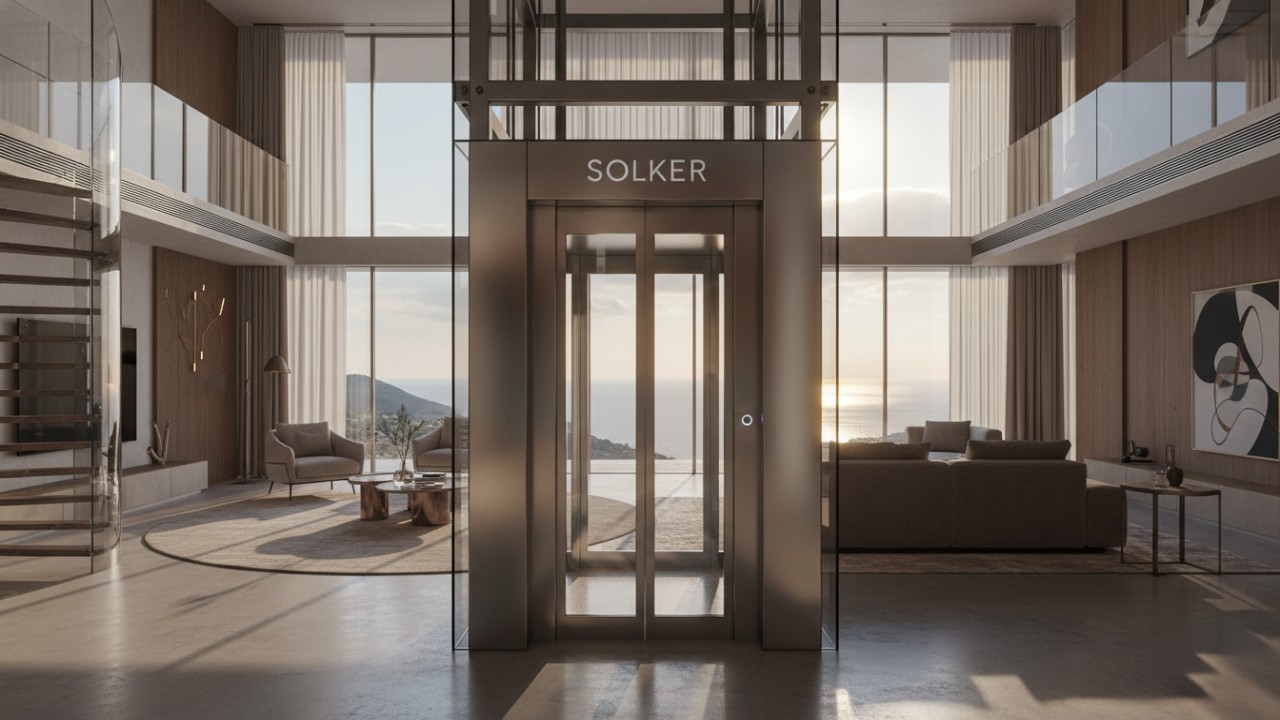
Understanding the mechanical differences between hydraulic, traction, pneumatic, and winding drum systems is crucial for finding the perfect balance of price, space, and performance in 2026. Investing in the right technology ensures a safe, elegant, and long-lasting mobility solution tailored to your luxury residence.
Whether you are building a new custom home or retrofitting an existing property to enable aging in place, the drive system you select will serve as the foundation of your elevator's performance for decades to come. By prioritizing energy efficiency, spatial optimization, and rigorous safety standards, you can secure a high return on investment and unparalleled daily convenience.
Contact us today to optimize your Home Elevator Drive Systems strategy.
FAQs About Home Elevator Drive Systems
Which home elevator drive system is the quietest?
Gearless traction systems and high-end hydraulic systems are generally the quietest options on the market. They utilize smooth belts or submerged fluid pumps to minimize mechanical noise, making them ideal for residential environments where acoustic comfort is a priority.
How much space is required for a hydraulic home elevator?
Traditional hydraulic elevators typically require a pit depth of about 8 to 12 inches. They also need a dedicated machine room, usually located on the lowest floor, measuring roughly 3x4 feet, though some modern MRL systems minimize this footprint.
What is a machine roomless (MRL) elevator?
An MRL elevator is a system where the drive mechanism is housed entirely within the elevator shaft (hoistway). This eliminates the need for a separate machine room, saving valuable square footage in your home and simplifying the architectural layout.
How much does a home elevator cost to maintain annually?
Homeowners should budget between $300 and $1,000 per year for routine elevator maintenance. Costs vary based on the drive type; hydraulic systems may need fluid checks, while cable systems require tension and wear inspections to ensure long-term safety.
Are pneumatic vacuum elevators safe during a power outage?
Yes, pneumatic elevators are designed with critical safety features for power failures. In the event of an outage, gravity and controlled air pressure allow the cab to safely and slowly descend to the lowest level, preventing passengers from becoming trapped.
How long does a residential elevator drive system last?
With proper annual maintenance, a high-quality residential elevator drive system can last 20 to 30 years. Certain components like cables, belts, or hydraulic seals may need replacement every 5 to 10 years depending on usage frequency and environmental factors.
Can I retrofit a luxury villa elevator into an existing home?
Absolutely. Drive systems like pneumatic vacuum tubes, inline gear, and shaftless elevators are specifically designed to be retrofitted. Manufacturers like SOLKER specialize in custom integration to match existing home decor with minimal structural disruption.
What is the difference between a winding drum and a traction elevator?
A winding drum system spools a cable tightly around a rotating drum to lift the cab, which is cost-effective but uses more energy. A traction elevator uses a counterweight system over a pulley (sheave), requiring significantly less motor power and providing a smoother, quieter ride.

![How an Elevator for Home Can Increase Your Property Value by 10% [2026 Case Study] - SOLKER](https://static.gooecloud.com/upload/img/GY076088693142/how-an-elevator-for-home-can-increase-your-property-value-by-10-2026-case-study.png?x-oss-process=image/format,webp/quality,Q_100 "How-an-Elevator-for-Home-Can-Increase-Your-Property-Value-by-10%-[2026-Case-Study] - SOLKER")
Customize
How does the customization process work?
Our design team will guide you through the steps: style selection, material choice, and 3D visualization before confirmation.
Can I customize the elevator to match my home style?
Absolutely. We offer multiple cabin styles, materials, and finishes to suit modern, classic, or minimalist interiors.
What parts of the elevator can be customized?
You can personalize wall panels, flooring, lighting, control panels, handrails, and door finishes.
Can I choose specific materials or colors for the cabin?
Yes. We offer a wide range of premium materials and finishes — from stone to wood to glass.
Product
Can it be customized as required?
Yes.
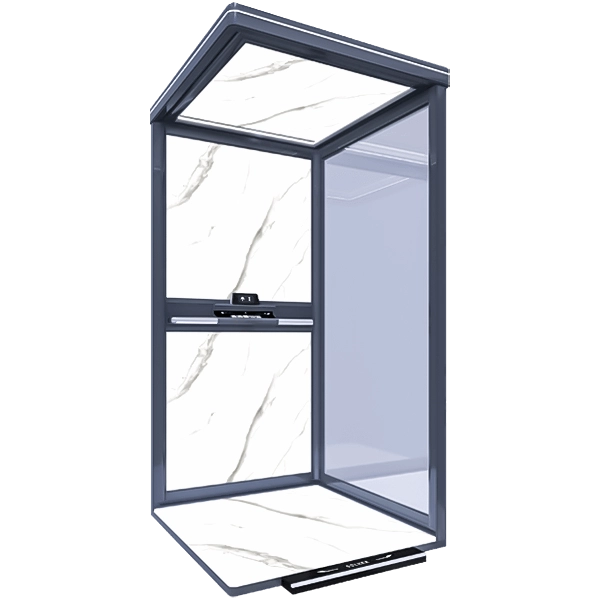
The Model-S is a home villa elevator in the Italian minimalist style. It features the most advanced elevator technology and has comprehensive safety protection measures. It is the most reliable guarantee for your passage in villa homes.
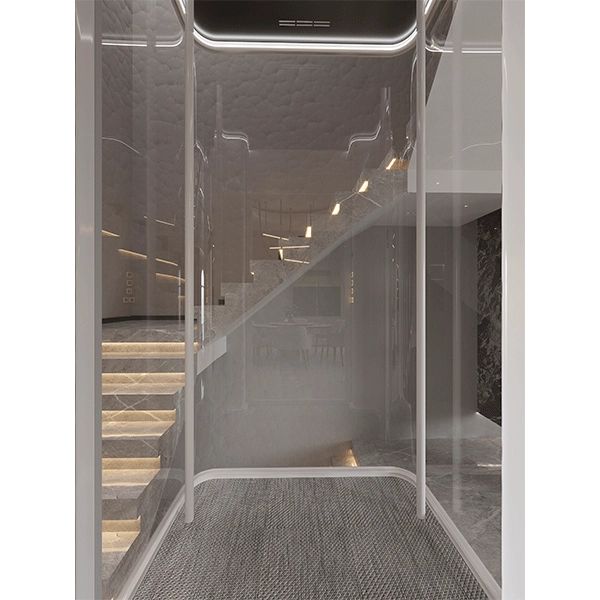
The Model-Mini is a home villa elevator in the Italian minimalist style. It features the most advanced elevator technology and has comprehensive safety protection measures. It is the most reliable guarantee for your passage in villa homes
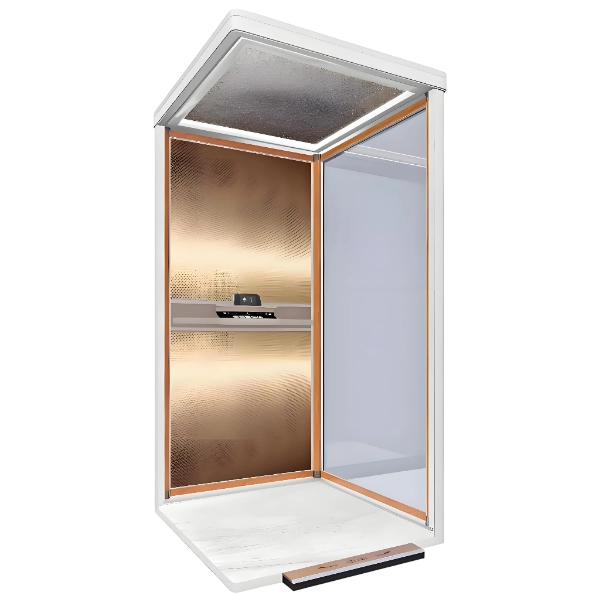
The Model A is a home villa elevator in the Italian minimalist style. It features the most advanced elevator technology and has comprehensive safety protection measures. It is the most reliable guarantee for your passage in villa homes.
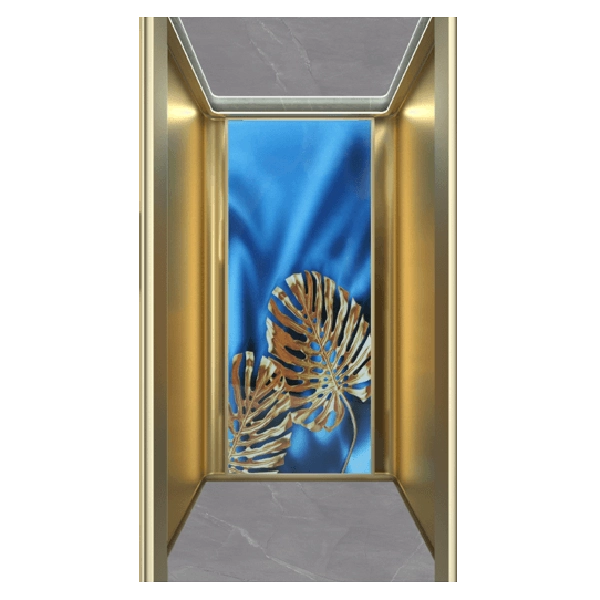
The Model-Q is a home villa elevator in the Italian minimalist style. It features the most advanced elevator technology and has comprehensive safety protection measures. It is the most reliable guarantee for your passage in villa homes.
Looking for custom villa lifts manufacturing solutions?
We provide full-service OEM & ODM solutions—from concept to delivery.
Design, prototyping, production, and shipping—all in one place.
Fill out the form below for a free quote or consultation.
👉 Contact us today to start an exclusive customized partnership.
📦 Get product catalogs and wholesale prices.
🔧 Submit your design requirements for 1-to-1 exclusive matchmaking.
🌍 Become our global distribution partner.
Rest assured that your privacy is important to us, and all information provided will be handled with the utmost confidentiality.
Let's get in touch
Email: lin@solkerelevator.com
Tel: +86 133 1668 7566
Address: Floor 1, Building D, Nanxin Industry International, Nancheng District, Dongguan, China.
 Taiwan, China
 No. 21, Lane 38, 206 Yingtai Road, Yingge District, New Taipei City
 +886 0975-299-830
 United Arab Emirates
Capital Mall, Abu Dhabi, United Arab Emirates, 3rd floor, Luxera elevator +971 52 541 4685 Ceo@maharacare.com
 Melbourne, Australia
 19/12 Natalia Av, Oakleigh South, VIC 3167
+61 1300 771 86 sales@goldenhomelifts.com.au
Sydney, Australia
U28/323 Chisholm Road, Auburn, NSW 2144
+61 1300 771 86 sales@goldenhomelifts.com.au
SOLKER
SOLKER